
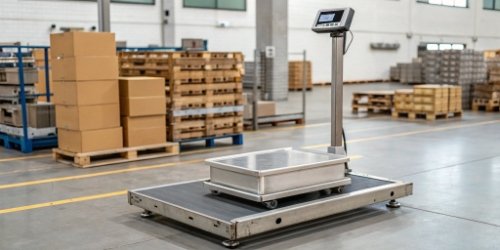
Your business is growing, but rigid systems are holding you back. This inflexibility costs you efficiency and opportunity. A future-proof weighing system is the key to unlocking your potential.
The flexibility of a weighing system is determined by its ability to scale, integrate new software, and connect with different hardware. IoT-integrated scales are the best example, allowing software updates and modular hardware additions to grow with your business and keep you competitive.

Future-proofing your operations is no longer optional; it's essential for survival and growth. You need to know if the tools you rely on today can handle the demands of tomorrow. We can't predict the future, but we can prepare for it. In my 19 years of helping businesses with their weighing needs, I've seen how the right system can make all the difference. It's about choosing technology that bends without breaking. Let’s explore what makes a weighing system truly flexible and how you can ensure your investment supports1 your long-term vision.
What Criteria Determine the Flexibility of a Weighing System for Future Business Growth?
You know you need a flexible system, but don't know what to look for. Choosing the wrong one means wasted investment and future headaches. Focus on these key criteria.
The most important criteria are scalability, software customizability, hardware compatibility, and data integration capabilities. A system that excels in these areas can grow with you, adapt to new workflows, and connect seamlessly with your existing technology stack, ensuring long-term value.
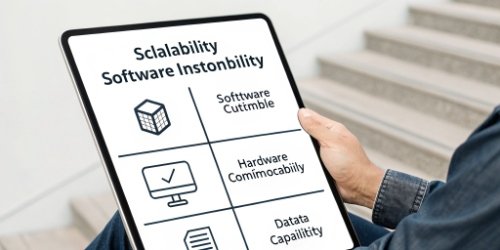
When we talk about flexibility, we're really talking about a system's ability to change without needing a complete overhaul. As a manufacturer, I see firsthand how businesses get locked into rigid systems that can't keep up. To avoid this, you need to evaluate potential systems against a clear set of standards. This isn't just about the hardware's capacity; it's about the entire ecosystem. Does it welcome new technology or resist it? Can it talk to your other business software, like your ERP or WMS? These questions help you look beyond the initial purchase price and see the true long-term value2. A truly flexible system is a partner in your growth, not an anchor holding you back.
Key Flexibility Factors
Thinking critically about these factors before you buy is crucial. Here’s a breakdown of what to look for:
-
Software Customizability: Your business isn't static, so your software shouldn't be either. A flexible system allows for custom features. For example, you might need a specific data field for a new compliance requirement. A rigid system can't do this, but a customizable one can be updated easily. This is where IoT systems shine, as software can be modified without changing the hardware.
-
Hardware Modularity: Think of this like building with Legos. Can you add a barcode scanner, a new printer, or a larger display later on? A modular design lets you swap or add components as your needs change, which is far more cost-effective than replacing the entire scale.
Here is a simple table comparing the differences:
| Feature | Rigid System | Flexible (IoT) System |
|---|---|---|
| Scalability | Fixed capacity, costly to upgrade. | Handles more data/users, easy to scale. |
| Software | Locked, cannot be changed. | Customizable, features can be added/updated. |
| Hardware | Integrated, cannot add new devices. | Modular, connect new scanners/printers. |
| Data Integration | Limited or no API, standalone data. | Open API, seamless connection to ERP/WMS. |
How Can You Assess the Scalability of Your Current Weighing System?
Your current system seems fine now, but what about next year? Hidden limitations could cause major disruptions and costly downtime when you can least afford it. Assess its scalability now.
You can assess scalability by checking its technical documentation for user or transaction limits. Test its performance under a simulated heavy load and review its API for integration. Also, ask your vendor about the upgrade path and the costs for expanding its capacity.

Don't wait for your system to fail during peak season to discover its limits. A proactive assessment can save you a lot of trouble. I often advise clients to think like they're stress-testing a new website. What happens when traffic spikes? For a weighing system, the "traffic" is transaction volume, the number of users, or the amount of data it needs to process. You need to understand where the breaking points are. Does it slow down, throw errors, or stop communicating with other systems? By asking these tough questions now, you can identify weaknesses and plan for an upgrade or replacement before it becomes an emergency. It’s a simple health check for a critical piece of your operational infrastructure.
A Practical Assessment Guide
Here’s how your technical team can get a clear picture of your system's limits:
1. Review Technical Specifications
The first place to look is the user manual and technical documentation3. Vendors are usually clear about system limitations. Look for things like the maximum number of PLUs (Price Look-Up codes) it can store, the number of transactions it can log, or the maximum number of scales that can be networked together. If this information isn't readily available, it's a red flag.
2. Conduct Performance & Load Testing
Don't just trust the documentation. Test it. Your team can simulate a peak-demand scenario. For instance, have multiple users perform weighing tasks rapidly for an extended period. Monitor the system's response time. Does it lag? Does the software freeze? Are there data transfer errors? This practical test will reveal real-world bottlenecks that spec sheets don't show.
3. Evaluate Integration Potential
For software providers, this is the most critical step. How well does your system play with others? Check if it has a well-documented API (Application Programming Interface). An open API4 is a gateway to flexibility, allowing your developers to build custom connections to your ERP, WMS, or other business intelligence tools5. If it uses a proprietary, closed-off protocol, you'll be stuck.
What Features Should a Weighing System Have to Adapt to Evolving Business Needs?
You're ready to invest in a new system. That's a big step. But picking one without the right features is a recipe for regret and a wasted budget. Prioritize these key features.
An adaptable system needs modular hardware, an open API for easy software integration, and simple software update capabilities. Cloud connectivity for remote management and data analytics is also crucial for adapting to a modern, data-driven business environment and future tech shifts.

When you are looking for a new weighing system, it's easy to get focused on the price and basic specs. But to future-proof your investment, you need to look deeper. The most important features are the ones that give you options down the road. I always tell my clients to think about the "what ifs." What if you need to integrate a new piece of sorting equipment next year? What if you want to pull weighing data directly into a new analytics dashboard? The features that answer these questions are the ones that deliver long-term value. It's the difference between buying a simple tool and investing in a flexible platform that can grow and change with you.
Must-Have Features for an Adaptive System
To ensure your next system can handle the future, make sure it includes these core components. These are the building blocks of a truly flexible weighing solution.
-
Modular Hardware Design: A modular system allows you to add or replace parts like displays, scanners, and printers without replacing the entire unit. This approach saves money and reduces downtime. If a component fails or a new technology emerges, you can simply swap it out. It provides a level of agility that all-in-one, sealed units simply cannot match.
-
Open API and SDKs: For any business with a technical team, especially software vendors, this is non-negotiable. An open Application Programming Interface (API) and Software Development Kit (SDK) allow your developers to create custom integrations. They can connect the scale to your proprietary software or build new applications on top of our hardware. This turns the scale from a simple device into a powerful, integrated data collection point.
-
Cloud Connectivity and Remote Updates: Modern IoT scales are cloud-enabled. This means you can monitor performance, troubleshoot issues, and even update software remotely from a central dashboard. This is a game-changer for businesses with multiple locations. It dramatically reduces maintenance costs and ensures all your systems are running the latest, most secure software without needing a technician on-site for every update.
How Can Businesses Ensure Their Weighing Systems Meet Long-Term Objectives?
You've chosen a system, but how do you guarantee its long-term success? A poor partnership with your vendor can undermine even the best hardware, leaving you with an obsolete tool.
Ensure long-term success by choosing a vendor that offers strong technical support, a clear product roadmap, and a commitment to innovation. A true partner works with you to understand your goals, offering customizable solutions and reliable service to help the system evolve with you.

After nearly two decades in this industry, I can tell you this: the product you buy is only half the solution. The other half is the company behind it. A weighing system isn't a one-time purchase; it's the start of a long-term relationship. The vendor you choose should feel like an extension of your own team. They should be responsive when you have an issue and proactive about helping you prepare for the future. Without that support, even the most advanced scale can become a liability. A great partner doesn't just sell you a box; they provide a foundation for your future growth.
Finding the Right Partner, Not Just the Right Product
The technology is important, but the people behind it are what make it work for you long-term. Here's what I've learned is most important in a vendor partnership6:
-
Vet Their Support Structure: Your biggest concern as a technical director is often slow after-sales response. Before you buy, ask about their support team. Do they have dedicated technical, production, and after-sales departments? At Weigherps, we do. This structure ensures that when you have a problem, you're talking to an expert who can solve it quickly. A 12-month service guarantee is a good sign, as it shows the company stands behind its products.
-
Ask for a Product Roadmap: A forward-thinking vendor is always innovating. Ask to see their product roadmap7. This will show you what new features, integrations, and technologies they are working on. It gives you confidence that they won't let their products become obsolete. It also shows they are investing in R&D and listening to the market, just like you are.
-
Prioritize Customization Capabilities: I remember working with a client in the food processing industry. They needed a system that could handle a new, wet production environment and integrate with their specific inventory software. We worked with them to create a custom solution with an IP68-rated scale and tailored software. A vendor who is willing and able to provide targeted, cost-effective solutions8 is a partner who is invested in your success. They understand that one size does not fit all.
Conclusion
An adaptable IoT weighing system is more than just hardware; it's a strategic partnership. This approach ensures your operations stay flexible, efficient, and ready for future growth and challenges.
-
Learn how to align your technology investments with your business goals. ↩
-
Explore strategies to maximize the long-term value of your investment in weighing technology. ↩
-
Understanding technical documentation can help you assess the capabilities of your weighing system. ↩
-
Discover how an open API can facilitate seamless integration with your existing systems. ↩
-
Explore how business intelligence tools can enhance data analysis and decision-making. ↩
-
Choosing the right vendor is crucial for long-term success; explore what to look for. ↩
-
A product roadmap can provide insights into a vendor's future innovations and support. ↩
-
Discover how to find solutions that provide value without breaking your budget. ↩



Comments (0)