

Are you ever concerned that you're paying for more than you get? The scale could be off, costing you money on every grocery trip without you even noticing.
Yes, a grocer's electronic scale is generally accurate. For legal trade, these scales must meet specific standards (like Class III accuracy) and undergo regular calibration. This ensures you are charged fairly for the exact weight of your items, though accuracy can be affected by poor maintenance.
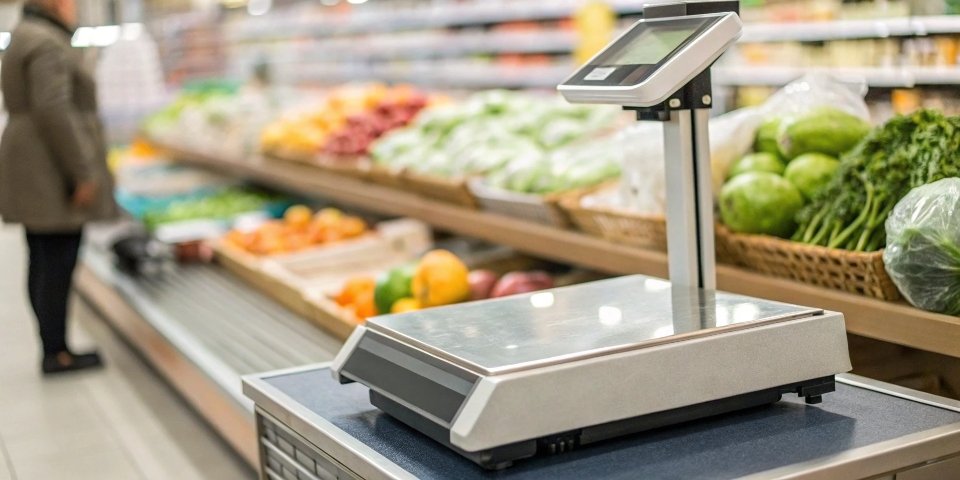
The accuracy you see at the checkout counter is not just a coincidence. It is the result of strict regulations and a precise manufacturing process. However, this precision is not guaranteed forever. A scale's environment, its daily use, and its maintenance schedule1 all play a huge role in whether it remains accurate over time. As someone who has been in the scale manufacturing business for nearly two decades, I know that even the best equipment can fail without proper care. Keep reading, and I'll explain what separates a trustworthy scale from one that might be costing you.
Are supermarket scales accurate?
You see the price per pound and trust the final calculation. But faulty scales could be adding to your bill, and these small errors accumulate over time.
Supermarket scales are typically very accurate. They are legally required to be "legal for trade," a certification that ensures they meet strict government standards. These scales are inspected and calibrated regularly to protect both the consumer and the store from errors.
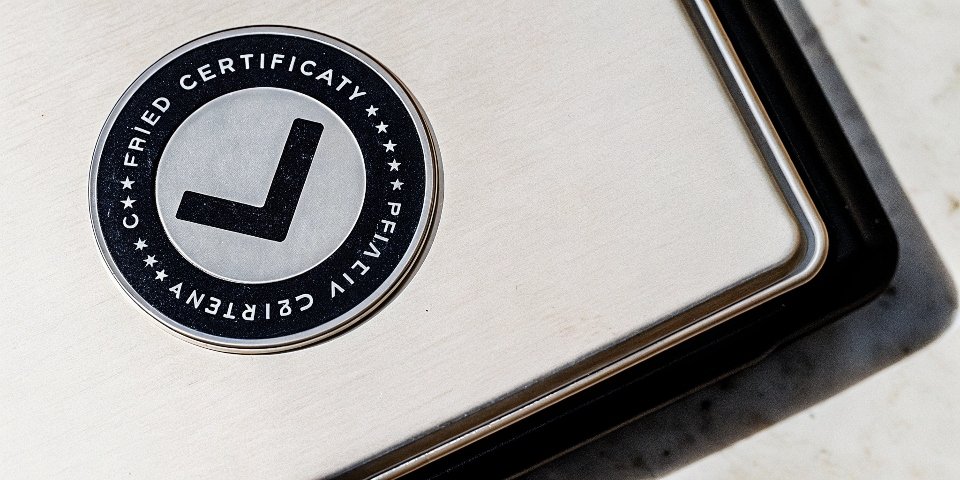
When we talk about accuracy in supermarket scales, we are often referring to a specific standard. Most scales used for trade must meet Class III accuracy2. What does this mean for you? Let's break it down. An electronic scale's precision is measured in "divisions." For a typical grocery scale, this might be 3000 divisions (3000d).
This means if a scale has a maximum capacity of 3 kilograms, its smallest measurable increment is 1 gram. The regulations state how much error is allowed.
| Weight Range | Maximum Permissible Error |
|---|---|
| 0g - 500g | ±0.5g |
| 501g - 2000g | ±1.0g |
| 2001g - 3000g | ±1.5g |
As you can see, the allowable error is incredibly small. At my company, Weigherps, we manufacture industrial scales that adhere to these strict international standards. It's why regular checks by a certified professional are not just good practice—they are the law in most places. This ensures the scale you use at the deli or produce section is fair.
How accurate are electronic weight scales?
Electronic scales look modern, giving a sense of perfect precision. But "electronic" does not automatically mean flawless, as their internal parts are very sensitive to outside factors.
An electronic scale's accuracy is defined by its design and classification. A standard grocery scale (Class III) is accurate to within a gram or two. For example, a scale with a 3kg capacity is precise down to 1g, ensuring you're not overpaying.
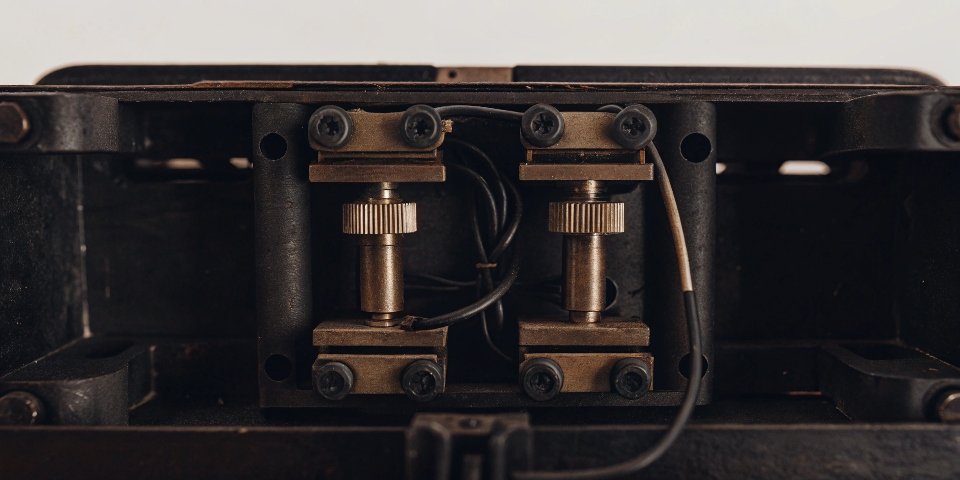
The core of an electronic scale is a component called a load cell3. This is what actually measures the weight. However, its accuracy depends heavily on the environment. I've seen factory floors where even the most advanced scales give wrong readings because of simple mistakes. To get a stable and correct reading, the scale must be on a perfectly level and sturdy surface. Vibrations from nearby machinery, or even a strong draft from an air conditioner, can interfere with the measurement.
We also consider temperature and humidity. Electronic components can expand or contract with temperature changes, which can affect their readings. That’s why professional scales are built to operate within a specific temperature range. Proper maintenance also includes keeping the scale clean. Debris under the weighing platform can obstruct movement and cause errors. A well-maintained scale in the right environment is a reliable tool, but neglecting these factors will compromise its accuracy.
How do I tell if my weighing scale is accurate?
You are at the checkout, worried about being overcharged by a faulty scale. You can't carry testing weights, so it feels impossible to know for sure.
First, look for a recent certification sticker from a "Weights and Measures" authority. Also, make sure the display shows "0.00" before your items are placed on it. For a quick test, ask the clerk to weigh a pre-packaged item with a known weight.
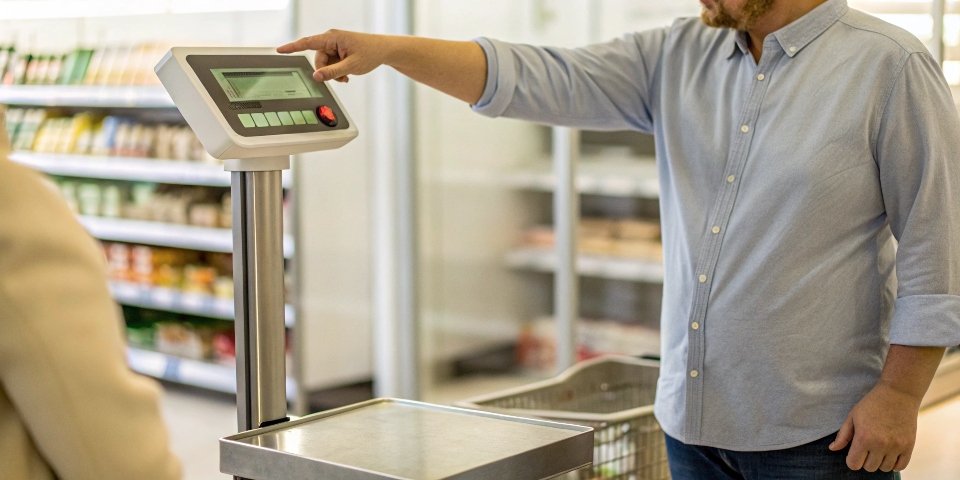
You have more power than you think when it comes to verifying a scale's accuracy. Here are a few simple steps you can take as a customer.
Simple Checks for an Accurate Scale
- Look for the Sticker: Most regions require commercial scales to be inspected annually. A sticker from a government agency with a recent date is a good sign the scale is maintained.
- Check for Zero: The scale must read zero before anything is weighed. If it shows any other number, ask the operator to zero it out. This ensures you are not paying for "ghost" weight.
- Use a Known Weight: The easiest way to check is with an item that has a defined weight. A new, one-pound (454g) bag of coffee or a liter bottle of water (which weighs 1kg) is a great tool. If the scale's reading matches the item's known weight, it's likely accurate.
- The Corner Test: This is something we do in quality control. An object’s weight should not change if you move it to different corners of the weighing platform. If the weight fluctuates, it indicates the scale has a mechanical issue and needs servicing.
Are mall scales accurate?
Have you ever stepped on one of those public scales in a shopping mall? Sometimes the reading seems way off, making you question if they are useful at all.
Mall scales for personal weighing are generally not as accurate as grocery scales. They are not considered "legal for trade," so they do not face the same strict calibration and inspection requirements. Use them for entertainment, not for a precise measurement.
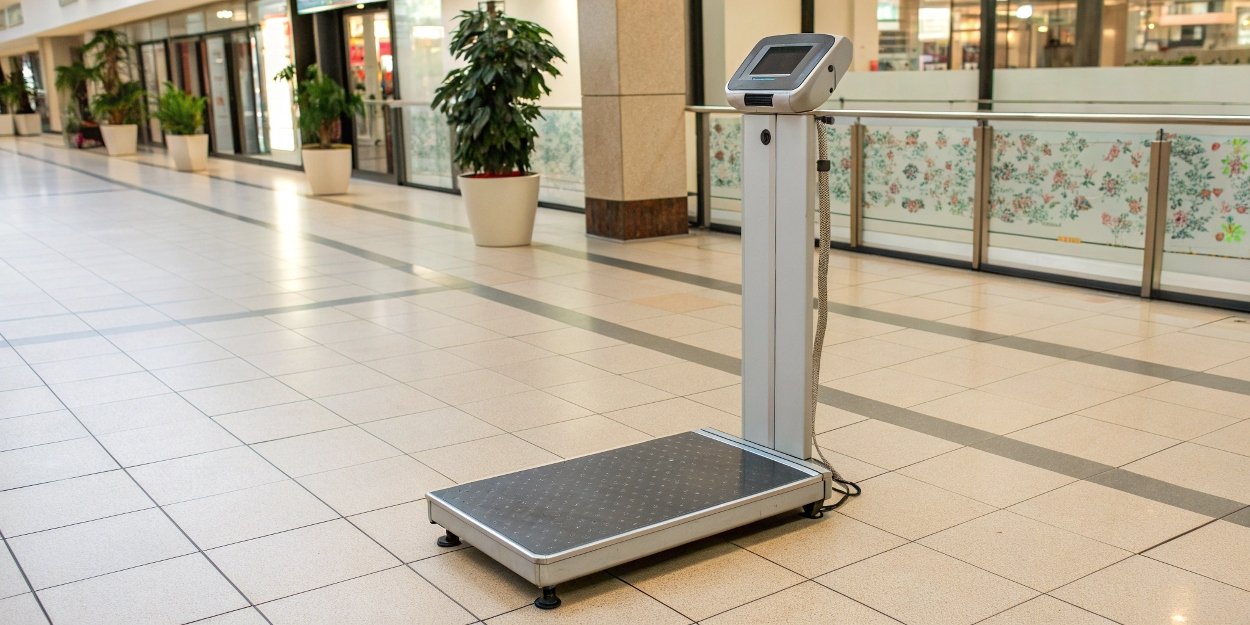
There's a fundamental difference between a scale that sells you apples and one that tells you your body weight in a mall. The grocery scale4 is a "legal for trade" device. Money changes hands based on its measurement, so its accuracy is legally regulated. A mall scale, on the other hand, is usually just for personal information or entertainment. Because of this, it is not held to the same standard.
In my experience at Weigherps, the design and components for a trade scale are far more robust and costly than those for a consumer novelty scale. Furthermore, a supermarket has a strong financial and legal incentive to keep its scales perfectly calibrated. The operator of a coin-operated mall scale may not perform maintenance as frequently. Add in the constant vibrations from foot traffic in a busy mall, and you have a recipe for inaccurate readings. So, if you step on one, take the result with a grain of salt.
Conclusion
Grocery scales are accurate because of strict rules. Just check for a zero display and certification sticker. You can trust that professional scales are made for fair and precise measurements.
-
Find out why regular maintenance is crucial for ensuring the accuracy of weighing scales. ↩
-
Discover the significance of Class III accuracy and how it affects your grocery shopping. ↩
-
Explore the technology behind load cells to understand how weight measurements are made. ↩
-
Understand the differences between grocery scales and mall scales for better shopping choices. ↩


[…] financial and reputational damage. Your first step is to define the exact risk window. Pull the calibration certificates4 to find the last known date the scale passed inspection. The period from that date to now is your […]