
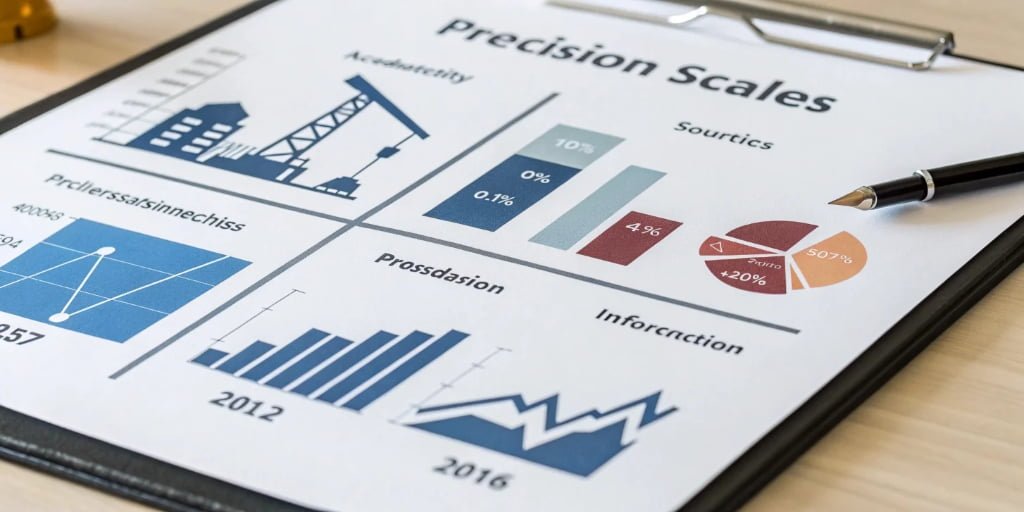
Struggling with inaccurate measurements and material waste? Using the wrong scale for your industry can cost you dearly. Precision weighing solutions transform your operations and boost your profits.
The top sectors benefiting from precision scales include manufacturing, logistics, agriculture, and pharmaceuticals. These industries require high accuracy for quality control, inventory management, and regulatory compliance, making specialized scales absolutely essential for success.
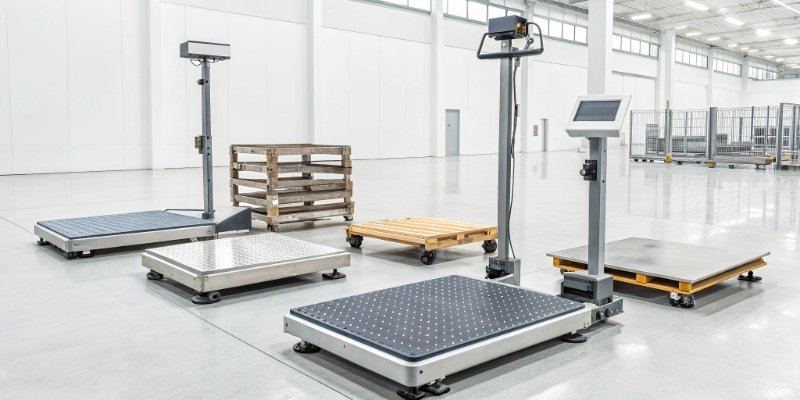
Over my 18 years as an industrial scale manufacturer, I've seen firsthand how the right tool can change everything. A generic scale might seem like a cost-saving measure, but it often leads to hidden costs through waste, rework, and even legal issues. The real value comes from a solution designed specifically for your unique challenges. It’s not just about weighing; it’s about improving your entire process. Let's explore the specific applications and see how precision scales are making a difference across various fields.
What are precision scales used for?
Do your daily tasks involve tiny, critical measurements? Standard scales often fail to provide the necessary detail, leading to costly errors. Precision scales deliver the accuracy you need for delicate tasks.
Precision scales are used for tasks requiring extreme accuracy and resolution. Common applications include laboratory analysis, quality control checks on small parts, pharmaceutical compounding, and recipe formulation where every gram matters.

When we talk about precision, we're moving beyond just getting a general weight. We're talking about applications where a tiny deviation can ruin a batch or compromise quality. I remember working with a client in the electronics industry. They were manually counting thousands of minuscule screws for their assembly kits, a process that was slow and prone to error. We provided them with a high-precision counting scale. This single piece of equipment eliminated manual errors, sped up their packing process by over 60%, and ensured every kit was perfect. This is the power of a dedicated solution. It solves a specific pain point. It’s not just a tool; it’s a process optimizer.
Here are some core areas where these scales are indispensable:
- Quality Control: Verifying the weight of small, manufactured components to ensure they meet strict specifications.
- Laboratories and R&D: Measuring exact amounts of chemicals and compounds for experiments and testing.
- Formulation: Precisely measuring ingredients for products like pharmaceuticals, cosmetics, or specialty foods.
- Jewelry and Precious Metals: Determining the exact weight of gold, silver, and gemstones for valuation.
What careers use scales?
Do you think scales are only for warehouse workers? Many professional careers depend on precise measurements daily. Without the right tool, their work quality suffers, creating significant professional risks.
A wide range of careers use scales, including pharmacists, lab technicians, quality assurance managers, chefs, jewelers, and logistics coordinators. Anyone whose job relies on exact weight for safety, quality, or value uses a scale.

The need for accurate weight measurement cuts across more careers than most people realize. It’s a fundamental part of maintaining standards and ensuring safety. A pharmacist compounding medication relies on a scale for a patient's health. A chef creating a signature dish relies on a scale for consistency. In our experience, we’ve provided weighing solutions for a surprisingly diverse group of professionals. For example, we helped an environmental consulting firm that needed to weigh soil samples on-site. They required a portable, durable, yet highly accurate scale that could withstand field conditions. We developed a custom solution that met their needs perfectly. This highlights that the a scale's purpose is defined by the professional using it.
| Career | Why They Use a Scale | Key Requirement |
|---|---|---|
| Pharmacist | Compounding medications, ensuring dosage accuracy. | High precision, legal for trade certification. |
| Chemist | Measuring reagents for chemical reactions. | Extreme accuracy, chemical resistance. |
| QA Manager1 | Verifying product net weight for compliance. | Reliability, data connectivity for records. |
| Logistics Manager2 | Calculating shipping weights for billing. | High capacity, durability, Trade approval. |
| Jeweler | Valuing precious metals and gemstones. | High precision (carats/grams), security features. |
Are industrial scales accurate?
Are you worried that heavy-duty industrial scales sacrifice accuracy for durability? This common misconception can lead to costly operational errors. In reality, modern industrial scales are built for both strength and precision.
Yes, high-quality industrial scales are extremely accurate. Their accuracy is ensured through robust load cell technology, proper calibration, and compliance with international standards like CE. Our scales undergo rigorous testing to guarantee precision.
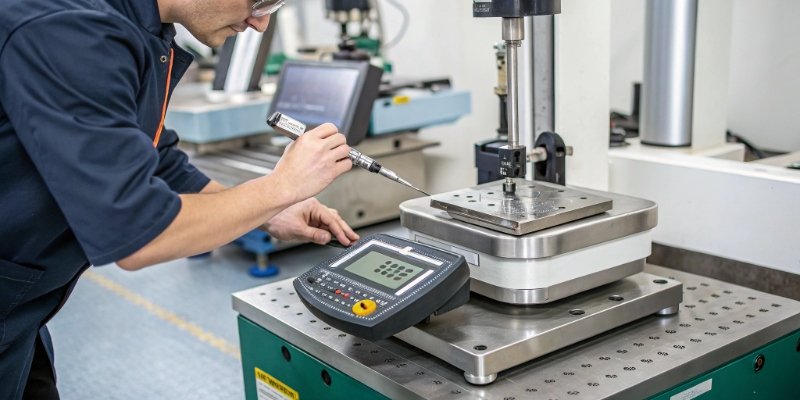
As a manufacturer, I can tell you that accuracy is not a negotiable feature, even for the most rugged scales. The core of any modern scale is the load cell, a sensor that converts force into a measurable electrical signal. The quality of this component is paramount. At Weigherps, every scale a client receives has already passed through our dedicated quality control3 department. It’s subjected to a battery of tests—weight verification across its full range, battery life checks, and software function tests. Only after passing every single check do we approve it for shipment. This process ensures that the scale you get is not just tough, but also a precise instrument you can trust. Accuracy in an industrial setting isn't a luxury; it's the foundation of quality, inventory control, and fair trade.
What are industrial scales used for?
Do you think industrial scales are only for weighing pallets? Limiting their use to that one task means you're missing huge opportunities for efficiency. Their applications go far beyond basic weighing.
Industrial scales are used for much more than simple weighing. They are essential for process control, automated batching, inventory management, and integrating weight data into IoT and ERP systems for smart manufacturing.
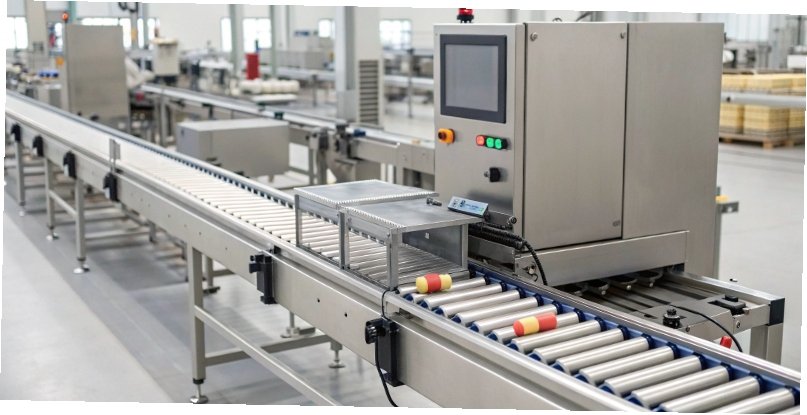
The real power of modern industrial scales lies in their ability to become part of a larger, automated system. This is where we excel. We don't just sell scales; we provide weighing solutions. For a software provider like yourself, this means our hardware can seamlessly integrate with your systems. A scale can act as a critical data input device for your WMS or ERP. For example, we recently partnered with a company to create a fully integrated weighing and labeling system for a food production client. The scale weighs the product, sends the data to the software, which then prints a label with the weight, price, and barcode. This automated process reduced labor costs and eliminated human error. It’s this kind of targeted, custom solution that turns a simple weighing device into a profit-generating machine.
| Application | Description | Business Benefit |
|---|---|---|
| Batching & Formulation | Automatically dispensing multiple ingredients by weight. | Ensures product consistency and reduces material waste. |
| Dynamic Checkweighing | Verifying package weights on a moving conveyor belt. | Guarantees 100% quality control3 and legal compliance. |
| Vehicle Weighing | Weighing trucks to measure inbound/outbound goods. | Provides accurate data for billing and inventory management. |
| IoT Integration | Sending real-time weight data to cloud-based software. | Enables remote monitoring, data analytics, and predictive maintenance. |
Conclusion
Choosing the right precision scale is vital for your industry's success. We provide customized, reliable weighing solutions to boost your efficiency, making us your trusted expert partner for growth.



[…] unusual readings, our system can send an alert to a technician before it fails completely. This predictive maintenance2 saves companies a huge amount of money in potential […]