
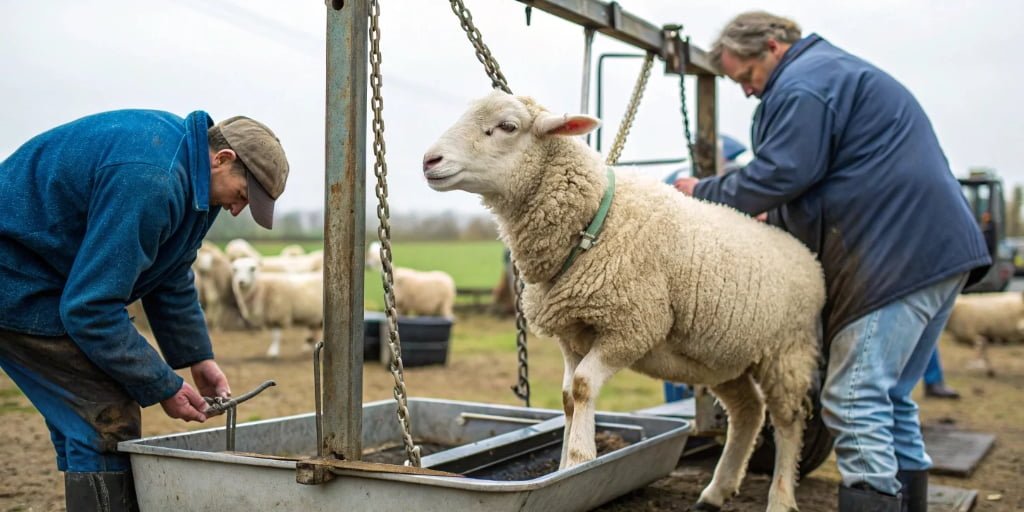
Are your sheep getting stressed during weigh-ins? This anxiety leads to inaccurate data and harms animal welfare. With the right approach, you can make weighing a calm, efficient process.
To weigh sheep without stress, use a properly designed handling system with a weigh crate. Let the animals get used to the area, handle them calmly, and make sure your equipment is accurate and not scary for them. This creates a safe and efficient process for everyone.

Weighing is a basic task, but it gives us so much important information about our flock's health and productivity. The problem is, if we don't do it right, we get bad data and stressed animals. For years, I've helped farmers optimize this process, and it often comes down to a few key details. By understanding how sheep see the world, we can change our environment and our techniques. This guide will walk you through the very steps that can turn a chaotic weigh-day into a smooth, stress-free routine. Let's dive deeper into how you can make that happen.
How to reduce stress in sheep?
Stressed sheep are difficult to handle and can hurt themselves. This costs you valuable time and can affect your profits. Creating a low-stress environment is your most effective first step.
Reduce sheep stress by optimizing the weighing area. Use solid, curved races to stop them from seeing what's ahead. Make sure they have good footing, keep noise to a minimum, and avoid direct sunlight or deep shadows, which they see as threats.

In my 18 years of designing weighing systems1, I've learned that a sheep’s psychology is key. They are prey animals with strong flocking instinct2s. A well-designed environment works with these instincts, not against them. It’s not just about the scale itself; it’s about the entire journey to the scale.
Choosing the Right Location
The area must feel safe. Place your weighing station in a dry spot with good drainage. Sheep hate walking through mud, and a slip can cause panic. They are also very sensitive to shadows and might think a dark patch on the ground is a hole or a barrier. I always recommend a north-south layout for outdoor systems. This prevents the rising or setting sun from shining directly into their eyes, which can be disorienting and stressful.
Designing the Perfect Passageway
A straight, open-sided race is a recipe for trouble. The sheep can see people and scary equipment far ahead, causing them to balk. A curved race with solid sides is much better. It uses their natural tendency to follow the animal in front of them without seeing what’s around the bend. Fences should be high enough to prevent jumping, typically around 42-48 inches (106-122 cm). A quiet, calm journey to the scale sets the stage for a stress-free weighing.
| Feature | Good Design (Low Stress) | Bad Design (High Stress) |
|---|---|---|
| Race Shape | Curved | Straight |
| Race Sides | Solid panels | Open bars or wire |
| Ground | Dry, non-slip, even lighting | Muddy, slippery, strong shadows |
| Noise Level | Quiet, minimal shouting or gate-clanging | Loud, with sudden noises |
Why is my sheep wobbly?
You see a sheep that is unsteady on its feet. This could be a serious health issue or just anxiety from the weighing process. Understanding the possible causes helps you respond correctly.
A wobbly sheep may be stressed by the weighing process, especially on a slippery surface. But it can also signal health issues like foot rot, injury, or nutritional deficiencies like selenium deficiency. Careful observation during weighing is crucial.
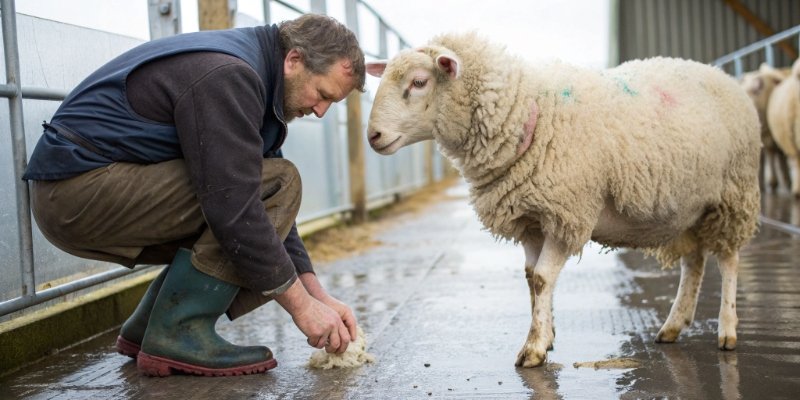
A wobbly sheep3 should always get your attention. Weighing time is actually a great opportunity to spot these issues. When an animal is separated from the flock for a moment, individual problems become much easier to see. Over the years, I've heard from many customers who identified a health issue right there on the scale platform. It’s important to figure out if the problem is related to stress or something more serious.
Stress-Related Instability
Fear can make a sheep unsteady. If the scale platform is metal and reflective, or if it makes a loud noise when they step on it, they may freeze or tremble. An unstable feeling underfoot will make them want to escape. A simple fix I often suggest is to place a piece of rubber matting on the scale. This provides better grip and reduces noise, making the animal feel more secure. A modern weigh crate4 also helps by holding the sheep snugly, which gives it a sense of security and stability.
Physical and Health Issues
If the wobbliness continues outside the weighing area5, you need to investigate further. It could be an injury, lameness from foot rot, or a neurological issue. It can also be a key sign of a nutritional problem, which is a major concern for flock health. Consistent, accurate weighing helps you track an animal’s condition over time. If you notice an animal is both wobbly and losing weight, it’s a clear signal that you need to act, possibly with advice from a vet.
What are the signs of selenium deficiency in sheep?
Your flock isn't growing as it should, and you think it might be a nutrient issue. Deficiencies like low selenium can cause major health problems and profit loss. Knowing the signs is vital.
Key signs of selenium deficiency are "white muscle disease" in lambs, causing stiffness and wobbliness. In adult sheep, look for poor growth, low fertility, and a weak immune system. Regular weighing helps track growth rates, which is an early indicator of this problem.
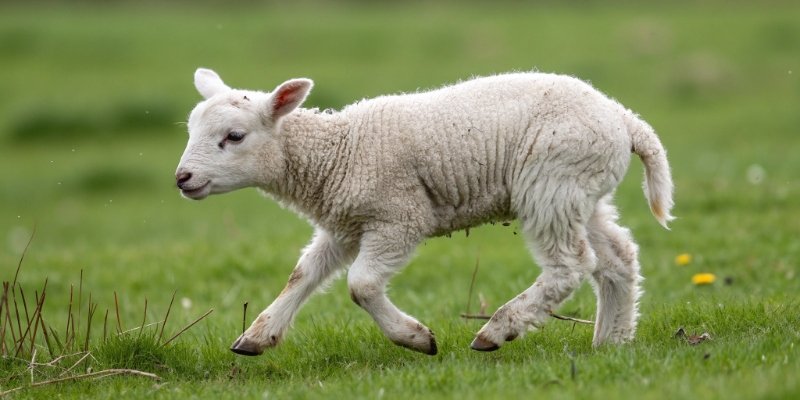
Tracking weight is not just for selling animals; it's one of the most powerful health monitoring tools6 you have. I remember a client who was struggling with poor lamb survival rates. After we installed an accurate weighing system, he started tracking weekly weights. The data clearly showed that a portion of his lambs were failing to gain weight. This data pointed his vet toward a selenium deficiency7 in the pasture. Correcting it saved his future lamb crops. Accurate data empowers you to make proactive decisions.
Symptoms in Lambs
The most dramatic sign is stiff-lamb disease, also called white muscle disease8. Lambs are born weak or develop stiffness in their legs within a few weeks. They may be wobbly and have trouble standing or nursing. This is because their muscles, including the heart muscle, are not developing properly. Without intervention, it is often fatal.
Symptoms in Adult Sheep
In ewes and rams, the signs can be less obvious. You might notice that they aren't gaining weight as expected or are losing condition. Other signs include lower fertility rates, a higher number of stillbirths, and a general weakness in the flock's immune system, leading to more issues with other diseases.
Accurate weighing makes these subtle signs visible. Here’s how weight data can help:
| Health Indicator | How Weight Data Helps |
|---|---|
| Growth Rate | Identifies lambs and ewes that are not thriving. |
| Weight Loss | A clear, early warning of a health problem. |
| Fertility | Tracks ewe condition score pre-tupping for success. |
| Treatment | Measures the effectiveness of a feed supplement. |
How to keep a sheep calm?
A panicky sheep can turn a simple job into a dangerous mess. This is risky for both you and your animals. A calm handler who uses the right techniques makes all the difference.
Keep sheep calm by moving slowly and quietly. Use their flocking instinct to move them in small groups. Do not make sudden movements, loud noises, or direct eye contact. Professional equipment like a weigh crate also provides security, which calms them.
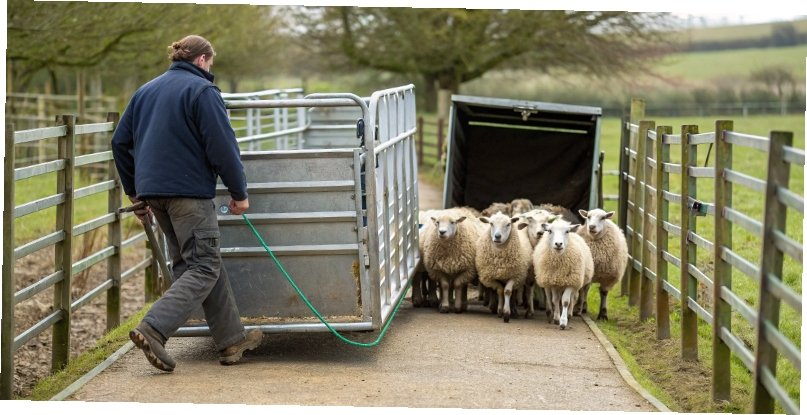
Your behavior has a huge impact on your sheep. If you are stressed and rushing, they will be too. I've been in countless barns and fields, and the calmest, most efficient operations are always run by patient handlers. They understand that a few extra minutes spent letting the animals settle saves much more time in the long run.
The Right Handling Techniques
The first time you use a new weighing setup, let the sheep walk through it without stopping them. Let them explore the area for a few minutes. This small step makes the environment familiar and much less scary for the next time. When you start weighing, work with small groups. This uses their flocking instinct to your advantage. Avoid yelling or using prods. A gentle push or a plastic paddle is usually all you need. If a sheep resists, don't fight it. Often, if you just wait a moment, it will follow the others.
Using Equipment to Your Advantage
Good equipment helps you stay calm because it makes the job easier and safer. A weigh crate with front and back gates is a perfect example. Once the sheep is inside, it feels contained and secure, so it stands still. This allows you to get an accurate weight quickly. For large-scale operations, we design fully automated systems with automatic gates and weight recording. The sheep are sorted and weighed with very little human interaction. This is the ultimate in low-stress handling and is a core part of the IoT weighing solutions9 we provide. It boosts efficiency and animal welfare at the same time.
Conclusion
Combining a calm environment, patient handling, and the right equipment is the key. This approach ensures you get accurate weight data while keeping your flock healthy and stress-free.
-
Explore advanced weighing systems designed to optimize sheep handling and ensure accurate data. ↩
-
Understand the flocking instinct and how to use it to your advantage during sheep handling. ↩
-
Identify potential health issues and stress factors that can cause instability in sheep during weighing. ↩
-
Explore essential features of weigh crates that ensure safety and comfort for sheep during weighing. ↩
-
Understand the key elements of a weighing area that promote calmness and efficiency in sheep handling. ↩
-
Learn about effective health monitoring tools that can help you maintain a healthy flock. ↩
-
Learn to recognize selenium deficiency symptoms to ensure the health and productivity of your flock. ↩
-
Understand the implications of white muscle disease and how to prevent it through proper nutrition. ↩
-
Explore innovative IoT solutions that enhance efficiency and animal welfare in livestock weighing. ↩



Comments (0)