
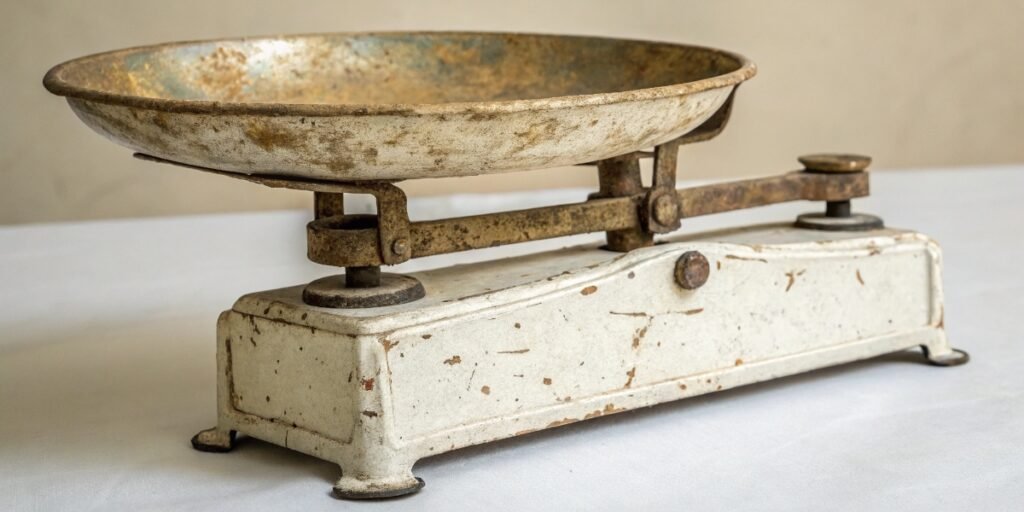
Your scale is not working correctly. You are stuck wondering if a costly repair is worth it, or if you should just buy a new one. This article will help you decide.
It depends on the scale's cost and the repair price. For a cheap commercial scale, buying a new one is often smarter due to high labor costs. For an expensive industrial scale, you should always contact a professional or the manufacturer to compare costs before deciding.

Deciding what to do with a faulty weighing scale can be a tough call. On one hand, you don't want to spend money on a new piece of equipment if you don't have to. On the other hand, pouring money into an old scale that might fail again is also a risk. This is a common problem I see with our clients. The right answer depends on several factors, not just the initial repair quote. To help you make a smart financial decision, let's break down the key questions you need to ask yourself. This guide will walk you through everything, so you can feel confident in your choice.
When should you replace a scale?
Your production depends on accurate weights. But an aging scale might give bad readings, costing you money and quality. Here are the signs it is time for a change.
You should replace your scale when repairs cost more than 50% of a new one's price. Also, look for constant inaccurate readings, physical damage, or if it lacks features you now need. Frequent errors and slow performance are clear signals that it is time to upgrade.
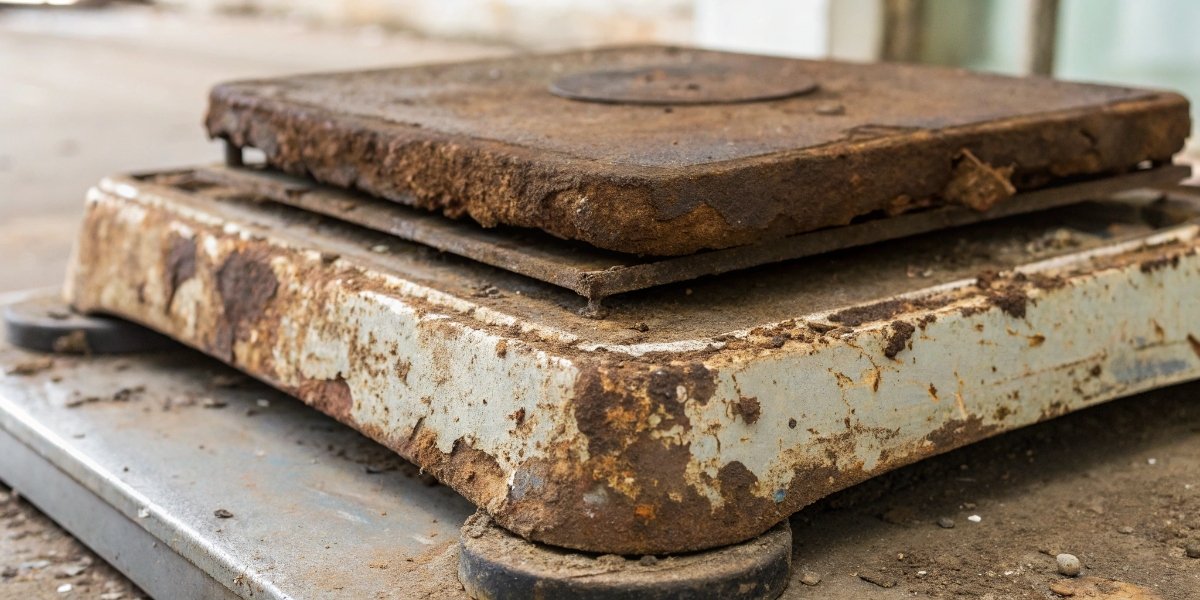
Many people use the "50% rule1" as a simple guide. If the estimated cost of repairs is more than half the price of a brand-new, comparable scale, replacement is usually the better financial option. This prevents you from investing heavily in old equipment that may have other underlying issues. However, cost is not the only factor. You also have to consider the impact of downtime2. How much money do you lose for every hour the scale is out of service? Sometimes, buying a new scale quickly is cheaper than waiting for a lengthy repair. I once had a client in the logistics industry who realized the downtime from their faulty floor scale was costing them more per day than a replacement. Upgrading became an easy decision. You should also consider if the scale is becoming obsolete. If you need modern features like data connectivity for your ERP system and your old scale does not have it, an upgrade is a forward-thinking investment.
| Sign of Failure | Recommendation | Why? |
|---|---|---|
| Inconsistent Readings | Repair or Replace | Could be a calibration3 issue (repair) or a failing load cell (replace). |
| Physical Damage | Replace | Cracks or severe rust can compromise accuracy and safety. Repair is often not practical. |
| High Repair Cost | Replace | If the repair quote is >50% of a new scale’s cost, replacement is a better investment. |
| Technologically Obsolete | Replace | If you need data output, IoT features, or better integration, an upgrade is necessary. |
Are older scales less accurate?
You have an old scale that has been a workhorse for years. But is its loyalty masking a hidden decline in accuracy? Let's check if age really matters for precision.
Not always. A well-maintained older scale can still be accurate. However, parts like load cells wear out and can cause small errors over time. While calibration helps, older technology simply cannot match the stability and features of modern digital scales.

An older scale is not automatically inaccurate. With regular maintenance4 and professional calibration, many old scales can perform reliably for years. As a manufacturer, I have seen some of our original models from 15 years ago still working perfectly in the field. However, time does take its toll. The most critical component, the load cell, can experience "creep" or "drift," where its electronic properties change slightly, leading to small but consistent errors. Also, older electronic components can become sensitive to temperature changes or electrical noise, causing the readings to fluctuate.
Modern scales have a big advantage here. They use advanced digital signal processors and software algorithms to filter out interference and compensate for environmental changes. This results in faster, more stable, and more repeatable measurements. While your old scale might be "good enough," a new scale is often measurably better, which can be critical for quality control or commercial transactions.
| Feature | Older Scales (Analog/Early Digital) | Modern Digital Scales |
|---|---|---|
| Core Technology | Mechanical levers or basic strain gauges. | Advanced digital load cells5 and processors. |
| Stability | More susceptible to temperature and vibration. | Better filtering and environmental compensation. |
| Accuracy | Can drift over time, requires frequent calibration. | More stable over the long term. |
| Features | Basic weight display. | Data output, memory, counting, IoT connectivity. |
What is the lifespan of a weighing scale?
You need to plan your budget for the coming years. An unexpected scale replacement can throw everything off. I can tell you how long your equipment should realistically last.
It varies widely. A simple, low-cost retail scale might last only a few years. A heavy-duty industrial scale, however, can work for over 15 years if you take care of it. Its lifespan depends on its build quality, working environment, and how often it is used.
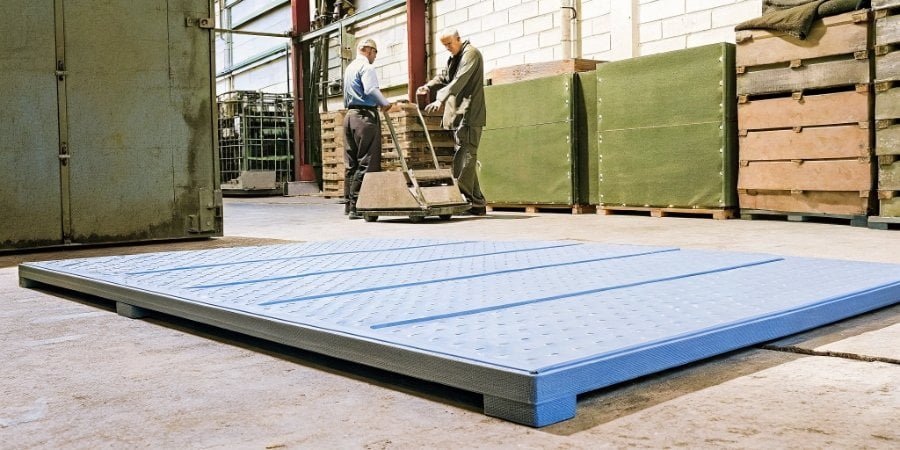
The lifespan of a scale is not one-size-fits-all. The single biggest factor is its build quality. As a manufacturer with 18 years of experience, we know that using robust materials like heavy-gauge steel and high-quality, sealed load cells makes a huge difference. An industrial scale6 designed for a tough factory floor will naturally outlast a lightweight scale meant for an office. The environment also plays a huge role. A scale used in a wet, dusty, or corrosive environment will have a shorter life than one in a clean, dry room unless it is specifically designed for those conditions (like with an IP67 or IP68 rating). Finally, how you use it matters. Consistently overloading a scale is the fastest way to destroy its load cell and shorten its life. Regular cleaning and scheduled maintenance are essential to reaching, and even exceeding, its expected lifespan.
| Scale Type | Ideal Environment | Estimated Lifespan (with maintenance) |
|---|---|---|
| Retail/Commercial | Clean, dry | 2-5 years |
| Bench Scale | Laboratory, light industrial | 5-10 years |
| Floor Scale | Warehouse, general industrial | 10-15+ years |
| Washdown Scale | Wet, corrosive environments | 8-12+ years (if properly rated) |
Can a weighing scale be repaired?
Your expensive industrial scale has finally given up. The thought of throwing it away is painful. But is a repair even an option for such complex equipment?
Yes, most industrial scales are designed to be repaired. Common fixes include replacing load cells, indicators, or internal electronics. We always recommend contacting a professional technician or the original manufacturer, like us, to get it done right and ensure it is properly recalibrated.
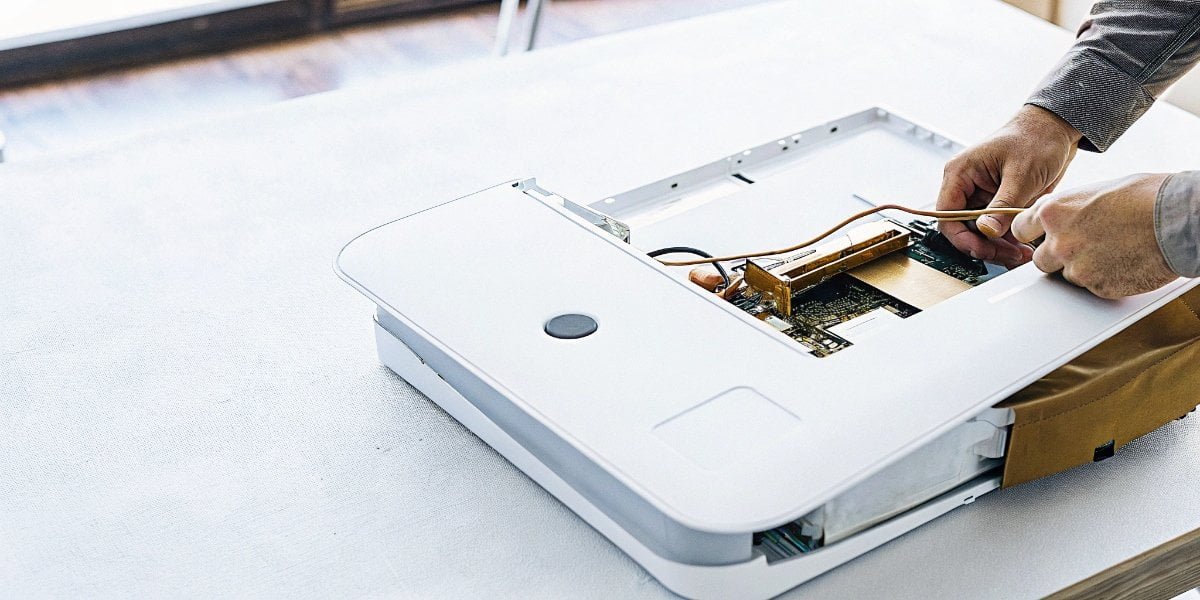
Absolutely. Unlike cheap consumer electronics, good industrial weighing equipment is built to be serviced. Many components are modular, meaning they can be swapped out without replacing the entire unit. At Weigherps, we ensure our scales are serviceable, and we provide the necessary parts and technical support to our clients. For instance, if the display fails or a button stops working, the indicator can often be repaired or replaced. If the scale becomes inaccurate, a technician can diagnose and replace a faulty load cell.
The key is to have the repair done by a professional. A weighing scale is a precision instrument7. After any major component is replaced, the scale must be recalibrated with certified test weights to ensure its accuracy. Trying to fix it yourself without the right tools and expertise can lead to bigger problems and inaccurate measurements. As the manufacturer, we stand behind our products with a 12-month after-sales service8 guarantee and a team of experts ready to help you find the most cost-effective solution9, whether that is a repair or a replacement.
| Common Problem | Possible Cause | DIY or Professional Repair? |
|---|---|---|
| Scale will not turn on | Faulty power cable or adapter | DIY (check cable first) |
| Unstable/drifting numbers | Damaged load cell or junction box | Professional |
| Display is blank/broken | Failed indicator/display unit | Professional |
| Inaccurate weight | Needs calibration, faulty load cell | Professional |
Conclusion
Deciding to repair or replace your scale comes down to cost, age, and function. A careful analysis of repair quotes versus a new scale's benefits will lead you to the smartest choice.
-
Explore the 50% rule to determine when it's more cost-effective to replace rather than repair your scale. ↩
-
Understand the financial implications of downtime to make better decisions regarding equipment maintenance. ↩
-
Learn about calibration frequency to maintain the accuracy and reliability of your scales. ↩
-
Discover effective maintenance practices to extend the lifespan and performance of your scales. ↩
-
Gain insights into load cells, their function, and their importance in scale accuracy. ↩
-
Learn about the key features and specifications to look for when selecting an industrial scale. ↩
-
Explore the importance of precision in weighing scales and its impact on measurement accuracy. ↩
-
Learn about the importance of after-sales service and support for your weighing equipment. ↩
-
Discover various cost-effective solutions to address common issues with weighing scales. ↩



Comments (0)