
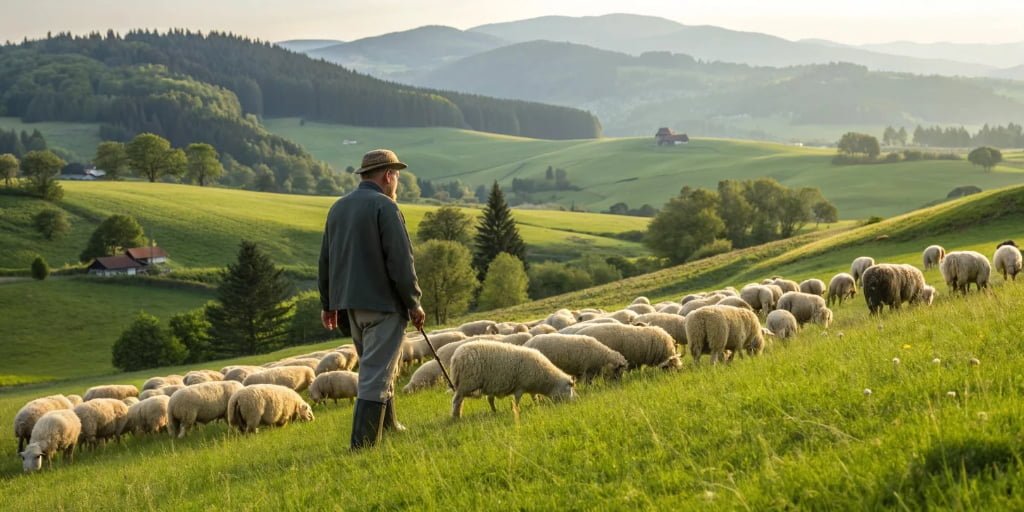
Are you struggling to manage your flock's weight effectively? Poor management leads to wasted feed and lower profits. A systematic, data-driven approach simplifies things and boosts your farm's success.
The best way to manage sheep weight is by combining a balanced diet, regular health checks, and precise, consistent weight monitoring. Using tools like electronic scales provides the accurate data needed to optimize feed and track growth, ensuring both flock health and farm profitability.
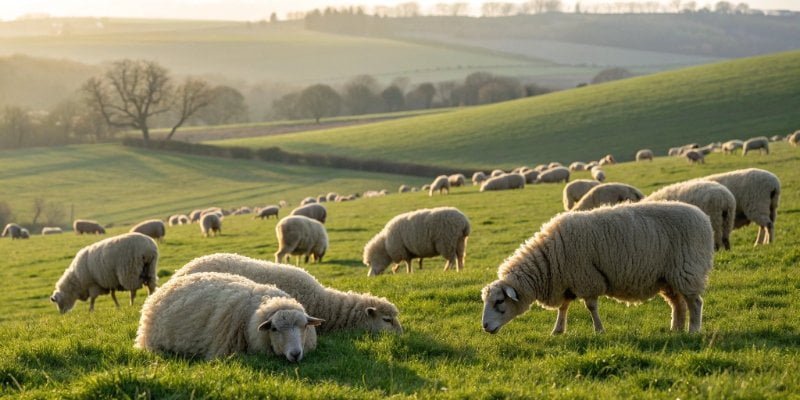
Managing sheep might seem simple, but their weight is directly tied to your bottom line. It affects everything from feed costs1 to reproductive success and final market price. Simply guessing is not a strategy. You need a reliable system. But where do you start? We’ve been in the weighing industry for 18 years, and we've seen how technology transforms traditional work. Let's walk through the steps to master sheep weight management2, turning data into profit. This guide will help you build a solid foundation for a thriving operation.
How to calculate the weight of a sheep?
Struggling with inaccurate weight estimates for your sheep? Guessing can lead to incorrect feed portions and medication dosages. You need a method that provides precision and reliability for better management.
The most reliable way to calculate a sheep's weight is by using a dedicated electronic livestock scale or a weighing crate system. This eliminates guesswork and provides exact data crucial for health monitoring, feed management, and calculating growth performance.
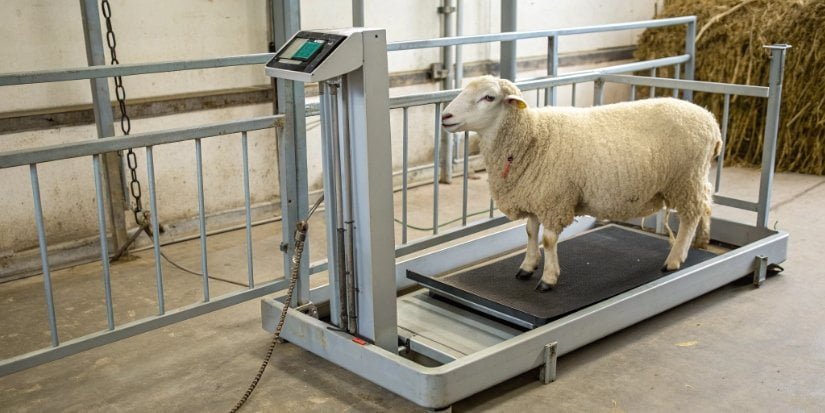
In my experience, precision is everything. While traditional methods like using a weight tape to measure the heart girth exist, they are often just estimates. They can be a starting point, but they lack the accuracy needed for serious farm management. An error of a few kilograms can mean the difference between profit and loss, especially when dealing with medication or performance metrics. This is where technology steps in. Modern electronic scales3, like the ones we've developed for various industries, provide pinpoint accuracy. This data is not just a number; it is a vital tool. You can track feed conversion ratios, identify underperforming animals early, and administer healthcare with confidence. For software developers, this is a clear opportunity. Integrating our high-precision scales with farm management software creates a powerful system that turns raw weight data into actionable insights for the farmer.
| Method | Accuracy | Use Case | Data Integration |
|---|---|---|---|
| Weight Tape | Low (Estimate) | Quick, rough field checks | Manual entry only |
| Electronic Scale | High (±0.5kg) | Health checks, performance tracking | Seamlessly with software |
| Visual Guess | Very Low | Not recommended | None |
How to take care of sheep for beginners?
Feeling overwhelmed as a new sheep owner? It's easy to make costly mistakes when you're just starting out. Following a few fundamental principles can set you up for success.
For beginners, successful sheep care boils down to mastering the basics. Provide adequate space (1.5-2 m² per sheep), constant access to clean water, proper shelter, and a consistent, balanced diet. Start small to learn their needs before expanding.
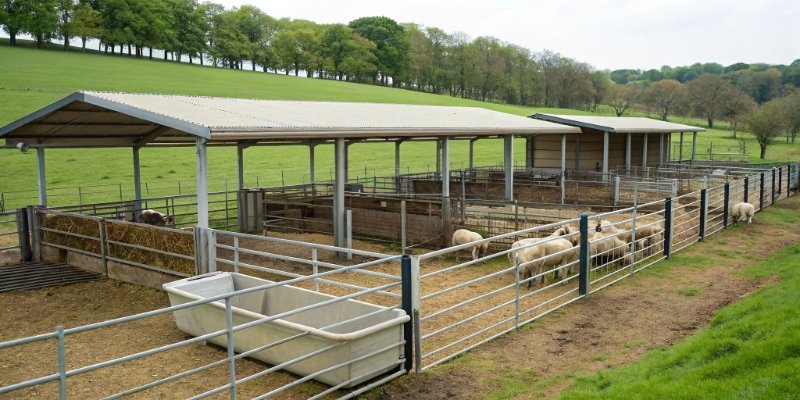
When you're new to something, it's best to keep it simple. Based on what we've learned from our agricultural clients, a solid foundation is crucial. First, think about your space. Each sheep needs enough room to move around comfortably without stress. Your setup should include a shelter to protect them from harsh sun and rain, along with dedicated feeders and waterers that are easy to clean. A wet, dirty environment is a breeding ground for health problems. Second, establish a routine. Sheep thrive on predictability. Daily checks allow you to spot any issues, like an animal that is isolated or not eating, before they become serious. This hands-on approach is where you truly learn about your flock. Think of it like a quality control process, something we live by in our manufacturing facility. Every product we ship goes through rigorous checks, and your flock deserves the same attention to detail.
Key Areas for Beginner Focus
- Shelter and Space: Ensure it's dry, well-ventilated, and spacious enough.
- Water and Feed: Provide clean water at all times and place feed in troughs to avoid contamination.
- Health Checks: Regularly observe your flock for any signs of limping, coughing, or unusual behavior.
What is the best feed to put weight on sheep?
Are you spending too much on feed without seeing results? Your sheep's diet is the engine of their growth. Using the wrong fuel means you're burning money and stalling progress.
The best feed to put weight on sheep is a high-energy ration where concentrates make up 60-70% of the diet. This typically includes corn and soybean meal. For simple maintenance, a diet of over 70% roughage like alfalfa or hay is sufficient.
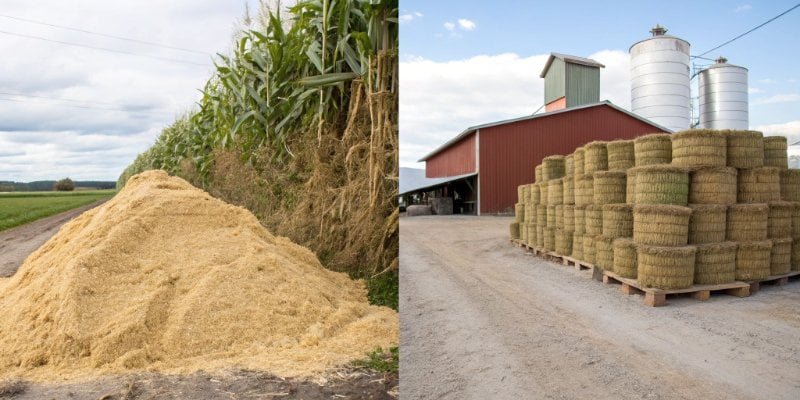
From our work in providing weighing solutions, we know that inputs directly affect outputs. This is especially true with animal nutrition. The feed you provide depends entirely on your goal. Are you in a fattening period4 aiming for market weight, or are you just maintaining the health of a breeding ewe5? These two goals require very different nutritional strategies. For rapid weight gain, you need energy-dense feeds. However, simply providing high-energy feed is not enough. You must monitor how the sheep respond. This is where regular weighing becomes critical. By tracking weight every two weeks, you can see if your feed strategy is working. If an animal is eating well but not gaining weight, it could signal a health issue like internal parasites. Without accurate weight data, you're just guessing.
| Diet Type | Primary Goal | Concentrate Ratio | Roughage Ratio | Example Feeds |
|---|---|---|---|---|
| Fattening | Rapid Weight Gain | 60% - 70% | 30% - 40% | Corn, Soybean Meal |
| Maintenance | Health & Upkeep | < 30% | > 70% | Alfalfa, Hay, Silage |
| Breeding (Late) | Fetal Growth | 40% - 50% | 50% - 60% | Add 0.5kg concentrate |
How many sheep should a beginner start with?
Are you wondering how many sheep to get for your first flock? Starting too big can lead to chaos and financial strain. But starting too small can be inefficient and lonely for the sheep.
A beginner should start with a small, manageable flock of 3 to 5 ewes. This number is small enough to learn the ropes of feeding, health, and management without becoming overwhelmed, while also satisfying the sheep's natural herding instinct.
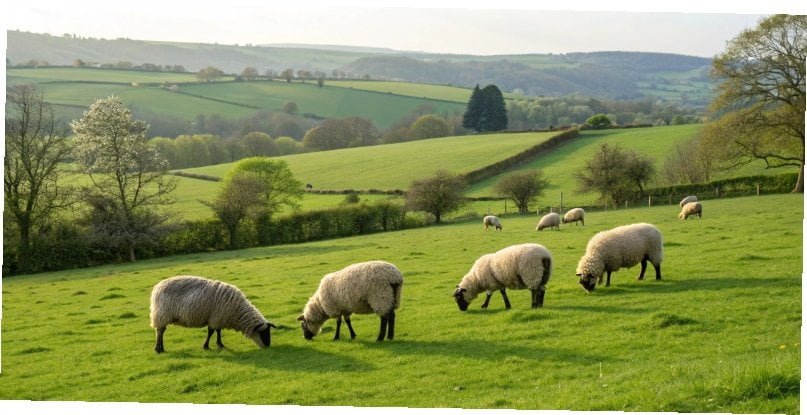
Starting small is a smart business decision. In our 18 years of manufacturing, we have always advised clients to start with pilot projects6 before scaling up. The same logic applies here. Sheep are social animals, so you should never start with just one. A small group of 3 to 5 allows them to exhibit natural flock behavior, which reduces stress. For you, it's the perfect number to master your daily routines. You can learn each animal's personality and quickly notice if something is wrong. It also keeps your initial investment in feed, fencing, and equipment low. As you gain confidence and your systems become more efficient—including how you track weight and manage data—you can then make an informed decision to expand. This step-by-step growth model minimizes risk and sets you up for long-term success, turning a hobby into a profitable venture.
Conclusion
Mastering sheep weight requires a system. Success comes from combining the right nutrition, environment, and precise data from regular weighing to ensure both animal health and your farm's profitability.
-
Find out strategies to minimize feed costs while maintaining sheep health and productivity. ↩
-
Explore effective strategies for managing sheep weight to enhance farm profitability and flock health. ↩
-
Discover how electronic scales can provide accurate data for better livestock management and profitability. ↩
-
Learn about the optimal feeding strategies during the fattening period for sheep. ↩
-
Discover the nutritional needs of breeding ewes to ensure healthy offspring. ↩
-
Learn how starting with pilot projects can help new sheep farmers minimize risks. ↩



Comments (0)