

Are you getting frustratingly inconsistent readings from your scale? These errors disrupt production and can compromise the quality of your final product, costing you money and time. Understanding the science behind these errors makes troubleshooting simple.
The most common causes for inaccurate scale readings are calibration errors, environmental interference like temperature or vibration, and improper operator use. These factors disrupt the scale's sensitive electromagnetic force sensor, leading to incorrect calculations and displaying a weight that isn't true.
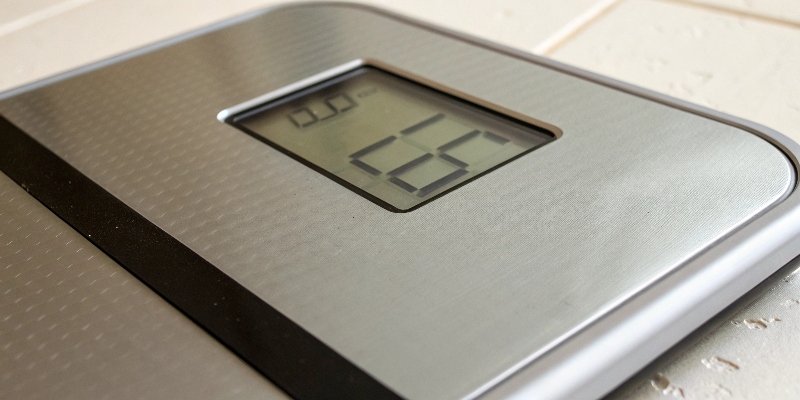
Now you know the main culprits behind those frustrating numbers. But just knowing isn't enough. We need to dig deeper into why these things cause problems. I’ve spent 18 years in this industry, and I’ve seen it all. Let's break down the science and create a clear plan. This will help you diagnose and fix these issues quickly, so you can get back to what matters: running your business efficiently.
What scientific principles explain the most common causes of weighing errors?
You see a wrong number on the display and have no idea why. Randomly guessing the cause wastes time and can lead to even bigger problems. Knowing the core scientific principles helps you pinpoint the exact issue every time.
Most modern scales use a principle called Electromagnetic Force Compensation. The scale balances your object's weight with an opposing magnetic force. Errors happen when things like temperature changes, air currents, or vibrations interfere with this delicate balance, causing inaccurate electrical signals and wrong readings.

Let's dive a little deeper into this. Think of it like a see-saw. On one side is the object you're weighing, pushing down due to gravity. On the other side is an electromagnet, pushing up. The scale's job is to apply the perfect amount of electrical current to the electromagnet to make the see-saw perfectly level. The amount of electricity it uses is directly proportional to the object's weight. This is a very precise system, but it's also very sensitive. Any outside force can throw off this perfect balance.
Calibration Drift
Calibration is how we teach the scale what "zero" is and what "100 grams" is. Over time, electronic components can age, and mechanical parts can shift slightly. This causes the scale's understanding of weight to "drift." It's like a clock that starts running a little slow. You have to reset it. That's why regular calibration with standard, known weights is so important. It re-establishes the correct baseline for all measurements.
Environmental Interference
Your scale's environment is the biggest source of random errors. Here’s a simple breakdown of the main culprits:
| Interference | Scientific Reason |
|---|---|
| Temperature | Affects the electrical resistance of circuits and the strength of the electromagnet. A sudden change can cause readings to drift up or down. |
| Air Currents | A simple draft from a door or an HVAC vent is like a tiny wind pushing on the weighing pan. The sensitive sensor reads this as added or reduced weight. |
| Vibration | Footsteps or nearby machinery can shake the scale. This physical movement creates "noise" in the sensor's signal, making the reading unstable. |
| Static Electricity | Especially in dry air, static can build up. This creates an invisible force that can push or pull on your sample, skewing the result. |
What is a systematic approach to troubleshooting inaccurate scale readings?
Your scale is off, and you're not sure where to even start looking. A haphazard approach can easily miss the real issue, costing you valuable production time. Having a simple, step-by-step checklist solves the problem fast.
Start with the basics first. Check if the scale is level, clean, and properly warmed up. Then, perform a calibration with certified weights. If the issue continues, isolate environmental factors like drafts or vibrations before you even think about a hardware failure.

Over the years, I've developed a simple process that solves 90% of accuracy issues without needing to call a technician. It’s about being methodical and not jumping to conclusions. By following these steps in order, you can efficiently find and fix the root cause of the problem. This saves you from the frustration of trying random things and hoping one of them works. Let's walk through my go-to troubleshooting process.
Step 1: Check the Foundation
Before you suspect a complex problem, always check the simple things.
- Is it level? Look for the bubble level on the scale. If it's not centered, adjust the feet until it is. An unlevel scale won't distribute weight correctly.
- Is it clean? Check under and around the weighing pan. Debris, dust, or residue can obstruct movement and affect the reading.
- Is it warmed up? Electronic scales need time for their components to reach a stable operating temperature. My insights from our production lines show that 30 minutes is a good rule of thumb.
Step 2: Calibrate Correctly
If the basics are covered, your next step is always calibration. This resets the scale’s internal reference points.
- Use the right weights. Always use standard, certified calibration weights. Using an object that you think weighs a certain amount isn't good enough.
- Follow the procedure. Run the scale's internal calibration procedure1. Check for any error messages during the process. A scale that fails to calibrate is a big red flag for a more serious issue.
Step 3: Isolate the Environment
If calibration doesn't fix it, the problem is likely in the room, not the scale.
- Stop the air. Close nearby doors and windows. Temporarily turn off fans or air conditioning vents that blow on the scale.
- Stop the shaking. Make sure the scale is on a sturdy, stable table. Avoid weighing when heavy machinery is running nearby.
How can you differentiate between a scale malfunction and an external interference?
So, is the scale actually broken, or is it just the room? You don't want to pay for a costly repair if the only thing you needed to do was close a window. A few simple diagnostic tests can quickly tell you the difference.
A consistent, repeatable error after multiple calibrations often points to a scale malfunction. In contrast, readings that are unstable, drift randomly, or change when the environment changes strongly suggest external interference like drafts, vibration, or static electricity.
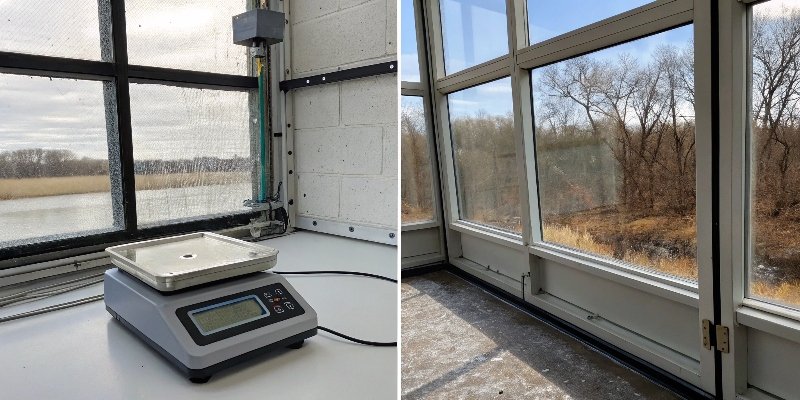
This is one of the most common questions our clients ask. They see a bad number and immediately assume their expensive equipment has failed. But more often than not, the scale is just reacting to a poor environment. Learning to distinguish between these two scenarios is a critical skill. It will save you a lot of time and money in the long run. I'll show you two easy tests I use to quickly get to the bottom of it.
The Consistency Test
This test checks if the error is predictable or random.
- Calibrate the scale carefully.
- Place a test weight on the pan and record the reading.
- Remove the weight, let the scale return to zero, and repeat the process 5 times.
If the error is always the same (e.g., it reads 100.2g for a 100g weight every single time), the problem is likely internal, such as a calibration issue or a component fault. If the readings are all over the place (e.g., 99.8g, 100.3g, 100.1g), the cause is almost certainly external interference.
The Isolation Test
This test proves if the problem is with the scale or its location.
- Note the inaccurate behavior at its current location.
- Carefully move the scale to a completely different environment. A quiet office with no drafts or vibrations is a good choice.
- Let it warm up, level it, and run your tests again.
If the problem disappears in the new location, you've proven that the original environment is the issue. If the same problem follows the scale to the new location, then the scale itself is the likely source of the error and may need service.
| Symptom | Likely Cause |
|---|---|
| Drifting or unstable readings | External Interference (air, vibration) |
| A consistent error that is always the same | Malfunction / Calibration Issue |
| Readings change when someone walks by | External Interference (vibration) |
| Fails the calibration process repeatedly | Malfunction |
| Works fine in one room but not another | External Interference |
Which environmental factors have the biggest impact on scale accuracy?
You know the environment matters, but which factors are the most critical to control? Focusing on the wrong thing won't fix your accuracy problems and just wastes your effort. Prioritizing these few key factors will get you stable readings.
The top three environmental culprits that impact scale accuracy are temperature fluctuations, air currents, and physical vibrations. These directly interfere with the scale's sensitive internal mechanism, causing the sensor to misread the force of gravity and produce inaccurate results.
In our manufacturing facility, we control our testing environment down to the degree. While you may not need that level of control, understanding what to focus on is key. You can make huge improvements to your weighing accuracy2 just by managing a few variables. Don't try to control everything at once. From my experience, if you can get these main factors under control, you will eliminate the vast majority of environment-related weighing errors.
Temperature Swings
Stable temperature is crucial. It's not necessarily about being hot or cold, but about being consistent. Rapid temperature changes cause the metal and electronic components inside the scale to expand or contract, which alters their properties and throws off the reading.
- Ideal Range: Aim for a stable room temperature between 18-25°C (65-77°F).
- What to Avoid: Placing the scale in direct sunlight, near an HVAC vent, or next to equipment that produces heat.
Air Currents and Vibration
These two are grouped together because they both apply a physical force to the weighing pan, which the scale misinterprets as weight. Even a tiny, imperceptible force can create a big error on a high-precision scale.
- Air Currents: A draft from an open door, a window, or even a person walking by can push on the pan. Using a draft shield3 is the best solution for this.
- Vibration: The scale should be on a solid, heavy table that doesn't wobble. Sources of vibration can include foot traffic, nearby elevators, or heavy machinery running on the same floor. An anti-vibration table4 can solve extreme cases.
Humidity and Static
This is a sneaky one, especially when weighing plastics or fine powders.
- The Problem: Low humidity (below 40%) allows static electricity to build up easily. This static charge can create a force that either repels the sample from the pan or attracts it, making it seem lighter or heavier than it is.
- The Solution: Maintain a room humidity between 40%-60%. In very dry environments, an anti-static device or ionizer might be necessary near the scale.
Conclusion
By understanding these principles and following a systematic approach, you can solve most accuracy issues. Regular calibration and a controlled environment are your best tools for reliable, trustworthy weighing results.
-
Following the right calibration procedure is vital for accurate weight measurements. ↩
-
Explore strategies to enhance weighing accuracy and reduce errors in your operations. ↩
-
A draft shield can protect scales from air currents, ensuring more accurate measurements. ↩
-
An anti-vibration table can significantly improve scale accuracy in noisy environments. ↩

[…] A Systematic Troubleshooting Flow13 […]