
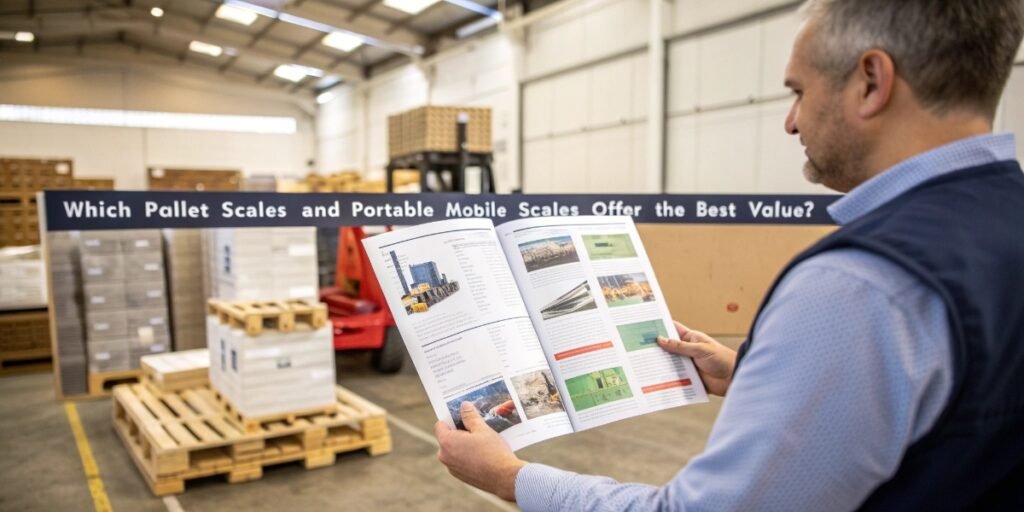
Tired of moving pallets just to weigh them? It wastes time and slows down your whole operation. Finding an efficient, affordable solution is a constant headache for warehouse managers.
For the best value, pallet jack scales are excellent for their dual-purpose mobility and weighing. They combine transport and measurement, saving space and time. To get the best deal, consider factors like capacity, accuracy, and durability for your specific environment.
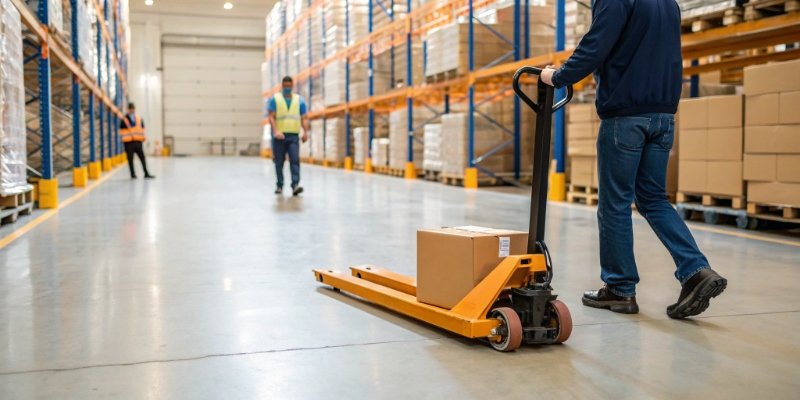
I've spent nearly two decades in the industrial scale business, and I've seen firsthand how the right equipment can transform a warehouse. Investing in the correct scale isn't just about the purchase price; it's about boosting your entire workflow and making your team's life easier. Let's dig deeper into how you can find the perfect fit for your warehouse and get the most value for your money.
What Are the Top Pallet Scales for Warehouse Managers Seeking Value?
Are you looking for a pallet scale that doesn't break the budget? Many options seem great but have hidden costs or poor durability. It's frustrating to invest in a machine that fails.
The top value pallet scales are manual pallet jack scales with integrated digital displays. They offer a great balance of affordability, mobility, and functionality for most standard warehouse tasks. Electric models offer more power but at a higher initial cost.
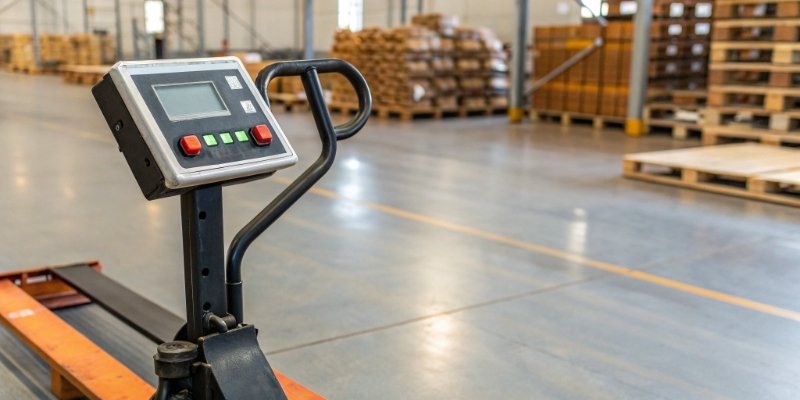
When we talk about value, we're really talking about getting the most performance for your money. In the world of pallet scale1s, this choice often comes down to manual versus electric models2. Each has its place, and the best one for you depends entirely on your daily operations. I've helped countless managers make this decision, and it always starts with a clear look at their needs.
Manual Pallet Jack Scales: The Workhorse
These are the most common and cost-effective mobile scales3. They are simple, tough, and require very little maintenance. You operate them just like a standard pallet jack, but with the added benefit of an instant weight reading. They are perfect for warehouses with flat concrete floors and where staff are moving loads under 2,000 kg. Their simplicity is their strength; fewer moving parts means fewer things can go wrong.
Electric Pallet Jack Scales: The Powerhouse
If your team deals with heavier loads, ramps, or high-volume turnover, an electric model is a fantastic investment. The electric drive reduces operator fatigue, which boosts productivity and safety over a long shift. The initial cost is higher, and you need to manage battery charging, but the efficiency gains can provide a quick return on investment in a busy environment.
Quick Comparison
| Feature | Manual Pallet Jack Scale | Electric Pallet Jack Scale |
|---|---|---|
| Initial Cost | Low | High |
| Mobility | Excellent | Excellent (Powered) |
| Operator Effort | Higher | Lower |
| Maintenance | Minimal | Moderate (Battery, Motor) |
| Best For | Flat floors, <2000kg loads | Ramps, heavier loads, busy ops |
How Do Portable Mobile Scales Compare in Terms of Cost and Benefits?
Need to weigh items anywhere, not just on pallets? Fixed scales create bottlenecks. Moving everything to one spot is inefficient and costs you precious labor hours every single day.
Portable mobile scales, like pallet jack scales, offer huge benefits by bringing the scale to the goods. This saves time and labor. The initial cost is higher than a simple platform scale but lower than a full forklift scale, providing excellent return on investment.
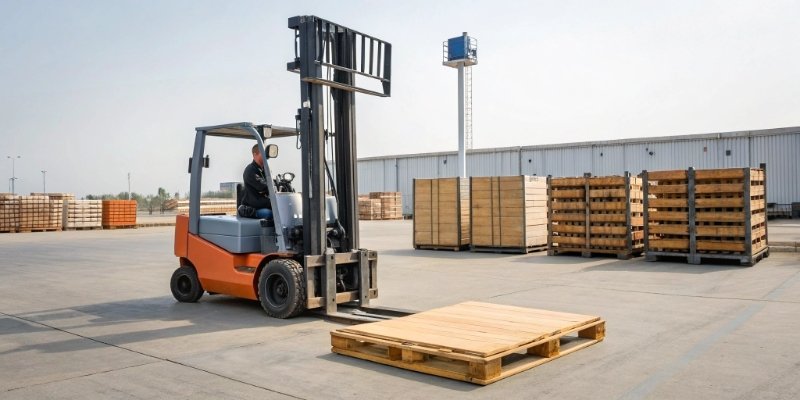
The biggest benefit of any mobile scale is simple: you stop wasting time. Every step you save is money in your pocket. Instead of a two or three-step process (pick up, move to scale, weigh, move to storage), you get a one-step process (pick up and weigh simultaneously). This is where the real value appears. But not all mobile scales are the same. I remember a client who ran a large distribution center with a rough outdoor yard. They used big diesel forklifts. A pallet jack scale wasn't right for them. For their workflow, a custom forklift scale4 was the better value because it attached directly to their existing heavy-duty equipment.
Pallet Jack Scales for Indoor Efficiency
These are the king of the smooth, flat warehouse floor. They are nimble, easy to use, and don't require any special training beyond what your team already knows about pallet jacks. They are an all-in-one solution that solves the "weigh and move" problem for a moderate cost.
Forklift Scales for Heavy-Duty Work
If your operation relies on large forklifts, especially in mixed indoor/outdoor environments, a forklift scale is the logical choice. This is more of a custom solution where the weighing mechanism is integrated into the forklift's forks. It's a higher-cost item but incredibly powerful, as it adds weighing capability5 to your most powerful lifting machines.
Cost and Benefit Breakdown
| Aspect | Pallet Jack Scale | Forklift Scale |
|---|---|---|
| Environment | Best for smooth, indoor concrete floors | Versatile for both indoor/outdoor use |
| Integration | Standalone, all-in-one unit | Attaches to your existing forklift |
| Cost | Moderate | High (often a custom solution) |
| Flexibility | Great for navigating tight spaces | Utilizes power of existing equipment |
| Value | Solves moving and weighing in one step | Adds weighing to heavy-duty lifting |
Which Factors Should Warehouse Managers Consider When Selecting Scales for Best Value?
Worried you will choose the wrong scale? A bad purchase means wasted money and operational headaches. It is a decision with long-term consequences for your team's efficiency and your bottom line.
To get the best value, look beyond the price tag. Key factors include weighing capacity, accuracy needs, durability for your environment, battery life, and the quality of after-sales support. A cheap scale that breaks down is no value at all.
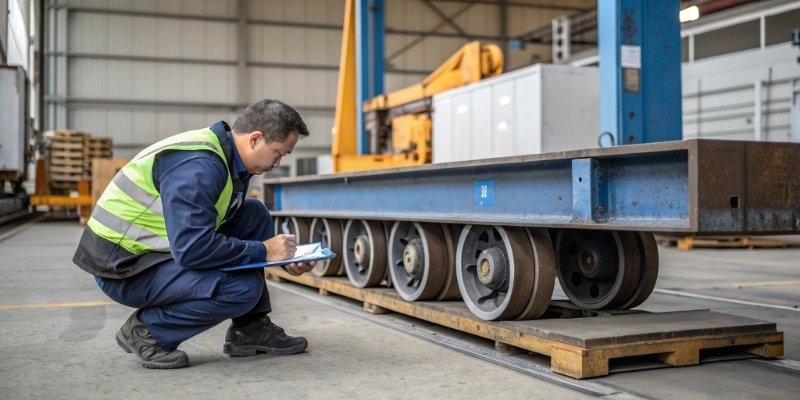
Finding the best value isn't about finding the lowest price. It's about finding the most reliable and suitable tool for the job that will last for years. Over my career, I've developed a checklist of factors that every manager should consider before making a purchase. This ensures you buy a scale that works for you, not against you.
Capacity and Accuracy
First, know the maximum weight of the pallets you handle and add a 20% buffer for safety. Don't pay for a 5,000 kg capacity6 if you never lift more than 1,500 kg. Also, check what level of accuracy7 you need. For internal logistics, standard accuracy is fine. If you are billing based on weight, you may need a "trade-approved" or certified legal-for-trade scale.
Durability and Environment
Look at your warehouse floor. Is it smooth and clean, or is it dusty with uneven sections? You need a scale built to withstand your specific conditions. Look for solid steel construction8, high-quality load cells, and durable wheels that can handle your environment.
Power and Battery Life
For any mobile scale, battery life9 is critical. The scale should be able to last a full work shift on a single charge. Ask about charging time and if spare, swappable batteries are an option. Nothing stops work faster than a dead battery.
Service and Support
This is a big one. What happens if the scale has an issue? A low price is meaningless if you can't get support. At Weigherps, we stand behind our products with a 12-month after-sales service guarantee because we know that uptime is critical. A reliable partner is part of the value.
What Are the Best Practices for Choosing Economical Pallet and Mobile Scales in Warehouses?
Don't want to overspend on features you will never use? Choosing an economical scale can feel like a gamble. Making the wrong choice can set your budget and your operations back significantly.
Best practices include assessing your real daily needs, not just perceived ones. Get quotes from multiple suppliers, but prioritize reliability and support over the absolute lowest price. Always request a demo or check detailed reviews to understand real-world performance.

Choosing an economical scale is a smart business decision. This means being strategic, not just cheap. A methodical approach ensures you get a tool that pays for itself in saved time and labor for years to come. Here is the simple, four-step process I recommend to all my clients.
Step 1: Analyze Your Workflow
Before you even look at a catalog, watch your team. Where are your biggest delays? How many times is a pallet moved just for weighing? Document this process. Knowing your exact pain points helps you see exactly where a mobile scale will provide the most benefit. This analysis justifies the investment.
Step 2: Define Your "Must-Have" Specs
Using the factors from the previous section, create a simple checklist. What is your required capacity? What level of accuracy do you need? Do you need a printer or data output? This list keeps you focused and prevents you from paying extra for fancy features you don't need.
Step 3: Compare Total Cost of Ownership (TCO)
The sticker price is just the beginning. A better way to measure value is the Total Cost of Ownership. This includes the initial price plus potential maintenance, battery replacements, and the cost of downtime if the unit fails. A slightly more expensive but reliable scale from an experienced manufacturer often has a much lower TCO over its lifetime.
Step 4: Verify Supplier Credibility
Finally, check out the company you are buying from. Do they have a track record? At Weigherps, we have 19 years of OEM/ODM production experience. We have international certifications like CE and a strict quality control department that tests every single unit before it leaves our factory. A credible supplier provides peace of mind, not just a product.
Conclusion
Choosing the right pallet or mobile scale boosts efficiency and provides real value. Focus on your specific workflow, durability, and supplier support to make a smart, long-term investment for your warehouse.
-
This resource provides essential tips for selecting the right pallet scale for your warehouse. ↩
-
Find out how electric models can enhance productivity and reduce operator fatigue in your warehouse. ↩
-
Discover how mobile scales can streamline your operations and save valuable time. ↩
-
Learn how custom forklift scales can enhance your heavy-duty operations and improve efficiency. ↩
-
Understanding weighing capability can help you choose the right equipment for your needs. ↩
-
Understanding capacity is crucial for selecting the right scale; this resource can guide your decision. ↩
-
Discover why accuracy matters in weighing and how it impacts your operations and costs. ↩
-
Discover how steel construction contributes to the durability and reliability of pallet scales. ↩
-
Battery life is critical for mobile scales; this resource can help you make an informed choice. ↩



Comments (0)