

Struggling with corrosive chemicals? Using a regular scale is a gamble. One spill could destroy your equipment, compromise safety, and halt production with inaccurate results.
You should not use a regular digital scale for corrosive chemicals. They lack the necessary protection, leading to corrosion, inaccurate readings, and potential safety risks. Instead, you need a specialized anti-corrosion scale designed for harsh environments.

This direct answer might seem simple, but the reasons behind it are critical for your operation's safety and efficiency. I've been in this industry for 18 years, and I've seen firsthand what happens when the wrong tool is used for such a demanding job. A regular scale's internal components, like the load cell1 and electronics, are extremely vulnerable to damage from corrosive liquids or even fumes. This damage isn't always visible right away. It can lead to slow, creeping inaccuracies that compromise your quality control before the scale fails completely. Let's break down why this is so important and what you need to do to protect your process.
What precautions should be taken when using corrosive chemicals?
Handling corrosive chemicals feels like walking a tightrope. One wrong move can cause severe burns or destroy your expensive equipment. Simple precautions are your best safety net.
Always wear proper Personal Protective Equipment (PPE) like gloves, goggles, and lab coats. Use a fume hood for ventilation. Avoid direct contact between chemicals and the scale by using appropriate, non-reactive containers. Ensure you have an emergency spill kit nearby.
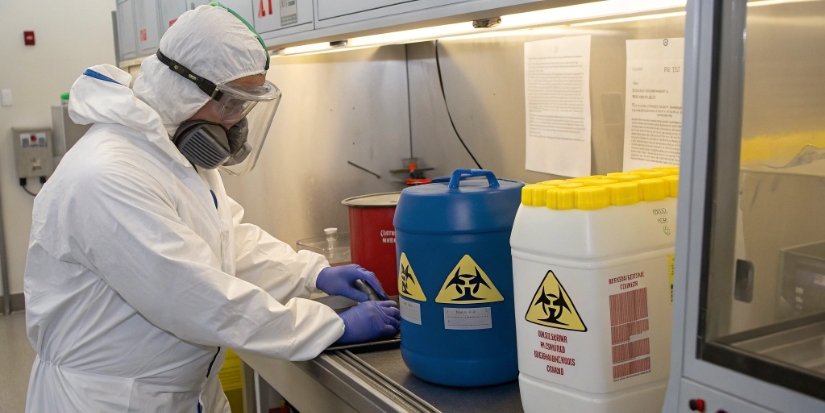
Following these precautions is non-negotiable. It's about more than just equipment; it's about people's safety. I remember visiting a client's facility where a technician had a minor acid spill while weighing. Because they had the right procedures and PPE in place, it was just a quick cleanup with a spill kit. Without those protocols, it could have been a trip to the emergency room and a ruined scale. Let's break down the key safety layers you must have in place.
Key Safety Measures
Your first line of defense is always personal protection. This means ensuring every team member is equipped and trained. But physical barriers and environmental controls are just as important for creating a truly safe workspace.
Environmental and Equipment Protocols
Beyond PPE, your work environment needs to be prepared for handling hazardous materials. This involves both how you perform tasks and having the right equipment ready for any situation.
| Precaution Type | Specific Actions | Why It's Important |
|---|---|---|
| Personal | Wear chemical-resistant gloves, safety goggles, lab coats. | Prevents dangerous skin and eye contact with chemicals. |
| Environmental | Work in a well-ventilated area or under a fume hood2. | Reduces inhalation of toxic or corrosive fumes. |
| Procedural | Use secondary containment; never pour directly over the scale. | Prevents spills from damaging the scale or work surface. |
| Emergency | Keep spill kits and eyewash stations accessible and visible. | Allows for immediate response to accidents, minimizing harm. |
Adopting these steps creates a culture of safety that protects both your team and your investment in precision equipment.
What can affect digital scales?
Are you frustrated by inconsistent scale readings? These fluctuations can ruin products and waste money. It might not be the scale's fault; many hidden factors affect accuracy.
Many factors affect a digital scale’s accuracy. These include environmental conditions like temperature fluctuations and air drafts, physical issues like vibrations or an unlevel surface, and direct threats like chemical spills, moisture, or overloading the weighing sensor.
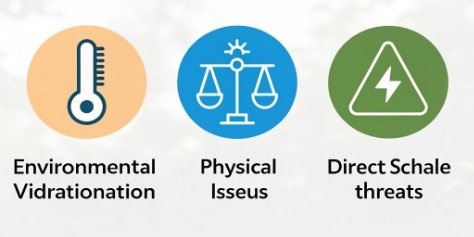
In my experience, about half the "faulty scale" service calls we get are actually due to environmental factors. A scale is a precision instrument, and it's extremely sensitive to its surroundings. I once visited a customer whose scale was giving wild readings. After checking the calibration, we found it was placed right next to a large air conditioning vent. The constant, gentle airflow was enough to push on the weighing pan and throw off the measurements. It's often the simple things that have the biggest impact.
Internal vs. External Factors
It’s helpful to think about threats in two categories: those from the environment around the scale, and those from how you use the scale. Both can be controlled with awareness and proper procedures.
Common Culprits of Inaccuracy
Here’s a breakdown of what to watch out for. Protecting your scale from these influences is just as important as performing regular calibration. An unstable environment will undermine even the most perfectly calibrated instrument.
| Factor Category | Specific Examples | Impact on Scale |
|---|---|---|
| Environmental | Air drafts, rapid temperature changes | Causes readings to fluctuate and drift over time. |
| Physical | Uneven surfaces, vibrations from machinery | Prevents the load cell from settling, causing unstable readings. |
| Chemical | Spills, corrosive fumes, high humidity | Damages sensors and internal electronics, leading to failure. |
| User Error | Overloading, dropping items onto the pan | Can permanently damage the sensitive load cell mechanism. |
By controlling the scale's environment and using it correctly, you can ensure you get the reliable and repeatable measurements your process depends on every single time.
What should you use to weigh chemicals on a scale?
Weighing reactive chemicals is tricky. The wrong container can contaminate your sample, skew results, or even cause a dangerous reaction. Choosing the right vessel is a crucial step.
Always use an inert container, such as a glass beaker, a porcelain dish, or a compatible plastic weighing boat. The material must not react with the chemical you are weighing. Never place chemicals directly onto the scale's weighing pan.

Choosing the right weighing vessel is a fundamental lab skill, but it’s often overlooked in fast-paced industrial settings. From my 18 years in this business, I've seen customers try to save a few cents by reusing weighing boats, only to ruin a batch of product worth thousands of dollars because of contamination. You have to think of the container as part of your measurement system, not just a bucket. Its properties directly affect the quality of your result.
The Importance of Inert Materials
"Inert" simply means the container material won't react with your chemical. This is critical for preventing two major problems: contamination of your sample and unexpected, potentially hazardous chemical reactions.
Choosing Your Weighing Vessel
Your choice depends on the chemical's properties—like its corrosivity and temperature—and the quantity you're weighing. Here's a quick guide to common options available.
| Vessel Type | Best For | Key Considerations |
|---|---|---|
| Glass Beakers/Flasks | Liquids, non-reactive solids, heated samples | Heavy and stable. Use borosilicate glass for heat resistance. |
| Porcelain Crucibles | High-temperature applications, strong chemicals | Very durable and highly resistant to chemical attack. |
| Plastic Weighing Boats | Small quantities of powders/solids | Inexpensive and disposable, but always check for chemical compatibility3. |
| Stainless Steel Dishes | Non-corrosive general-purpose weighing | Reusable and durable, but not suitable for most acids or strong bases. |
Always verify the chemical compatibility of your container before you start weighing. This simple check protects your sample, your scale, and most importantly, your staff.
What is the best strategy to avoid contact with corrosive chemicals?
Worried about spills and contact with corrosive chemicals? One accident can injure your team and destroy your equipment. A proactive strategy is your best line ofd efense.
The best strategy is a combination of engineering controls, administrative procedures, and proper equipment choice. Use anti-corrosion scales with high IP ratings, follow strict handling protocols, and ensure all staff are thoroughly trained on safety procedures.
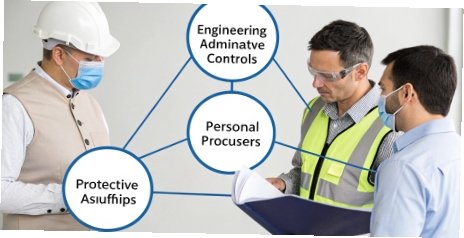
At Weigherps, our philosophy is about building reliability directly into the system. You can't just rely on people to be careful 100% of the time; humans make mistakes. You need equipment that is designed for the reality of your environment. That's why we champion a multi-layered approach to safety. By starting with the right tool for the job—a scale built to resist chemicals—you create a much more forgiving and safer system overall. A robust scale is your best foundation.
A Three-Tiered Defense System
Protecting your assets and team isn't about a single solution; it's about building layers of defense. This approach, often called the "Hierarchy of Controls4," is a proven and effective method for minimizing risk in any industrial environment.
Breaking Down the Strategy
Let's look at how these three tiers work together to create a safe and efficient weighing process when dealing with corrosive substances.
| Strategy Tier | Description & Examples | Goal |
|---|---|---|
| Engineering Controls | Use equipment designed for the hazard. This means IP65+ rated scales and 304 or 316 stainless steel bodies. | Physically isolate the hazard from people and sensitive electronics. |
| Administrative Controls | Implement safe work practices like mandatory training, clear SOPs, and using weighing vessels. | Change the way people work to reduce exposure and risk. |
| Personal Protective Equipment (PPE)5 | Provide and enforce the use of gloves, goggles, and aprons for a final barrier. | Protect the user from contact if other controls fail. |
By starting with strong engineering—a robust, anti-corrosion scale—you build a foundation of safety that makes every other precaution you take more effective and reliable.
Conclusion
In short, using a regular scale for corrosive chemicals is a risk not worth taking. Investing in a purpose-built, anti-corrosion scale protects your people, your product, and your profit.
-
Understanding load cells is key to grasping how scales measure weight accurately. ↩
-
Find out how fume hoods can prevent exposure to toxic fumes and enhance safety. ↩
-
Knowing compatibility helps avoid dangerous reactions and ensures safe handling. ↩
-
Understanding this hierarchy can help you implement effective safety measures. ↩
-
Explore the critical PPE needed to protect yourself from hazardous materials. ↩



Comments (0)