

Choosing the wrong truck scale can be a costly mistake. You might pay for features you don't need or get inaccurate readings. Let's find the perfect weighing system for you.
A weighbridge, also known as a truck scale, weighs the entire vehicle at once for maximum accuracy. An axle scale weighs each axle separately and is more portable. The best system depends on your specific needs for accuracy, budget, and portability.
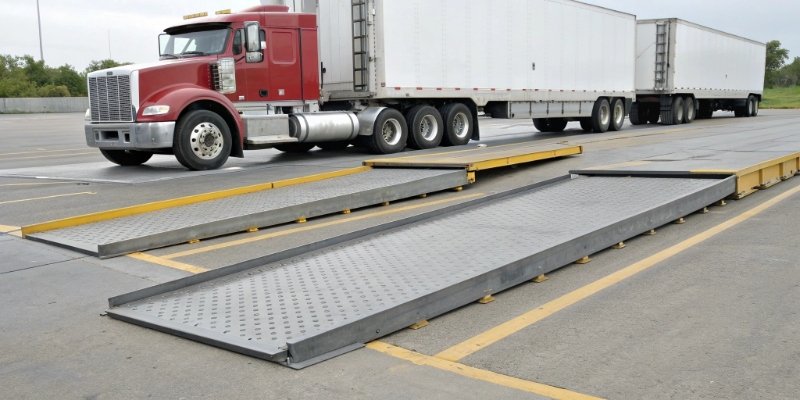
Choosing the right scale is a big decision for any business. I've been in the industrial weighing1 industry for 18 years, and I've helped countless clients navigate this choice. Making the right decision from the start saves you time, money, and a lot of headaches in the long run. To help you make the smartest choice for your operation, we need to break down the details of each system. Let’s dive in and explore the key differences so you can feel confident in your investment.
What is the difference between a truck scale and a weighbridge?
The terms "truck scale" and "weighbridge" are often used for the same thing. This can make buying the right equipment confusing. Let's clarify what these terms mean today.
In the modern weighing industry, there is no real difference. "Weighbridge" is the globally recognized term, while "truck scale" is more common in North America. Both refer to a large platform scale designed to weigh an entire vehicle at once. They are the same thing.
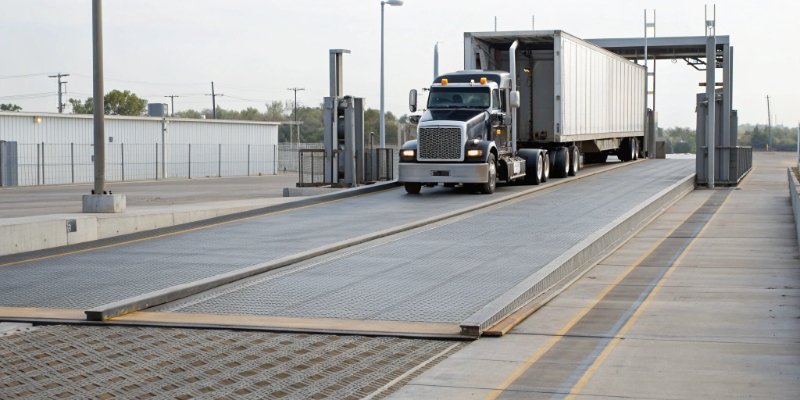
Many years ago, the terms might have had slightly different meanings. The word "weighbridge2" originally comes from a time when bridges over canals had weighing mechanisms to tax barges. Later, it described the large, mechanical scales set into the ground. The term "truck scale3" became popular in countries like the United States as road transport grew.
Today, these two terms mean the same thing. They both describe a large, permanently installed scale. It's built on a concrete foundation and uses electronic load cells4 to get a very precise weight. As a manufacturer, we use the term "weighbridge" because it's understood worldwide, but we know many of our clients simply call it a truck scale.
The Modern Definition
When we talk about a weighbridge or truck scale, we mean a system with these parts:
- A solid concrete foundation.
- A steel or concrete deck that the truck drives onto.
- Multiple load cells underneath the deck that measure the weight.
- An electronic terminal that shows the final weight.
This setup is designed for one purpose. It weighs the entire truck, including its cargo, in a single measurement. This is why it is the most accurate method available.
| Term | Common Region | Modern Meaning |
|---|---|---|
| Weighbridge | Global / UK / Europe | A platform scale for weighing entire vehicles. |
| Truck Scale | North America | A platform scale for weighing entire vehicles. |
What is the axle weight system on a truck?
You need to weigh trucks but don't have the space or budget for a full weighbridge. This can stop you from checking for overload fines. An axle weight system is your perfect, portable solution.
An axle weight system, or axle scale, is a portable or semi-permanent scale that weighs a truck one axle at a time. The truck drives over the scale, stopping to weigh each axle. The system's software then adds up these weights to find the total.
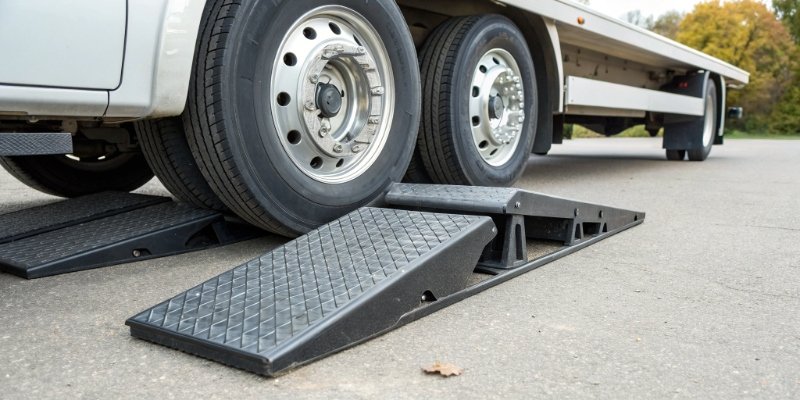
An axle scale5 is a very different tool from a weighbridge. Instead of a giant, fixed platform, it usually consists of one or two small, rugged pads. I remember a client in the logging industry who worked in remote forest areas. A full weighbridge was impossible for them. We set them up with a durable portable axle scale system. It completely changed their operation. They could finally maximize their loads without risking fines on the main roads. This is the exact problem axle scales are designed to solve. They offer flexibility and mobility that a traditional weighbridge cannot.
How it Works
The process is simple. The driver slowly moves the truck so the first axle is on the pads. The weight is recorded. Then, the driver moves forward to the next axle, and the process is repeated. Finally, the system's software adds up the weight of each axle to calculate the Gross Vehicle Weight (GVW)6.
There are two main types of axle scales:
- Portable Axle Pads: These are lightweight, battery-powered pads that you can place on any flat, hard surface. They are ideal for spot-checking loads in different locations.
- In-Ground Axle Scales: These are installed permanently in the road but are much smaller than a full weighbridge. They weigh axles as the truck drives slowly over them (weigh-in-motion7).
Which unit would you use to measure the weight of a truck?
You are getting weight data from different regions. Using the wrong units can cause huge errors in your billing, data analysis, and compliance checks. Let's review the standard units for truck weighing.
Trucks are usually weighed in kilograms (kg) or tonnes (t) in metric-system countries. In the United States, they are weighed in pounds (lb) or US tons (short tons). The correct unit depends on your region and industry rules. It's critical to be consistent.
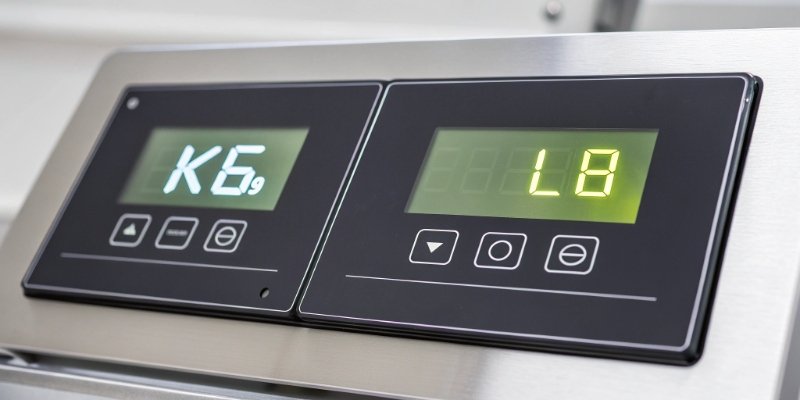
As a software provider, your clients look to you for data integrity. A mix-up between a metric tonne (1,000 kg) and a US short ton (907 kg) can lead to a 10% error in billing or inventory. This is a critical detail. Your software must be able to handle and convert these units correctly. When we design our scales, we make sure our indicators and software can easily switch between units. This prevents confusion and ensures our clients can work with partners anywhere in the world. It is important to clarify which unit is being used in any transaction.
Global Standards vs. Regional Habits
Most of the world uses the metric system8 for trade. However, the United States still uses the imperial system9. It’s important to know the difference, especially when dealing with international shipments.
| Unit | Abbreviation | System | Approx. Equivalent | Common Use Case |
|---|---|---|---|---|
| Kilogram | kg | Metric | 2.204 lb | Global standard for precise measurement. |
| Tonne (Metric) | t | Metric | 1,000 kg / 2,204 lb | Bulk material, international trade. |
| Pound | lb | Imperial | 0.453 kg | Common in the United States. |
| Ton (US) | ton | Imperial | 2,000 lb / 907 kg | Bulk material in the United States. |
What is the accuracy of a weighbridge?
You need weights for legal trade and billing. Any inaccuracy can lead to lost income or big legal problems. Let's discuss the high accuracy of a certified weighbridge and why it matters.
A properly installed and certified weighbridge is extremely accurate. Its accuracy is usually within ±0.1% of the total weight. For a 40,000 kg truck, this means the reading is accurate to within 40 kg. This makes it a "legal-for-trade" device.

"Legal-for-trade" is a very important term. It means the scale is accurate and reliable enough to be used for commercial transactions, like buying or selling goods by weight. Certifying bodies like OIML (globally) or NTEP (in the US) set these standards. Our scales are built to meet these international certifications. At our factory, every single weighbridge is tested by our quality control department before it ships. We test the load cells, the software, and the overall structure to guarantee it meets these high standards.
Factors Affecting Accuracy
A weighbridge's accuracy is much higher than an axle scale's. An axle scale's accuracy is typically around ±1% to 2% because it adds multiple weights together. Small shifts in the truck's position can affect the reading. A weighbridge avoids this by weighing everything at once. Its accuracy depends on:
- A strong and level foundation.
- High-quality, certified load cells.
- Regular calibration and maintenance.
This table shows a clear comparison:
| Scale Type | Typical Accuracy | Best Use Case |
|---|---|---|
| Weighbridge | ±0.1% | Billing, selling goods, high-volume sites. |
| Axle Scale | ±1% to 2% | Checking for overload fines10, remote job sites. |
Conclusion
No single system is "best". A weighbridge offers maximum accuracy for legal trade. An axle scale provides excellent portability for compliance checks. The best choice depends entirely on your business needs.
-
Stay updated on the latest advancements in industrial weighing technology for better operations. ↩
-
Explore this link to understand the functionality and benefits of weighbridges in various industries. ↩
-
Learn about the distinctions and similarities between truck scales and weighbridges for better decision-making. ↩
-
Gain insights into the technology behind load cells and their role in accurate weight measurement. ↩
-
Find out how axle scales work and their advantages for portable weighing solutions. ↩
-
Understand the significance of GVW in transportation and compliance regulations. ↩
-
Discover how weigh-in-motion technology enhances efficiency in weight measurement. ↩
-
Discover the importance of the metric system in global trade and its application in weighing. ↩
-
Understand the differences between the imperial and metric systems for accurate weight conversions. ↩
-
Learn about the risks of overload fines and how proper weighing can prevent them. ↩



[…] Multiple separate weighing pads5 […]