
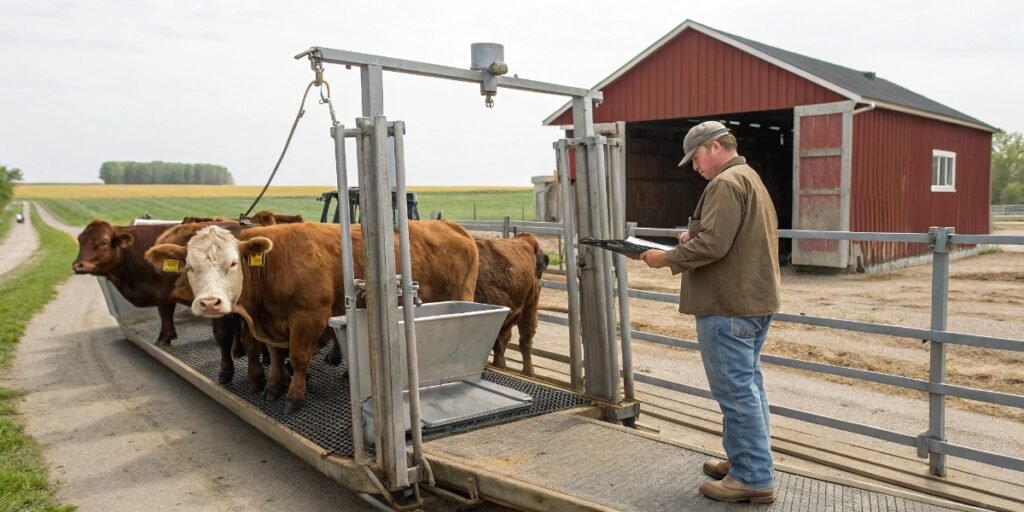
Struggling with slow and stressful livestock weighing? This old method hurts your animals and your data accuracy. Technology now offers a better way to get the information you critically need.
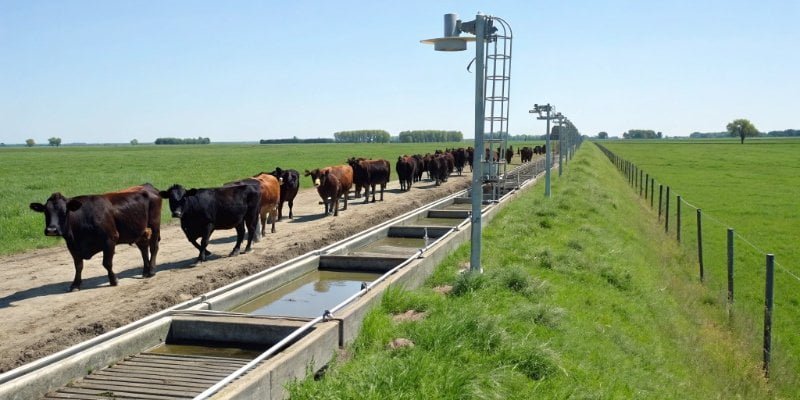
Weighing in Motion (WIM) technology is the solution. It uses advanced scales and sensors to automatically weigh animals as they walk a path, like to a water trough. This eliminates manual handling, reduces animal stress, and provides accurate, real-time weight data for superior farm management.
For 18 years, I've seen countless operations try to perfect their weighing process. The old ways were always a compromise between speed, accuracy, and animal welfare. It’s hard to appreciate how much things have changed without first understanding the old struggles. So, let’s explore the core challenges that farmers have faced for decades. This will show why new technology isn't just a small improvement; it's a complete game-changer for the industry.
What are the challenges of livestock weighing?
Getting large, unpredictable animals to stand still on a scale is difficult. This process creates stress for both the animal and the handler, often leading to inaccurate results and safety risks.
The primary challenges of traditional livestock weighing are animal stress, which affects weight and health, significant labor and time costs, and safety hazards for staff. These factors make manual weighing inefficient and unreliable for modern farming.
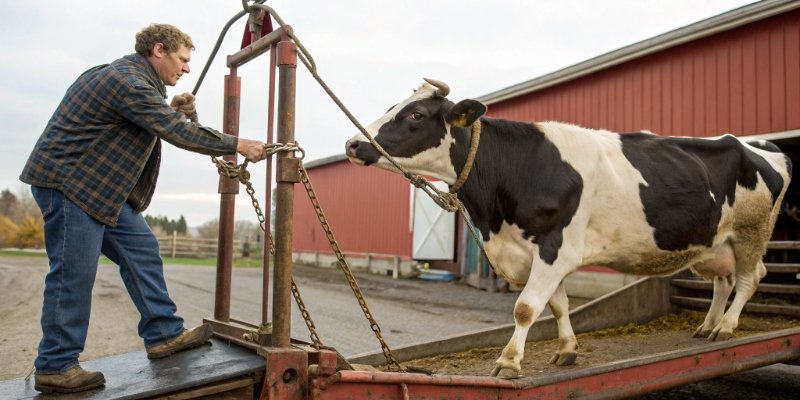
In my experience working with our clients, these challenges are not just small annoyances; they directly impact the farm's bottom line. Let's break down these problems further to understand their full effect. The goal of weighing is to gather precise data, but the traditional process itself often gets in the way of achieving that goal. It’s a classic case of the measurement method affecting the outcome.
The Core Difficulties in Detail
The act of moving animals from a pasture, through a chute, and onto a scale is filled with obstacles. Each step introduces a variable that can compromise the data quality. It's a system with many points of failure.
| Challenge | Description | Impact on Farm |
|---|---|---|
| Animal Stress | Forcing animals into a confined space causes fear and agitation. Stress hormones can lead to temporary weight loss, known as "shrink". | Skewed weight data, potential health issues, and reduced meat quality. |
| Labor Intensive | Manual weighing requires multiple staff members to herd, manage, and record data for each animal. This process must be repeated regularly. | High labor costs1 and time taken away from other essential farm tasks. |
| Data Inaccuracy | An animal that is moving or kicking on the scale will not give a steady, accurate reading. Manual recording can also lead to human error. | Poor decisions on feed, health treatments, and sale times. |
| Safety Risks | Stressed animals are unpredictable and can injure handlers. The equipment itself can also pose risks if not maintained or used correctly. | Staff injuries, lost work time, and potential liability issues. |
These are the fundamental reasons we at Weigherps have invested so heavily in developing automated and remote weighing technologies. We aim to remove these barriers for our partners.
Why is it important to know the estimated body weight of farm animals and the practical way of measuring it?
You can't manage what you don't measure. Guessing an animal's weight leads to wasted feed, missed health problems, and selling at the wrong time, all of which reduce your farm's profit.
Knowing an animal's body weight is crucial for optimizing feed, monitoring health, and maximizing market value. The most practical way to measure it is with automated systems that capture data frequently and without causing stress to the animal.

Accurate weight data is more than just a number; it is the foundation for almost every major decision on a modern farm. It informs everything from daily rations to long-term genetic planning. When we provide weighing solutions, our goal is to give our clients the power of information. With precise data, a farmer moves from reacting to problems to proactively managing their herd for peak performance and profitability.
The Power of Precise Weight Data
Regular and accurate weight measurements provide actionable insights that directly translate into a more efficient and profitable operation. It turns animal husbandry from an art into a science. Here are the key areas where this data makes a difference.
Optimizing Feed Conversion
The single largest cost in raising livestock is feed. By tracking weight gain against feed consumed, you can calculate the Feed Conversion Ratio2 (FCR). A lower FCR means the animal is more efficient at turning feed into body mass. With this data, you can adjust rations, identify efficient genetic lines, and significantly cut down on waste. It’s about feeding each animal exactly what it needs to thrive.
Monitoring Animal Health
Sudden weight loss is one of the earliest indicators of illness, often appearing before any other visible symptoms. An automated system that weighs animals daily can flag an individual that has lost weight, allowing for immediate intervention. This early detection can be the difference between a quick recovery and losing an animal.
Maximizing Market Value
Processors and buyers have very specific weight ranges they prefer. Selling an animal that is underweight or overweight can result in penalties and a lower price per pound. By tracking growth curves, you can predict precisely when each animal will reach its optimal market weight, ensuring you get the best possible price for your product.
What is a weighing scale in agriculture?
Thinking any scale will work on a farm is a common mistake. Farm environments are harsh, with mud, moisture, and heavy use. A standard scale will quickly fail under these conditions.
An agricultural weighing scale is a specialized, durable device designed to accurately weigh livestock, feed, and harvests in demanding farm settings. These scales range from simple platforms to complex, automated systems integrated with management software.
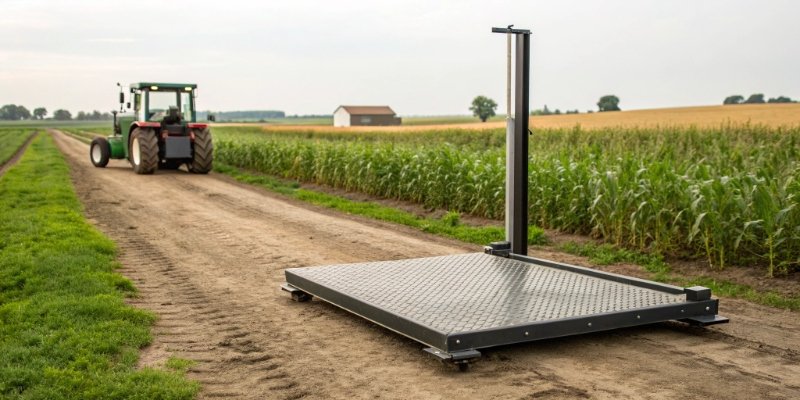
Over my career, I've seen the evolution of these tools firsthand. At Weigherps, we don't just build scales; we build solutions designed for specific agricultural challenges. The right scale is not just about measuring weight; it’s about providing reliable data day after day, year after year, no matter the conditions. It has to be tough, accurate, and easy for the farmer to use. It must be a tool that works for them, not a source of frustration.
Types of Agricultural Weighing Systems
Not all farm scales are created equal. The right choice depends entirely on the specific application, the type of livestock or product, and the farm's operational workflow. Here is a breakdown of the most common types we produce and consult on.
| Scale Type | Primary Use | Key Features |
|---|---|---|
| Platform Scales | Weighing individual stationary animals, feed bags, or small bins. | Simple, portable, and often placed on a flat, level surface. Can include a cage or pen. |
| Chute / Squeeze Chute Scales | Integrated directly into animal handling systems or chutes. | Load bars or cells are placed under the chute. It weighs the animal while it is temporarily held for other procedures. |
| Weighing in Motion3 (WIM) | Automatically weighing animals as they walk over a platform. | Low-stress, high-frequency data collection. Often placed on paths to water or feed. Ideal for IoT integration4. |
| Feed Scales | Weighing ingredients for Total Mixed Rations (TMR) on mixers or in bins. | Ensures precise feed formulation for optimal herd nutrition. Essential for cost control. |
Our focus has increasingly shifted toward WIM and other IoT-enabled systems. These technologies provide the continuous data stream needed for modern, data-driven agriculture, which our software provider partners can leverage to build powerful management platforms.
What are the benefits of weighing cattle on beef farms?
Beef farming operates on tight profit margins. Every small inefficiency, like wasted feed or selling at a suboptimal time, directly cuts into your potential earnings and can make a season unprofitable.
Regularly weighing cattle on beef farms leads to better feed efficiency, early detection of health issues, smarter breeding decisions, and maximizing profit at the time of sale. It transforms farm management from guesswork to data-driven precision.
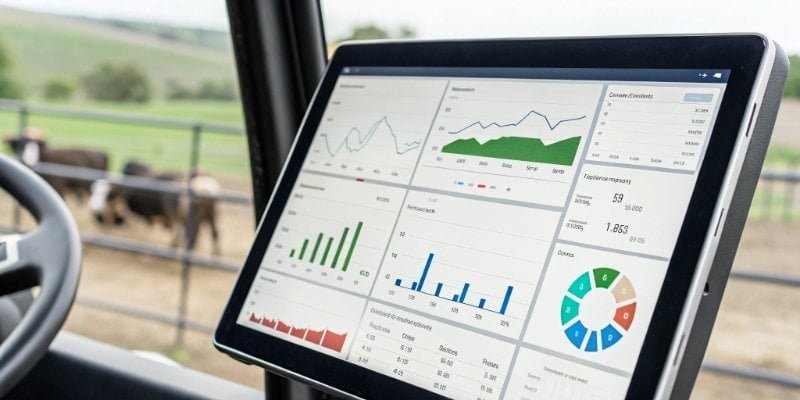
The return on investment for a good weighing system is one of the fastest on any farm. I've personally worked on projects where implementing a dynamic weighing solution paid for itself within a single season. The change is not just in profit but in how the entire operation is managed. It brings a level of control and foresight that was previously impossible.
Turning Data into Dollars
The insights gained from consistent weight data create a positive feedback loop, improving multiple areas of the farm simultaneously. This is how raw numbers on a screen become tangible economic benefits.
Real-time Data Collection and Stress Reduction
My insight from years in this field is clear: the most valuable data comes from an animal in its natural state. Dynamic weighing technology, or WIM, allows us to collect weight data in real time as cattle move. This completely replaces the traditional, stressful process of herding them into a chute. The result is not just less stress on the animal but also far more accurate and consistent data, as the "shrink" from stress is eliminated.
Growth Curve Analysis for Optimization
With a continuous stream of weight data, you can plot a growth curve for every single animal. This analysis is incredibly powerful. It allows you to see which animals are performing best on a specific feed regimen, enabling you to fine-tune your feed formulas for maximum efficiency. You can also identify under-performers early and make culling decisions based on objective data, improving the overall genetic quality of your herd.
Evaluating and Improving Production Efficiency
Ultimately, weight data is the key metric for evaluating your farm's production model. By correlating weight gain with factors like feed type, genetics, and health treatments, you can identify what works and what doesn't. This allows you to optimize your breeding and finishing cycles to produce the highest quality beef in the shortest amount of time, directly increasing your farm's productivity and economic returns.
Conclusion
Traditional livestock weighing is inefficient and stressful. Modern Weighing in Motion technology provides accurate, real-time data that boosts farm efficiency, animal welfare, and overall profitability for your operation.
-
Learn about the financial implications of manual weighing and how automation can save money. ↩
-
Understanding FCR can help optimize feed efficiency and reduce costs. ↩
-
Explore how WIM technology can revolutionize livestock weighing, enhancing accuracy and reducing stress. ↩
-
Discover how IoT technology enhances data collection and farm management. ↩


Comments (0)