

Slow checkout lines and pricing errors frustrate customers and hurt your business. Manual weighing and data entry are inefficient, leading to lost revenue and unhappy shoppers who might not return.
Intelligent weighing software streamlines retail operations by integrating with POS systems. This technology increases accuracy, speeds up transactions, and enhances customer satisfaction. AI-powered scales can even identify items automatically, reducing training time for employees and improving the overall customer experience.
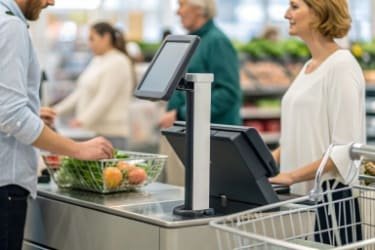
This technology is a game-changer for retailers. By automating the weighing and pricing process, you can significantly reduce human error and improve efficiency. Imagine a seamless checkout process where items are weighed, identified, and paid for in a single step. This not only saves time but also provides valuable data for inventory management1 and business decisions2. For you, as a purchasing manager or technical director, this means a more reliable and cost-effective solution. Let's explore how this technology can revolutionize your retail operations and give you a competitive edge.
What are the advantages of a digital weighing scale?
Manual scales can be slow and inaccurate. This leads to pricing mistakes and long customer queues, creating a frustrating experience for everyone involved and potentially costing your business money.
Digital weighing scales offer superior accuracy and speed, ensuring fair pricing and efficient checkouts. They often integrate with POS systems, automating data entry and reducing human error for a smoother, faster transaction process.
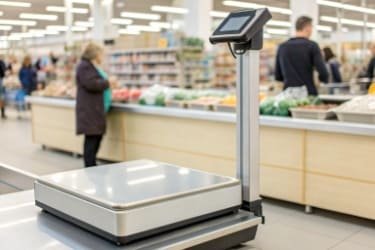
As someone who has been in the industrial scale manufacturing business for 19 years, I've seen the transformative impact of digital technology firsthand. Early in my career, I visited a large supermarket chain that was struggling with checkout efficiency3. They were using traditional mechanical scales, and the process was painfully slow. Each item had to be weighed manually, and the cashier had to key in the price. The potential for error was huge, and customer complaints were common.
We provided them with our latest digital weighing scales4 that integrated directly with their POS system. The change was immediate. The scales provided precise measurements, and the automated data transfer eliminated keying errors. Checkout times were cut in half, and customer satisfaction5 soared. This experience solidified my belief in the power of digital weighing solutions to enhance retail operations.
A key benefit of digital scales is their ability to provide precise and consistent measurements. This is crucial in retail, where even small inaccuracies can lead to significant financial losses over time. Let's look at a breakdown of the core advantages:
| Feature | Advantage | Impact on Your Business |
|---|---|---|
| High Accuracy | Eliminates guesswork and ensures customers are charged the correct price. | Increased customer trust6 and reduced revenue loss from undercharging. |
| POS Integration | Automates the transfer of weight and price data to the checkout system. | Faster transaction times, reduced manual entry errors, and streamlined operations. |
| Data Recording | Captures sales data7 for inventory management and analysis. | Better stock control, reduced waste, and informed business decisions. |
| Ease of Use | Simple interfaces require minimal training for employees. | Faster employee onboarding and increased operational efficiency8. |
By adopting digital weighing scales, you are not just upgrading your hardware; you are investing in a more efficient and profitable retail environment.
What benefits do IoT enabled smart shelves provide in retail?
Running out of popular items frustrates customers and means lost sales. Manually tracking inventory is time-consuming and prone to errors, making it difficult to keep shelves stocked with what shoppers want.
IoT-enabled smart shelves provide real-time inventory data, sending alerts when stock is low. This automated system helps prevent out-of-stock situations, improves inventory management, and offers valuable insights into consumer behavior.

I remember working with a software service provider who was developing a new retail management solution. They wanted to incorporate cutting-edge technology to give their clients a competitive advantage. We introduced them to the concept of IoT-enabled smart shelves9, a technology we were integrating into our weighing systems.
We set up a pilot program in a partner retail store. The smart shelves, equipped with our weight sensors, tracked inventory levels in real-time. The system automatically generated reorder alerts to the store's procurement department when stock for a popular beverage dropped below a certain threshold. The result was a significant reduction in out-of-stock instances and a noticeable increase in sales for that product category. The software provider was thrilled and made smart shelf integration a key feature of their new system.
This technology offers a wealth of benefits that go beyond simple inventory tracking. By understanding how smart shelves work, you can appreciate their full potential.
How Smart Shelves Revolutionize Retail Operations
Smart shelves use a combination of technologies to monitor inventory and gather data. Here’s a closer look at how they function and the benefits they provide:
- Weight Sensors: These sensors are placed on the shelves and detect changes in weight as items are removed or added. This provides a constant and accurate count of the products on the shelf.
- RFID Tags: Each item can be fitted with an RFID tag. Scanners on the shelves read these tags, providing precise information about which specific items are being moved.
- Data Analytics: The data collected from the sensors and tags is sent to a central system for analysis. This is where the true power of smart shelves is unlocked.
The insights gained from this data can be used to optimize various aspects of your retail business:
| Data Insight | Business Application | Outcome |
|---|---|---|
| Real-time stock levels | Automated reordering and replenishment alerts. | Reduced out-of-stock situations and improved customer satisfaction. |
| Product movement analysis | Insights into which products are frequently picked up but not purchased. | Better product placement and marketing strategies. |
| Theft detection | Alerts for unusual or large-scale removal of items. | Reduced shrinkage and improved store security. |
By leveraging IoT-enabled smart shelves, you can create a more efficient, responsive, and customer-centric retail environment.
What are the advantages of weighing by difference?
Inaccurate measurements of small quantities can lead to significant errors in production or pricing. Traditional weighing methods can be affected by container weight and substance residue, compromising precision.
Weighing by difference is a highly precise method that minimizes errors by measuring the weight change in the container. This technique cancels out calibration and container weight errors, making it ideal for applications requiring high accuracy.

In my years of developing weighing solutions, I've encountered numerous clients in the pharmaceutical and chemical industries where precision is paramount. One particular client, a manufacturer of specialized chemical compounds, was facing challenges with product consistency. Their process involved adding very small amounts of several key ingredients to a larger batch.
Their existing direct weighing method was not providing the required accuracy. We introduced them to a system that utilized the weighing-by-difference method. By measuring the weight of the ingredient container before and after dispensing, they were able to determine the exact amount of substance added, eliminating errors from material sticking to the container. This simple change in methodology dramatically improved the consistency and quality of their final product.
This method is not just for laboratories; it has practical applications in retail as well, especially for high-value, low-weight products.
Understanding the Precision of Weighing by Difference
The principle behind weighing by difference10 is straightforward yet powerful. Instead of placing a substance on a scale to measure its weight directly, you measure the difference in the weight of the container before and after the substance is removed. This approach systematic eliminates several common sources of error.
Here's how it benefits your operations:
- Eliminates Tare Errors: Since you are measuring the difference, the actual weight of the container is irrelevant, removing any inaccuracies associated with taring the scale.
- Cancels Calibration Errors: Any minor error in the scale's zero point is canceled out during the subtraction process, leading to a more accurate final measurement.
- Accounts for Material Loss: This method accurately measures the amount of substance that has been transferred, accounting for any residue left in the container.
| Weighing Method | Key Characteristic | Best For |
|---|---|---|
| Direct Weighing | Simple and fast. | General purpose weighing where high precision is not critical. |
| Weighing by Difference | High precision and minimizes errors. | Applications requiring exact measurements of small quantities. |
For a software vendor serving clients in industries where precision is key, understanding and incorporating solutions that support weighing by difference can provide a significant competitive advantage.
What are the benefits of retail information system?
Managing a retail business without a centralized system is chaotic. Disconnected data makes it difficult to track sales, manage inventory, and understand customer behavior, leading to poor decision-making.
A retail information system integrates various aspects of your business, from sales and inventory to customer management. This provides accurate, real-time data, enabling better decision-making, improved efficiency, and enhanced customer service.
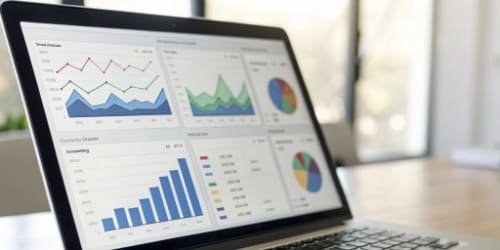
I once worked with a growing retail chain that was struggling to manage its expanding operations. They had separate systems for sales, inventory, and customer data, and nothing was integrated. The purchasing manager spent days trying to reconcile inventory levels with sales data to make informed ordering decisions. It was a manual and error-prone process.
We provided them with a customized weighing solution that seamlessly integrated with a comprehensive retail information system11. The impact was immediate and profound. The system provided a unified view of their entire operation. The purchasing manager could now access real-time sales and inventory data from all their stores on a single dashboard. This allowed for more accurate forecasting, optimized stock levels, and a significant reduction in both overstocking and stockouts. The company's profitability improved, and they were able to continue their expansion with a solid, scalable foundation.
For a software vendor, offering a solution that integrates seamlessly with a retail information system is not just a feature; it's a necessity.
The Power of Integrated Data
A retail information system serves as the central nervous system of your business. By bringing together data from different departments and functions, it provides a holistic view of your operations. This integrated approach allows you to make smarter, data-driven decisions.
Here's a breakdown of the key benefits:
- Accurate Inventory Management: Real-time tracking of stock levels across all locations helps prevent stockouts and reduces carrying costs.
- Improved Sales and Customer Service: Access to customer purchase history and preferences allows for personalized marketing and better customer service.
- Efficient Operations: Automating tasks like reordering and reporting frees up valuable time for your staff to focus on more strategic activities.
- Informed Decision-Making: Comprehensive reports and analytics provide valuable insights into sales trends, product performance, and customer behavior12.
| System Feature | Business Benefit | Customer Impact |
|---|---|---|
| Centralized Database | A single source of truth for all business data. | Consistent and accurate information across all touchpoints. |
| Real-time Reporting | Immediate access to sales, inventory, and customer data. | Faster response to customer needs and market changes. |
| Integration Capabilities | Seamless connection with other systems like weighing scales and POS. | A smoother and more efficient checkout and shopping experience. |
By harnessing the power of a retail information system, you can transform your business, driving growth, and profitability.
Conclusion
Intelligent weighing software streamlines retail, boosting accuracy and speed. This enhances customer satisfaction and provides valuable data for smarter business decisions, ultimately leading to increased efficiency and profitability for your business.
-
Explore effective inventory management strategies to optimize stock levels. ↩
-
Discover the impact of data on informed business decision-making in retail. ↩
-
Find effective strategies to enhance checkout efficiency and reduce wait times. ↩
-
Understand how digital weighing scales can improve accuracy and efficiency in retail. ↩
-
Find strategies to enhance customer satisfaction and loyalty in retail environments. ↩
-
Learn strategies to build and maintain customer trust in retail environments. ↩
-
Understand how to leverage sales data for effective inventory control. ↩
-
Explore factors that contribute to enhanced operational efficiency in retail. ↩
-
Learn how IoT-enabled smart shelves can revolutionize inventory tracking. ↩
-
Explore the precision benefits of the weighing by difference method in retail. ↩
-
Understand how a retail information system can streamline business operations. ↩
-
Discover methods to analyze customer behavior for better marketing strategies. ↩


Comments (0)