

Struggling to see how weighing scales are more than just for weight? It’s a common misconception. Many see a scale and think only of simple measurements, missing the bigger picture of how integrated software transforms production lines.
Industrial intelligent weighing software is a game-changer. It moves beyond basic functions, collecting and processing data from every production step. This smart system acts like an intelligent computer, managing everything from raw materials to final checks, boosting efficiency and precision across industries.

I remember visiting a client's factory years ago. They were a growing food and beverage company, but their production line1 was constantly hitting bottlenecks. They had scales, of course, but each one was an island. Data was recorded manually, leading to errors and wasted time. It was a classic case of having the tools but not the system to connect them. This experience opened my eyes to the power of integrated weighing solutions. It’s not just about the weight; it’s about what you do with that information. That’s where the real revolution is. Their story is a perfect example of why moving from isolated measurements to a networked, intelligent system is crucial for any modern manufacturer who wants to grow.
What are the applications of weighing machines?
Feeling like your production process is a puzzle with missing pieces? Manual data entry from scales can be slow and riddled with errors, hurting your efficiency. It's frustrating when you know there's a better way to manage your operations.
Weighing machines have a wide range of applications that can streamline your workflow and boost productivity. They are essential tools in various sectors, including manufacturing, logistics, and quality control, for tasks like inventory management, shipping, and ensuring product consistency.
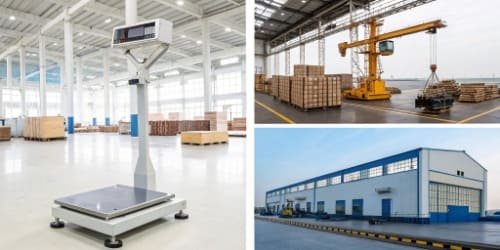
I once worked with a software company that was developing a new smart device. They were meticulous about the quality of their components, but their inventory management2 was a mess. They were relying on manual counts and estimates, which led to stockouts and production delays. We introduced them to counting scales3, and it was a revelation for them. These scales could quickly and accurately determine the quantity of small components based on their weight, which streamlined their inventory process and saved them countless hours of manual labor. This experience taught me that even in high-tech industries, the right weighing solution can make a world of difference.
The Power of Precision in Production
In today's competitive market, precision is not just a desirable trait; it's a necessity. Weighing machines are the unsung heroes of many industries, ensuring that every product that leaves the factory meets the highest standards of quality and consistency. They are involved in every step of the production process, from measuring raw materials4 to weighing finished goods. For example, in the food and beverage industry, scales are used to ensure that every package contains the correct amount of product, which is crucial for both customer satisfaction and profitability. In the pharmaceutical industry, precision weighing5 is even more critical, as even a tiny error in measurement can have serious consequences.
Streamlining Operations with Smart Solutions
Modern weighing machines are more than just simple measuring devices; they are intelligent tools that can be integrated into your existing workflow to provide real-time data and insights. When connected to a central software system, these scales can automate many of the tedious and error-prone tasks that are currently done manually. Imagine a world where your inventory is automatically updated every time a new shipment arrives, or where your production line is automatically flagged if a product is outside of the acceptable weight range. This is the power of smart weighing solutions6. They can help you to:
| Benefit | Description |
|---|---|
| Increase Efficiency | Automate data collection7 and reduce manual labor. |
| Improve Accuracy | Eliminate human error and ensure precise measurements. |
| Enhance Quality Control | Monitor product consistency8 and identify issues in real-time. |
| Optimize Inventory | Maintain accurate stock levels and prevent shortages. |
By embracing this technology, you can transform your production process from a series of disconnected steps into a seamless and efficient operation.
What is the real life application of weight?
Do you ever stop to think about how often we rely on weight in our daily lives? It's easy to take for granted, but the ability to measure weight accurately is fundamental to so many things we do, from cooking a meal to building a skyscraper. Without it, our world would be a much more chaotic and less predictable place.
The real-life application of weight is all around us, every single day. We use it to ensure fair trade, maintain our health, and create the products and structures that define our modern world. From the kitchen to the construction site, weight measurement is an essential tool for accuracy and safety.
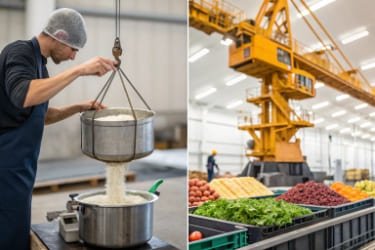
I have a friend who is a baker, and she is obsessed with precision. She once told me that the secret to a perfect loaf of bread is not just the ingredients, but the exact weight of each one. A few grams of flour or yeast can make all the difference between a light, airy loaf and a dense, heavy brick. She uses a digital kitchen scale for everything, and she swears by it. This may seem like a small thing, but it's a perfect example of how weight measurement plays a crucial role in our lives, even in the most unexpected places. It's a reminder that precision matters, whether you're baking a cake or building a bridge.
The Unseen Importance of Weight in Our World
We often don't realize how much we depend on accurate weight measurements. In the grocery store, for example, we trust that the weight of the fruits and vegetables we buy is accurate, ensuring that we pay a fair price. When we take medication, we rely on the precise weight of the active ingredients to ensure that we are getting the correct dosage. Even the buildings we live and work in are designed and constructed based on the weight of the materials used, which is essential for their structural integrity.
From Everyday Tasks to Industrial Marvels
The application of weight measurement extends far beyond our personal lives. In the world of industry and commerce, it is the backbone of countless operations. Here are just a few examples of how different sectors rely on accurate weight data:
| Industry | Application of Weight |
|---|---|
| Agriculture | Weighing crops and livestock to determine yield and value. |
| Transportation | Calculating shipping9 costs and ensuring vehicles are not overloaded. |
| Manufacturing | Controlling the quality and consistency of products. |
| Healthcare | Monitoring patient weight and administering medication. |
As you can see, the ability to measure weight is not just a convenience; it's a fundamental aspect of our modern world. It's a silent partner in our daily lives, ensuring fairness, safety, and quality in everything we do.
What are some common uses for weighing scales?
Ever wondered how that bag of coffee you bought has the perfect amount of beans, or how a massive bridge can support the weight of thousands of cars? It all comes down to the humble weighing scale. We see them everywhere, from the local market to the doctor's office, but we often overlook their incredible versatility and importance.
Weighing scales have a vast range of common uses that impact almost every aspect of our lives. They are essential for fair trade in retail, precise measurements in science and medicine, and quality control in countless industries. Essentially, anywhere that accuracy and consistency are important, you'll find a weighing scale at work.

Years ago, I was involved in a project for a large-scale recycling plant. They were facing a huge challenge in tracking the amount of waste they were processing. It was a chaotic environment, with trucks coming and going all day long. We installed a weighbridge system, which is basically a giant scale for trucks, and it completely transformed their operations. Suddenly, they had accurate data on every single load, which allowed them to optimize their processes, improve their billing accuracy, and even identify new revenue streams. It was a powerful demonstration of how a simple tool like a weighing scale can bring order to chaos and drive business growth.
The Unsung Hero of Accuracy
From the moment we wake up to the time we go to bed, weighing scales are quietly working behind the scenes to make our lives easier and safer. When we step on the bathroom scale in the morning, we're getting a snapshot of our health. When we buy a pound of ground beef at the butcher shop, we're trusting that the scale is accurate, so we're not overpaying. Even the medication we take has been carefully measured by weight to ensure its effectiveness and safety.
A World of Applications
The uses of weighing scales extend far beyond our personal lives and into the heart of commerce and industry. Here's a look at how different types of scales are used in various settings:
| Type of Scale | Common Uses |
|---|---|
| Bench Scales | Laboratories, food processing, quality control. |
| Floor Scales | Warehousing, logistics, shipping and receiving. |
| Counting Scales | Inventory management, parts packaging. |
| Crane Scales | Manufacturing, construction, shipping. |
As we can see, the weighing scale is a truly versatile tool with a multitude of applications. It's a testament to the fact that sometimes, the simplest ideas can have the most profound impact on our world.
What are industrial scales used for?
Think about the sheer scale of modern industry. From massive construction projects to the daily logistics of a global shipping company, how do they manage to keep track of everything? The answer, in large part, lies in the use of industrial scales. These are not your average bathroom scales; they are heavy-duty, precision instruments designed to handle the toughest jobs.
Industrial scales are used for a wide variety of tasks that are essential for the smooth operation of many industries. They are used to weigh raw materials, finished products, and everything in between. This data is crucial for inventory management, quality control, and ensuring compliance with safety regulations.

I'll never forget the first time I saw a weighbridge in action. I was visiting a client in the mining industry, and they had this massive platform scale that was used to weigh the trucks as they came in and out of the quarry. The sheer size of the operation was awe-inspiring, and it made me realize just how critical these scales are. Without them, it would be impossible to accurately track the amount of material being extracted, which would have a huge impact on their bottom line. It was a powerful reminder that in the world of industry, accuracy is not just a goal; it's a necessity.
The Backbone of Industrial Operations
Industrial scales are the unsung heroes of the modern economy. They play a vital role in a wide range of industries, from agriculture to waste management. In the food and beverage industry, for example, they are used to ensure that every product is filled to the correct weight, which is essential for both quality control and profitability. In the logistics industry, they are used to weigh shipments to calculate a shipping cost and to ensure that trucks are not overloaded, which is a critical safety concern.
A Diverse Range of Applications
The world of industrial scales is incredibly diverse, with different types of scales designed for specific applications. Here are a few examples:
| Type of Industrial Scale | Primary Uses | Industries |
|---|---|---|
| Weighbridges | Weighing trucks and other large vehicles. | Mining, waste management, logistics. |
| Platform Scales | Weighing pallets, crates, and other large items. | Warehousing, manufacturing, shipping. |
| Tank and Silo Scales | Measuring the weight of liquids and bulk materials. | Agriculture, chemical processing, food production. |
| Crane Scales | Weighing heavy, oversized, or awkwardly shaped loads. | Construction, manufacturing, shipping. |
As you can see, industrial scales are far more than just simple measuring devices. They are essential tools that help to ensure the efficiency, accuracy, and safety of a wide range of industrial processes. They are a testament to the power of precision and the importance of data in today's fast-paced world.
Conclusion
Industrial intelligent weighing software transforms simple scales into powerful data-driven tools. It revolutionizes production, enhances efficiency, and ensures accuracy, ultimately driving growth and profitability for modern manufacturers.
-
Discover how to optimize your production line for better performance. ↩
-
Explore effective strategies for managing inventory efficiently. ↩
-
Learn about counting scales and their applications in inventory management. ↩
-
Understand the role of raw materials in production and their impact on quality. ↩
-
Understand the importance of precision weighing in various industries. ↩
-
Explore how smart weighing solutions can enhance operational efficiency. ↩
-
Learn about the importance of data collection in enhancing operational efficiency. ↩
-
Discover the significance of maintaining product consistency for customer satisfaction. ↩
-
Learn how weight measurement can optimize shipping and reduce costs. ↩

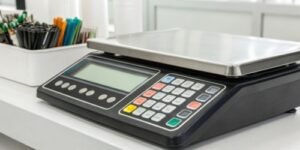
[…] client might use an IoT-enabled floor scale to weigh incoming raw ingredients, a series of intelligent bench scales4 for recipe formulation, and an in-line checkweigher on the packaging line. All these systems would […]