
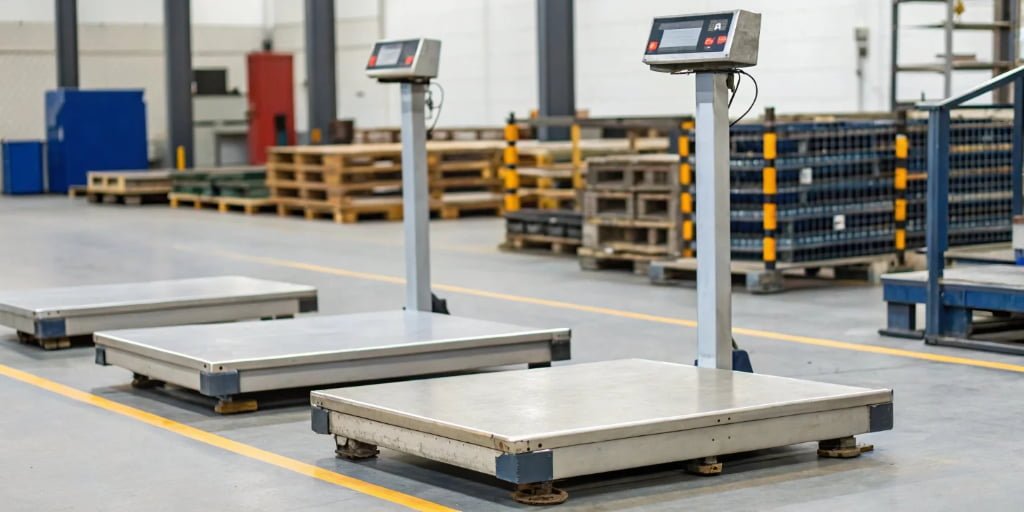
Budgeting for industrial scales can be confusing. Unexpected maintenance fees can halt operations and hurt your bottom line, but understanding the costs upfront helps you make a smarter investment.
The cost of an industrial scale can range from a few hundred dollars for a simple bench scale to over $100,000 for a complex truck scale system. Key factors influencing the price include capacity, accuracy, features, and the necessary maintenance to ensure long-term performance.

The initial price tag is just one piece of the puzzle. The true cost includes installation1, maintenance, and potential repairs over the life of the scale. To truly understand the total cost, we need to look closer at the different types of scales and their ongoing needs. Let's break it down to give you a clearer picture of what to expect so you can plan your budget effectively.
How much does a weighing scale cost?
Choosing a scale on price alone can be a costly mistake. The wrong scale leads to inaccurate readings and production delays, costing you more in the long run.
A simple bench scale might cost $200-$1,500, while a more robust floor scale can range from $1,000 to $5,000. Specialized scales, like those for hazardous areas or with advanced software integration, will have higher initial costs due to their specific engineering and components.
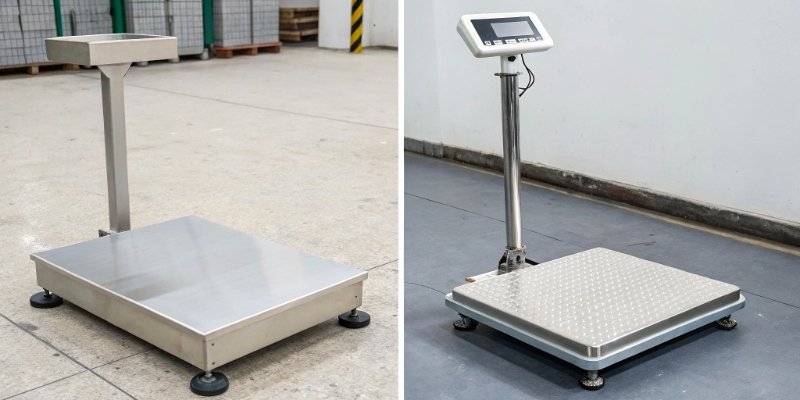
As a manufacturer with 18 years of experience, I've seen firsthand how an application dictates the price. A simple scale for a dry warehouse has different requirements than one for a food processing plant. The cost differences come down to several key factors that we always discuss with our clients to find the right fit.
Key Factors That Determine Scale Price
| Factor | Impact on Cost | Why it Matters |
|---|---|---|
| Capacity & Size | Higher capacity2 = Higher cost | Larger scales require more raw materials and stronger construction to handle heavy loads safely and accurately. |
| Accuracy | Higher accuracy3 = Higher cost | High-precision load cells and electronics are more expensive but are critical for industries like pharmaceuticals. |
| Material | Stainless steel > Mild steel | Stainless steel is required for sanitary or corrosive environments (food, chemical) and costs more. |
| Special Features | High cost for features | Features like IP ratings for water resistance, explosion-proof parts, or software APIs add to the final price. |
For example, a software vendor who needs a scale with seamless API integration for their system will require different internal electronics and development than a simple standalone scale. This influences the price. At Weigherps, our goal is to provide a solution that balances cost with your specific operational needs. We help you avoid overpaying for features you don't need while ensuring the scale performs exactly as required.
How much does scale calibration cost?
Your new scale works perfectly now, but what about next year? You worry that inaccurate scales can lead to regulatory fines, unhappy customers, and lost revenue.
Professional scale calibration typically costs between $75 and $300 per scale, depending on its capacity and the required certification level. On-site services for multiple or very large scales will have higher costs due to travel, equipment, and labor time.
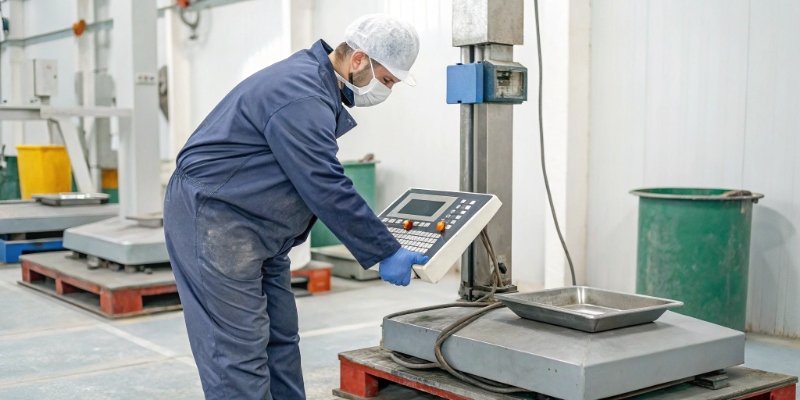
I've seen clients try to save money by skipping calibrations, and it never ends well. A logistics client once thought their floor scales were fine, but a routine check revealed they were off by 2%. That small error cost them thousands in shipping overcharges over six months. The cost of a calibration service is minor compared to such preventable losses. The frequency of calibration is just as important as the service itself, and it depends heavily on your work environment.
What Influences Calibration Frequency and Cost?
| Influencing Factor | Recommended Frequency | Cost Impact |
|---|---|---|
| High Usage | Quarterly to Monthly | Higher annual cost |
| Harsh Environment | Quarterly | Higher due to potential repairs and cleaning |
| High Accuracy Requirement | Monthly or more | Higher due to technician precision |
| Regulatory Compliance | Annually or as required by law | Standard, predictable cost |
A scale in a clean laboratory might only need an annual check. However, a scale on a dusty, high-vibration factory floor needs it quarterly to remain accurate. As a partner, we design our scales at Weigherps to be more stable, meaning they hold their calibration longer even in tough conditions. This approach helps reduce your long-term maintenance burden and keeps your operations running smoothly and profitably. We also advise clients on a smart calibration schedule4 that protects their business without unnecessary spending.
How much does it cost to put in a truck scale?
You need to weigh trucks but have no idea where to start with the cost and installation. A poorly planned installation can lead to huge budget overruns and a scale that doesn't work right.
Installing a truck scale is a major project. Costs include site preparation and foundation ($15,000 - $40,000+), the scale hardware ($25,000 - $70,000+), and installation services ($5,000 - $15,000). A complete project often starts around $50,000 and can go much higher.
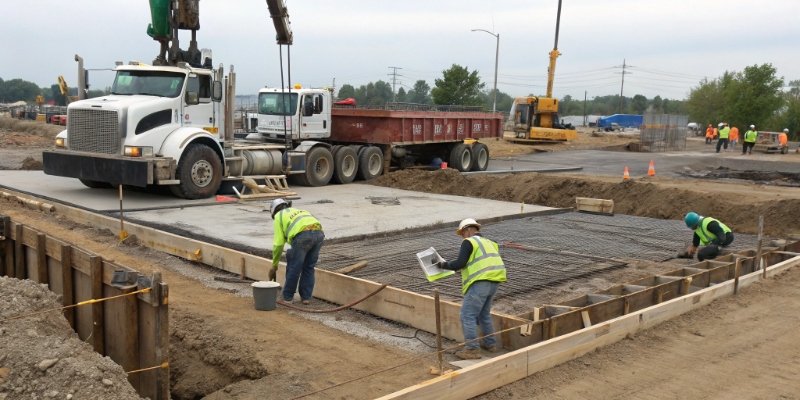
A truck scale5 is an infrastructure investment. The biggest cost variable I see with our clients is the foundation. You can choose a "pit-style" scale that sits flush with the ground. This option looks clean but requires complex concrete work and drainage, making it more expensive to build and maintain. The alternative is a "pitless" or above-ground scale. It is cheaper and easier to install but requires more physical space for the approach ramps. For a purchasing manager or technical director, another key consideration is system integration.
Breakdown of Truck Scale Installation Costs
| Cost Component | Typical Price Range | Description |
|---|---|---|
| Site Work & Foundation | $15,000 - $40,000+ | Excavation, concrete pouring, and drainage. Pit vs. pitless design heavily affects cost. |
| Truck Scale Hardware | $25,000 - $70,000+ | The actual scale deck and load cells. Steel vs. concrete and length determine the price. |
| Peripherals & Software | $2,000 - $20,000+ | Includes indicators, printers, remote displays, and management software for data integration. |
| Shipping & Installation | $5,000 - $15,000+ | Includes freight costs, crane rental for placement, and labor for assembly and calibration. |
Do you need unattended terminals for drivers to use 24/7? Do you need the weight data to flow directly into your company's ERP system6? These are the questions we at Weigherps help you answer. We customize the solution so the scale not only weighs accurately but also fits perfectly into your data workflow from day one. This holistic approach prevents costly surprises.
How much does a semi truck scale cost?
You know you need a truck scale, but the price for the hardware alone seems huge and confusing. Choosing the wrong model could mean buying a scale that can’t handle your traffic.
The hardware for a semi-truck scale typically costs between $25,000 and $70,000+. The main price drivers are its length (70 ft is standard), the deck material (steel vs. concrete), and the type and number of load cells used for weighing.
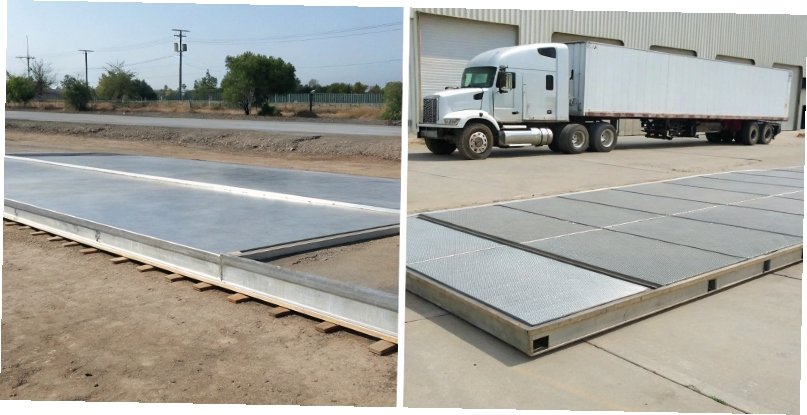
When I talk to clients about a new truck scale, the first big decision we make is about the deck: steel or concrete. This choice affects the initial cost, installation timeline, and long-term maintenance. Each has its own set of pros and cons, and the right choice depends entirely on your specific site conditions, budget, and operational needs. Understanding these differences helps you make a more informed decision.
Comparing Truck Scale Deck Types and Costs
| Deck Type | Initial Cost | Installation | Maintenance | Ideal Use Case |
|---|---|---|---|---|
| Steel Deck | Higher | Faster, as it arrives ready to be placed. | May require repainting to prevent corrosion. | High-traffic areas; locations where speed is key. |
| Concrete Deck | Lower | Slower, requires on-site concrete curing time. | Highly durable and naturally corrosion-resistant. | Corrosive environments; locations with a tighter budget. |
A steel deck truck scale costs more for the hardware and freight, but it arrives ready to be placed on the foundation, which makes installation much faster. A concrete deck scale has a lower initial hardware cost, but you have to pour concrete on-site and wait for it to cure, which adds time to the project. For your business, the right choice might depend on your client's industry. A chemical plant would benefit from a concrete deck’s corrosion resistance. A busy logistics hub would prefer a steel deck for a faster installation to minimize downtime. As your manufacturing partner, we help you weigh these pros and cons to find the most cost-effective long-term solution.
Conclusion
Understanding the full cost of industrial scales, from purchase to maintenance, is key. A reliable partner helps you balance upfront price with long-term performance, ensuring a profitable investment.
-
Get insights into the installation process to ensure a smooth setup. ↩
-
Discover how scale capacity impacts pricing and operational efficiency. ↩
-
Find out why accuracy is crucial for compliance and operational success. ↩
-
Learn how to create an effective calibration schedule to maintain accuracy. ↩
-
Explore truck scale installation costs to plan your budget accurately. ↩
-
Find out how to streamline data flow between scales and your ERP. ↩


[…] we talk about the price of the scale itself, size and capacity2 are the two biggest drivers. First, let's look at size. The standard truck scale length is often […]