
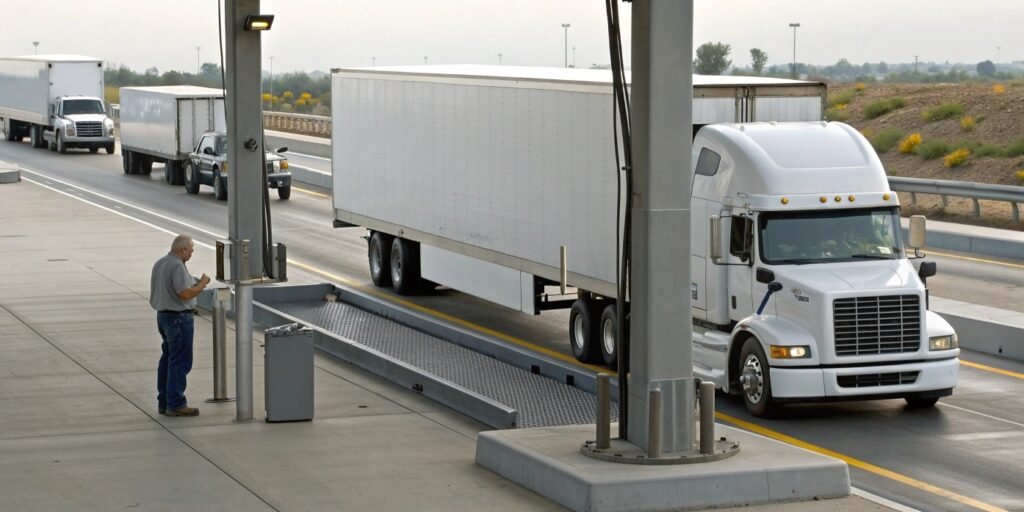
Are you struggling with logistics delays and unexpected overload fines? These issues hurt your bottom line and create unnecessary stress. A reliable truck weighing system can solve these problems.
A truck weighing system boosts efficiency, ensures legal compliance, and enhances road safety. It provides accurate, real-time weight data to prevent costly fines, optimize fuel consumption, and speed up turnaround times. This investment ultimately protects your assets, drivers, and profits.
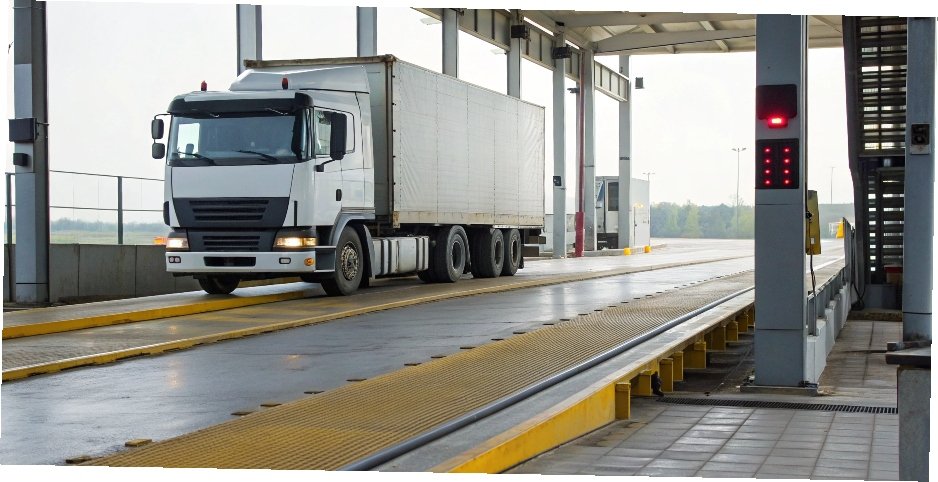
I've been in the industrial scale business for 18 years, and I've seen firsthand how companies transform their operations with the right technology. A simple change, like integrating an accurate weighing system, can have a ripple effect across the entire business. It's not just about knowing a number; it's about what you can do with that information. Let’s explore how this technology can specifically benefit you.
How do truck scales increase operational efficiency and profitability?
Are your operations slowed down by manual weighing and billing errors? These small delays add up, eating into your profits. A modern truck scale automates the process, turning that wasted time into revenue.
Truck scales increase profitability by providing fast, accurate weight data. This eliminates time spent at public weighbridges, optimizes vehicle loads for maximum revenue per trip, and prevents costly errors in invoicing. Faster operations and precise data directly translate to a healthier bottom line.
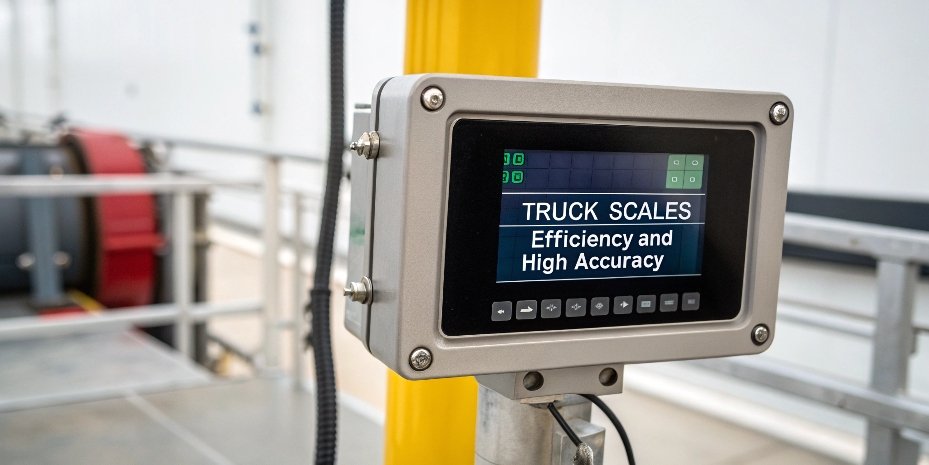
When we talk about efficiency, we're really talking about saving time and money. Every minute a truck sits idle is a loss. After helping hundreds of clients, I've found that the biggest gains come from three key areas. Getting these right can completely change your financial outlook.
Streamlining the Weighing Process
The most obvious benefit is speed. Instead of drivers waiting in line at a public weighbridge, they can be weighed on-site as part of their normal workflow. This cuts out a major bottleneck. For one of my clients in the logistics industry, installing an on-site truck scale reduced their average vehicle turnaround time by over 30 minutes. That time saved allowed them to handle more shipments per day with the same fleet, directly boosting their daily revenue. This simple change integrates weighing into your operation instead of making it a separate, time-consuming step.
Optimizing Loads and Reducing Costs
An accurate scale1 ensures every truck leaves with the perfect load. Under-loading means you're not maximizing your revenue potential for that trip. Over-loading leads to fines, increased fuel consumption2, and excessive wear on the vehicle. The table below shows the clear financial difference.
| Metric | Without Accurate Scale | With Accurate Scale |
|---|---|---|
| Load Capacity | Guesswork, often under | Maximized to legal limit |
| Risk of Fines | High | Minimal |
| Fuel Efficiency | Lower (if overloaded) | Optimal |
| Vehicle Wear | Increased | Normal |
By hitting the sweet spot every time, you reduce operational costs while ensuring you get paid for every pound you haul.
Enhancing Financial Accuracy
Accurate weight data is critical for fair and transparent transactions. When you sell or buy goods by weight, any inaccuracy can lead to disputes and lost trust. A certified truck scale provides a reliable, legally recognized weight, which solidifies your invoices and builds confidence with your customers and suppliers. This eliminates billing arguments, speeds up payments, and strengthens your business relationships. It’s about creating a foundation of trust built on precise data.
What role does a truck weighing system play in ensuring road safety and legal compliance?
Are you concerned about the serious risks of an overloaded truck? An accident or a hefty fine can damage your reputation and finances. A weighing system is your first line of defense.
A truck weighing system is essential for ensuring vehicles operate within legal weight limits. This directly prevents accidents caused by overloaded trucks, such as brake failure and rollovers. It protects drivers, the public, and your company from massive fines and legal liability.
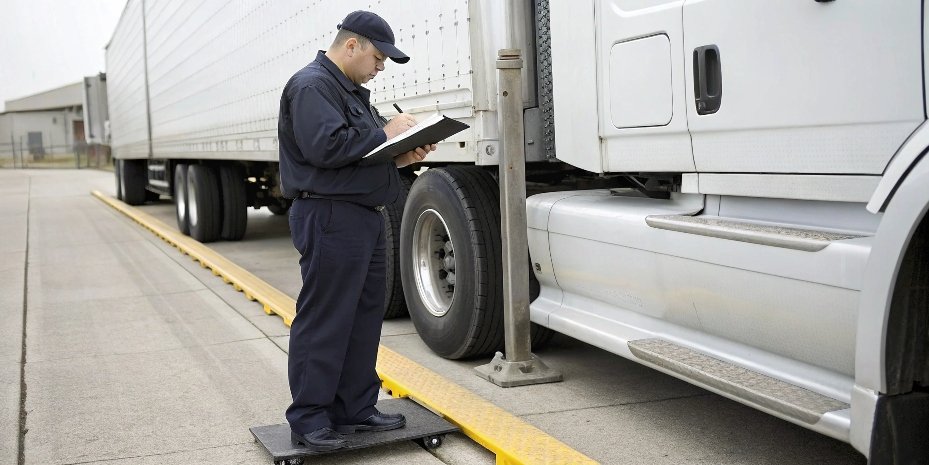
Safety and compliance are not just about following rules; they're about protecting your entire business. An overloaded truck is a danger on the road, and the legal consequences can be devastating. I've seen companies face crippling fines that could have been easily avoided. Let's break down how a weighing system serves as a crucial safeguard for your operations.
Preventing Overload-Related Accidents
An overloaded truck is fundamentally unsafe. The extra weight puts immense strain on the brakes, tires, and suspension. Stopping distances increase dramatically, and the risk of a tire blowout or a rollover on a sharp turn goes way up. I once worked with a company that had a close call with an overloaded truck. Its brakes overheated on a downhill slope, and disaster was narrowly avoided. After they installed a proper weighing system, they made it a strict policy that no truck leaves the yard without a weight verification. This simple check ensures your vehicles are safe to operate, protecting your driver, your assets, and everyone else on the road.
Navigating Complex Weight Regulations
Every region has specific laws about vehicle weight limits, and they can be complex. There are limits for single axles, tandem axles, and gross vehicle weight. Trying to manage this manually is a recipe for error. A modern truck weighing system3 can be configured with these regulations. It gives you a clear pass or fail, taking the guesswork out of compliance. It also creates a digital record of every weigh-in, which is invaluable during an audit. This documentation proves you are doing your due diligence to operate legally.
| Risk | How the System Mitigates It |
|---|---|
| Overload Fines | Provides precise weight data to stay under legal limits. |
| Roadside Delays | Ensures compliance before the truck even leaves the facility. |
| Legal Liability | Creates a verifiable record of compliance for every shipment. |
| Insurance Issues | Demonstrates a commitment to safe operational practices. |
This keeps your fleet on the right side of the law and protects your business from unnecessary legal entanglements.
How does Weigh-in-Motion (WIM) technology streamline logistics operations?
Does the idea of stopping every truck to weigh it seem inefficient? Every stop eats into your schedule and slows down your supply chain. Weigh-in-Motion (WIM) technology allows you to weigh trucks without stopping them.
Weigh-in-Motion (WIM) systems streamline logistics by weighing vehicles as they drive over sensors embedded in the road. This eliminates queues and bottlenecks at static scales, providing a continuous flow of traffic and real-time data for much faster and more efficient operations.
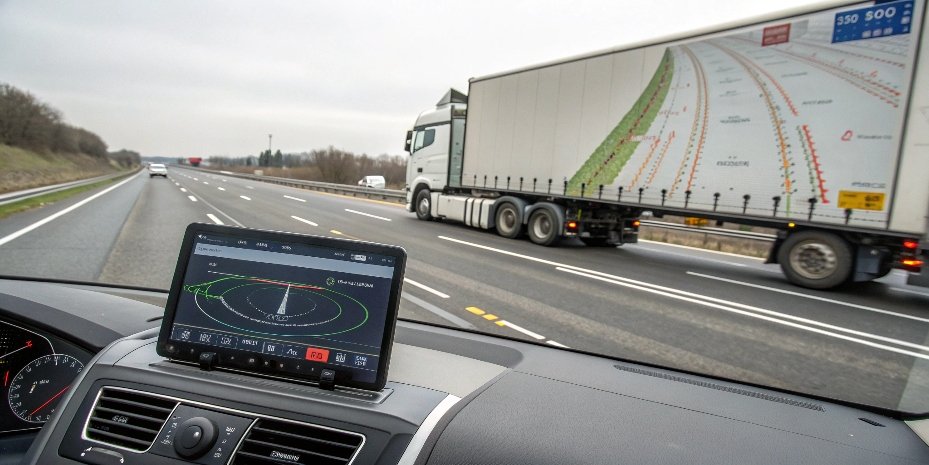
Weigh-in-Motion is a game-changer for high-volume facilities like ports, distribution centers, and tollways. It re-imagines the entire weighing process. Instead of bringing the truck to the scale, you integrate the scale into the truck's path. As a manufacturer, we see WIM as a key part of the future of smart logistics. It's about gathering data seamlessly without interrupting the flow of business.
From Static Checkpoint to Dynamic Data Flow
Traditional truck scales are static. A truck has to stop, get weighed, and then continue. This creates a bottleneck, especially when you have many trucks to process. WIM technology turns this static checkpoint into a dynamic, free-flowing process. Trucks can be weighed at low speeds or even highway speeds, depending on the system. This is a huge advantage for operations that need to move vehicles quickly. Instead of one truck at a time, you get a constant stream of weight data from every truck that passes.
The Power of Continuous Data Collection
Because WIM systems weigh every vehicle that passes, they collect a massive amount of valuable data. This information can be used for more than just checking individual loads. You can analyze traffic patterns, identify peak hours, and manage your yard or facility more effectively. For example, a port could use WIM data to understand container volumes in real time and allocate resources accordingly. This continuous data stream integrates perfectly with modern logistics software and IoT platforms, giving you a powerful tool for planning and optimization.
| Feature | Static Scale | Weigh-in-Motion (WIM) |
|---|---|---|
| Vehicle Speed | Must be stopped (0 mph) | Low or highway speed |
| Throughput | Low (one at a time) | High (continuous flow) |
| Operational Impact | Creates a bottleneck | Seamlessly integrates into traffic flow |
| Data Usage | Individual weight tickets | Fleet management, traffic analysis, planning |
WIM technology fundamentally changes weighing from a necessary delay to an invisible, data-rich part of your operation.
What is the long-term ROI of investing in an accurate truck weighing system?
Are you hesitating because of the initial cost of a truck scale? It’s a significant investment. But the long-term savings and added profits often deliver a return much faster than you think.
The long-term ROI of an accurate truck weighing system is extremely high. It comes from eliminating fines, optimizing loads for more revenue, reducing fuel and maintenance costs, and increasing operational speed. These savings quickly surpass the initial investment, making it a highly profitable decision.
Thinking about a truck scale purely as a cost is the wrong approach. It’s a business tool that generates returns. Over my career, I've helped countless customers analyze the numbers, and the result is almost always the same: the system pays for itself. The return on investment4 (ROI) comes from both direct, measurable savings and other valuable benefits that strengthen your business.
Tangible Financial Gains
The easiest part of the ROI to calculate is the direct cost savings. These are real numbers you can see on your balance sheet. The key areas include avoiding overload fines, which can be thousands of dollars per incident. It also includes optimizing fuel by preventing inefficient, overloaded journeys. Finally, it reduces premature wear on tires, brakes, and suspension, which lowers your long-term maintenance bills.
Here’s a simple way to look at it:
| Savings & Gains | Example Annual Figure |
|---|---|
| Avoided Overload Fines | $10,000 |
| Fules Savings | $5,000 |
| Reduced Maintenance Costs | $7,500 |
| Increased Revenue | $15,000 |
| Total Annual Return | $37,500 |
If the system costs $50,000, it could pay for itself in less than two years. At Weigherps, we often help clients run these numbers for their specific operation.
Intangible Business Value
Beyond the hard numbers, a truck scale adds significant value that is harder to quantify but just as important. Your reputation as a safe and compliant operator improves, which can help you win business. Customer satisfaction increases because your billing is always accurate and your shipments are handled efficiently. You also improve driver morale by providing them with the tools to do their job safely and legally. These factors contribute to a stronger, more resilient business in the long run. An investment in an accurate weighing system is an investment in your company's future success.
Conclusion
A truck weighing system is not just equipment; it's a strategic asset. It improves efficiency, ensures safety, and guarantees compliance, giving you the control and data needed for smart business growth.
-
Understand the advantages of using accurate scales for better load management. ↩
-
Learn tips to optimize fuel consumption and save money in your logistics operations. ↩
-
Explore how a truck weighing system can enhance efficiency and compliance in your logistics operations. ↩
-
Understand the financial benefits and ROI of investing in a truck weighing system. ↩



[…] Weighing: The driver is directed to a static truck scale. Here, the truck stops completely on the weighbridge4 for a highly accurate reading. This measurement is the one used for legal […]