
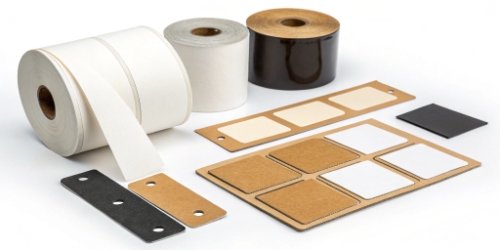
Choosing the wrong label can halt your entire production line. This simple mistake leads to frustrating delays and wasted materials, costing you time and money. Let us guide you to the perfect fit.
The most common thermal label sizes are 60x40mm and 80x60mm. Generally, our smart printing scales support label widths up to 80mm, while many standard models are limited to 58mm. The length of receipt-style prints is often automatically adjusted based on the content being printed.
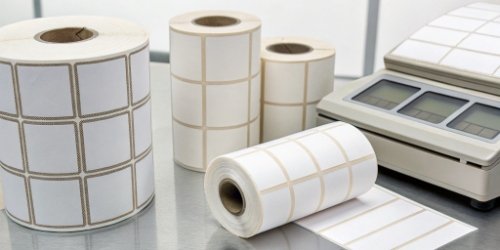
Getting the right label for your industrial printing scale is more than just a minor detail; it's a critical component of an efficient workflow. A mismatch can cause everything from unreadable barcodes to constant printer jams. Over my 19 years in this industry, I've seen countless businesses struggle with this. They invest in a high-quality scale but overlook the importance of the media it prints on. Let's break down the key factors you need to consider so you can avoid these common pitfalls and ensure your operation runs smoothly. We will look at standard sizes, material types, and customization to make sure you have all the information you need.
What Are the Standard Label Sizes Used in Industrial Printing Scales?
You need a label, but the size you bought doesn't fit the printer. Now production is stopped while you scramble to find a solution. This preventable issue creates unnecessary stress and downtime.
Standard industrial label sizes often include 60x40mm and 80x60mm. The key is printer compatibility. Our advanced smart scales can handle labels up to 80mm wide, offering great flexibility. However, many standard scales and receipt printers are designed for a narrower 58mm width.
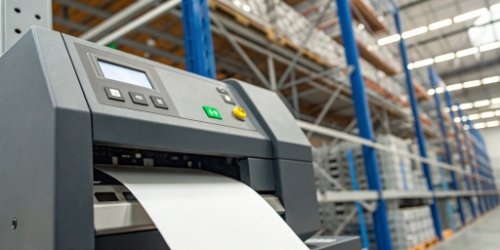
When we talk about label sizes, the width is the most critical measurement. It dictates whether the label roll will even fit inside your printing scale. I remember a client who bought thousands of 70mm labels for a scale that could only handle 58mm. It was a costly mistake. That's why we always check the specifications first. Our smart scales are built for versatility, accommodating the wider 80mm format often used for detailed shipping labels. Standard scales are typically more compact, suiting the 58mm width perfect for price marking or simple product identification. For continuous paper or receipts, the width is fixed, but the length is determined automatically by the amount of text, cutting only after the print job is complete. This efficiency minimizes waste and is perfect for variable-information tasks.
Common Industrial Label Sizes and Their Uses
| Label Size (mm) | Common Application | Compatible Scale Type |
|---|---|---|
| 60 x 40 | Product identification, barcodes, price marking | Standard & Smart |
| 80 x 60 | Shipping labels, detailed product info, logistics | Smart Scales |
| 58mm (width) | Receipts, transaction records, simple tags | Standard Receipt |
How Do Different Label Types Affect Industrial Printing Scale Compatibility?
You've got the right size, but the labels come out blank or faded. You realize you bought the wrong type of label paper. This incompatibility wastes supplies and brings operations to a halt.
Compatibility depends on the printing technology. Direct thermal scales use heat-sensitive paper and require no ribbon. Thermal transfer scales use a ribbon to print on various materials. You must match the label type to your scale's technology for a clear, lasting print.
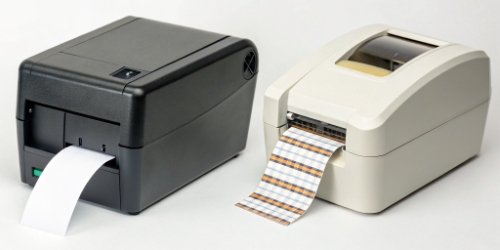
The technology inside your printing scale is the deciding factor. The two main types are Direct Thermal and Thermal Transfer. Understanding the difference is crucial. A direct thermal1 printer works by applying heat directly onto special, chemically treated paper. It's simple, requires no ink or ribbon, and is very common in scales used for shipping or food packaging where the label's lifespan is short. On the other hand, a thermal transfer2 printer uses a heated printhead to melt a wax or resin ribbon onto the label. This creates a much more durable and long-lasting image that can withstand harsher conditions. We always advise clients to consider their end-use. If a label needs to last for years or survive in a tough warehouse environment, thermal transfer is the only reliable choice. If it's for a package that will be opened in a week, direct thermal is a cost-effective solution.
Printing Technology Comparison
| Feature | Direct Thermal | Thermal Transfer |
|---|---|---|
| Printing Method | Heat applied directly to paper | Heat melts ribbon onto label |
| Supplies | Heat-sensitive labels only | Labels and a thermal ribbon |
| Durability | Fades with time, heat, and UV exposure | Highly durable, resists fading |
| Best For | Short-term use, shipping, food labeling | Long-term use, asset tracking, outdoors |
| Cost | Lower initial and operational cost | Higher cost due to ribbon |
What Customization Options Are Available for Labels in Industrial Environments?
Your standard labels are functional but miss a chance to promote your brand. This lack of customization makes your packaging look generic and fails to provide specific information your customers or team might need.
Customization goes beyond just size. We can pre-print your company logo, contact information, or colored borders on the labels. You can also choose different adhesive types, such as permanent, removable, or freezer-grade, to match your specific application and branding needs.
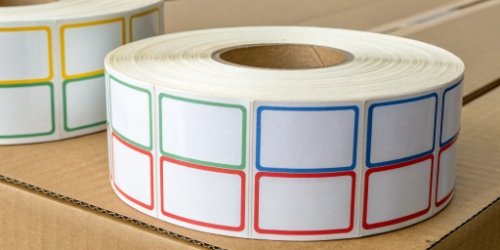
A label is more than just a piece of paper with a weight on it; it's a part of your brand identity and a vital communication tool. We’ve worked with many clients to transform their labels into something unique. For example, a food processing company needed labels that could survive in a freezer. We supplied them with labels using a special freezer-grade adhesive that wouldn't peel off in sub-zero temperatures. Another client in the electronics industry wanted their logo and a "Handle with Care" warning pre-printed in red on every label. This not only improved their branding but also reduced handling errors. Customization allows you to solve specific operational challenges. Whether you need a unique shape to fit on a small product or a super-strong adhesive for an oily surface, there is a solution. It's about making the label work for you, not the other way around.
Which Label Materials Are Best Suited for Industrial Printing Applications?
Your labels are smudging, tearing, or falling off in your warehouse. Using the wrong label material is causing inventory errors and scanning failures. This creates chaos in your supply chain management.
The best material depends entirely on the environment. Standard paper labels are great for dry, indoor use like shipping. For resistance to moisture, chemicals, or abrasion, synthetic materials like polypropylene or polyester are the superior choice, ensuring the label remains scannable.
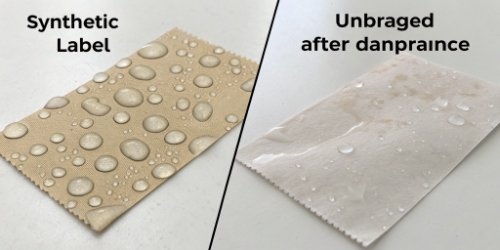
Choosing the right material is a fundamental decision. In my experience, this is where many people cut corners to save a few cents, only to face bigger costs down the line from lost or unidentifiable inventory. For a standard warehouse or office environment, a simple paper label works perfectly fine. It's economical and does the job. But what if your product is stored outdoors or in a refrigerated unit? Paper will quickly disintegrate. This is where synthetic materials come in. Polypropylene offers excellent resistance to water and oils, making it ideal for food product labeling. For the toughest jobs, like labeling machinery or chemical drums, we recommend polyester. It can withstand extreme temperatures, chemical exposure, and rough handling without failing. The extra investment in the right material pays for itself by guaranteeing that your data remains intact and readable throughout the product's lifecycle.
Label Material Guide
| Material | Durability | Environment Resistance | Common Use Case |
|---|---|---|---|
| Paper | Low | Poor (vulnerable to moisture/tears) | Shipping, general office |
| Polypropylene | Medium | Good (resists water and oils) | Product labeling, food items |
| Polyester | High | Excellent (resists chemicals, heat) | Asset tracking, harsh settings |
Conclusion
Choosing the right label size, type, and material is essential for operational efficiency. By matching the label to your scale and environment, you ensure reliability and prevent costly disruptions.


Comments (0)