
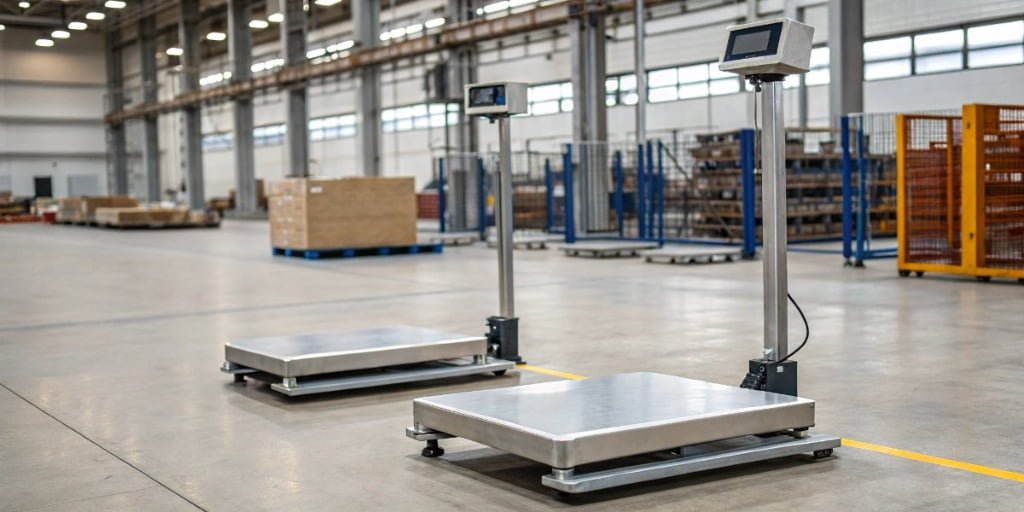
Confused by waterproof IP ratings on industrial scales? Choosing the wrong one can lead to costly damage and downtime. Let's decode these numbers so you can find the right protection.
Waterproof ratings, called IP ratings, show how well an industrial scale is protected against solids and liquids. The first number rates protection against solids like dust, and the second number rates protection against liquids like water. Higher numbers mean better protection for your equipment.
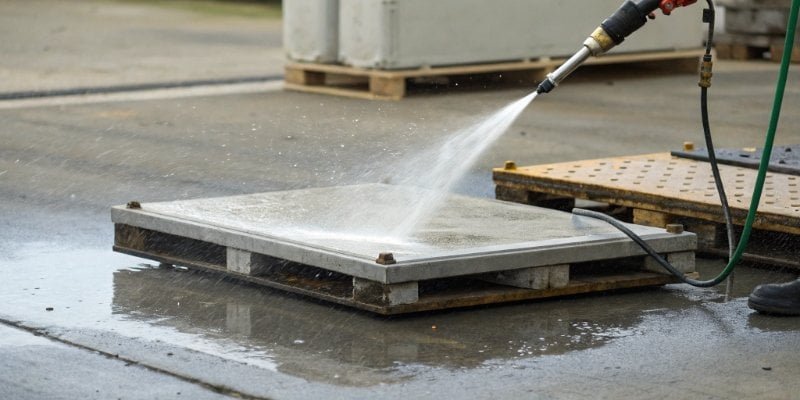
Many of my clients think both numbers in an IP rating, like IP67, are for water. This is a common mistake. In reality, the two digits represent two completely different types of protection. Understanding this difference is the first step to choosing the right scale and protecting your investment. Let me break it down for you, so you can advise your own customers with confidence.
What is the waterproof rating scale?
Have you seen IP ratings but don't know what the numbers actually mean? This confusion can lead to buying a scale that is either under-protected or unnecessarily expensive for your needs.
The IP (Ingress Protection) rating scale uses two numbers. The first number, from 0 to 6, rates protection against solid objects and dust. The second number, from 0 to 9, rates protection against water. A higher number always means a higher level of protection.
When we build scales for our clients, we treat these two numbers very seriously. Each number tells a different story about where the scale can safely operate. I remember a new client a few years ago who was about to recommend an IP54 scale for a fish processing plant. I had to quickly explain why that would be a disaster. The frequent high-pressure washdowns1 would destroy that scale in weeks. They needed at least an IP67. Let's look at what each digit means.
The First Digit: Solid Protection
This number tells you how well the scale's enclosure keeps out solid objects, from hands and tools down to microscopic dust. A rating of '6' is the highest, meaning it's completely dust-tight2.
| First Digit | Protection against Solid Objects |
|---|---|
| 0 | No protection. |
| 1 | >50 mm (e.g., accidental hand contact). |
| 2 | >12.5 mm (e.g., fingers). |
| 3 | >2.5 mm (e.g., tools, thick wires). |
| 4 | >1 mm (e.g., most wires, screws). |
| 5 | Dust-protected (some dust may enter but won't interfere). |
| 6 | Dust-tight (no dust can enter). |
The Second Digit: Water Protection
This number is what most people think of as the "waterproof" rating. It ranges from protection against dripping water to full immersion.
| Second Digit | Protection against Water |
|---|---|
| 0 | No protection. |
| 1 | Dripping water (vertically). |
| 2 | Dripping water (when tilted up to 15°). |
| 3 | Spraying water. |
| 4 | Splashing water from any direction. |
| 5 | Low-pressure water jets from any direction. |
| 6 | Powerful water jets from any direction. |
| 7 | Immersion in water up to 1 meter for 30 minutes. |
| 8 | Continuous immersion in water under conditions specified by the manufacturer. |
| 9 | High-pressure, high-temperature water jets. |
Which is more waterproof, IP44 or IP65?
Are you trying to decide between an IP44-rated and an IP65-rated scale? Making the wrong choice could mean your equipment fails from a simple water hose or a dusty environment.
IP65 is much more waterproof and completely dustproof compared to IP44. IP65 is fully protected against dust ingress and can withstand low-pressure water jets. IP44 only protects against splashing water and solid objects larger than 1mm, but it is not dust-tight.
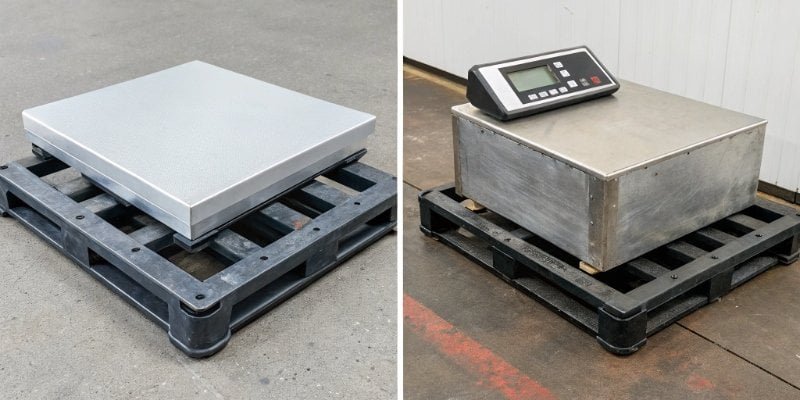
As a manufacturer, I often see software vendors needing to integrate hardware into different facilities. Understanding this difference is key. An IP44 scale might work in a clean office backroom where it might get splashed occasionally. But if you are deploying a system in a workshop, food prep area, or any place that gets dusty or washed down, you need to start at IP65. The "6" ensures that no dust gets inside to clog up the sensitive electronics3, and the "5" ensures that cleaning with a low-pressure hose won't cause any damage.
Here is a simple breakdown to help you see the difference clearly.
A Deeper Look at IP44 vs IP65
| Feature | IP44 | IP65 |
|---|---|---|
| Solid Protection | 4: Protects against objects >1mm (e.g., wires). | 6: Completely dust-tight. No dust can enter. |
| Water Protection | 4: Protects against splashing water from any direction. | 5: Protects against low-pressure water jets4. |
| Typical Use Case | Dry indoor areas, protected workshops. | Dusty environments, areas with light washdowns. |
Choosing IP65 over IP44 is not just an upgrade; it is a decision based on the environment. The complete dust protection of IP65 is critical for longevity in most industrial settings. Relying on an IP44 scale in a dusty or regularly cleaned area is a risk that can lead to frequent failures and unhappy end-users for your software.
Is IP65 or IP66 better?
Is it worth the extra cost to upgrade from an IP65 to an IP66 scale? It seems like a small step, but it can be the difference between a working scale and a broken one.
IP66 is better than IP65 for environments with more intense cleaning. Both ratings are completely dust-tight (the first digit is '6'). The difference is in water protection: IP66 can handle powerful water jets, while IP65 is only rated for low-pressure jets.
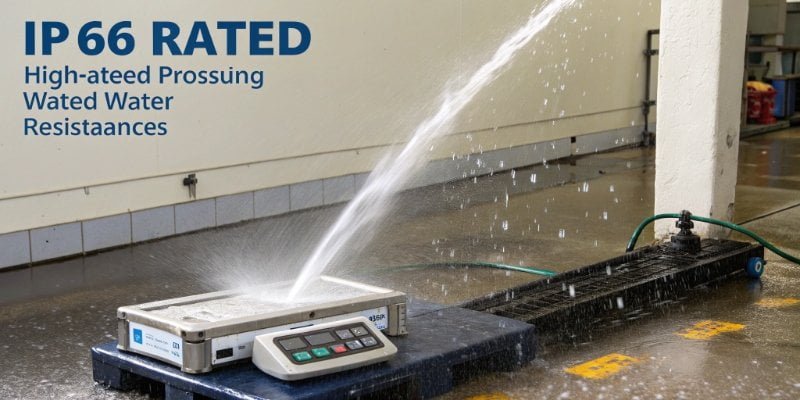
This is a conversation I have regularly with our OEM partners. When they are creating a product line, they need to decide which IP ratings5 to offer. The choice between IP65 and IP66 comes down to the cleaning procedures6 of the end-user. If the environment is simply hosed down gently, IP65 is sufficient. However, in many food processing, pharmaceutical, or chemical plants, cleaning involves high-pressure equipment to ensure sanitation. In those cases, an IP65 scale would likely fail. The seals are not designed to withstand that force.
Comparing Water Jet Protection
The difference is defined by a specific test standard.
| Rating | Test Condition | Water Volume | Practical Meaning |
|---|---|---|---|
| IP65 | Water projected by a 6.3mm nozzle. | 12.5 liters/min | Resists cleaning with a standard garden hose. |
| IP66 | Water projected by a 12.5mm nozzle. | 100 liters/min | Resists cleaning with high-pressure industrial hoses. |
For our clients building systems for heavy industry, offering an IP66 option is crucial. It shows their customers that they understand the demands of a truly harsh environment. It's a small number change that represents a huge leap in durability and reliability. As your manufacturing partner, we ensure our IP66 products pass these tough tests so you can sell them with complete peace of mind.
Is IPX5 or IPX7 better?
Have you ever seen an 'X' in an IP rating, like IPX5 or IPX7, and wondered what it means? This 'X' often causes confusion and can lead to incorrect assumptions about a product's durability.
The 'X' in an IP rating means the product has not been tested for solid particle (dust) protection. When comparing IPX5 and IPX7, you only look at the second number. IPX7 is better, as it protects against temporary immersion in water, while IPX5 only protects against water jets.
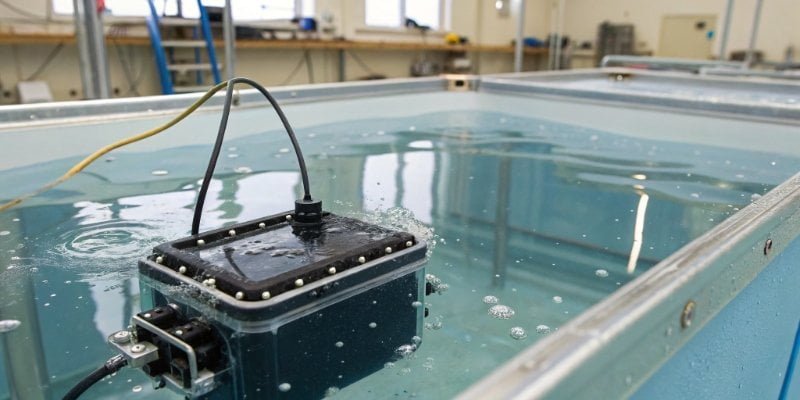
The 'X' is simply a placeholder. It is important not to assume it means "no protection." It just means "no data." This is common in consumer electronics but can sometimes appear in industrial equipment specifications. When you see it, you must focus only on the number that is provided. A client of mine, a software developer for the logistics industry, once asked about a handheld scanner rated IPX5. His customer worked on shipping docks where devices could easily be dropped into puddles or even off the dock. I explained that IPX5 would protect it from rain and spray, but it would not survive being submerged. For that, they needed at least an IPX7 rating.
Jets vs. Immersion: A Critical Difference
| Rating | Protection | Test Condition | Use Case |
|---|---|---|---|
| IPX5 | Water Jets | Protected against low-pressure water jets from any direction. | Use in rain, or environments with water spray. |
| IPX7 | Immersion | Protected when submerged in water up to 1 meter deep for 30 minutes. | Use where accidental drops into water are possible. |
This distinction is vital. A scale on a boat or at a fishery might need an IPX7 rating (or more likely, an IP67 rating, which is tested for both dust and immersion). A scale that is only exposed to cleaning spray would be fine with an IPX5 rating (or an IP65). As a manufacturer, we prefer to provide products with full testing, like IP67 or IP68, so there is no guesswork for you or your customers. We provide the full picture of a product's protection.
Conclusion
Understanding IP ratings is simple once you know the basics. The first digit is for solids and dust, the second is for water. Always match the two numbers to your work environment.
- Understand the impact of washdowns on scales to ensure you choose the right IP rating. ↩
- Learn about dust-tight ratings and their importance in maintaining equipment functionality. ↩
- Understand how IP ratings safeguard sensitive electronics in industrial applications. ↩
- Understand the impact of water jets on equipment to select the right IP rating. ↩
- Learn about IP ratings to make informed decisions on equipment protection and longevity. ↩
- Discover which cleaning procedures necessitate higher IP ratings for equipment safety. ↩

Comments (0)