
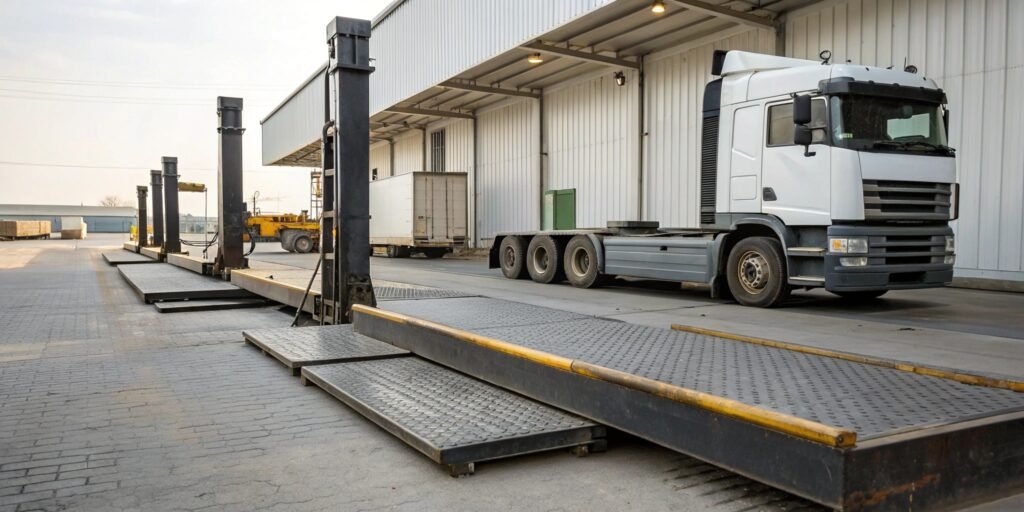
Are you struggling to manage truck loads accurately and avoid costly fines? Overloaded trucks create safety risks and damage roads, inviting legal trouble. Weighing truck scales offer a precise and reliable solution.
A weighing truck scale is a large, heavy-duty device used to measure the total weight of trucks. It is essential for ensuring vehicles comply with weight limits, calculating shipping costs, and managing inventory accurately in logistics and industrial settings.
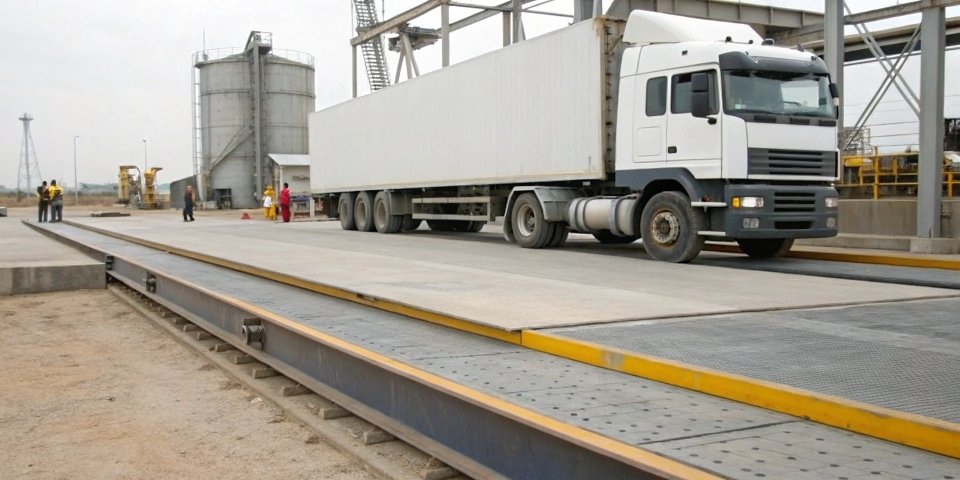
In my 18 years in the industrial scale business, I've seen firsthand how essential these tools are. They are not just about weighing things; they are about keeping businesses compliant, efficient, and profitable. Understanding how they work is the first step toward leveraging their full potential. Let's look closer at how they function, where they are used, the different types available, and what you can expect in terms of cost. This knowledge will help you make a smart investment for your operations.
How does a truck weighbridge work?
Do you find the technology behind truck scales confusing? Misunderstanding how they work can lead to incorrect readings and maintenance issues. The good news is that the core principle is quite straightforward.
A truck weighbridge works by using sensors called load cells. When a truck drives onto the platform, its weight compresses these load cells. They convert this physical pressure into an electrical signal, which is then translated into a precise weight reading on a digital display.
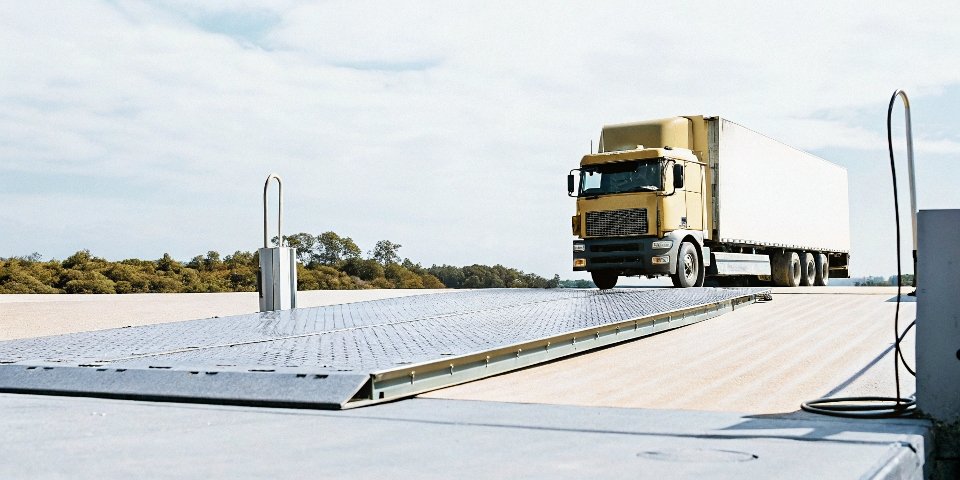
Let's dive deeper into the components that make this happen. Think of a truck scale as a system with a few key parts working together. First, you have the main platform, also known as the deck. This is the surface the truck drives on, typically made from steel or concrete. Underneath this deck are the most important parts: the load cells1. These are high-precision sensors2 that bear the truck's weight. Inside our company, we often call them the heart of the scale. The force from the truck causes a tiny change in the load cells, which they convert into a weak electrical signal.
This signal then travels to a junction box3, which gathers the data from all the load cells and sends a combined signal to the digital weigh terminal. This terminal is the brain. It processes the signal, performs the final calculation, and shows the weight on a screen. For our clients in the software space, this terminal is where the magic happens. It's the point where our hardware seamlessly connects with your management software, ERP systems, or cloud platforms, turning raw weight data into valuable business intelligence4.
| Component | Function |
|---|---|
| Platform (Deck) | The surface the truck drives onto. |
| Load Cells | Sensors that measure the weight and convert it to an electrical signal. |
| Junction Box | Combines signals from multiple load cells into one. |
| Weigh Terminal | Processes the signal and displays the final weight; connects to software. |
What are truck scales used for in the transportation industry?
Are you wondering if a truck scale is just for avoiding fines? If you think so, you are missing out on key operational benefits that can transform your business. Their uses extend far beyond simple legal compliance.
In transportation, truck scales ensure compliance with road weight laws to prevent fines and road damage. They are also used to verify cargo weights for billing, calculate shipping costs accurately, manage inventory, and optimize load distribution for better safety and fuel efficiency.
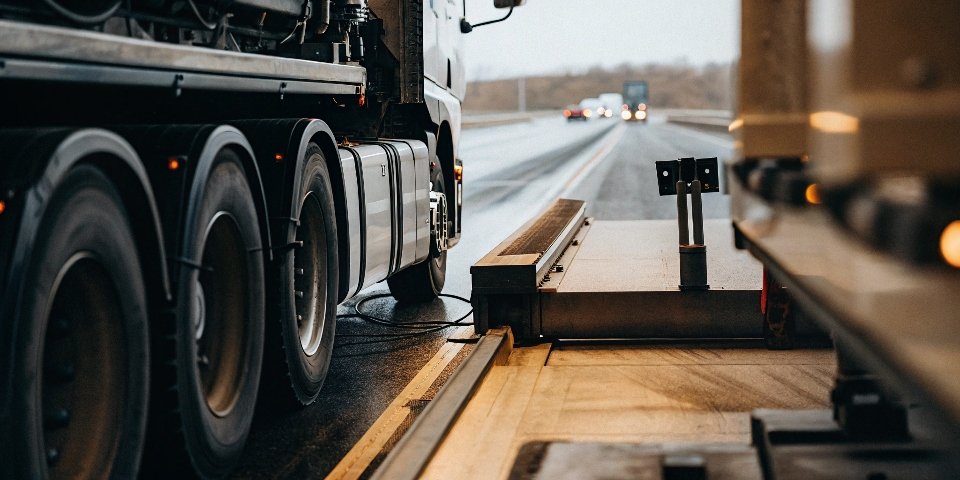
From my experience working with logistics companies, I can tell you a truck scale is a multi-purpose tool. Its primary job is, of course, regulatory compliance. Every country has strict laws about vehicle weight to protect its roads and public safety. Our scales help drivers and fleet managers ensure every truck that leaves their site is within the legal limit. This alone saves companies thousands in potential fines.
However, the real value comes from its role in business operations. For industries that sell bulk materials like gravel, grain, or scrap metal, the scale is their cash register. They sell by weight, and an accurate, "legal-for-trade" certified scale ensures they bill customers correctly and get paid for exactly what they ship. It's also critical for inventory control5, giving you precise data on how much material is coming in and going out. Lastly, it improves safety and efficiency. A properly loaded truck with a balanced weight distribution6 is safer on the road, consumes less fuel, and experiences less wear and tear.
What are the different types of truck scales?
Are you worried about choosing the wrong type of truck scale for your operation? Making the wrong choice can lead to a waste of money, space, and time. Let's explore the main types so you can find the perfect fit.
The main types are platform scales, also called weighbridges, which are permanent structures for weighing entire trucks. The other type is axle scales, which are smaller, often portable units for weighing one axle at a time. Your choice depends on your space, budget, and traffic volume.
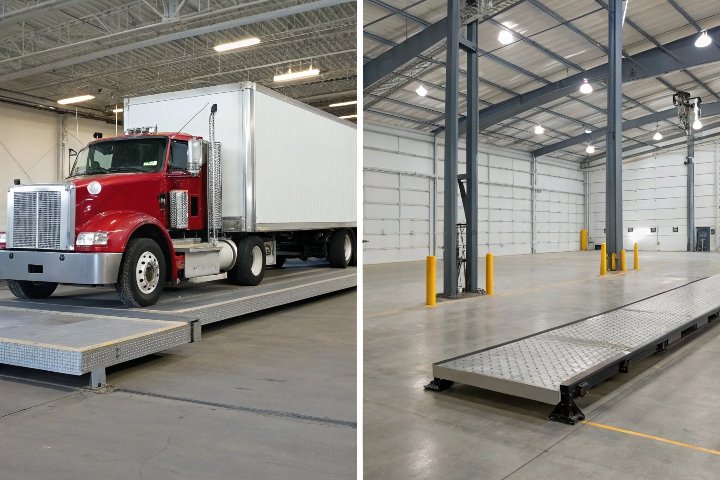
Let's break down these options. The most common type is the full-length platform scale, or weighbridge. These are designed to weigh the entire truck at once, providing the most accurate measurement. They come in two main installation styles. An above-ground scale sits on top of a concrete slab and is accessed via ramps. It's generally easier and cheaper to install and maintain. A pit-mounted scale is installed flush with the ground. This saves space and is great for sites with tight turning areas, but installation is more complex and cleaning the pit can be a chore.
The other category is axle scales7. As the name suggests, these scales weigh the truck one axle or axle group at a time. The total vehicle weight is calculated by summing the individual axle weights. They are much smaller, can be portable, and are significantly less expensive than a full weighbridge. They are perfect for temporary sites, mobile enforcement, or businesses that only need to perform occasional weight checks rather than high-volume weighing.
| Scale Type | Installation | Cost | Accuracy | Best Use Case |
|---|---|---|---|---|
| Above-Ground Weighbridge | Requires ramps; easier cleaning | Moderate | High | High-volume sites with available space. |
| Pit-Mounted Weighbridge | Flush with ground; space-saving | High | High | High-volume sites with limited space. |
| Portable Axle Scale | Minimal setup; can be moved | Low | Lower | Mobile weighing, spot checks, low-volume sites. |
How much does a commercial truck scale cost to install?
Is the potential cost of a new truck scale holding you back from making a decision? Fearing a huge, unknown expense can paralyze your purchasing process. Let's break down the typical costs involved so you know what to expect.
The cost to install a commercial truck scale varies widely, from around $20,000 for a basic axle scale to over $100,000 for a high-end, full-length weighbridge. The final price depends on the scale's type, size, material, and the necessary site preparation work.
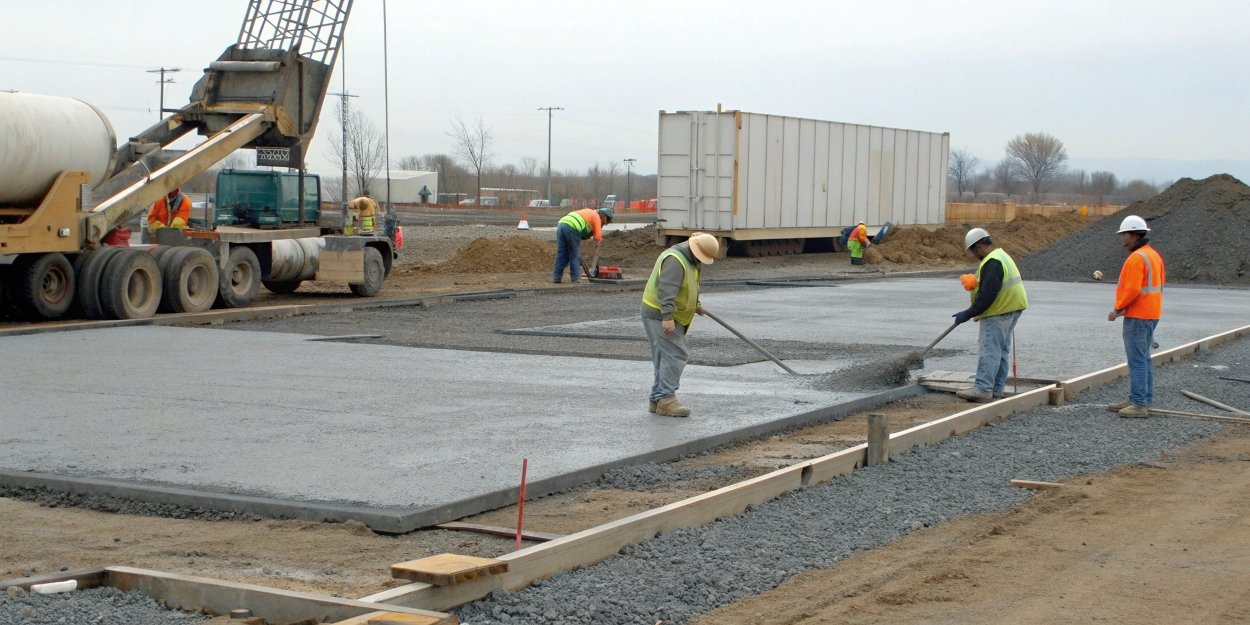
The total investment can be divided into a few key areas. First is the cost of the scale hardware itself. This is influenced by its length (longer scales cost more), capacity, and the deck material. A steel deck is more expensive upfront but allows for a quicker installation. A concrete deck has lower material costs but requires more on-site labor to pour and cure.
The second major cost is site preparation and foundation. For a weighbridge, this is a significant part of the budget. It involves excavation, pouring reinforced concrete foundations, and ensuring proper drainage. An above-ground scale typically requires a less complex foundation than a pit scale.
Finally, consider the peripherals and software. This includes the digital indicator, a ticket printer, external remote displays, and traffic lights. For our clients, the most important part is the software integration8. While some see this as an added cost, we design our scales with simple connectivity protocols. This ensures they can easily integrate with your existing software, turning a one-time hardware purchase into a long-term data generation tool with a clear return on investment.
Conclusion
In short, truck scales are essential for compliance, safety, and operational efficiency. With options to fit different budgets and needs, you can find the right tool to empower your business.
-
Discover the technology behind load cells and their critical role in accurate weight measurement. ↩
-
Learn about the technology behind high-precision sensors and their role in accurate measurements. ↩
-
Understand the role of junction boxes in processing weight data from load cells. ↩
-
Find out how truck scales can turn raw data into valuable insights for your business. ↩
-
Learn how truck scales provide precise data for better inventory management. ↩
-
Explore the impact of proper weight distribution on truck safety and fuel efficiency. ↩
-
Learn about axle scales and their advantages for specific weighing needs. ↩
-
Discover how integrating software with truck scales can enhance data management. ↩


Comments (0)