
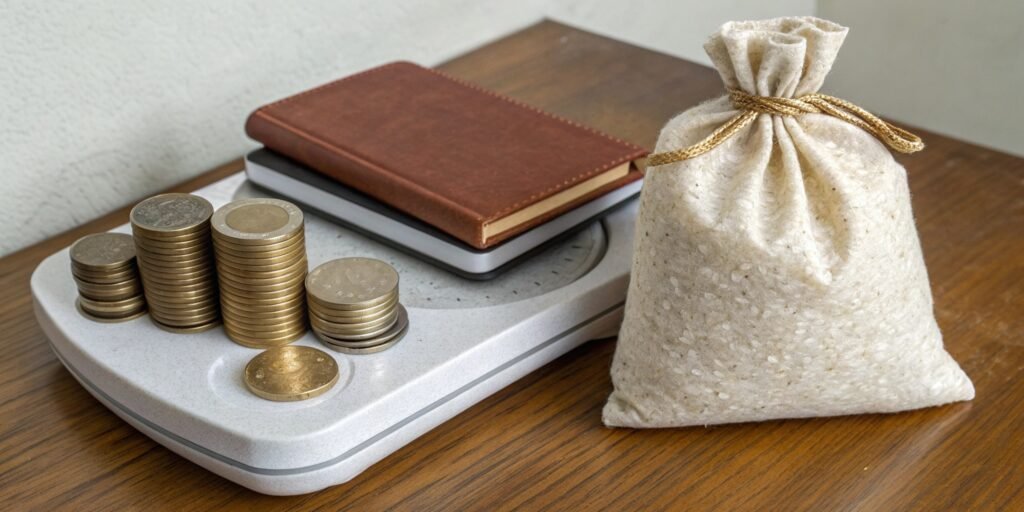
Your digital scale's accuracy is questionable, ruining precise measurements. Instead of buying expensive official weights, you can easily recalibrate it using items you already have at home.
The most reliable household items for calibrating a 500g scale are common coins with known weights, like 100 U.S. nickels (5g each). You can also use new A4 paper sheets or unopened packages of items with a clearly stated net weight.
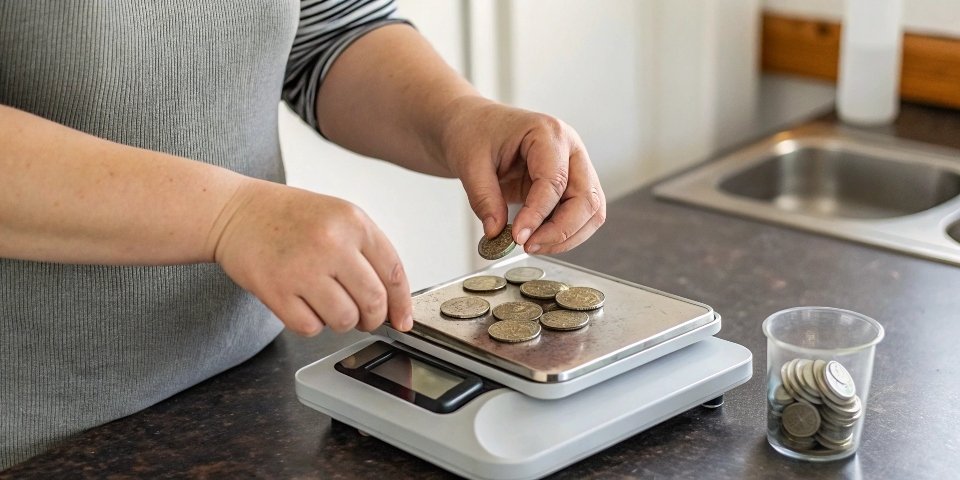
In our experience, it's often a simple process. But getting it right involves more than just throwing a few coins on the scale. Different methods have different levels of accuracy, and it is important to understand the pros and cons of each. We want to help you explore how you can be sure your scale is telling you the truth.
How can I check the accuracy of my digital scale without official calibration weights?
You don't own official calibration weights but need to trust your scale. This uncertainty can lead to costly mistakes. You can easily test its accuracy using simple, everyday items.
Use items with government-regulated weights, like currency. A U.S. nickel weighs exactly 5 grams. Place one on the scale to check the low end. Then, use a full, unopened 500ml bottle of water; it should weigh very close to 500 grams.
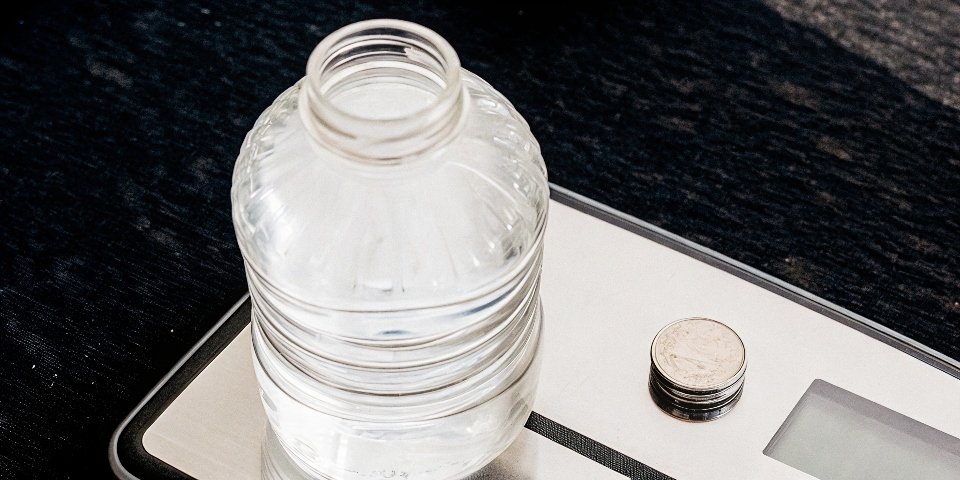
From our perspective as scale manufacturers, checking your scale's accuracy means comparing its reading to a known, reliable weight. While not as precise as the certified weights we use, some household items offer a dependable standard. The key is choosing items whose weight is consistent and manufactured to a tight tolerance, like currency.
Preparation is Key
First, place your scale on a flat, stable surface, away from vibrations or drafts. Let it warm up for a minute after you turn it on. This simple step is crucial for getting a reliable reading and establishing a stable baseline for your test.
Comparing Test Items
Here’s a look at common items for checking your scale. By testing with a small weight like a coin and a larger weight closer to the scale's capacity, you get a good picture of its performance.
| Item | Standard Weight | How to Use | Accuracy Level |
|---|---|---|---|
| U.S. Nickel | 5g | Test with a single, new coin | High |
| 1 Liter of Water | 1000g (1kg) | Measure with kitchen tools | Medium |
| Packaged Good | As stated on package | Use an unopened package | Medium-Low |
Can you use common coins to accurately calibrate a 500g scale?
You need an accurate way to calibrate your scale without buying special weights. Using the wrong items can actually make things worse. Luckily, certain common coins are surprisingly precise for the job.
Yes, you can use coins, but with caution. For a 500g scale, gathering 100 U.S. nickels (5g each) is a common method. Use newer, cleaner coins, as wear and dirt can alter their weight and affect the final accuracy of your calibration.
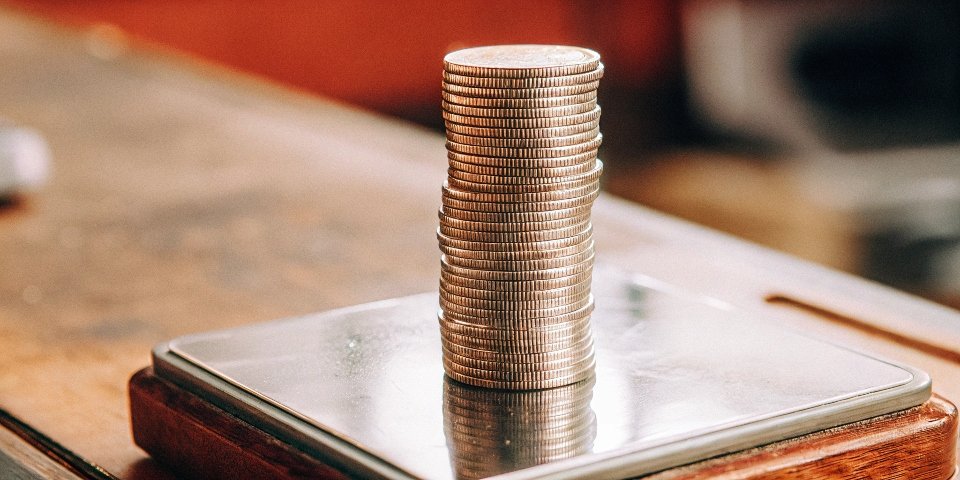
We often get asked if using coins for calibration works. It does, because national mints produce them to strict weight specifications. They are a great substitute for official weights if you are careful. The main challenge for a 500g scale is collecting enough coins without introducing a significant cumulative error.
The Risk of Inaccuracy
The biggest issue is variability. An older, worn coin weighs less than a new one, while dirt can add weight. A tiny error of 0.05g per coin, multiplied by 100 coins, becomes a 5g error in total. This represents a 1% error for your calibration.
Coin Calibration Guide
- Select: Choose the newest, cleanest coins available.
- Calculate: Figure out the exact number of coins you need to reach 500g.
- Place & Calibrate: Turn on the scale, let it zero out, and carefully stack the coins. Enter your scale’s calibration mode1 (see the manual) to lock in the 500g weight.
| Coin (U.S.) | Official Weight | Number for 500g |
|---|---|---|
| Nickel | 5.000 g | 100 |
| Penny (post-1982) | 2.500 g | 200 |
What household items have a reliable and precise weight for scale calibration?
You want to calibrate your scale but are unsure which household items are reliable. Using the wrong object can throw off your measurements completely. Several common items offer surprising precision for calibration.
Unopened packets of dry goods like sugar or salt, where the net weight is printed on the package, can be used. Another option is plain A4 printer paper; a standard 80 gsm A4 sheet weighs 4.989g, so 100 sheets are very close to 500g.
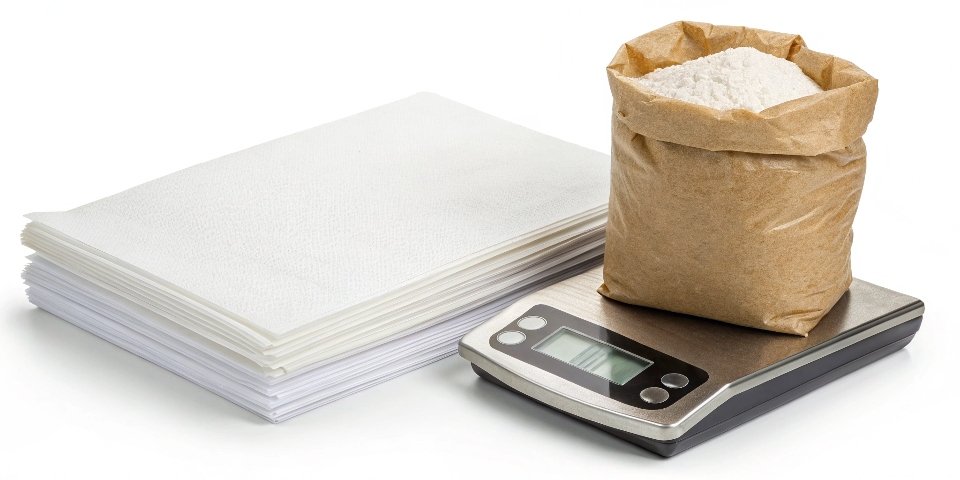
We've seen many creative solutions over the years. Beyond coins, other items in your home can serve as calibration weights due to manufacturing standards or scientific principles. The key is understanding their limitations for an accurate result.
Using Water as a Standard
One milliliter (ml) of pure water weighs almost exactly one gram. You can use a kitchen measuring cup to measure 500 ml of water into a container. Remember to weigh the empty container first, then tare (zero out) the scale before adding the water. This method is scientifically sound but depends heavily on the accuracy of your volume measurement.
The Printer Paper Method
A ream of A4 paper is sold by weight (e.g., 80 gsm - grams per square meter). A single 80 gsm A4 sheet weighs about 5 grams. Stacking 100 fresh sheets should give you a weight very close to 500 grams. This is a clean and surprisingly accurate method, but be aware that high humidity can add weight to the paper.
| Method | Pros | Cons |
|---|---|---|
| Water (500ml) | Accessible, scientific basis | Requires accurate liquid measure |
| Paper (100 sheets) | Clean, consistent | Can be affected by humidity |
| Packaged Goods | Very convenient | Printed net weight can be an average |
What are the signs that my small digital scale needs to be recalibrated?
Your scale turns on, but you suspect it's inaccurate. Ignoring these small errors can lead to bigger problems later. A few clear warning signs will tell you when it's time to act.
The most obvious sign is inconsistent readings2; weighing the same item multiple times gives different results. Other signs include the scale not returning to zero after removing an item, or known weights showing up as incorrect. Drifting numbers are also a clear indicator.
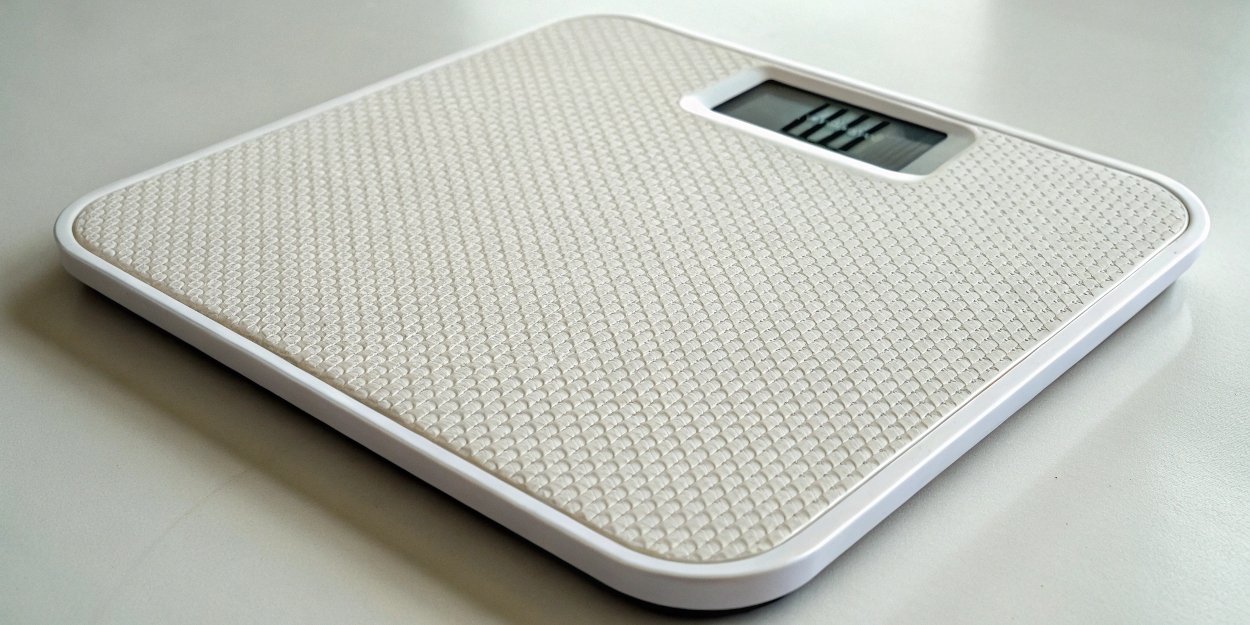
As professionals in weighing technology, we know a digital scale is a precise instrument. Like any instrument, it can drift out of alignment over time. Physical shock, temperature changes, or regular use can affect its sensitive load cells. Recognizing the warning signs early helps you maintain measurement accuracy.
Common Signs of Trouble
The most frequent issue is a lack of repeatability. If you weigh a 5g coin, remove it, and get a different reading when you weigh it again, there is a problem. Another red flag is "drifting," where the display's numbers creep up or down with nothing on the scale. This points to an unstable sensor. A failure to return to a stable zero after an item is removed is another clear indicator.
Quick Troubleshooting Before Calibration
Before you recalibrate, check for these simple issues first. If these fixes don't solve the issue, then it is time for a full recalibration.
| Symptom | Possible Cause | Solution |
|---|---|---|
| Drifting Numbers | Air draft or vibration | Move the scale to a stable spot |
| Inconsistent Readings | Unlevel surface | Place scale on a perfectly flat area |
| Failure to Zero | Debris under the platform | Clean the scale; check for dirt |
Conclusion
Calibrating your 500g scale at home is simple with coins or paper. Recognizing signs of inaccuracy and using reliable items ensures your measurements always remain precise and trustworthy.

Comments (0)