
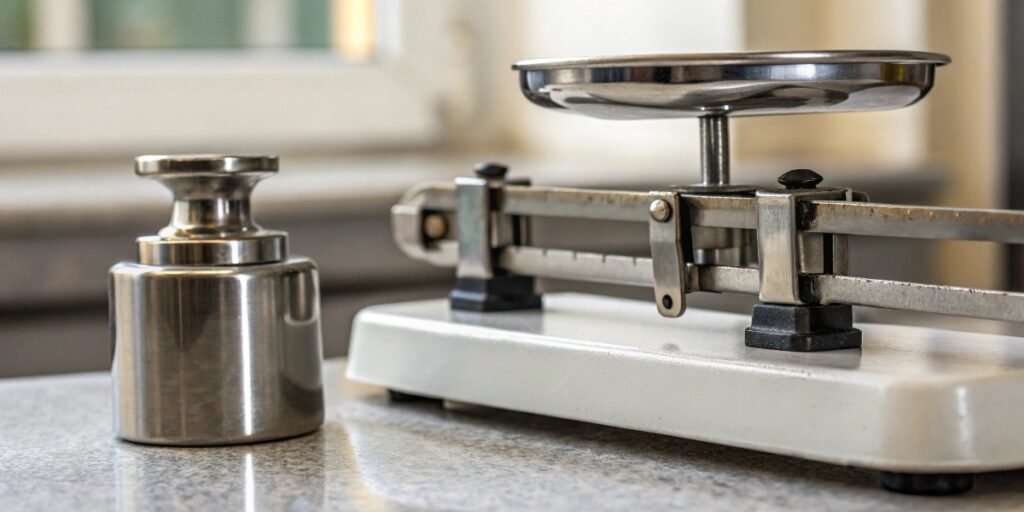
Your 100g scale is giving strange readings, messing up your work. This inaccuracy can be costly and frustrating. Don't worry, you can fix this easily with the right items.
To calibrate a 100g scale, the best method is using a certified 100g calibration weight. For emergencies, you can use everyday items with a known weight, like specific coins or unopened packaged goods, but their accuracy is not guaranteed. Always follow your scale's calibration instructions.
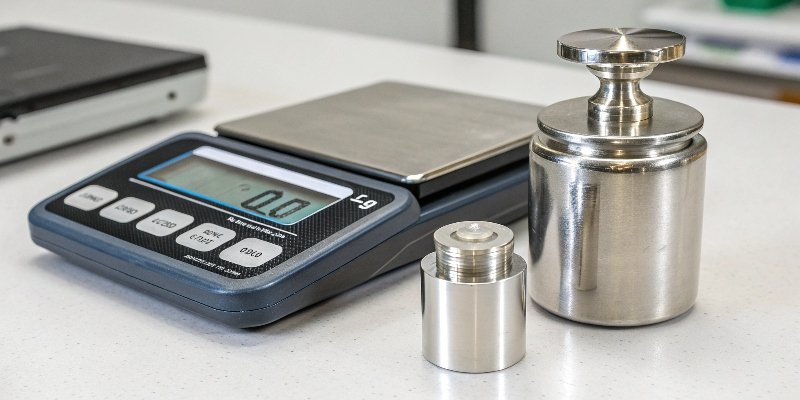
It's a common problem I see all the time in my 18 years in the weighing industry. People invest in a high-precision scale1 but they forget one crucial step: regular calibration. An uncalibrated scale is just a random number generator. The real question is, how do you make sure the number it shows you is the correct number? It's much simpler than you might think. Let’s explore the options you have, starting with things you can find right in your own home.
What items are suitable for calibrating a 100g weighing scale at home?
You need to calibrate your scale now but have no special weights. This stops you from getting the accurate measurements you need. Thankfully, your home probably has what you need.
For a temporary home calibration of a 100g scale, use items with a government-regulated weight. Unopened packaged goods showing "net weight 100g" or a specific combination of new coins can work. For example, a new US nickel weighs 5g, so 20 of them would be 100g.
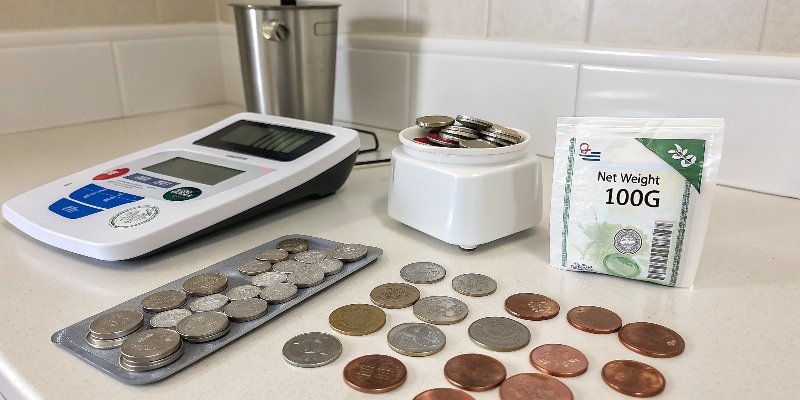
I once had a client in the food industry who was in a real pinch. Their main industrial scale failed during a production run. They had to use a small backup scale for spices, but its readings seemed off. As a quick fix, they used new, sealed spice packets clearly marked "100g" to recalibrate the scale. This allowed them to finish the batch while they waited for our technician. It’s a great example of an emergency fix. However, it's important to understand the limits of this method.
Using Household Items
Many common objects have a weight that is regulated or standardized at the time of their creation. This makes them potential, if imperfect, stand-ins for a real calibration weight.
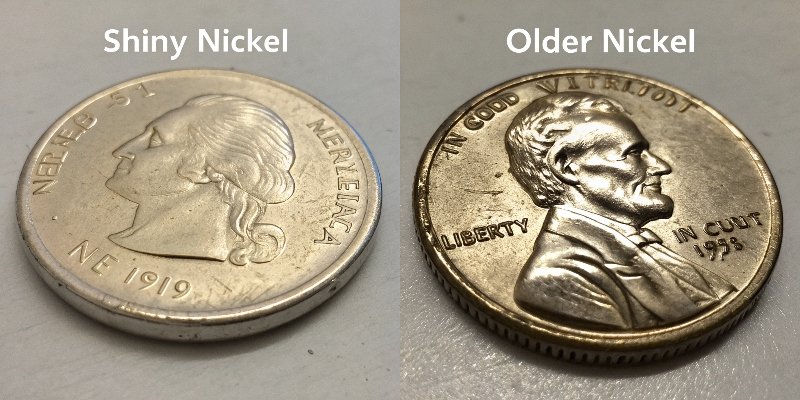
- Coins: Freshly minted coins are produced to tight weight specifications. A new US nickel is manufactured to be 5.0 grams. A brand new one-euro coin is 7.5 grams. You can combine them to reach 100g.
- Packaged Goods: Items sold by weight, like a 100g packet of sugar or an unopened drink, must legally be very close to their stated net weight2.
Accuracy Concerns
The key word here is "new." Over time, coins lose tiny amounts of metal from wear and tear, changing their weight. For packaged goods3, the stated weight is the 'net weight' of the contents, not including the packaging. There is also a small, legally allowed variance in the filling process. These items get you close, but they are not perfect.
| Item | Nominal Weight | Potential Issues | Accuracy Level |
|---|---|---|---|
| US Nickel (New) | 5g | Production variance | Medium |
| US Nickel (Used) | <5g | Wear and tear | Low |
| Packaged Goods | 100g (Net) | Packaging weight, filling variance | Medium |
| Certified Weight | 100g | None (if handled correctly) | High |
This method is fine for a non-critical task, but for anything that requires precision, you need a more reliable tool.
How do you properly calibrate a 100g scale using standard weights?
So you've got a proper calibration weight, but you are nervous to use it. Making a mistake during calibration can actually make your scale less accurate. Just follow my step-by-step guide.
First, place the scale on a level surface and turn it on to warm up. Enter its calibration mode, usually by holding a button. When prompted by the display, place the 100g standard weight on the center of the pan. The scale will lock in the weight and confirm completion.
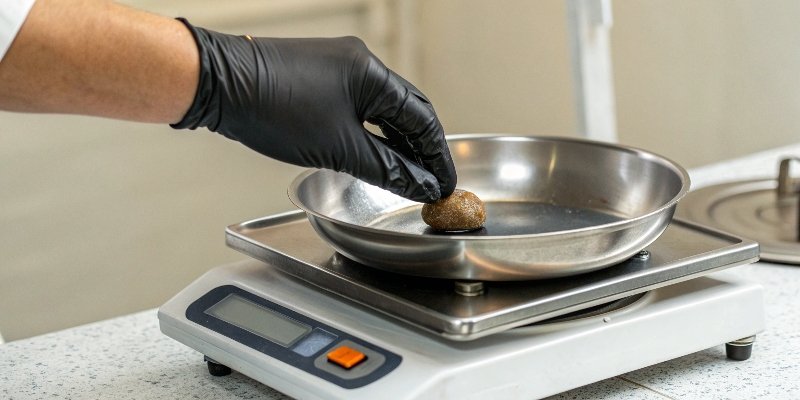
In our factory at Weigherps, every single scale is calibrated before it ships. Our quality control4 department has this process down to a science. They work in a dedicated, controlled room with no air drafts and a stable temperature. They even wear special gloves. Why this level of care? The natural oils from your fingers can add tiny, invisible amounts of weight. For a sensitive 100g scale, that's enough to affect accuracy. This attention to detail is what separates an approximation from a true, reliable measurement.
Step 1: Preparation and Environment
Your scale is sensitive to its surroundings. Before you begin, make sure the scale is on a solid, level surface. Avoid places with vibrations or air drafts from windows or vents. Turn the scale on and let it warm up for a few minutes. This allows the internal electronic components to stabilize, which is critical for an accurate calibration. A temperature of around 20°C (68°F) is ideal.
Step 2: Entering Calibration Mode
Most digital scales have a built-in calibration function. The method to access it can vary. You might need to press and hold a button labeled "CAL," "MODE," or "UNIT." Sometimes you have to press a key combination when turning the scale on. Your scale's display will change, often showing "CAL". This tells you it's ready for the next step. Always check your user manual for the exact procedure for your model.
Step 3: Performing the Calibration
Once in calibration mode5, the display will flash the required weight, in this case "100.00g". Carefully place your 100g standard weight in the center of the weighing pan. Placing it in the center is important to avoid errors. The scale will then perform its calculation. After a few seconds, it will show "PASS" or lock onto the 100g reading. You can then remove the weight. Your scale is now calibrated and ready for accurate weighing.
Can household objects be used for calibrating a 100g scale, and how accurate are they?
Thinking of using a coin or a pack of sugar to calibrate your scale? It's a tempting shortcut. But you have to wonder if this is a reliable trick or a recipe for bigger problems.
Household objects can be used for a rough, emergency calibration, but they are not very accurate. A coin's weight changes with wear, and a 100g product's net weight has legal variances. They can get you in the ballpark but should not replace certified weights for any task that needs precision.
A software developer client once asked me if they could use soft drink cans from their office vending machine to check their small lab scales. I explained that while a 330ml can is designed to hold 330g of liquid, the empty aluminum can itself varies in weight, and the filling process has tolerances. For their work, an error of just one gram could corrupt their data. This is exactly why we, as a professional manufacturer, strongly recommend certified weights6. They provide certainty, not just an approximation.
The Problem with Coins
Governments have a "mint tolerance," which is a small range of acceptable weights for a new coin. For a US nickel, the official weight is 5.0 grams, but it can legally vary slightly. More importantly, as soon as a coin enters circulation, it starts to wear down. This friction slowly removes metal, reducing its weight over time. An old, worn coin will not weigh the same as a new one.
The Issue with Packaged Goods
For consumer goods sold by weight, laws are in place to protect the customer. Manufacturers often use an "average weight system." This means that over a large batch, the average weight of the packages must be at or above the stated net weight. However, any single package can be slightly over or under. A 100g bag of coffee might contain 99.5g or 100.5g. This is fine for coffee, but not for calibration.
When "Close Enough" Isn't Good Enough
For kitchen use, a half-gram error might not matter. But if you're a jeweler, a scientist, or working in quality control, "close enough" can lead to serious mistakes. In my business, we build weighing systems for industries where precision is non-negotiable. An inaccurate measurement can lead to failed products and financial loss. Using an uncertified object like a coin is a gamble on accuracy that you shouldn't take in a professional setting.
Where can you purchase certified calibration weights for a 100g digital scale?
You have decided you need a proper calibration weight to ensure you get real accuracy. But a quick search online can give you a confusing list of options. Let me guide you to the right places.
Certified calibration weights can be bought from specialized scale manufacturers like us at Weigherps, from scientific supply companies, and on major online retailers like Amazon. Look for weights with a specified accuracy class (like M1) and check if they come with a certificate of accuracy.
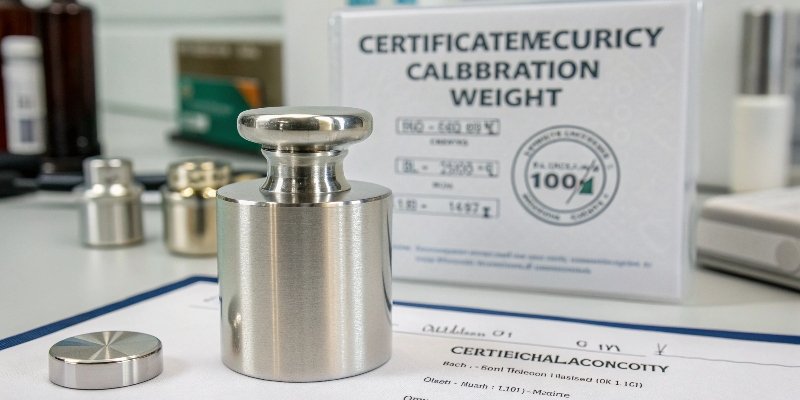
As a manufacturer, we don't just sell scales. We provide the complete weighing solution. This includes all the necessary accessories, like certified weights. It's important to us that our customers have everything they need to use our products correctly and reliably. This one-stop-shop approach ensures that the scale and the weight you use to calibrate it are a perfect match, giving you peace of mind and accurate results.
Direct from Scale Manufacturers
The safest bet is to buy from a scale company, like us. We know exactly what kind of weight is needed for our products. We can ensure you get the right class of weight with the traceability you need. This is especially helpful if you need to prove your scale's accuracy for business or legal reasons.
Scientific and Industrial Suppliers
Companies that supply labs and factories are excellent sources for high-quality weights. They sell weights in different classes of accuracy, from the basic M1 class to the ultra-precise E1 and E2 classes. For most 100g scales, an M1 class weight7 is more than enough. These suppliers almost always provide a certificate of accuracy.
Online Marketplaces: A Word of Caution
Websites like Amazon and eBay offer convenience and competitive pricing. However, you must be careful. Look for weights made from stable materials like stainless steel, not chrome-plated steel that can chip. Read seller reviews carefully and ensure the product listing clearly states the accuracy class (e.g., M1). Many cheap options are not truly certified and are no better than using a household object.
| Source | Best For | What to Look For |
|---|---|---|
| Scale Manufacturer (Weigherps) | Guaranteed compatibility, support | Bundles, official accessories section |
| Scientific Supplier | Lab/Analytical scale users | NIST-traceable certificate, high class (F1, E2) |
| Online Retailer (Amazon) | Convenience, price comparison | Seller reviews, stated M1 class, material |
Conclusion
Regular calibration is key to accurate measurements. Use a certified 100g weight for the best results, or household items for just a quick fix. Proper calibration ensures your scale remains trustworthy.
-
Learn about high-precision scales and their importance in various industries by visiting this informative link. ↩
-
Understand the concept of net weight and its implications for using packaged goods in calibration. ↩
-
Learn about the types of packaged goods that can be used for calibration and their accuracy levels. ↩
-
Learn about the importance of quality control in ensuring the accuracy and reliability of scales. ↩
-
Get step-by-step instructions on entering calibration mode for your scale to ensure precise measurements. ↩
-
Find trusted suppliers for certified weights to ensure your scale's accuracy and reliability. ↩
-
Discover the significance of M1 class weights in calibration and where to find them. ↩



Comments (0)