
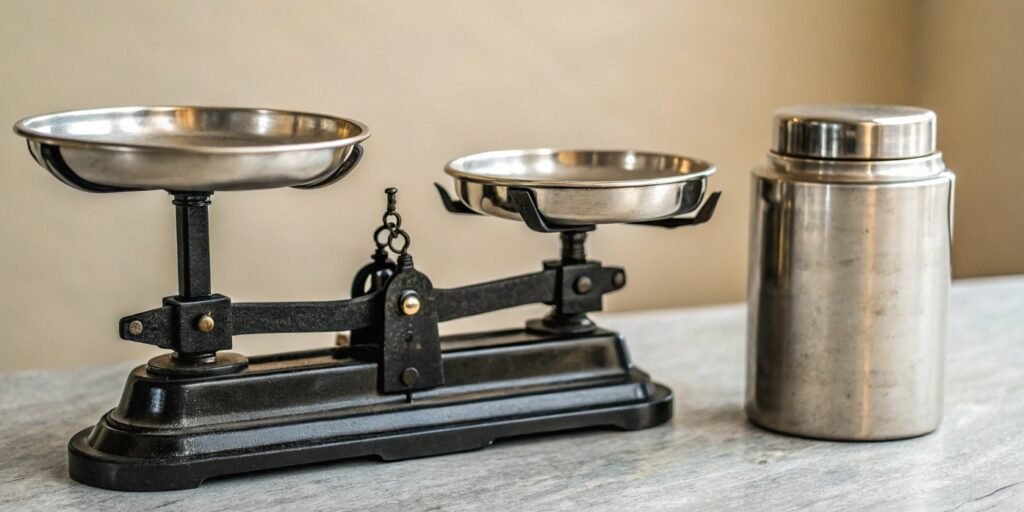
Confused by the 'TARE' button on your scale? Ignoring it can lead to costly mistakes and waste. It's a simple function, but critical for accuracy in any industrial weighing process.
'TARE' is a function that subtracts the weight of a container from the total weight. This allows the scale to display only the net weight of the items being measured. It is essential for getting precise measurements without doing manual calculations or guesswork.
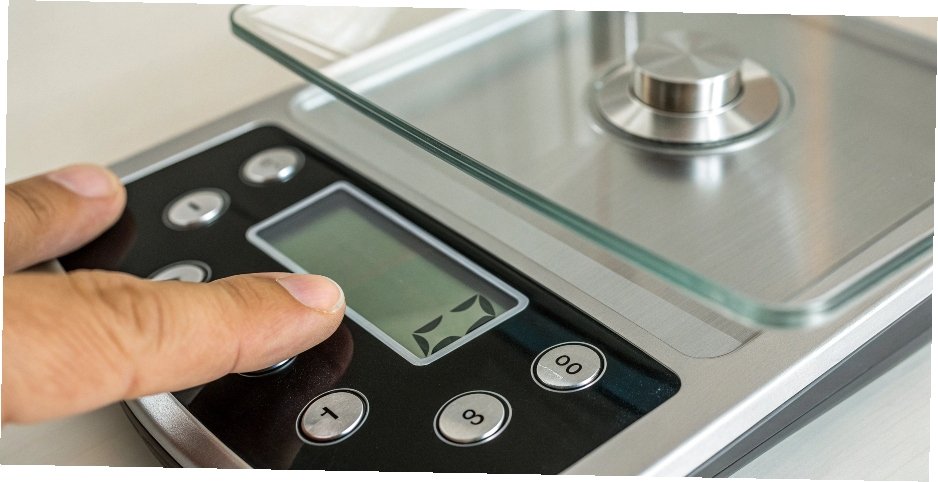
I've seen firsthand how a simple misunderstanding of a scale's functions can disrupt an entire production line. The TARE1 button is one of the most powerful yet frequently misused features. Understanding it fully is the first step toward achieving perfect measurement consistency. Let's break down exactly how it works and why it's so different from just zeroing the scale. This small detail can have a huge impact on your efficiency and bottom line.
What does tare do on a scale?
Need to weigh ingredients for a batch, but the container's weight gets in the way? This small inaccuracy can ruin a formula, leading to product failure and unnecessary waste.
The tare function resets the scale's display to zero while a container is on the platform. When you add your product, the screen shows only the weight of the product itself. This completely ignores the container's weight for a true net measurement.
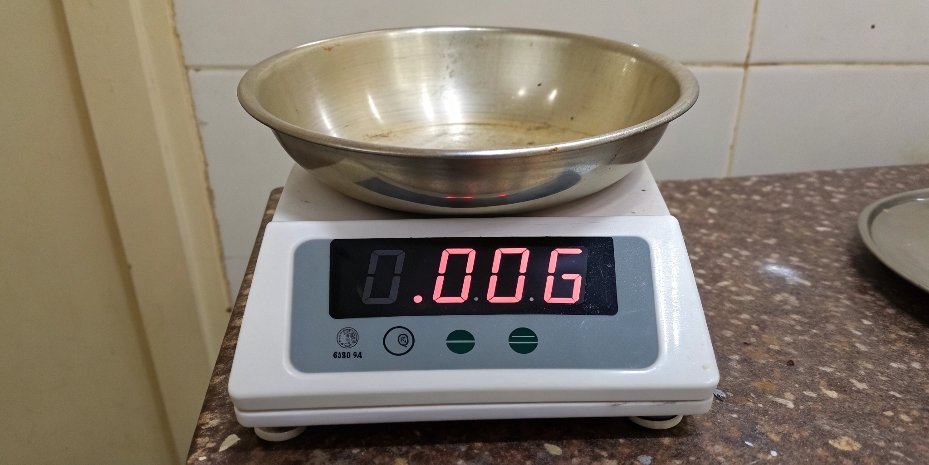
The tare function is a cornerstone of efficient weighing. In my years of designing weighing systems, I've seen how this simple action saves countless hours and prevents errors. It works by having the scale's internal processor record the weight of the container—what we call the "tare weight2"—and store it in its memory. Then, for every subsequent measurement, it automatically subtracts this stored value from the total weight on the platform. This means the operator doesn't have to do any math. The scale does the work, ensuring speed and precision every time.
How It Works Step-by-Step
- Place the empty container on the scale platform.
- Wait for the weight reading to stabilize.
- Press the TARE button. The display will reset to "0".
- Add the product you want to measure into the container.
- The display now shows only the net weight of the product.
The Key Advantages of Taring
| Advantage | Description |
|---|---|
| Efficiency | Eliminates the need for manual subtraction, speeding up the weighing process. |
| Accuracy | Reduces the chance of human error, leading to more consistent and reliable results. |
| Simplicity | Makes complex weighing tasks, like batching multiple ingredients, straightforward. |
What is the difference between taring and zeroing a scale?
You see two buttons: TARE and ZERO. Using the wrong one can throw off your measurements. This confusion can lead to inaccurate data and potential compliance issues, especially in regulated industries.
Zeroing resets the scale to zero when the platform is empty, correcting for drift or debris. Taring resets the display to zero with a container on it, allowing you to measure only what's added next. Zero is for an empty scale; Tare is for an occupied scale.
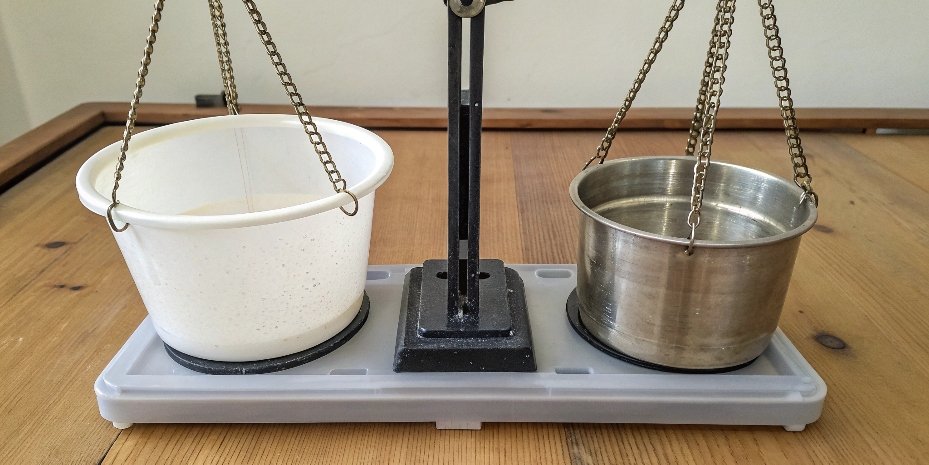
I often explain to our clients that the ZERO function establishes the scale’s true, absolute zero point. You should do this before any weighing session begins to ensure the scale is properly calibrated for an empty platform. Any dust, debris, or temperature change can cause a slight drift, and hitting ZERO corrects for that. The TARE function, on the other hand, creates a temporary, or relative, zero point. It tells the scale, "ignore the weight that's currently on you and only show me the weight of what I add next." This distinction is critical for maintaining the integrity of your measurements throughout the day.
When to Use the ZERO Function
Use the ZERO button when the scale platform is completely empty. This should be done at the start of a new weighing process or if you notice the display doesn't show "0.00" when nothing is on it. It re-establishes the baseline for all measurements.
When to Use the TARE Function
Use the TARE button when you have a container, packaging, or vessel on the scale that you do not want to include in the final weight measurement.
Comparing TARE vs. ZERO
| Function | Purpose | When to Use |
|---|---|---|
| ZERO | Sets the scale's true zero point. | When the platform is empty. |
| TARE | Ignores a container's weight to measure net weight. | When a container is on the platform. |
When should you tare a scale?
Not sure exactly when to hit the TARE button? Guesswork can lead to inconsistent measurements. This undermines quality control and makes batch replication nearly impossible, costing your company time and money.
You should tare a scale anytime you need the net weight of a product that is inside a container. This is standard in food production, chemical mixing, and packaging, ensuring you only weigh the valuable product, not its container.
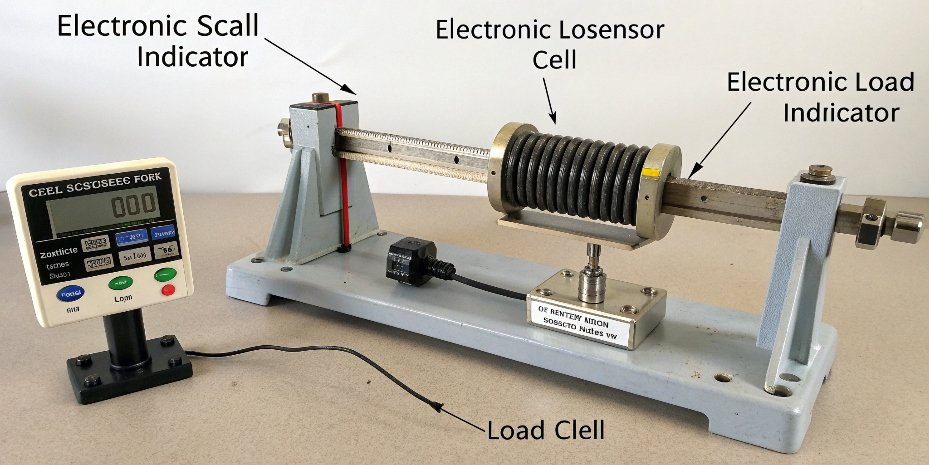
In my experience providing solutions for various industries, the need for taring is almost universal. It’s not just a convenience; it’s a requirement for precision. For a task to be effective, it is important to always make sure the weight reading is stable before you press the TARE button. If the numbers are fluctuating, the scale cannot get an accurate tare weight, which will compromise the final measurement. This is especially important in dynamic weighing situations or environments with vibrations. Taking that extra second to ensure stability pays off in accuracy. Once tared, you can add multiple ingredients into the same container, taring after each one to measure them individually. This process, known as cumulative weighing, is a huge time-saver.
Common Industrial Scenarios
- Food Production: Measuring individual ingredients for a large batch recipe.
- Pharmaceuticals: Precisely weighing active compounds and excipients for medication.
- Logistics & Shipping: Finding the net weight of a product by taring the weight of the pallet and packaging.
- Chemical Manufacturing: Mixing specific ratios of chemicals where accuracy is paramount for safety and quality.
Best Practices for Taring
- Ensure the scale is on a level, stable surface.
- Press ZERO to set a true zero point before starting.
- Place the empty container on the scale.
- Wait for the reading to become completely stable.
- Press TARE.
- Proceed with adding your product.
Is tare weight full or empty?
You hear "tare weight" and "net weight" used in reports, but the terms get mixed up. This confusion causes major errors in shipping and inventory records, leading to financial losses.
Tare weight is the weight of an empty container, packaging, or vehicle. It is the weight subtracted from the total (gross) weight to find the net weight of the product. Tare weight is always the "empty" weight.
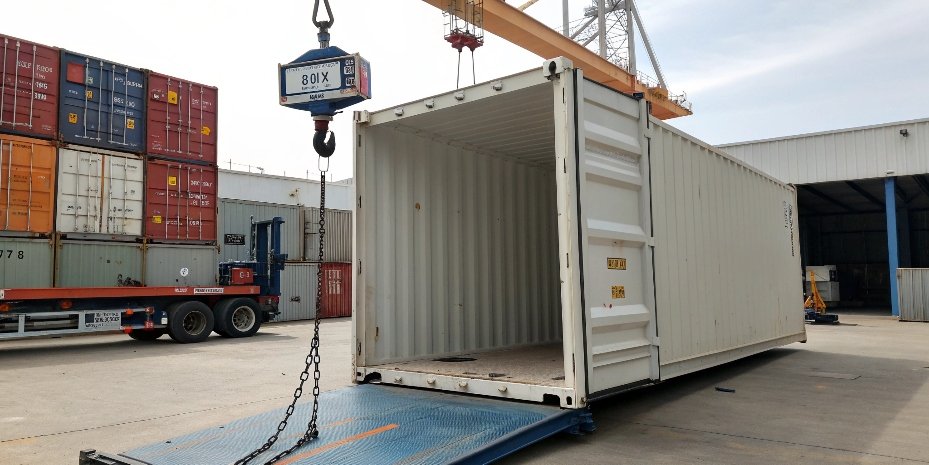
Understanding the relationship between gross, tare, and net weight is fundamental in the world of logistics and manufacturing. I always use the simple example of a truck on a weighbridge. The weight of the empty truck is its tare weight. After it’s loaded with cargo, we weigh it again to get the gross weight (the total weight of the truck plus its cargo). The actual weight of the cargo itself, which is what the customer is paying for, is the net weight. The process is identical whether you're weighing a truck or a small box in a factory. The tare function on any scale automates the calculation, but knowing the terminology is key to keeping records straight.
Defining Key Weighing Terms
The relationship is a simple formula that we rely on every day: Gross Weight - Tare Weight = Net Weight.
A Practical Example: Weighing Shipments
| Term | Definition | Example (Truck with Cargo) |
|---|---|---|
| Tare Weight | The weight of the empty container or vehicle. | The weight of the empty truck (e.g., 15,000 kg). |
| Gross Weight | The total weight of the container plus its contents. | The weight of the loaded truck (e.g., 25,000 kg). |
| Net Weight | The weight of the contents alone. | The weight of the cargo (10,000 kg). |
Conclusion
Mastering the tare function is simple yet vital for accurate weighing. It improves efficiency and prevents costly errors, making your operations more precise, reliable, and ultimately more profitable.



[…] a great cup of coffee is all about repeatable precision. The Tare button4 is your best friend here. I remember when I first started getting serious about my morning coffee. […]
[…] tap the icon you need. A touch screen on a scale works the same way. All functions, from setting a tare1 weight to searching for a product code, are right there on the screen. There are no secret button […]