
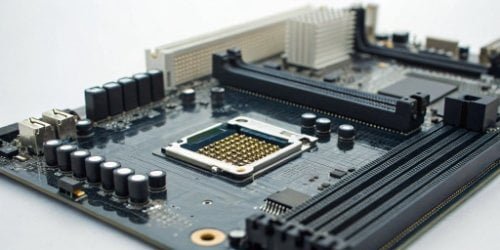
Are your scales just islands of data? This isolation slows down your operations and creates errors. Smart PC scales integrate computing power, connecting your weighing data to your business.
A smart PC scale is defined by its integrated computer, which runs a full operating system like Android or Windows. This allows it to run complex software, connect to networks via Wi-Fi or Ethernet, and function as an intelligent data terminal, not just a simple measurement tool.
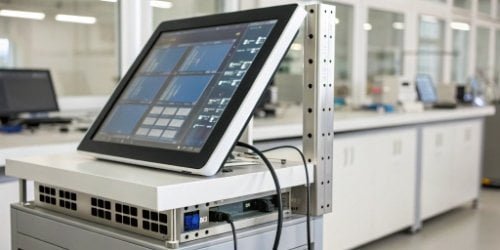
That is the short answer. But the real difference is in the details and the impact on your business. When I first started in this industry over 19 years ago, a scale just gave you a number on a small display. Now, a scale can be the central brain for a whole workstation. Its evolution from a simple tool to a smart device is what gives our clients a real competitive edge. To truly understand its value, we need to look closer at what sets it apart from the old models you might be used to seeing. Let’s dig into the specific features and anwser this question together.
What Features Define a Smart PC Scale Compared to Traditional Models?
Do traditional and smart scales look similar? Choosing the wrong one means missing critical efficiency gains. Smart scales are defined by their integrated PC, software, and advanced connectivity features.
Smart PC scales feature integrated processors, operating systems (like Android), high-resolution touchscreens, and multiple I/O ports. Unlike traditional scales that only display weight, these features allow for running custom applications, local data management, and seamless network integration, making them powerful and versatile.
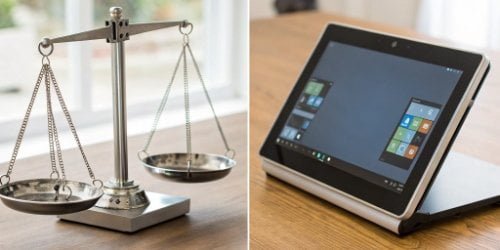
The gap between a traditional scale and a smart PC scale1 is significant. I remember a client in the food processing industry who was manually writing down weights and then entering them into a spreadsheet. The process was slow and full of errors. Upgrading to a smart PC scale changed everything for them. The new scale automatically captured the weight, identified the product with a barcode scanner, and sent the data directly to their inventory system2. The difference is not just about convenience; it’s about fundamentally changing the workflow. Let’s break down the core components that make this possible.
The Onboard Computer vs. A Simple Display
A traditional scale has a simple load cell and a display. A smart PC scale has a full-fledged computer inside. This means it has a processor, RAM, and storage. It can run a familiar operating system3, giving you the power of a tablet or PC right on your weighing station.
The User Interface and Experience
The user interface4 is another major difference. Old scales have basic buttons and a seven-segment display. A smart PC scale has a high-resolution, full-color touchscreen. This allows for intuitive, graphical interfaces, custom on-screen keyboards, and the ability to display detailed product information or instructions to the operator.
Key Differences at a Glance
| Feature | Traditional Scale | Smart PC Scale |
|---|---|---|
| Processor | Basic Microcontroller | Multi-core CPU |
| Operating System | None / Proprietary | Android, Windows, or Linux |
| Display | Simple LED/LCD | High-Res Touchscreen |
| Software | Fixed Firmware | Custom & 3rd-Party Apps |
| Connectivity | None / RS-232 | Wi-Fi, Ethernet, USB, BT |
| Data Handling | Display Only | Process, Store, & Transmit |
How Do Smart PC Scales Utilize Technology to Improve Functionality?
Wondering if a smart scale is more than a fancy screen? This view overlooks its true potential. Smart scales use embedded technology to automate tasks and directly integrate with your business systems.
They use powerful processors and operating systems to run software directly on the scale. This enables functions like real-time inventory tracking, automatic label printing, and direct API communication with ERP or WMS systems. The scale becomes an active, intelligent node in your operational network.
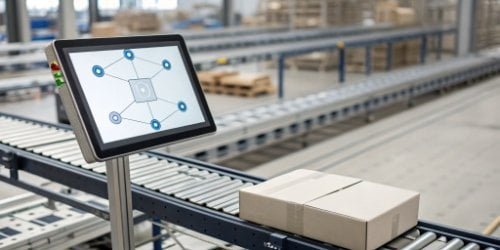
Technology isn’t just added for the sake of it; every component serves a purpose to make your operations smoother, faster, and more accurate. As a manufacturer, we work closely with software vendors like you to make sure our hardware is not a closed box. We design our scales so that your software can harness the full potential of the technology inside. This means providing robust APIs and a stable environment for your applications to run. It’s a partnership where our reliable hardware becomes the foundation for your innovative software solutions.
Automation of Repetitive Tasks
The onboard computer can automate tasks that operators used to do manually. For example, when an item is placed on the scale, a connected barcode scanner can identify it. The scale’s software can then instantly pull up the product’s tare weight, calculate the net weight, and check it against quality control tolerances, all without the operator pressing a single button.
Seamless System Integration
This is where software vendors find the most value. With rich connectivity and an open OS, the scale can talk directly to other business systems. Using APIs, it can send weight data to your Warehouse Management System (WMS) to update stock levels, push information to an Enterprise Resource Planning (ERP) system for billing, or log quality control data in a central database. This eliminates manual data entry and ensures information is consistent across your entire organization.
Localized Data Intelligence
The scale doesn’t just pass data along; it can also process it locally. This is a form of edge computing5. It can run applications that perform calculations, validate data, and make decisions right at the workstation. This makes the system faster and more reliable, as it can continue to function even if the central network connection is temporarily lost.
What Innovations Turn a Regular PC Scale into a Smart Device?
Curious about the jump from a regular to a smart scale? Without knowing the key innovations, you’ll miss its value. The transformation happens through software, modular design, and IoT readiness.
The key innovations are adopting open-source operating systems like Android for easy app development, using a modular hardware design for simple upgrades, and integrating modern IoT protocols for communication. This turns a fixed-function device into a flexible, future-proof platform.
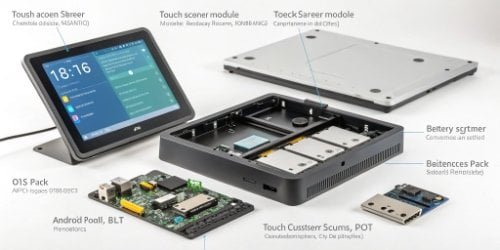
The word “innovation” gets used a lot. For us, it means making practical changes that solve real problems for our clients. One of the biggest shifts was moving away from proprietary, closed systems. We realized that our clients, especially software companies, needed freedom and flexibility. They didn’t want to be locked into one vendor’s limited software. By embracing open platforms, we empower you to build the exact solution your customers need on top of our proven hardware. This spirit of openness is what truly defines a modern smart device.
The Power of an Open Operating System
Using an OS like Android is a game-changer. It gives developers a familiar environment and powerful tools (SDKs and APIs) to create custom applications6. A logistics company can develop an app for package dimensioning and sorting. A food manufacturer can create an app for recipe management and batch control. The possibilities are nearly endless, and you are no longer limited by the scale manufacturer’s built-in software.
Modular and Upgradeable Hardware
A smart PC scale is designed to evolve. Many of our models have a modular design7. This means components like the scanner, printer, or even the main processing board can be upgraded or replaced without changing the entire unit. If a new, faster scanning technology comes out, you can simply swap the module. This approach protects your investment, lowers the total cost of ownership, and ensures the hardware can keep up with your software’s demands.
Edge Computing Capabilities
Instead of sending every piece of raw data to the cloud, a smart scale can process it “at the edge.” It can filter, analyze, and aggregate data locally. This reduces network traffic, improves response times, and enhances security. For example, the scale can validate a weight against a local database of rules before sending just the final, approved result to the central server.
How Does Connectivity Enhance the Capabilities of a Smart PC Scale?
Is connectivity on a scale just a minor feature? This mindset ignores its revolutionary impact. Connectivity transforms an isolated scale into a powerful, integrated node in your business intelligence network.
Connectivity (Wi-Fi, Ethernet, Bluetooth, 4G/5G) allows the scale to sync data in real time with cloud platforms, servers, and other machines. It enables over-the-air software updates, remote diagnostics, and integration with mobile devices, creating a truly unified and intelligent workflow.

Connectivity is the thread that ties everything together. My core insight is that today’s smart PC scale is an “Internet of Everything” device. It is born from the idea that every piece of equipment in your facility can and should be connected. Connectivity is not an add-on; it’s the fundamental feature that enables all other smart capabilities. It allows a scale in your warehouse in one country to be managed from your headquarters in another. This is the power we build into our products, ensuring that your business runs on real-time, accurate, and accessible information, no matter where it comes from.
Real-Time Data Synchronization
Imagine a packing station where the weight of every parcel is instantly updated in your shipping software, which then automatically prints the correct label and notifies the customer. This is possible through real-time data sync. There is no delay, no batch uploads at the end of the day. The information flows seamlessly from the physical world to your digital systems, increasing efficiency and reducing errors.
Remote Management and Maintenance
For a Technical Director, managing a fleet of devices is a big challenge. Connectivity makes it simple. From a central dashboard, you can monitor the status of all your scales, deploy software updates to all of them at once, and even diagnose problems remotely. This drastically reduces downtime and lowers maintenance costs, as technicians don’t have to be physically present for every issue. We provide this capability because we know that long-term support is critical.
Building a True IoT Ecosystem
A connected scale doesn’t just talk to servers; it talks to other devices. It can signal a conveyor belt to stop when a package is overweight. It can receive instructions from a robotic arm. This machine-to-machine (M2M) communication is the foundation of a smart factory or warehouse. The PC scale is no longer just a scale; it’s a sensory organ and a decision-making point in a larger, intelligent organism.
Conclusion
A smart PC scale is a connected computer that weighs things. It integrates hardware and software to automate workflows, provide real-time data, and drive business growth through IoT connectivity.
- Explore how smart PC scales revolutionize weighing processes with integrated computing power. ↩
- Explore the integration of smart scales with inventory management systems. ↩
- Discover the role of operating systems like Android and Windows in smart scales. ↩
- Understand how an intuitive user interface improves operator experience. ↩
- Understand the advantages of processing data locally in smart scales. ↩
- Explore the potential of custom applications to meet specific business needs. ↩
- Find out how modular design allows for easy upgrades and flexibility. ↩

Comments (0)