
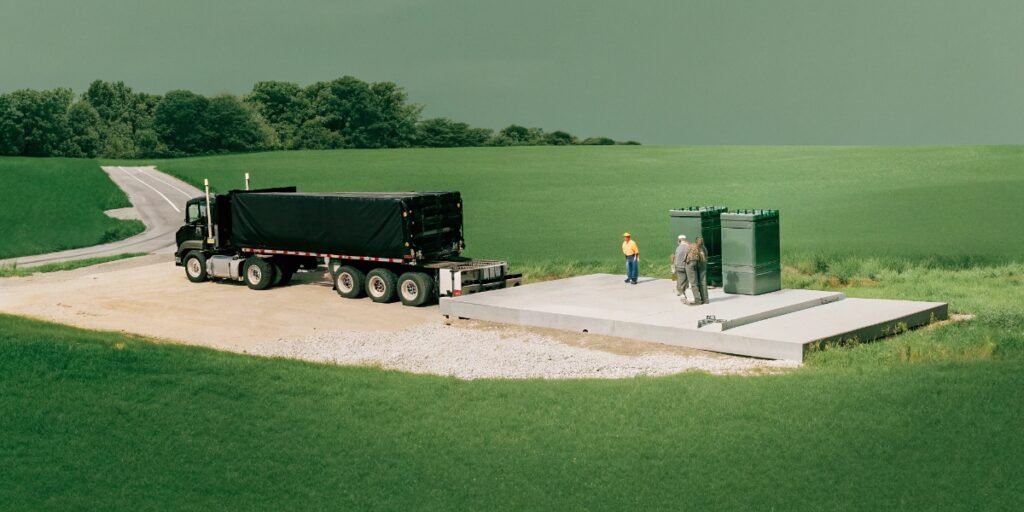
Installing a weighbridge seems easy, but mistakes are expensive. Inaccurate readings and frequent repairs hurt your business. We'll help you consider every factor for a flawless setup.
To install a truck scale correctly, you must choose the installation type (surface vs. pit), ensure enough space for approaches, and manage environmental factors like drainage. Also, consider long-term maintenance needs.
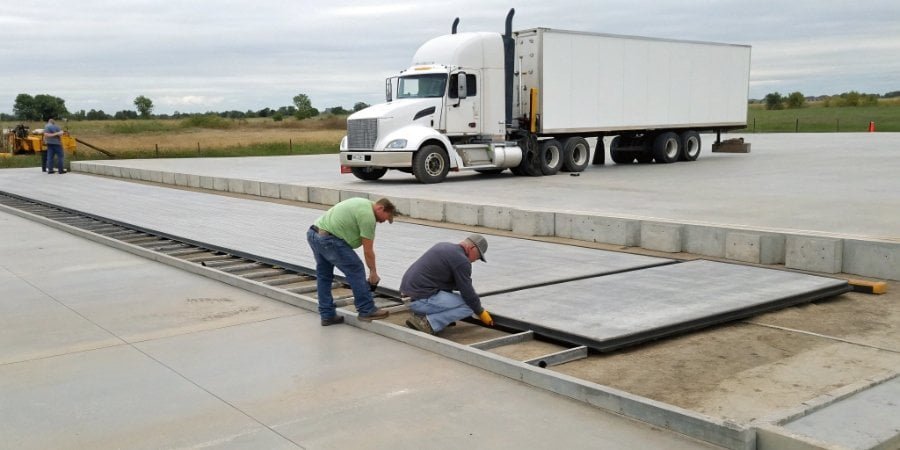
Getting the big picture is the first step. But the real success of your weighbridge1 comes down to the details. Each decision, from the deck material2 to the drainage plan, impacts your daily operations and budget. As a manufacturer with 18 years of experience, we've seen it all. Let's break down these critical factors one by one so you can make the best choice for your business.
What are the pros and cons of steel deck vs. concrete deck weighbridges?
You need a durable weighbridge deck. But one choice is faster to install, while the other offers better traction. Making the wrong decision can cause delays or safety issues.
Steel decks are faster to install and relocate but can be slippery and prone to rust. Concrete decks offer superior traction and corrosion resistance but take longer to install due to curing time.

The deck is the surface your trucks drive on, and choosing between steel and concrete is one of the first decisions you'll make. Each has distinct advantages that suit different environments and operational needs. We help clients weigh these options daily. A steel deck is prefabricated, which means it arrives at your site ready to be installed. This significantly cuts down on-site construction time. However, a plain steel surface can become slippery in wet or icy conditions. On the other hand, a concrete deck provides excellent traction3 and is naturally resistant to corrosion. But, it requires pouring concrete and waiting for it to cure, which can add weeks to your project timeline.
Here’s a simple breakdown to help you compare:
| Feature | Steel Deck | Concrete Deck |
|---|---|---|
| Installation Speed | Fast (1-2 days) | Slow (2-4 weeks due to curing) |
| Traction | Lower (can be slippery when wet) | High (naturally textured) |
| Maintenance | Requires painting to prevent rust | Minimal surface maintenance |
| Relocation | Easier to move | Difficult and costly to move |
Your climate and cargo are key. For rainy regions or sites ahere spills are common, concrete's traction is a major safety benefit. If you need to get operational fast or might relocate in the future, steel is often the better choice.
How much space is required for a truck scale's approach and exit?
You assume any flat area is fine for a scale. But improper approaches cause inaccurate weights and can even damage the scale. Don’t let a simple layout mistake cost you thousands.
You need a straight, level approach on both ends of the scale. A good rule of thumb is to have at least 10 meters, or the length of the longest truck that will use it.
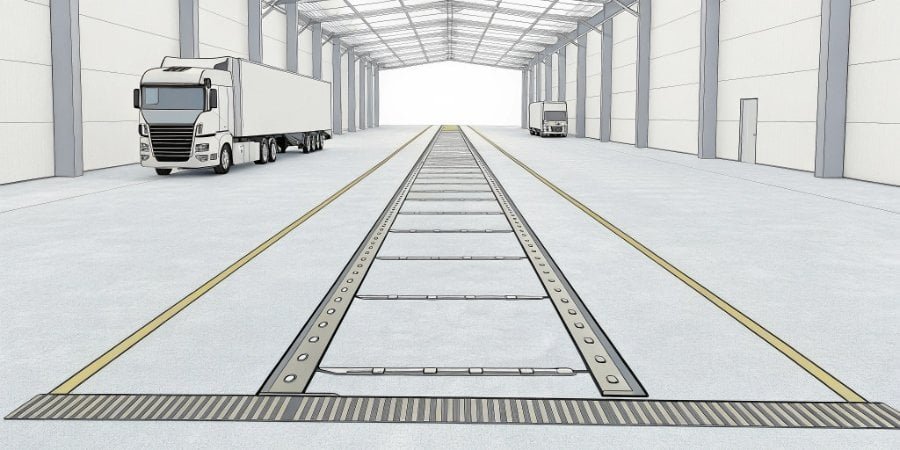
The space around your truck scale4 is just as important as the scale itself. An inadequate approach is one of the most common installation mistakes I see. It directly leads to inaccurate weighing. If a truck's wheels are on an incline or decline when it’s on the scale, its weight isn't distributed evenly, and the reading will be wrong.
The "Straight and Level" Rule
To get an accurate weight, the entire truck must be on a flat, level surface. This is why we recommend a straight and level approach that is at least as long as the longest truck you plan to weigh. For most operations, 10 meters (about 33 feet) on both the entry and exit sides is a safe minimum. This ensures that even the largest tractor-trailers can pull on and off the scale smoothly without any part of the vehicle being on a slope.
Planning for Traffic Flow
Beyond the immediate approach, think about your overall site traffic. You need enough room for trucks to maneuver without difficult turns right before or after the scale. You should also plan for a queuing lane if you expect multiple trucks to arrive at once. This prevents traffic from backing up onto public roads and keeps your operation running efficiently. I remember a client whose scale was too close to their entrance; they had constant traffic jams until they redesigned the layout.
How do environmental factors like drainage and lightning affect truck scale installation?
You've picked the perfect spot, but have you considered the weather? Water and lightning are silent killers of weighbridges, leading to expensive electronic failures and downtime you can’t afford.
Proper drainage is crucial to prevent water from pooling and damaging load cells and foundations, especially for pit scales. A robust lightning protection system with proper grounding is also essential.
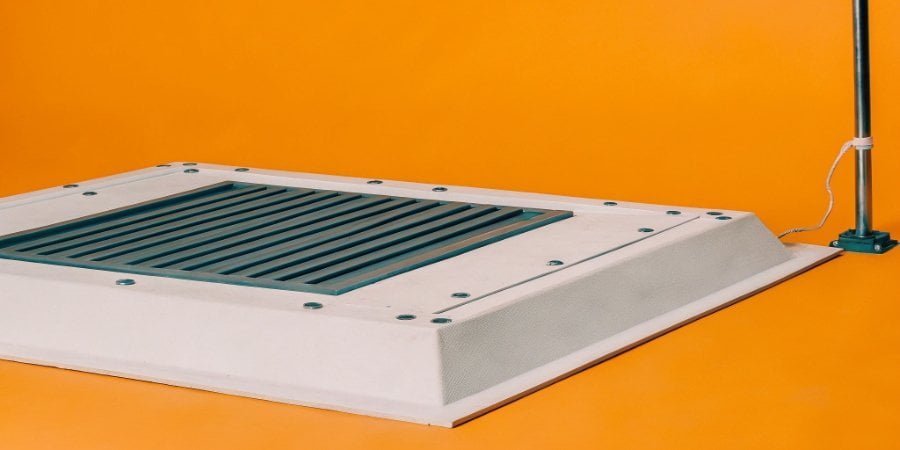
Your truck scale lives outdoors, exposed to everything nature throws at it. At Weigherps, we design our scales to be tough, but a smart installation plan is your first line of defense against the environment. Overlooking simple things like water flow or electrical storms can lead to disaster.
Keeping Your Scale Dry
Water is the enemy of electronics and foundations. Your installation site must have good drainage. This means the concrete foundation should be slightly higher than the surrounding ground, allowing water to run off naturally. For a pit-mounted scale, this is even more critical. A pit will act like a basin, collecting rainwater and debris. A reliable sump pump is not optional; it’s a requirement to keep your load cells and steel structure from sitting in corrosive water.
Protecting Against Lightning Strikes
A truck scale is a large metal object in an open area, making it a natural target for lightning. A direct or nearby strike can send a massive power surge through the system, destroying sensitive load cells and indicators. As part of our service, we always advise on a proper lightning protection5 system. This includes grounding the scale deck itself and installing transient protectors in the junction box and indicator to shield the electronics from surges. This small investment can save you from tens of thousands of dollars in repairs.
Checking What's Underneath
Before you ever break ground, check what lies beneath. We always ask clients to verify soil stability6 and check for underground utilities like water pipes, gas lines, or electrical cables. Poor soil may require a more robust foundation to prevent settling, which would ruin the scale's accuracy. Hitting a utility line during excavation is a costly and dangerous mistake.
What are the maintenance differences between a pit-mounted and a surface-mounted truck scale?
Your scale is installed, but maintenance feels like a chore. With a pit scale, you might dread cleanouts, while a surface scale has its own challenges. Let's simplify your upkeep plan.
Surface-mounted scales offer easy access for cleaning and visual inspection of all components. Pit-mounted scales save space but require more effort to clear debris from underneath and follow safety procedures.
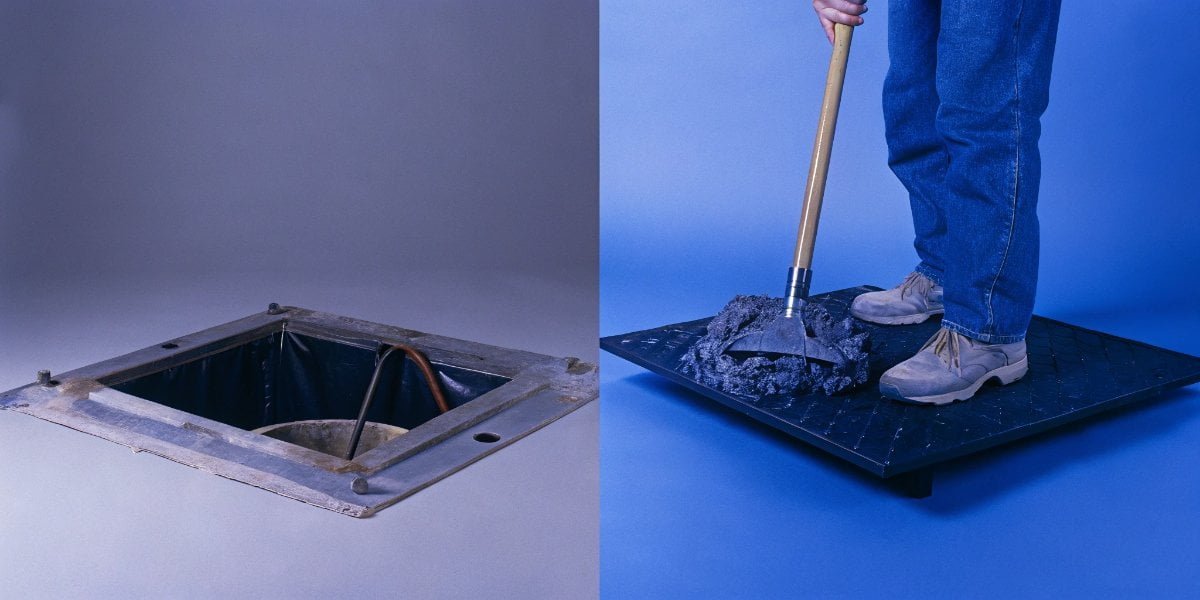
The installation style you choose—surface or pit—directly impacts your long-term maintenance7 workload and costs. One is not universally better than the other; the right choice depends on your space constraints and how much time you can dedicate to upkeep. In our experience, clients are happiest when they know what to expect from day one.
A surface-mounted scale is the clear winner for ease of maintenance. You can see all the important parts—load cells, cabling, and the foundation—with a simple walk around. Cleaning is as easy as using a pressure washer to remove dirt from the sides. If a component fails, a technician has open access to repair or replace it.
A pit-mounted scale, while great for saving space, requires more dedication. Debris like mud, snow, and trash can fall into the pit and build up. If this buildup becomes significant, it can physically block the scale from moving freely, leading to inaccurate weights. Cleaning it out requires someone to enter the pit, which is a confined space and demands proper safety protocols.
| Feature | Surface-Mounted | Pit-Mounted |
|---|---|---|
| Cleaning Access | Excellent | Difficult (confined space) |
| Component Inspection | Easy (visual) | Requires pit entry |
| Debris Buildup | Minimal | High (requires regular cleaning) |
| Water Removal | Natural runoff | Requires sump pump |
Regular maintenance is covered by our 12-month after-sales service guarantee, but understanding these differences helps you plan for the years ahead.
Conclusion
The right installation plan, considering type, space, environment, and maintenance, is key. This ensures your truck scale provides accurate, reliable data for years to come, maximizing your investment.
-
Understanding weighbridges is crucial for accurate weight measurement in logistics. ↩
-
Choosing the right deck material can significantly impact your scale's efficiency and safety. ↩
-
Traction is vital for safety; learn how to choose the right deck material. ↩
-
Explore various truck scale types to find the best fit for your business needs. ↩
-
A good lightning protection system can save you from expensive repairs and downtime. ↩
-
Ensuring soil stability is crucial for the accurate functioning of your weighbridge. ↩
-
Understanding maintenance needs helps you plan for the future and avoid costly repairs. ↩



[…] is the first step. But the real-world application often comes down to one key decision: the installation style1. Let's explore the most common installation types and see how they impact your day-to-day […]