

Are you worried about the hidden costs and legal troubles of an overloaded truck? This issue can lead to serious fines and operational delays, hurting your bottom line and reputation.
An overweight truck at a weigh station faces immediate fines, mandatory cargo unloading, and driver's license penalties. For your business, this means expensive delays, potential vehicle impoundment, and even legal action against the transport company, disrupting your entire supply chain.
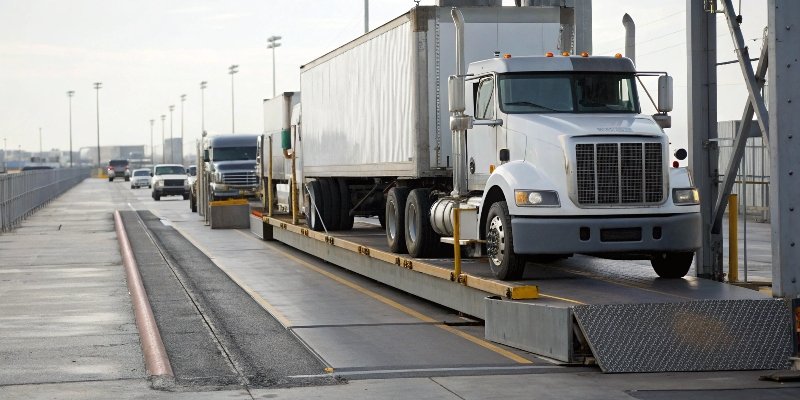
I've been in the industrial weighing business for 18 years, and I've heard countless stories about the chaos an overweight truck can cause. It’s not just about a simple ticket; it's a chain reaction of problems that can impact everyone from the driver to the end customer. The consequences go far beyond a simple fine, affecting your equipment, your schedule, and your company's safety record. Let's break down exactly what happens and why it's so critical to get the weight right every single time.
What happens if you're overweight at a weigh station?
Ever felt that sinking feeling when you see the flashing lights of a weigh station ahead? You start wondering if every pallet was loaded correctly, because a mistake can cost you dearly.
If your truck is found to be overweight at a weigh station, you will face immediate penalties. This typically includes a hefty fine based on how much you are over the limit, an order to unload the excess cargo on the spot, and points added to the driver's commercial license.

When an inspector flags your truck for being overweight, a series of official actions begins immediately. These aren't just suggestions; they are legal requirements. I remember a client telling me how one of his trucks was just 5% over the limit, but it still resulted in an eight-hour delay. The driver had to wait for another truck to arrive to offload the excess weight, all while the meter was running on fines and labor costs. The consequences can be broken down into three main areas that impact your operations directly.
Administrative Penalties
The most immediate consequence is a fine. The amount often depends on the region and how severely you've exceeded the weight limit. For example, fines can range from a few hundred to several thousand dollars. In some areas, the formula is specific, like a certain amount per 1000 pounds over the limit. Beyond the monetary cost, the driver will likely receive points on their license. Too many points can lead to a license suspension, which means you've lost a driver. For the company, repeated offenses can trigger audits and even the suspension of your operating license.
Forced Offloading
You cannot simply pay the fine and drive away. The authorities will require you to make the truck compliant with legal weight limits before it can move. This means you must unload the excess cargo right there at the weigh station1. This creates a logistical nightmare. You have to arrange for another vehicle to come and pick up the extra goods, which costs time and money. Your delivery schedule is thrown off, leading to unhappy customers and potential penalties for late delivery.
Long-Term Consequences
A single violation might seem manageable, but a pattern of overloading can have severe long-term effects. Your company's safety rating can be negatively impacted, leading to higher insurance premiums. If a driver has multiple offenses, they could lose their commercial driving license permanently. For the business, this reputation for non-compliance can make it harder to secure contracts and attract qualified drivers. It signals to the industry that you might be cutting corners, which is never a good look.
What happens if your truck is overweight?
Beyond the legal trouble at a weigh station, an overweight truck is a major safety hazard. You are pushing the vehicle beyond its design limits, which can lead to catastrophic failures on the road.
An overweight truck poses a severe risk to safety and equipment. It significantly increases braking distance, raises the chance of tire blowouts and brake failure, and causes accelerated wear and tear on the vehicle's engine, suspension, and frame, leading to costly, unexpected repairs.
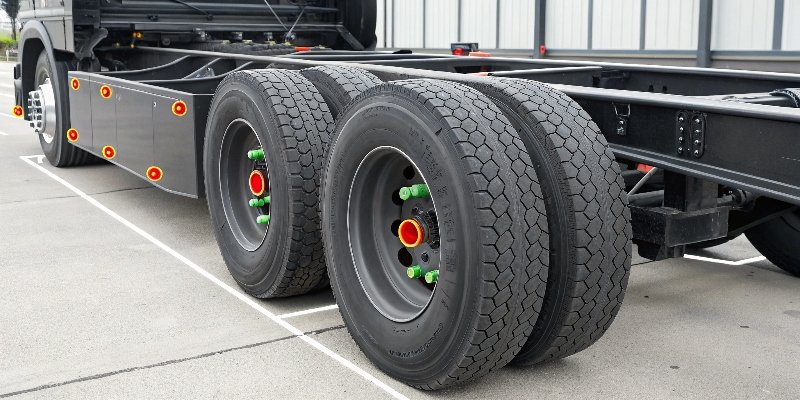
The problems caused by an overweight truck extend far beyond the weigh station. It's a risk you take every mile you are on the road. The truck is simply not built to handle the extra stress. I've seen firsthand how overloading can ruin expensive equipment. A fleet manager once showed me the maintenance logs for two identical trucks. The one that frequently ran heavy loads had three times the repair costs over two years. The damage is often hidden until it's too late, resulting in breakdowns that are far more expensive than any fine.
Reduced Vehicle Safety and Control
Weight affects every aspect of a truck's performance. The most critical is braking. An overloaded truck needs a much longer distance to come to a complete stop, which can be the difference between a near-miss and a serious accident. The extra load puts immense strain on the tires, increasing the risk of a blowout at high speed. The engine and transmission have to work harder, leading to overheating. The suspension and frame are also under constant stress, which can cause cracks and structural failure over time. You lose maneuverability, making it harder to steer and control the vehicle, especially in bad weather or sharp turns.
Damage to Public Roads
Your truck isn't the only thing taking a beating. Overweight trucks are a primary cause of damage to roads and bridges. Pavement is designed to handle a specific maximum load. When overloaded trucks constantly travel on them, they cause cracks, potholes, and ruts. This damage leads to higher taxes and tolls for everyone to cover the repair costs. In a way, overloading is a problem that ends up costing the entire industry and the public. Many governments are cracking down with higher fines specifically to fund these infrastructure repairs.
Does truck weight matter?
You might think a little extra weight won't make a big difference, especially if you're trying to save on trips. But that extra weight creates a domino effect of costs and risks.
Yes, truck weight is critically important. It directly impacts operational safety, legal compliance, and financial profitability. Proper weight management prevents accidents, avoids fines, reduces vehicle wear and tear, and ensures fair and accurate business transactions, protecting your company's assets and reputation.

In my experience manufacturing scales, I've learned that weight is the foundation of logistics. It's not just a number; it's a measure of safety, efficiency, and fairness. Ignoring it is like building a house on a shaky foundation—sooner or later, things will start to fall apart. For any business, especially one that relies on software and data for smart devices, accuracy is everything. Think of the weight of your cargo in the same way. It's a critical data point that affects your entire operation, from fuel costs to customer satisfaction.
Financial Implications
Let's look at the numbers. The costs of overloading go far beyond fines.
- Increased Fuel Consumption: An overweight truck's engine must work harder, burning more fuel per mile. Over a year, this can add up to thousands of dollars in extra fuel costs.
- Higher Maintenance Costs: As mentioned, overloading causes accelerated wear on tires, brakes, suspension, and the engine. This means more frequent replacements and more downtime for repairs.
- Invalidated Insurance: In the event of an accident, if your truck is found to be overweight, your insurance company may refuse to cover the damages. This could leave your business liable for millions in damages and legal fees.
Operational Efficiency
Proper weight management is key to running an efficient operation. When you know your exact weights, you can optimize load distribution, plan routes more effectively, and ensure you are maximizing your legal payload on every trip. Smart weighing systems, like those with IoT capabilities, can even send data directly to your logistics software. This helps you track compliance in real-time and provides valuable data for business planning. It removes guesswork and replaces it with data-driven decisions that improve your bottom line.
What happens at truck scales?
We've talked about what happens to the truck, but what about the scale itself? Constant overloading puts tremendous strain on the very equipment you rely on for accurate measurements.
When a truck is overweight, the truck scale itself can suffer serious damage. This includes permanent damage to the load cells, structural deformation of the scale platform, and a loss of accuracy, leading to incorrect readings and costly repairs or replacement of the scale.
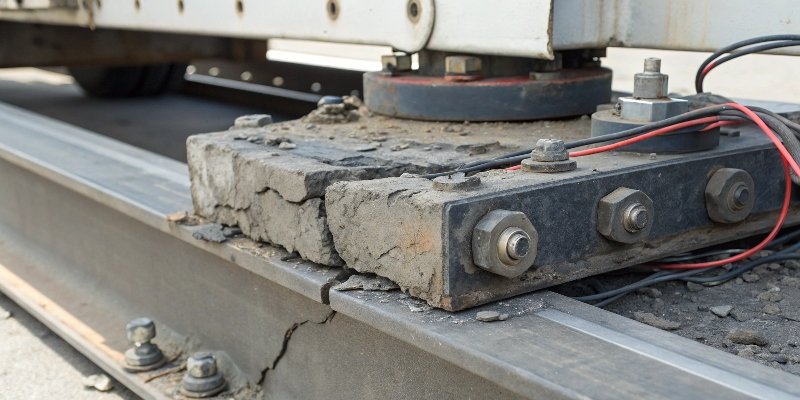
As a manufacturer, this is something we see all the time. A truck scale is a precision instrument, but it's not indestructible. Pushing it past its limits, repeatedly, will cause it to fail. We had a case where a company's 100-ton scale was used for a 130-ton load. It didn't break right away, but over a few months, the readings became unreliable. They started getting complaints from customers and eventually had to replace all eight load cells, a very expensive repair. Protecting your scale is just as important as protecting your trucks.
Damage to Scale Components
The heart of any electronic scale is the load cell. It's the sensor that measures the weight. Extreme overloading can cause these sensors to deform or even break. This leads to inaccurate readings or a complete failure of the scale. The structural integrity of the weighbridge, or the platform itself, can also be compromised. The steel can bend or warp, which can jam the limiters and prevent the scale from returning to zero properly. Eventually, this can cause a catastrophic failure where the platform collapses.
The True Cost of a Damaged Scale
When your scale is broken, your business can grind to a halt. But even before it breaks, it can be costing you money.
| Fault Type | Common Symptom | Average Repair Cost (Example) |
|---|---|---|
| Load Cell Failure | Inconsistent or drifting weight readings | $500 - $2,000 per cell |
| Platform Damage | Scale gets stuck or won't return to zero | $10,000+ for structural repair |
| Mainboard Damage | Blank display, non-responsive buttons | Around $3,000 for replacement |
How to Protect Your Investment
Protecting your scale is straightforward.
- Stay Within Limits: Never exceed the scale's maximum rated capacity. Pay attention to axle loads too; a 100-ton scale may only have a 40-ton single-axle limit.
- Perform Regular Maintenance: Clean debris from around and under the scale weekly. Check the limiter gaps to ensure they are correct.
- Get Annual Calibrations: A professional calibration ensures your scale remains accurate. For scales over five years old, a full inspection is a good idea.
Conclusion
Overloading a truck is a costly mistake with far-reaching consequences for your driver, vehicle, and equipment. Prioritize legal compliance and proper maintenance to ensure safety, efficiency, and long-term profitability.
-
Learn about the procedures and penalties at weigh stations to better prepare your logistics operations. ↩



Comments (0)