
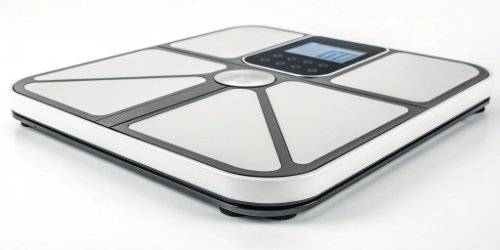
Are you tired of costly mistakes from manual weighing? These small errors disrupt production, affect quality, and damage your profits. Smart scales can stop these problems before they start.
A modern industrial scale prevents human error using built-in software and intelligent hardware. It guides operators, validates data in real time, and automates data capture to ensure every measurement is accurate and reliable from the very beginning, removing guesswork and mistakes from your workflow.
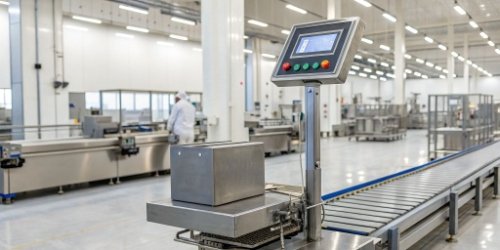
This might sound great in theory, but you’re probably wondering how it works in the real world. A scale is just a scale, right? Not anymore. Today's weighing equipment is a key part of your data and production ecosystem. Let’s break down the specific features and technologies that make this possible. We'll explore exactly what they can do for your business operations and how they create a more reliable and efficient workflow.
How Can Error Prevention Features in Scales Improve Accuracy and Reliability?
Even tiny inaccuracies in weighing add up over time. They lead to big losses in product quality, customer trust, and overall revenue. Built-in features create a safety net.
Error prevention features improve accuracy by automating checks and providing instant operator feedback. Functions like tare confirmation, overload protection, and data validation guides ensure tasks are performed correctly every time. This boosts the reliability of your entire system.
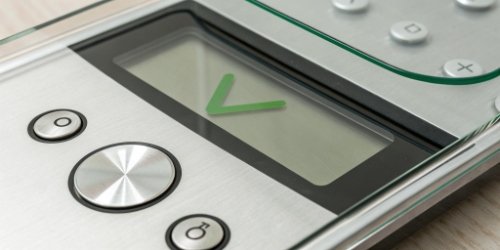
Let's dive deeper into how these features work. They aren't just single functions, but a system that works together to guide the user and protect your process. Think of the scale as an active partner in your weighing process, not just a passive tool.
Real-Time Operator Guidance1
Modern scales don't just show a number. They can display step-by-step instructions on the screen. For a complex batching process, the scale can prompt the user for "Ingredient A," then "Ingredient B," ensuring the standard operating procedure (SOP) is followed perfectly. This eliminates the need for operators to rely on memory or paper instructions, which can easily lead to mistakes. The scale becomes the single source of truth for the process.
Automated Data Checks2
The scale's software constantly runs checks in the background. Before a weight is recorded, it can verify that the scale is stable and that the tare value is correct. If an operator tries to weigh an item that is too heavy or too light according to a pre-defined recipe, the scale can lock the process and trigger an alert. This prevents out-of-spec products from ever being made.
| Feature | How It Improves Accuracy | How It Improves Reliability |
|---|---|---|
| Zero/Tare Confirmation3 | Ensures every measurement starts from a true zero point. | Prevents cumulative errors in batching processes. |
| Overload Protection4 | Stops operations if weight exceeds capacity, preventing damage. | Protects the load cell, ensuring long-term consistency. |
| Stability Detection5 | Only allows data recording when the reading is stable. | Eliminates errors from vibrations or movement. |
What Technologies in Scales Help Mitigate Human Error During Weighing?
Relying on a person to see a number and type it correctly is risky. That single point of potential failure introduces variables that simple technology can completely get rid of.
Key technologies include high-precision load cells, integrated barcode scanners to eliminate manual entry, and connectivity ports like Ethernet or Wi-Fi. These allow the scale to communicate directly with your other systems, removing any chance of data transcription errors.
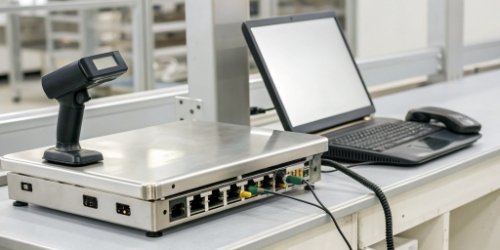
The hardware and software inside the scale are what make error prevention possible. It's not just about what the scale weighs, but how it sees, thinks, and communicates. As a manufacturer with 19 years of experience, we've seen firsthand how an investment in the right technology transforms a client's operation from good to great.
Integrated Scanners
We can integrate barcode or QR code scanners directly into our weighing systems. Before weighing an item, the operator simply scans the product's barcode. The scale can then instantly pull up the correct product name, target weight, and tolerances from your database. This completely removes the chance of weighing the wrong item or entering an incorrect product code, a common source of inventory and production errors.
Direct System Connectivity6
Our scales are built with a variety of communication ports, including RS-232, USB, Ethernet, and wireless options. This means the weight data can be sent instantly and automatically to a local PC, a PLC on the production line, or directly to your company-wide ERP system. There is no manual entry, no transposition of numbers, and no chance for a simple typo to cause a major problem downstream. The data is perfect from the moment it is captured.
| Technology | Error It Prevents | Example Application |
|---|---|---|
| Barcode Scanner | Product Mismatch / Incorrect Data Entry | Scanning a lot number before weighing a batch |
| Ethernet Port | Manual Data Transcription Errors | Sending weight data directly to an ERP system |
| Digital Filtering7 | Inaccurate readings from vibration | Getting a stable weight next to a running motor |
How Do Smart Scales Contribute to Reducing Mistakes in Measurement Processes?
A simple weighing task often involves many steps. Any one of those steps can be a point of failure, from taring the container to recording the final result.
Smart scales reduce mistakes by acting as a central hub for the entire weighing process. They run on-board software that guides users through complex workflows, stores recipes, and automatically logs all data with user IDs and timestamps for full traceability.
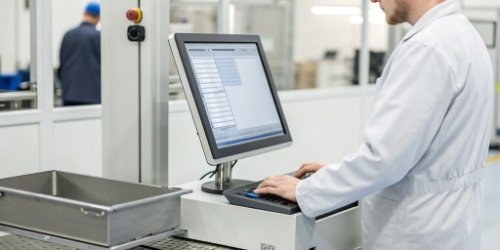
This is where our expertise in both hardware and software really comes together. A smart scale, especially a PC-based scale, isn't just a measuring device; it's a specialized computer dedicated to ensuring weighing processes are perfect. When a standard solution isn't enough, we bring in our software department to create a fully custom solution.
I remember a client in the chemical industry who struggled with batch consistency. Operators were manually following complex recipes from a binder, which led to frequent variations. Our software team met with them on-site. We then designed a custom application for our PC scales that integrated directly with their ERP system.
Now, the process is simple. The scale pulls the day's production order from the ERP. It shows the operator "Add 15.00 kg of Compound A." The screen stays red until the weight is within the defined tolerance, at which point it turns green and automatically records the weight. It then prompts for the next ingredient. The system will not proceed if a mistake is made. This didn't just reduce their errors; it completely eliminated them and gave them full digital traceability for every batch.
What Are the Advantages of Using Advanced Scales to Avoid Human Error?
You already know that errors are costly. But what is the real business advantage of actively investing in technology to prevent them? The upside goes far beyond just getting the weight right.
The main advantage is a huge increase in operational efficiency and product quality. You get less material waste, faster production, easier regulatory compliance, and better data for business decisions. This translates directly to a healthier bottom line.
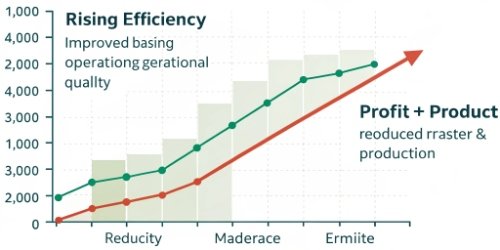
Purchasing an advanced scale is not an expense; it's an investment with a clear return. For a purchasing manager or technical director, the decision is justified by tangible improvements across the entire operation. These scales become a source of value that pays for itself many times over.
Enhanced Data Integrity for Business Decisions
For software vendors and data-driven companies, this is the biggest advantage. Your entire business intelligence, inventory management, and forecasting system relies on the quality of the data you feed it. When weight data is captured perfectly and automatically at the source, you can trust the analytics and dashboards that your teams rely on to make strategic decisions. Garbage in, garbage out. A smart scale ensures you only get good data in.
Simplified Compliance and Audits8
In many industries, traceability is not optional. It is a legal requirement. When an auditor asks for the records for a specific batch, you can’t spend hours digging through paper logs. With a smart scale system, all data is logged automatically with the product, weight, timestamp, and operator ID. You can generate a full audit report in seconds, proving compliance and saving immense time and stress.
| Advantage | Impact on Operations | Impact on Business |
|---|---|---|
| Higher Efficiency9 | Faster and error-free weighing cycles. | Increased production output and higher revenue potential. |
| Reduced Waste10 | Less material scrap and product giveaway. | Lower operational costs and improved profit margins. |
| Improved Data11 | Reliable, real-time data from the factory floor. | More accurate forecasting and smarter strategic planning. |
Conclusion
Smart scales prevent errors, boost efficiency, and save money. We provide the custom hardware and software solutions to help your business achieve this transformation and grow with confidence.
-
Discover how real-time guidance can streamline your weighing operations. ↩
-
Find out how automation can reduce human error in data recording. ↩
-
Understand the importance of starting measurements from a true zero point. ↩
-
Learn how overload protection can prevent equipment damage and ensure safety. ↩
-
Explore how stability detection eliminates errors caused by vibrations. ↩
-
Find out how connectivity can streamline data transfer and reduce errors. ↩
-
Understand how digital filtering ensures accurate readings in dynamic environments. ↩
-
Learn how smart scales can streamline regulatory compliance processes. ↩
-
Explore how increased efficiency can lead to higher revenue potential. ↩
-
Find out how smart scales minimize material scrap and improve margins. ↩
-
Learn how reliable data enhances forecasting and strategic planning. ↩


Comments (0)