
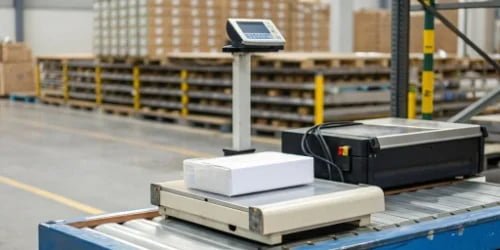
Struggling with slow checkout lines and pricing errors? These issues frustrate customers and hurt your profits. A label printing scale solves this by combining weighing and labeling into one fast step.
A label printing scale is a device that integrates a digital weighing scale with a thermal printer. It weighs an item, calculates its price based on a pre-set value per unit of weight, and prints a detailed label with a scannable barcode.
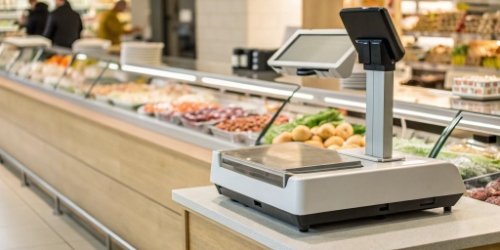
In my 19 years in the industrial scale business, I've seen technology change everything. We've moved from simple weighing devices to smart tools that are central to a business's operations. The label printing scale1 is a perfect example of this evolution. It's not just about getting the weight right; it's about making that data work for you. Let's dig deeper into how this simple-looking machine can fundamentally change your workflow for the better.
How Does a Label Printing Scale Function in Retail Settings?
Are long lines at your deli or butcher counter a common sight? Manual weighing and pricing are slow and often lead to mistakes that can cost you money and customers.
In retail, a staff member places an item on the scale and selects the product type from a menu. The scale instantly weighs the item, calculates the price, and prints a detailed, scannable label. This dramatically speeds up service and guarantees accuracy.

The process is simple but incredibly effective. Let's break it down. From my experience working with clients to install these systems, the workflow becomes beautifully efficient. It's a fusion of hardware and software working in sync.
The Weighing and Labeling Workflow
The magic happens in a few seconds. First, the operator uses the touchscreen or keypad to find the product using its Price Look-Up (PLU) code2. We program thousands of these into our scales for clients. Next, the item is placed on the scale. The high-precision sensor3 gets an exact weight. The scale's internal software then instantly multiplies this weight by the stored price per kilogram or pound. Finally, the built-in thermal printer4 produces a sticky label.
Here's what a typical label includes:
| Information Field | Example | Purpose | |||
|---|---|---|---|---|---|
| Product Name | "Organic Chicken Breast" | Clear identification for customer and staff | |||
| Unit Price | $19.99/kg | Shows the price per unit of weight | |||
| Net Weight | 0.752 kg | Displays the exact weight of the item | |||
| Total Price | $15.03 | The final price the customer pays | |||
| Barcode | [ | ] | For quick and accurate scanning at checkout | ||
| Packed/Sell-by Date | 24/10/2023 / 28/10/2023 | Ensures freshness and food safety5 |
This seamless process eliminates human error in calculation and makes the checkout process much faster.
What Are the Key Features of Label Printing Scales?
Is your current weighing equipment a bit basic? If your scales can't connect to your network or store your full product list, you're missing out on major efficiency gains.
Key features include a large PLU memory for thousands of products, network connectivity (Wi-Fi/Ethernet) for central management, customizable label templates, a high-speed thermal printer, and a user-friendly touchscreen interface for quick and easy operation.
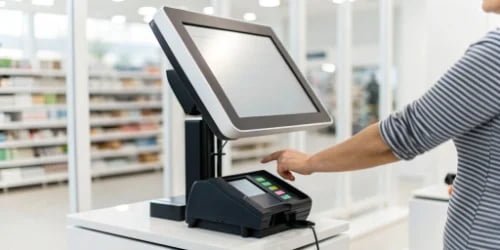
When we design a scale, we're not just thinking about weighing. We're thinking about the entire ecosystem it has to live in. For our software vendor clients, these features are the hooks that allow them to build powerful solutions. A scale is no longer an isolated island of data; it's a connected node.
Core Components of a Modern Scale
-
Large PLU Memory: A small grocery store might have hundreds of items that are sold by weight. A large supermarket has thousands. The ability to store all these products, along with their price, nutritional information, and origin, directly on the scale is non-negotiable. It makes the operator's job simple and fast.
-
Network Connectivity: This is the most crucial feature for modern operations. With an Ethernet or Wi-Fi connection, a store manager can update prices on every scale in every store from a single computer. No more running around with a USB stick. This also means sales data can be pulled from the scales in real-time.
-
Customizable Labels: Your brand is important. Our scales allow you to design your labels. You can add your company logo, promotional messages ("20% Off!"), and legally required information like allergen warnings. This turns a simple price sticker into a professional branding6 and communication tool.
I remember a client who used this feature to add QR codes to their labels, linking customers to recipes. It's this kind of creative thinking that turns a good tool into a great one.
How Can Label Printing Scales Streamline Inventory Management?
Still relying on manual stock takes? This old method is time-consuming and often inaccurate, leading to waste or lost sales when you run out of a popular item unexpectedly.
By connecting to your business software, these scales track every weighed item sold. This creates a real-time data stream of your inventory levels, automates reordering triggers, and provides insights into sales trends, virtually eliminating manual guesswork.
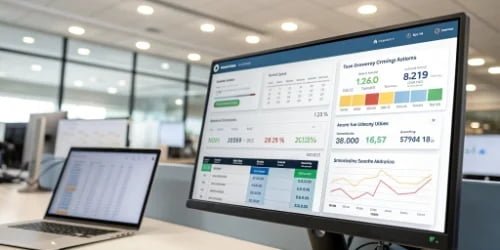
This is where I see the future heading, and it's the core of my insight. The scale is no longer just a scale; it's a critical data collection point for an IoT ecosystem. When we provide our hardware to software companies, we're giving them a reliable sensor for their larger system. The fusion of dependable hardware, smart software, and eventually AI is what will create the next leap in efficiency.
From Weighing to Business Intelligence
-
Real-Time Data Syncing: Every time a product is weighed and labeled, that transaction data—what was sold, how much it weighed, and when—is sent to a central server. Your inventory database is updated instantly. You know exactly how many kilograms of ground beef you have left at any given moment.
-
Automated Reordering: Good inventory software can use this data to set automatic alerts. When stock for an item falls below a certain threshold, it can notify the purchasing manager or even generate a draft purchase order automatically. This prevents stockouts and reduces the amount of capital tied up in excess inventory.
-
Powerful Sales Analytics: Over time, this data becomes a goldmine. You can easily see which products are your bestsellers on which days of the week. One of our clients, a large butcher shop, used this data to realize they sold twice as many sausages on Saturdays. They adjusted their production schedule, reduced waste, and increased sales. This is the power of turning simple weight data7 into actionable business intelligence8.
What Advantages Do Label Printing Scales Offer Over Traditional Scales?
Are you still using a separate scale and a price gun? This two-step process is slow, prone to errors, and gives your customers a poor impression of your operation.
Label printing scales offer huge advantages. They drastically increase speed, eliminate costly pricing errors, provide valuable data for inventory management, and produce professional, easy-to-read labels that enhance customer trust and speed up the final checkout process.
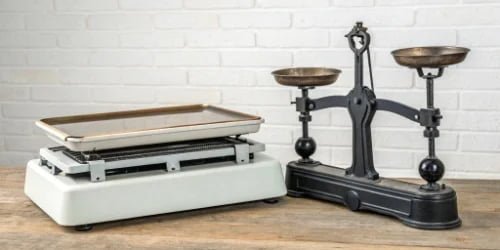
I've seen countless businesses make the switch, and they never look back. The return on investment9 is immediate and obvious, not just in money saved from errors, but in time saved and customer satisfaction gained. It's a foundational upgrade for any business that sells products by weight. Let's look at a direct comparison.
Head-to-Head Comparison
| Feature | Traditional Scale | Label Printing Scale |
|---|---|---|
| Speed & Efficiency | Slow. Requires two separate actions: weigh, then manually price/label. | Fast. All-in-one action: weigh, calculate, and print in seconds. |
| Accuracy | High risk of human error in reading weight and keying in the price. | 100% accurate. Price is calculated automatically from the weight. |
| Data Management | None. It's an isolated device with no data tracking capabilities. | Excellent. Captures every transaction for inventory, sales, and analytics. |
| Labeling | Requires a separate, often messy, and unprofessional price gun. | Prints clean, professional, and customizable labels with barcodes. |
| Customer Experience | Can create long lines. Labels can be hard to read or inaccurate. | Faster service. Clear, trustworthy labels with all needed info. |
Investing in a label printing scale is not just about buying a new piece of hardware. It's about upgrading your entire workflow. You are investing in accuracy, efficiency, and the valuable data that will help you grow your business.
Conclusion
In short, label printing scales are smart, connected devices. They boost accuracy, speed up service, and provide critical data to streamline your operations and drive your business forward.
-
Explore this resource to understand how label printing scales can enhance your business operations. ↩
-
Find out how PLU codes streamline pricing and inventory management in retail. ↩
-
Understand the role of high-precision sensors in ensuring accurate measurements in various industries. ↩
-
Discover how thermal printers improve labeling processes and customer experience in retail settings. ↩
-
Learn about the importance of food safety and how labeling plays a crucial role. ↩
-
Learn how professional branding through labeling can enhance customer perception and loyalty. ↩
-
Explore how weight data can provide valuable insights for inventory and sales management. ↩
-
Explore how business intelligence can transform data into actionable insights for growth. ↩
-
Understand the concept of return on investment and its significance in business decisions. ↩


Comments (0)