
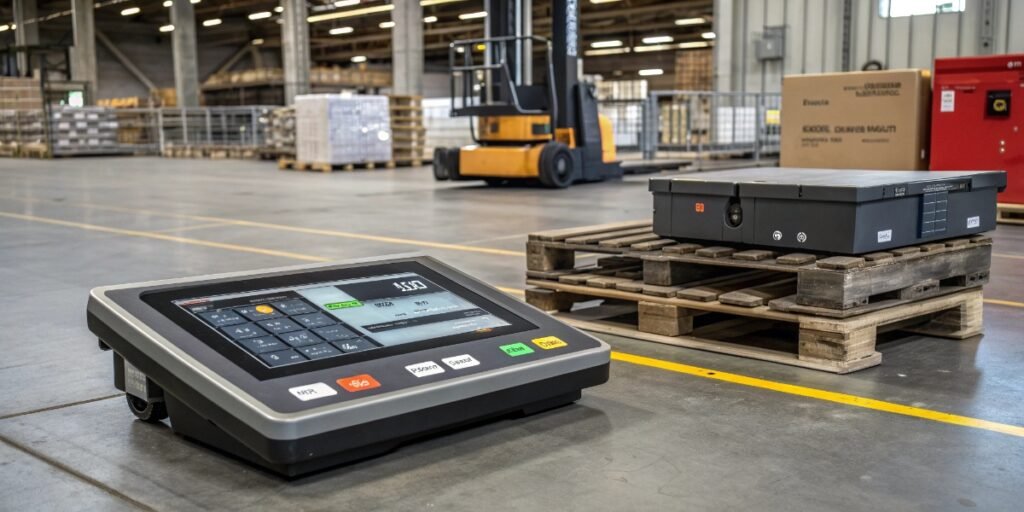
Are you confused by the term "smart scale"? In industry, this misunderstanding can cost you efficiency. Let's clarify its real power and what it means for your business.
In the industrial scale industry, a smart scale is an integrated weighing solution, not just a device. It combines robust hardware with custom software to create an intelligent system that automates processes, collects data, and connects with your existing Enterprise Resource Planning (ERP) or management software.
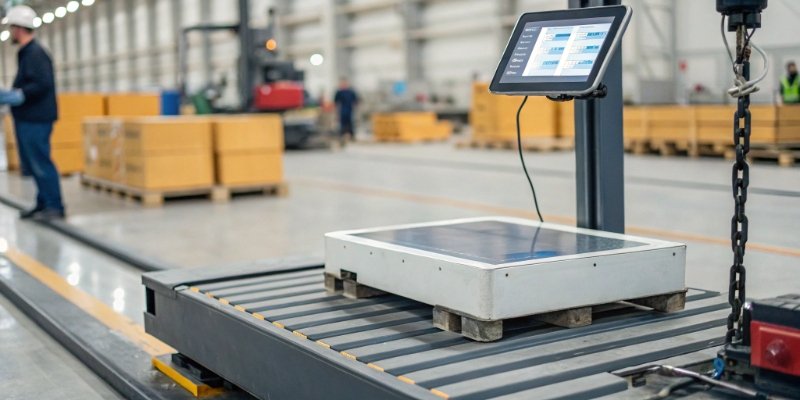
When people hear "smart scale1," they often picture a consumer gadget. But in our world, the industrial world, it’s a completely different tool. It’s the core of a system designed to solve complex business problems. Understanding this difference is the first step to unlocking its massive potential for your operations. Let me explain exactly what I mean and how these systems can transform a business from the ground up.
How Do Smart Scales Revolutionize the Industrial Scale Industry?
Are traditional scales holding your production back with manual data entry? This slow, error-prone process is killing your efficiency. Smart scales offer a complete transformation, changing weighing into a core business process.
Smart scales revolutionize the industry by turning a simple measurement tool into a powerful, connected data point. They automate data transfer, eliminate human error, provide real-time insights, and integrate seamlessly with systems like ERP and WMS for smarter, faster operations and decision-making.
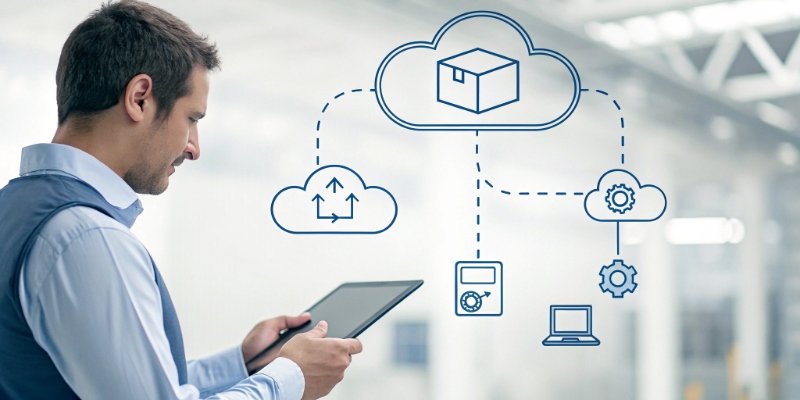
From my 19 years in this field, the shift is profound. It’s not just an upgrade; it's a new way of thinking about weighing data. A traditional scale gives you a number. A smart scale system gives you business intelligence2. This intelligence allows you to see your operations more clearly and make decisions based on facts, not guesswork. It changes the entire dynamic of production, quality control3, and logistics4.
From Isolated Measurement to Integrated Data Hub
A traditional scale is an island. It provides a weight, and then it is up to an employee to write that number down and enter it into a system. I had a client in the logistics sector who was losing thousands each month because of simple typos during this manual entry process. A smart weighing solution completely solves this. The scale becomes the starting point of an automated, digital workflow5. It captures the weight and instantly sends it to a database, your inventory system, or a production control panel6. This single change eliminates the manual step and, with it, the costly errors.
Enabling Real-Time Decision Making
The biggest change is in the speed of information. Having data instantly allows you to act on it immediately.
| Feature | Traditional Scale | Smart Scale System |
|---|---|---|
| Data Flow | Manual, Delayed | Automated, Real-Time |
| Error Rate | High | Nearly Zero |
| System Integration | None or Difficult | Seamless (ERP, WMS, MES) |
| Business Insights | Historical (at best) | Immediate, Actionable |
With a smart system, a manager can see real-time production yields from their desk. They can track inventory levels as they change. This allows for immediate adjustments to prevent problems before they become serious. It is a fundamental shift from reactive problem-solving to proactive, data-driven management.
What Technologies Define Smart Scales in Industrial Applications?
Are you wondering what actually makes a scale "smart"? The real intelligence lies in a combination of hardware and software that can feel complex. Let’s break it down into simple parts.
Key technologies defining industrial smart scales include IoT connectivity like Wi-Fi and Ethernet, advanced sensors, and powerful software. This software is the brain, handling data processing, analysis, and crucial API integration with other business systems like ERP, MES, and WMS to create a unified ecosystem.
A smart scale isn't intelligent because of one single feature. It's the combination of different technologies working together that creates a powerful tool for your business. At Weigherps, we focus on building these systems to be both robust and easy to integrate, because we know that is where the true value lies for our clients, especially those of you on the software side of the business who understand the power of connected data.
The Core Components of Intelligence
A smart scale system has three main parts. First is the hardware. This includes not only the high-precision load cells that measure weight but also the communication modules inside. These are the components that connect the scale to your network via Wi-Fi, Ethernet, or even 4G for remote locations. Second is the potential for edge computing7. Some advanced scales can process data locally before sending it on. This is great for speed and reliability, especially in environments where network connectivity might not be perfect.
The Power of Software and Integration
The third and most critical part is the software. This is the brain of the entire operation. Good software doesn't just display the weight; it validates data, stores it securely, and, most importantly, shares it with other systems.
| Technology Component | Its Function | Business Impact |
|---|---|---|
| IoT Connectivity | Transmits data | Enables real-time monitoring and control |
| Edge Computing | Processes data locally | Delivers faster response times |
| API Integration | Connects with other software | Creates a unified, automated workflow |
| Cloud Platform | Stores and analyzes data | Provides accessibility and powerful analytics |
The software’s ability to integrate using APIs (Application Programming Interfaces) is what truly unlocks its potential. It allows the scale to "talk" directly to your inventory, billing, or production management software. This creates a seamless flow of information that drives new levels of automation and efficiency8.
What Are the Key Benefits of Using Smart Scales in Industry?
Are you struggling to justify the cost of new equipment? The benefits of smart scales can seem abstract. You need to see a clear return on investment to make a strategic switch.
The key benefits are greatly improved accuracy by eliminating human error, increased efficiency through process automation, real-time data for better and faster decision-making, and complete traceability for quality control and compliance. This leads directly to less waste, lower costs, and higher profits.
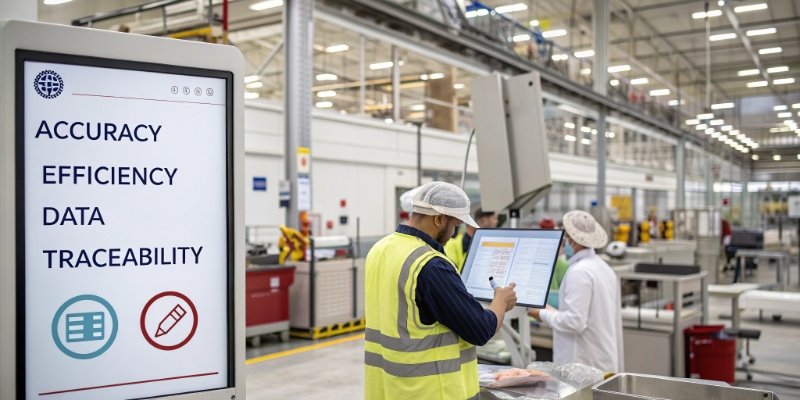
Over the years, I have seen these benefits play out with our clients time and time again. The investment in a smart weighing solution isn't just an equipment purchase; it's a strategic investment in the core of your operations. The returns show up not only in your financial reports but also in smoother workflows, happier employees, and better compliance records. It makes the entire business stronger and more competitive.
Tangible Cost Savings
The most immediate benefit is reducing errors. A simple data entry mistake in a logistics company can lead to incorrect billing or mis-shipped products. Fixing these mistakes costs a lot of time and money. Smart scales get it right every time. Automation also means you can re-task employees from tedious data entry to more valuable activities. A client of ours in the food processing industry was able to save over 40 hours of manual labor per week just by automating their batch weighing and recording process. That saving alone paid for the system in just a few months.
Enhanced Data and Compliance
In industries like pharmaceuticals, food and beverage, or chemicals, traceability9 is not optional—it's a requirement. A smart system automatically records every single weight measurement. It links this data to a specific batch, an operator, and a timestamp. This creates a perfect, unchangeable digital audit trail. When a regulator or an auditor asks for records, you can provide them instantly. This doesn't just prove compliance; it protects your entire business from risk and potential fines.
How Are Smart Scales Enhancing Efficiency in Industrial Settings?
Do your workflows feel clunky and slow? Manual weighing steps often create bottlenecks that disrupt your entire production line. You need a smoother, faster way to operate to increase your output.
Smart scales enhance efficiency by automating data collection, which speeds up processes like recipe formulation, parts counting, and shipping. By integrating with inventory systems, they ensure accurate stock levels in real-time, preventing shortages or overstocking and streamlining the entire supply chain.
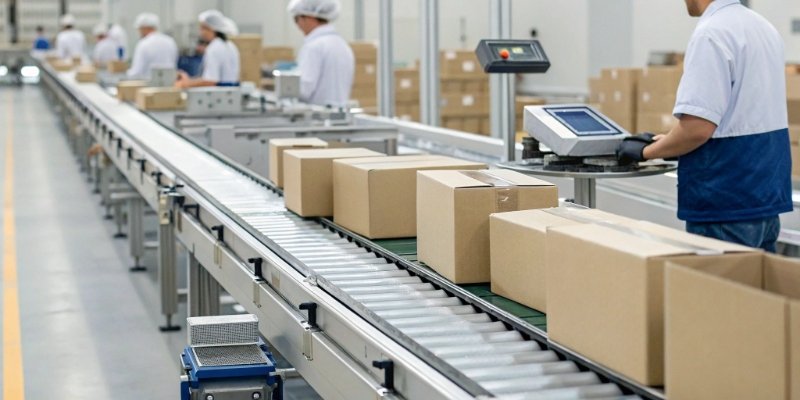
True efficiency is about making everything flow better. Smart scales act as a catalyst for this flow in many different settings. The goal is to remove friction from your processes. By replacing slow, manual tasks with fast, automated, and error-proof steps, you don't just speed up one part of the job; you improve the performance of the entire operation. Let's look at a few practical examples from my experience helping clients.
Specific Use-Case Scenarios
In manufacturing10, I worked with a client that produced complex paint mixtures. They used to rely on operators to manually weigh dozens of ingredients. This was slow and prone to error, which led to inconsistent product quality. We implemented a smart scale system that guides the operator through the recipe on a screen. It ensures each component is weighed precisely and does not allow the operator to proceed until the weight is perfect. Their production speed increased by 30%, and costly batch failures dropped to almost zero.
Streamlining the Supply Chain
In logistics, efficiency is everything. In a busy warehouse, a smart scale integrated into the shipping station can do amazing things. When a package is placed on the scale, the system instantly weighs it, scans its dimensions, automatically prints the correct shipping label, and sends the tracking information to the customer and your billing department. This entire process, which used to take several manual steps and a couple of minutes, now takes just a few seconds. This allows our clients to ship hundreds more packages per day with the same number of staff.
Conclusion
In short, an industrial smart scale is not just a device; it is a complete weighing solution. It boosts accuracy and efficiency, and provides the critical data that drives better decisions.
-
Explore how smart scales integrate hardware and software to revolutionize industrial weighing processes. ↩
-
Learn how smart scales transform data into actionable business intelligence for decision-making. ↩
-
Discover how smart scales contribute to maintaining high standards in quality control. ↩
-
Explore the transformative effects of smart scales on logistics efficiency and accuracy. ↩
-
Explore how smart scales create digital workflows that enhance operational efficiency. ↩
-
Explore the role of production control panels in managing industrial operations effectively. ↩
-
Learn how edge computing improves the speed and reliability of smart scale systems. ↩
-
Learn how smart scales streamline processes and boost overall operational efficiency. ↩
-
Find out how smart scales ensure compliance and quality control through traceability. ↩
-
Learn about the applications of smart scales in enhancing manufacturing efficiency. ↩



Comments (0)