
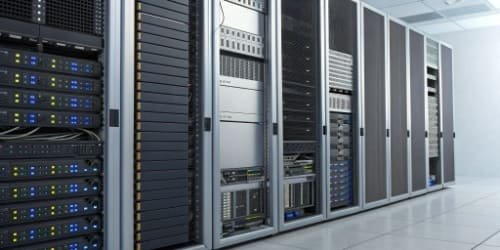
Feeling confused by the term 'smart scale'? You're not alone. Most think of bathroom gadgets, missing out on the revolutionary power of true industrial software scales. Let's fix that.
A software scale is an industrial weighing system where advanced software is the core. It integrates hardware like load cells with data processing, system management, and network connectivity. This turns raw weight data into actionable business intelligence for your company.
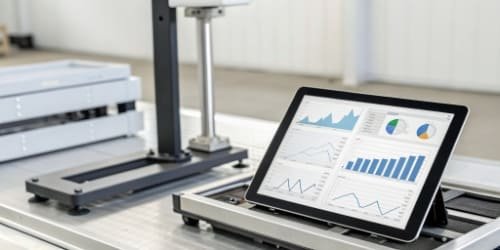
Now that we have a clear definition, it’s important to understand what makes these systems tick. In my 19 years in this industry, I've seen the shift from simple digital readouts to these intelligent hubs. It’s more than just a scale connected to a computer; it’s a fully integrated solution that changes how businesses operate. This is where the real value is, so let's explore that further.
How Does a Software Scale Function in Modern Technology?
Are your current scales just giving you numbers, but no real insights? This data is often trapped, unable to improve efficiency or connect to your other critical business systems.
Think of it as a central nervous system for your operations. The hardware (load cells, platform) collects the raw weight data. But the software is the brain. It processes, analyzes, and shares this data with other business systems like your ERP or WMS via APIs.
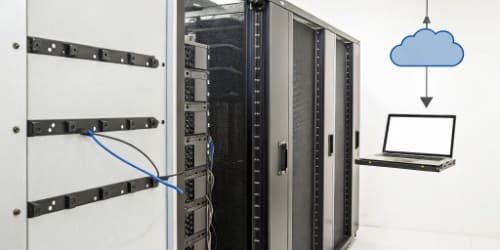
Let's dive deeper into how this works. At its heart, a software scale1 is a combination of robust hardware and intelligent software working together seamlessly.
The Core Components
The system isn't just one thing. It's a team of components. First, you have the weighing hardware. This includes the physical platform and the high-precision load cells2 that actually sense the weight. This is the part of the system that touches your products. Second, you have the software. This is the brain of the operation, living on a connected device like a terminal, a PC, or even in the cloud. As a manufacturer, we ensure our hardware is durable and precise. But we know our clients, especially software vendors, care most about how that hardware talks to their systems. The software is the key to unlocking that potential.
The Data Flow
The process is simple but powerful. A product is placed on the scale. The load cells generate an electronic signal. The software instantly captures this signal, converts it into a readable weight, and then the magic happens. Instead of just displaying "10.5 kg," the software can use that data. It can check it against an expected weight for quality control3, add it to a batch total, log it for inventory management4, or send it directly to your billing system through an API5. I remember a time when a client would just have an employee write down weights in a notebook. Now, that same weighing event can automatically update their entire inventory system, trigger a shipping order, and flag a potential quality control issue, all without a person lifting a pen. That’s the power we build into these systems.
What Are the Advantages of Using Software Scales Over Hardware Scales?
Do you feel limited by traditional hardware scales that are rigid and isolated? These old systems can't adapt to new workflows, which often leads to time-consuming manual work and costly errors.
The main advantages are flexibility, scalability, and deep data integration. Unlike fixed-function hardware scales, software scales can be easily updated, customized, and connected to other business systems. This provides deeper insights and automates workflows, boosting your overall efficiency and ROI.

When clients ask me why they should switch, I often find it's easiest to show them a direct comparison. The difference isn't just about features; it's about a fundamental change in what you can achieve with your weighing equipment.
A Clear Comparison
Let's break it down into a simple table. This is how I explain it to our partners, so they can see the value clearly.
| Feature | Traditional Hardware Scale | Software Scale |
|---|---|---|
| Functionality | Fixed, single-purpose. | Customizable, updatable with new features. |
| Data Usage | Isolated on a display, requires manual entry. | Automatically integrated with ERP6, WMS7, etc. |
| Scalability | Difficult, usually requires buying new hardware. | Easy, can be done with simple software updates. |
| Return on Investment | Limited to the function of weighing. | High, driven by process automation and optimization. |
Unlocking Business Value
The table shows the technical differences, but the real advantage is in the business value. A software scale’s flexibility means it can grow with your business. As your processes change, you don't need to buy a whole new scale; you just update the software. This focus on long-term value and lower total cost of ownership is critical. The ability to integrate data eliminates human error from manual entry and provides real-time information for better decision-making. For a technical director or purchasing manager, this means a more future-proof, efficient, and cost-effective investment. It turns a simple operational tool into a strategic asset.
How Is Calibration Managed in Software Scales?
Are you worried about the accuracy and reliability of a software-driven system? If calibration is complex or untrustworthy, your entire operation, from production to billing, could be at risk.
Calibration still relies on certified physical weights to ensure fundamental accuracy. However, the software greatly enhances the process. It can guide technicians through the steps, digitally log every calibration event for compliance, and even predict when recalibration is needed based on usage patterns.
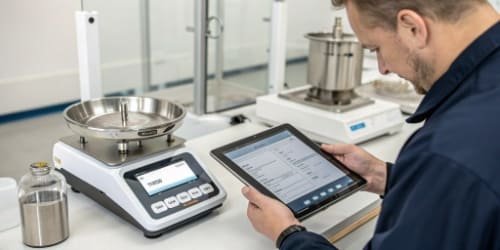
This is a question I get all the time, and it's a very important one. Accuracy is the foundation of any weighing system. With software scales, we don’t replace the principles of good metrology; we enhance them with intelligent management.
The Foundation: Physical Calibration
First and foremost, the core of calibration8 remains the same. To confirm a scale is accurate, you must test it against a known, certified mass. This is a non-negotiable principle in the world of weighing. Our scales are designed to be calibrated this way, just like any other high-precision industrial scale. We ensure the hardware is stable and repeatable. So, the process always starts with placing certified test weights on the platform. This establishes the ground truth for accuracy and ensures the scale complies with international standards like CE, which our products do.
The Enhancement: Software-Assisted Management
Here is where the software adds incredible value. Instead of a technician relying on a manual and potentially making a mistake, our software provides a step-by-step guided calibration procedure right on the screen. It tells them which weight to place and when. More importantly, every calibration event, including the date, time, and result, is automatically recorded in a digital log. This creates a perfect audit trail for quality control and compliance, which is a huge relief for our clients. Furthermore, the software can track usage data to flag potential drift or suggest a predictive maintenance schedule, helping to prevent inaccuracies before they happen. It turns calibration from a reactive task into a proactive, managed process.
What Industries Benefit Most from Software Scale Implementations?
Are you wondering if this advanced technology is the right fit for your specific industry? Investing in the wrong type of weighing solution can be a very costly mistake in the long run.
Industries with complex logistics, precise manufacturing, and dynamic inventory management benefit the most. This includes logistics and warehousing, food processing, pharmaceuticals, and agriculture. Any business where weight data is crucial for operations, quality control, or billing sees a massive return on investment.
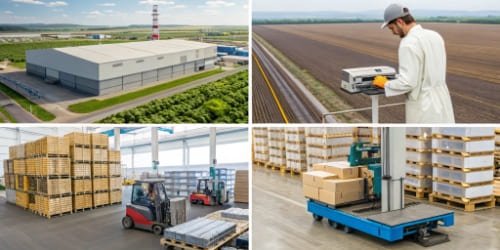
Over the years, we've helped deploy these systems across many sectors. While the technology is versatile, certain industries see a near-instant transformation of their operations. The ability to integrate weight data directly into their core processes is a game-changer.
Logistics and Warehousing
In a busy warehouse, speed and accuracy are everything. Software scales are used for inbound receiving to verify shipments, for outbound parcel weighing to calculate shipping costs automatically, and for integration with dimensioning systems for full freight profiling. By connecting the scale directly to the Warehouse Management System (WMS), we help clients eliminate manual data entry, reduce shipping errors, and speed up their entire fulfillment process. This is a primary market for us, and our solutions are tailored to their fast-paced needs.
Manufacturing and Food Processing
For manufacturers, consistency is key. In food processing9 or chemical production, software scales control batching and formulation processes with extreme precision. The software can manage recipes, guide operators to add the correct amount of each ingredient, and log every detail for traceability. This is vital for quality control and for meeting strict industry regulations. It ensures that every single batch meets the exact same specifications, protecting brand reputation and consumer safety.
Agriculture
From the farm to the processing plant, weight is money. Software scales are used to weigh harvests to track yield per field, manage livestock feed to optimize growth and control costs, and weigh final products for sale. The data collected can be analyzed over time to make better farming decisions for the next season. It empowers farmers and agricultural businesses to leverage technology, turning a traditional industry into a data-driven one.
Conclusion
In short, software scales are not just about weighing. They are about turning raw weight data into a powerful and strategic asset for your entire business operation.
-
Explore this link to understand how software scales revolutionize industrial weighing systems. ↩
-
Discover the technology behind load cells and their role in accurate weight measurement. ↩
-
Explore how software scales enhance quality control in manufacturing. ↩
-
Find out how software scales optimize inventory management for businesses. ↩
-
Discover how APIs facilitate communication between different software systems. ↩
-
Learn about ERP systems and their importance in streamlining business operations. ↩
-
Understand the significance of Warehouse Management Systems in modern logistics. ↩
-
Learn about the importance of calibration in ensuring accurate weight measurements. ↩
-
Discover the critical role of software scales in ensuring food safety and quality. ↩


Comments (0)