

Struggling with slow, inaccurate manual weighing? This inefficiency costs you money and risks contamination, but a modern stainless steel combination scale offers a game-changing solution for speed and precision.
A stainless steel combination scale, often called a multi-head weigher, is a high-speed, automated system that uses multiple weighing heads to find the perfect combination of products to match a preset target weight. Its stainless steel construction ensures durability, hygiene, and corrosion resistance for demanding environments.
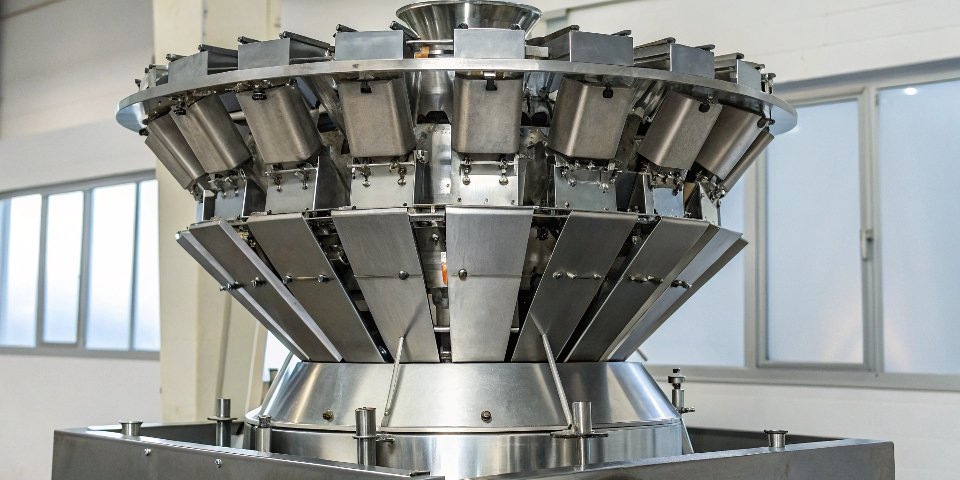
As an engineer in the weighing industry for nearly two decades, I've seen how the right technology can transform a production line. The leap from a simple floor scale to a multi-head weigher1 is like going from a bicycle to a race car. It’s not just about getting from point A to point B; it’s about the speed, precision, and efficiency you gain along the way. This article will break down what these incredible machines are, starting from the basics of scale types and demystifying some common questions about their construction material—stainless steel. Let's dive in and explore how this technology can revolutionize your operations.
What are the three types of weighing scales?
Choosing the right scale can feel overwhelming. A wrong choice leads to wasted investment and poor results. Let me simplify the three main categories for you to clarify your options.
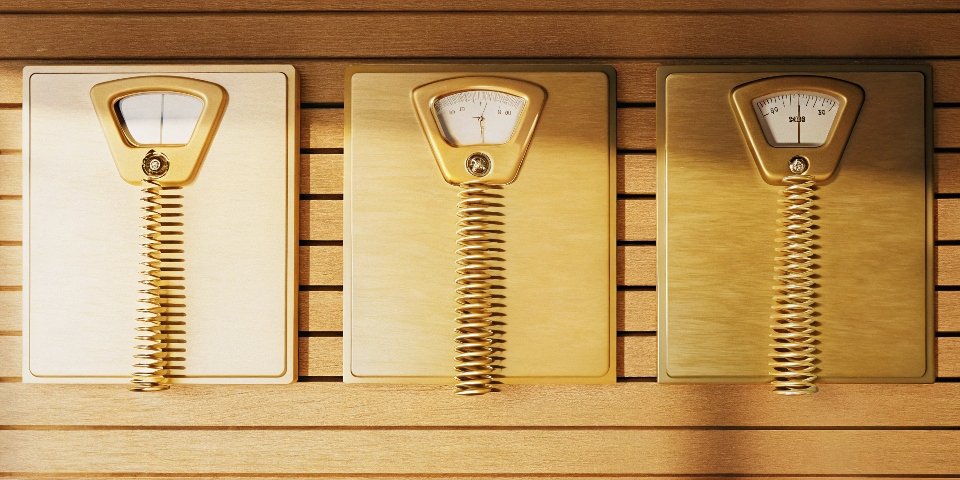
The three primary scale types are mechanical, electronic, and hybrid. Mechanical scales use physical levers and springs, electronic scales use digital load cells for high precision, and hybrid scales combine both technologies for high-capacity applications.
Understanding these fundamental types is crucial because it informs why combination weighers are exclusively electronic. At Weigherps, we specialize in electronic systems precisely because they offer the connectivity and accuracy modern businesses demand. Let's break them down further.
Level 3: A Deeper Look at Scale Mechanisms
-
Mechanical Scales: These are the classic scales, operating on principles like the law of the lever (balance beam scales) or Hooke's law (spring scales). They are robust and require no electricity, making them reliable in harsh environments without a power source. However, their accuracy can degrade over time due to wear and tear on mechanical parts, and they offer no data output, which is a major limitation in today’s data-driven world.
-
Electronic Scales: This is the modern standard and the foundation of all advanced weighing systems. They use a transducer called a load cell2, which converts the force of weight into a measurable electrical signal. This signal is then processed and displayed digitally. Their main advantages are exceptional precision, instant readings, and the ability to integrate with software, printers, and control systems—a critical feature for any software vendor looking to build a cohesive smart system.
-
Hybrid Scales: These scales try to merge the best of both worlds. They typically use a rugged mechanical lever system to handle very heavy loads, but they incorporate a single electronic load cell to convert that force into a digital reading. You often find them in high-capacity applications like truck scales or large industrial floor scales.
| Scale Type | Key Principle | Common Use Case | Data Integration |
|---|---|---|---|
| Mechanical | Levers, Springs | Basic commodity weighing, high-moisture areas | None |
| Electronic | Load Cell (Strain Gauge) | Retail, labs, automated production lines | Excellent (IoT, PLC, ERP) |
| Hybrid | Mechanical Levers + Load Cell | Truck scales, heavy-duty floor scales | Good |
What is scaling in stainless steel?
You hear "scaling" and often think of rust on regular steel. But what does it mean for stainless steel? Misunderstanding this concept can lead to improper material selection and maintenance headaches.
In the context of stainless steel, "scaling" refers to the formation of a thick, often dark, and flaky oxide layer on its surface. This phenomenon occurs not from water, but when the metal is exposed to extremely high temperatures.
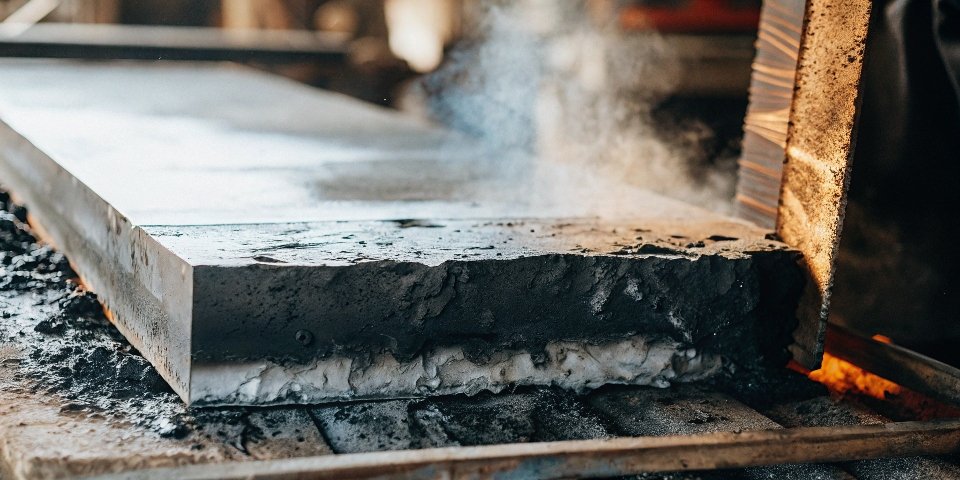
It's a common point of confusion, and I've had clients in high-temperature industries ask about it. The key takeaway is that scaling is a form of high-temperature oxidation3, a completely different chemical process than the electrochemical corrosion that causes rust at ambient temperatures. Rust actively eats away at and weakens iron and standard steel, whereas scaling is more of a surface layer that forms under extreme heat. For the vast majority of weighing applications, including those in food processing, pharmaceuticals, and logistics, the operating temperatures are never high enough to cause scaling. The choice of stainless steel in these industries is purely for its excellent resistance to rust, corrosion, and its hygienic, easy-to-clean surface.
Level 3: Understanding the Oxidation Process
The protective magic of stainless steel comes from its chromium content. Chromium reacts with oxygen in the air to form a very thin, invisible, and stable "passive layer" of chromium oxide. This layer is what prevents rust. Scaling occurs when the steel is heated to such a high temperature (typically over 800°C or 1500°F) that this oxidation process accelerates dramatically. The passive layer grows much thicker and becomes visible as a dark scale. While this scale can eventually flake off and lead to material loss, it's a process that happens under conditions far beyond the scope of a typical weighing environment.
| Feature | Scaling | Rust (Corrosion) |
|---|---|---|
| Cause | High-temperature oxidation | Electrochemical reaction with water & oxygen |
| Appearance | Dark, flaky layer | Reddish-brown, porous, brittle |
| Temperature | Very high (e.g., >800°C) | Ambient temperatures |
| Relevance | Forges, furnaces, heat treatment | Most everyday & industrial environments |
Does stainless steel scale?
You invested in stainless steel for its "stainless" quality, assuming it's invincible. So, the direct question is, does it really scale? The answer is more complex than a simple yes or no.
Yes, stainless steel can and does scale, but only under specific and predictable conditions of extremely high temperature. The material's grade, specifically its chromium and nickel content, dictates its resistance level to this phenomenon.

This is a critical distinction. The term "stainless" is a bit of a misnomer; it should really be called "stain-resistant." All stainless steels can be compromised under the right (or wrong) conditions. When it comes to scaling, the grade makes all the difference. For our combination weighers, we typically use Grade 304 or 316 stainless steel. These are workhorses in the food and chemical industries because of their superb corrosion resistance. Their resistance to high-temperature scaling is also very good, far exceeding any temperature they would encounter in a food packaging line.
I remember a client in the commercial baking industry who was concerned about heat from freshly baked cookies passing over the weigher. We walked them through the material specifications. Grade 304 stainless steel4 can handle intermittent service up to 870°C (1600°F). Their products were barely 100°C. The real concern wasn't scaling; it was ensuring the design allowed for easy cleaning of sugar and crumbs, which is where the hygienic properties of stainless steel truly shine.
Level 3: A Guide to Stainless Steel Grades
The higher the chromium and nickel content, the better the resistance to high-temperature scaling.
- Grade 304: The most common grade. Good for most applications.
- Grade 316: Contains molybdenum, giving it superior resistance to chlorides (like salt), making it ideal for marine or processed food applications.
- High-Temp Grades (e.g., 309, 310): These have significantly higher chromium and nickel content and are specifically designed for use in furnaces, kilns, and heat exchangers where scaling is a primary concern.
| Stainless Steel Grade | Key Elements | Max Continuous Service Temp | Best For... |
|---|---|---|---|
| SS 304 | 18% Cr, 8% Ni | ~870°C (1600°F) | General purpose, food equipment |
| SS 316 | 16% Cr, 10% Ni, 2% Mo | ~925°C (1700°F) | Salty/acidic products, pharmaceuticals |
| SS 310 | 25% Cr, 20% Ni | ~1150°C (2100°F) | Furnace parts, high-heat applications |
What is the purpose of a weighing scale?
Thinking a scale just measures mass? This limited view overlooks its true power. In today’s industry, a modern weighing system is a critical data hub for your entire operation.
The primary purpose of a weighing scale is to determine an object's mass. However, in modern industrial settings, its purpose extends to quality control, process automation, inventory management, and providing crucial data for regulatory compliance and business intelligence.
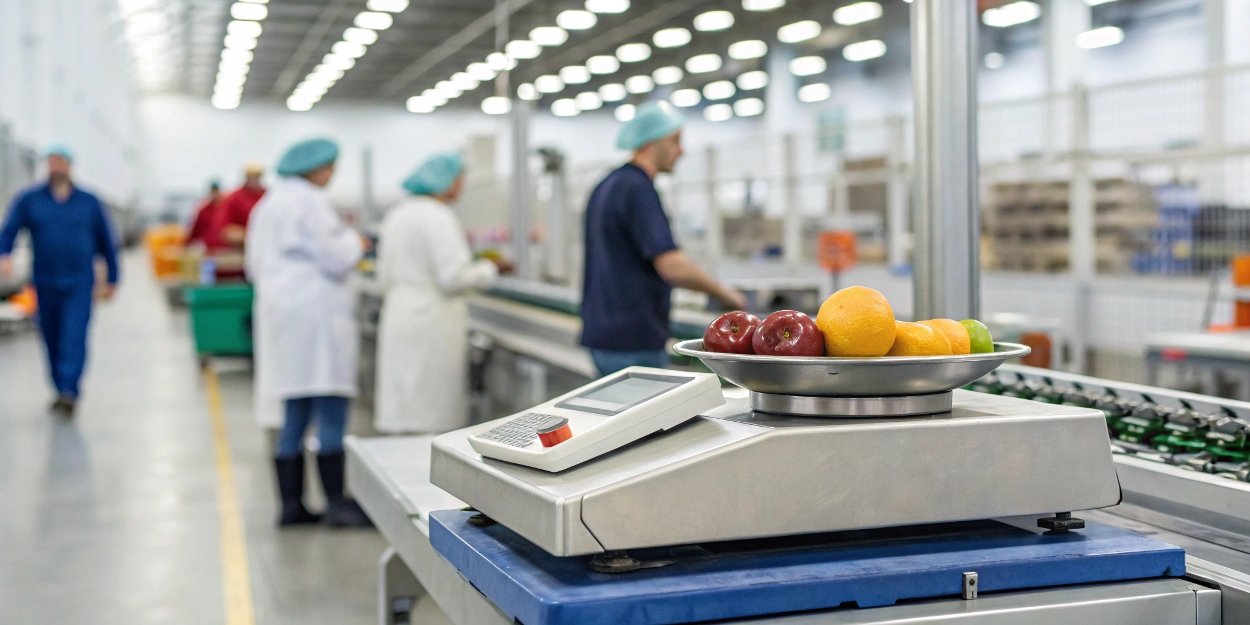
A simple scale tells you, "This bag weighs 500g." An integrated stainless steel combination weigher tells your system, "I have created 1,200 perfect 500g bags in the last hour with an average giveaway of only 0.1g per bag, and I have fed this data directly into your ERP system for real-time inventory tracking." This shift from a simple tool to an intelligent data node is what defines modern weighing. For a software vendor, this is the most exciting part. The scale is no longer just a piece of hardware; it’s an endpoint device, a rich source of production data that your software can harness to create immense value.
Level 3: The Scale as a Business Nerve Center
-
Commerce and Control: At its core, weight ensures fair trade (selling by weight) and enables precise recipe formulation and portion control, directly impacting product consistency and cost.
-
Automation and Efficiency: A combination weigher is an automation linchpin. It takes a bulk, random flow of product and, at incredible speeds, portions it out into exact weights, feeding directly into packaging machines. This eliminates manual labor, reduces product giveaway, and dramatically increases throughput.
-
Data Integration and Intelligence: This is where we, as hardware experts, rely on partners like you. Our scales can output a constant stream of data: production rates, weights, stoppage times, and efficiencies. When your software integrates with this data, you can provide a business with dashboards for performance monitoring, predictive maintenance alerts, and seamless integration into their broader Manufacturing Execution Systems (MES)5 or Enterprise Resource Planning (ERP)6 software.
| Purpose of the Scale | Direct Business Impact |
|---|---|
| Accurate Measurement | Fair trade, cost control, product consistency |
| Automation (e.g., Combination Weighing) | Increased throughput, reduced labor costs, minimized product giveaway |
| Data Generation & Connectivity (IoT) | Real-time inventory, production analytics, enhanced operational visibility |
Conclusion
A stainless steel combination scale is more than a weighing machine. It’s a smart, durable, and hygienic solution for boosting precision, speed, and profitability in your production line.
-
Learn about the mechanics and advantages of multi-head weighers in production. ↩
-
Gain insights into the critical role of load cells in modern weighing technology. ↩
-
Explore the chemical processes that lead to scaling in stainless steel. ↩
-
Understand why Grade 304 is commonly used in food and chemical industries. ↩
-
Explore how MES integrate with weighing systems for enhanced production control. ↩
-
Understand the connection between ERP systems and efficient inventory management. ↩


[…] for 18 years. During that time, I've seen scales change from simple mechanical devices to complex IoT systems1. But their fundamental importance has never wavered. You might think a scale just gives you a […]
Thank you for sharing your experience! I totally agree that while technology keeps evolving, the fundamental role of scales remains essential. It’s fascinating to see how far we’ve come, and I’m sure the future will bring even more exciting innovations.