
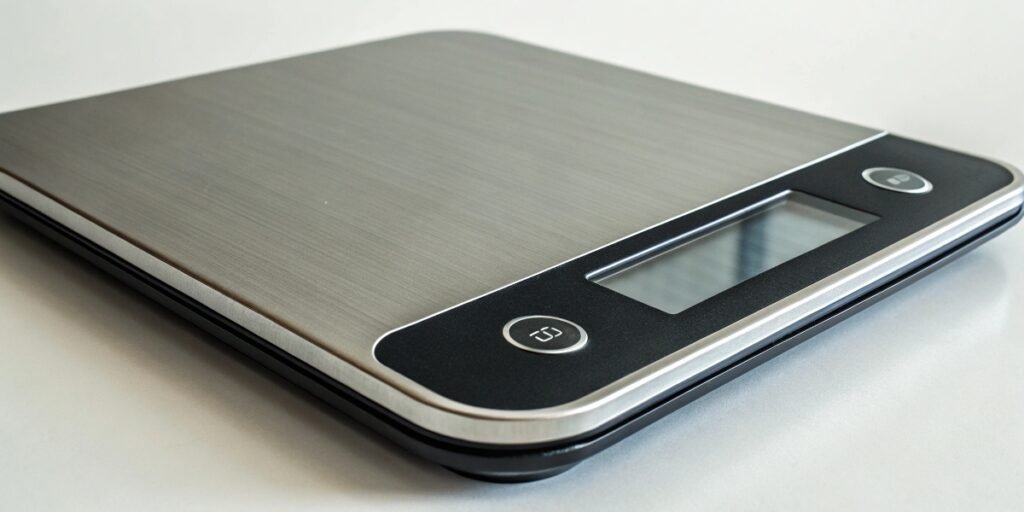
Are you confused by what makes an electronic scale different from a regular one? This uncertainty can lead to choosing the wrong tool, wasting both time and money.
An electronic scale is a weighing instrument that uses an electronic sensor, called a load cell, to measure the weight of an object. It converts the force of the weight into a digital signal, which is then displayed clearly on a screen for a precise reading.
That’s the basic idea, but the technology behind it is what truly sets it apart and makes it so versatile. As a manufacturer with 18 years of experience, I've seen how understanding these details helps our clients make much better purchasing decisions. To really grasp its value, you need to look closer at its core components and how they come together. Let's dig a little deeper to see what makes these devices so essential in today's industries.
What is the meaning behind an electronic scale?
You see "electronic scale" used everywhere, but the term can feel a bit vague. Without knowing its true meaning, you might overlook its key capabilities or limitations for your needs.
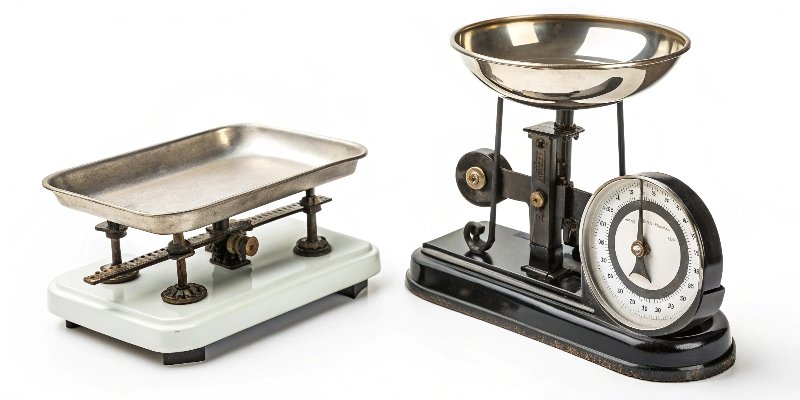
The real meaning of an electronic scale is in its method. It relies on a sensor to feel the weight and a digital system to process and show it. This is completely different from old mechanical scales that use springs and gears.
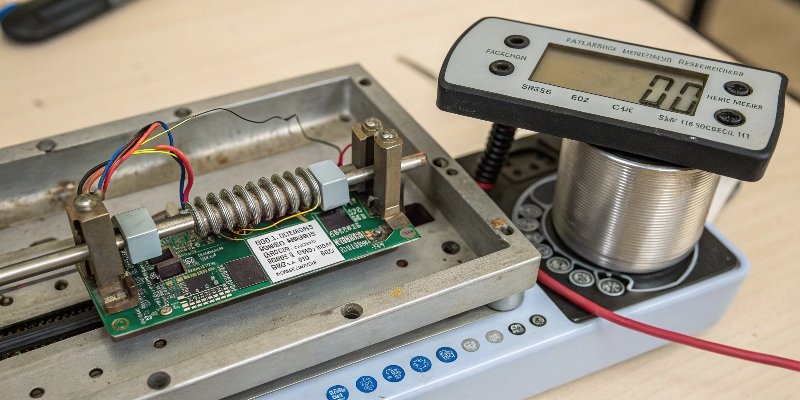
At Weigherps, we build our scales around two core parts: the sensor module and the signal processing unit1. Think of the sensor as the nerve endings and the processor as the brain.
The Core Components
-
Sensor Module: This is where the magic starts. The most common type we use is the strain gauge load cell2l](https://www.britannica.com/technology/solar-cell)[^3]. It’s a simple but brilliant device. When you place a weight on the scale, it slightly deforms a metal structure inside the load cell. This deformation changes the electrical resistance of attached strain gauges. For special cases, like fast, dynamic weighing, a piezoelectric sensor might be used, while hydraulic sensors are sometimes chosen for explosion-proof environments.
-
Signal Processing: The tiny change in electrical resistance from the sensor is an analog signal. It’s too small to be useful on its own. So, a chip (like the popular HX7113) amplifies this signal. Then, an analog-to-digital converter (ADC) turns it into a digital number that the scale's processor can understand and display on the screen. This digital process is why electronic scale4s are so precise and reliable.
Is an electro scale the same as an electronic scale?
Have you heard people use the terms "electro scale" and "electronic scale" and wondered if they are different? This can be confusing when you are trying to find the right product.
Yes, an "electro scale" and an "electronic scale" are the same thing. "Electro scale" is just a shorter, less common way of saying it. Both terms describe a scale that measures weight using electronic components instead of mechanical parts like springs.
The "electronic" part is what gives these scales their advanced features, far beyond just showing a number on a screen. Over my years in this industry, I have seen these features become critical for our clients. It is about what the electronics enable the scale to do.
For example, we classify scales by their precision. This is a fundamental feature directly enabled by their electronic nature.
| Precision Class | Minimum Accuracy | Common Use Case |
|---|---|---|
| Class I | 0.1mg | Analytical laboratories, scientific research |
| Class II | 0.1% of Full Scale | Crane scales, precious metal trading |
| Class III | 1g - 10g | Industrial platforms, logistics, retail |
Besides precision, other electronic features include:
- Digital Displays: Bright, clear LED or LCD screens that can switch between units like kilograms (kg), pounds (lb), and grams (g).
- Advanced Functions: The tare function5, which lets you zero out the weight of a container, is a simple but powerful electronic feature. Many scales can also accumulate weights for batching or store data for later analysis, often through ports like RS485.
What are electronic scales used for in science?
You know scales weigh things, but how are they critical in a scientific lab? Using the wrong scale can destroy an entire experiment, costing researchers valuable time, materials, and money.
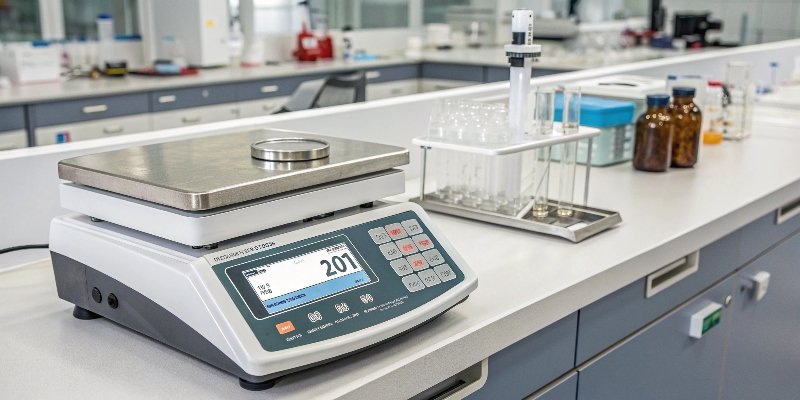
In science, electronic scales, often called analytical or lab balances, are used for extremely precise measurements of chemicals and samples. Their high accuracy, sometimes down to 0.1 milligrams, is vital for creating repeatable and valid results in chemistry, biology, and pharmaceutical development.

The need for accuracy in science cannot be overstated. From my experience working with clients in R&D, I know that a tiny error can have huge consequences. This is why different types of electronic scales are used for different jobs, each with a specific level of precision.
Let's look at a few examples:
| Scale Type | Typical Application | Common Precision Level |
|---|---|---|
| Desktop/Bench Scale | Basic lab work, school experiments | Class III (1g - 0.1g) |
| Platform Scale | Weighing larger samples, logistics in a research facility | Class III (1kg - 10g) |
| Crane Scale | Measuring heavy materials in industrial research | Class II (0.1% FS) |
| Analytical Balance | Precise chemical formulation, pharmaceutical quality control | Class I (0.1mg or better) |
A chemist preparing a solution needs to measure reagents with sub-milligram accuracy. A pharmaceutical company testing a new drug needs to verify the exact dosage in every pill. In material science, researchers measure tiny samples to calculate density. In all these cases, the reliability of the electronic scale is the foundation of the entire scientific process.
What is a smart weighing scale?
You've probably heard the term "smart scale" a lot recently. But what does it really mean for an industrial or commercial scale, and why should you care?
A smart weighing scale is an electronic scale with extra digital powers. It has connectivity like Bluetooth, Wi-Fi, or IoT and can send weight data directly to computers, apps, or cloud systems. This turns it from a simple measuring tool into a data-gathering device.
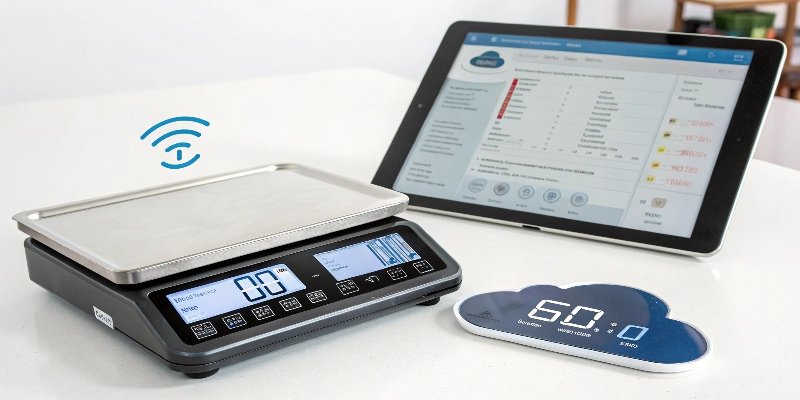
As a manufacturer, we are at the forefront of this evolution. We are no longer just building scales; we are building data solutions. For our clients, especially software vendors, this is where things get exciting. Smart scales create opportunities for integration and automation that were impossible with older technology.
Here are some key advancements we are building into our scales:
- Intelligent Algorithms: We use AI to automatically correct for factors that can affect accuracy, like temperature changes. For instance, some of our models can limit temperature-related errors to less than 0.01% per degree Celsius.
- Wireless Data Transmission: With built-in Bluetooth or 4G modules, our scales can instantly upload weight data. Imagine a logistics platform where every package weight is automatically sent to the inventory system without manual entry.
- Robust Designs for any Environment: We also build smart scales for tough conditions. A scale with an IP68 rating is fully dust-tight and waterproof. For hazardous areas like chemical plants or mines, we use "intrinsically safe" circuits that prevent sparks, ensuring safety.
When you're looking for a new scale, especially for a connected environment, ask about these smart features. It could be the key to unlocking major efficiency gains in your operations.
Conclusion
An electronic scale uses sensors for precise measurement. Today, smart scales add connectivity and data features, revolutionizing how we use weight information across all industries, from the lab to the factory.
-
Explore how signal processing units enhance the accuracy and reliability of electronic scales. ↩
-
Discover the most common type of load cell and its significance in various weighing applications. ↩
-
Find out how the HX711 chip amplifies signals for precise weight measurements. ↩
-
Understanding electronic scales is crucial for making informed purchasing decisions and ensuring accurate measurements. ↩
-
Discover how the tare function simplifies weighing processes by zeroing out container weights. ↩


[…] place makes all the difference for safety and efficiency. A food processing client of ours needs IP68 waterproof scales4 that can withstand daily high-pressure washdowns, while a partner in the petroleum industry relies […]