
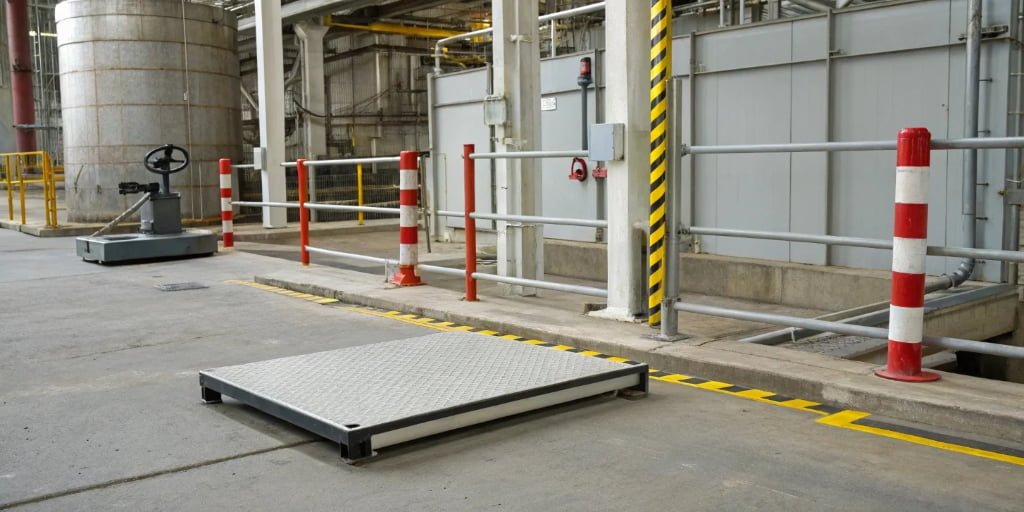
Working with flammable materials creates constant risk. A single spark from normal electronics could trigger a disaster. Intrinsically safe scales are designed specifically to prevent this from happening.
An intrinsically safe scale is an explosion-proof device designed to prevent ignition in hazardous areas. It achieves this by limiting its own electrical and thermal energy, ensuring it cannot create a spark or hot surface strong enough to ignite flammable gases, vapors, or dust.

Many people hear "explosion-proof" and think of a heavy-duty box that can contain a blast. This is a common and dangerous misunderstanding. With intrinsically safe technology, the goal isn't to contain an explosion—it's to make sure one can never happen in the first place. This simple shift in thinking is critical for anyone responsible for safety in a hazardous environment. If you operate in an industry where flammable materials are part of your daily process, understanding this difference is the first step toward true operational safety. Let's explore why this equipment is not just an option, but a necessity.
Why would you need intrinsically safe equipment?
Many industries handle potentially explosive materials every single day. Using regular electronics in these classified areas is like gambling with employee safety. Intrinsically safe equipment is essential for safety and compliance.
You need intrinsically safe equipment whenever you operate in an officially classified hazardous area. These are locations where flammable gases, mists, or combustible dust exist in the air in high enough concentrations to be explosive. Using IS equipment is mandated by safety regulations to protect lives.

When we talk about needing this equipment, we're talking about managing non-negotiable risks. In my 18 years in this industry, I've seen how essential it is to match the equipment to the environment. If your facility handles materials like solvents, fuels, fine organic powders like flour or sugar, or certain chemicals, you are legally and morally obligated to prevent ignition sources. Standard electronic scales, with their internal circuitry, are potential ignition sources. Intrinsically safe scales are not. As a manufacturer, we provide solutions for these specific needs, because failure is not an option.
Identifying Your Hazardous Area
Regulators classify hazardous areas1 into zones based on the frequency and duration that an explosive atmosphere2 is present. Understanding your zone is the first step to selecting the correct equipment.
| Zone Classification3 | Gas/Vapor Environment (IEC/ATEX) | Dust Environment (IEC/ATEX) |
|---|---|---|
| Constant Risk | Zone 0 | Zone 20 |
| Intermittent Risk | Zone 1 | Zone 21 |
| Abnormal/Rare Risk | Zone 2 | Zone 22 |
These classifications guide purchasing managers and technical directors in sectors like petrochemicals, pharmaceuticals, mining, and food processing to choose scales that meet strict safety standards like ATEX or IECEx.
What is meant by intrinsically safe?
The term "intrinsically safe" can sound very technical and complex. Misunderstanding what it means can lead you to purchase the wrong equipment, creating a false sense of security in your facility.
The core idea is simple: intrinsically safe means a device's electrical system is designed to be incapable of producing a spark or heat that could ignite a flammable atmosphere. It’s a proactive safety design, preventing the fire instead of just containing the consequences of it.
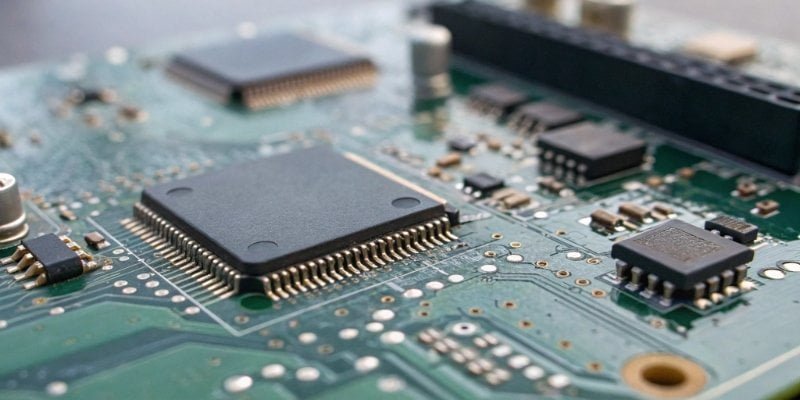
This is the most important concept I explain to our customers. The entire philosophy is built on energy limitation4. The circuits inside an intrinsically safe scale are designed to operate on such low voltage and current that, even if a wire is cut or a component fails and short-circuits, the resulting spark lacks the energy to ignite the most volatile substances. It’s a beautifully simple and effective approach to safety. We focus on this preventative method because it is often safer, more cost-effective, and allows for easier maintenance compared to alternative protection methods.
Intrinsic Safety vs. Explosion Proofing
It's crucial to understand that "intrinsically safe" and "explosion-proof" are not the same thing. They are two different protection concepts with different applications.
| Feature | Intrinsically Safe (IS) | Explosion-Proof (XP) |
|---|---|---|
| Safety Concept | Prevention. Limits energy to prevent ignition. | Containment. Enclosure withstands an internal explosion. |
| Design | Low-power circuits, lightweight components. | Heavy, rugged, sealed enclosures. |
| Maintenance | Can often be maintained while powered on. | Must be powered down to open the enclosure. |
| Environment | Suitable for the most hazardous zones (Zone 0). | Typically used in less critical zones (Zone 1). |
| Weight & Cost | Lighter and often more cost-effective. | Heavier and typically more expensive. |
As you can see, the intrinsic safety approach we champion at Weigherps is about designing the danger out of the product from the start.
Why is using intrinsically safe instruments so important?
Safety incidents can close down your operations and destroy your reputation. A single accident can result in devastating human, environmental, and financial costs that no company can afford.
Using certified intrinsically safe instruments is so important because it is your first and best line of defense. It is a fundamental safety measure that protects workers, prevents catastrophic facility damage, ensures you meet legal and regulatory requirements, and avoids huge financial fallout.

The importance goes beyond just ticking a compliance box. It’s about building a culture of safety. When you invest in certified IS equipment, you are sending a clear message to your employees that their well-being is the top priority. From my experience working with global brands, this commitment to safety strengthens trust and morale. Furthermore, it protects the business itself. An explosion doesn't just halt production; it invites regulatory fines, lawsuits, and a public relations crisis. The cost of a single incident far outweighs the investment in proper equipment. We make sure every IS scale we ship passes rigorous testing because we understand we are not just selling a product; we are providing a critical piece of your safety system.
The Unseen Benefits of Compliance
Choosing certified equipment has positive ripple effects across your entire business.
- Worker Safety and Morale: The primary goal. A safe worker is a confident and productive worker.
- Operational Continuity: Preventing accidents is the best way to prevent unscheduled downtime and production losses.
- Lower Insurance Premiums: Insurance providers recognize and reward businesses that proactively manage risk with certified equipment.
- Brand Reputation: A strong safety record is a powerful asset, showing customers and partners that you are a responsible and reliable operator.
What are the requirements for intrinsically safe?
"Intrinsically safe" is not just a marketing label. It's an engineering standard that demands strict design rules and independent, third-party certification to be valid.
The main requirement is that the equipment must be officially certified by a recognized body like ATEX in Europe or UL/FM in North America. This certification process involves intense testing to prove the device's electrical circuits cannot create a dangerous spark or get too hot.
When a technical director or purchasing manager looks for an IS scale, the certification mark is their guarantee of safety. This isn't something a manufacturer can self-declare. As a producer, we have to submit our designs and product samples to these agencies. They put our equipment through worst-case-scenario tests—short-circuiting components, cutting wires, and running the device at its limits—to verify it remains safe. The final certification label tells you exactly which hazardous environments the scale is approved for. At Weigherps, we guide our clients through this process, ensuring the product they choose has the correct certification for their specific needs.
Decoding the Certification Labels
The string of codes on an IS product label provides critical information. Understanding it is key to ensuring you have the right device. Here is an example of a common ATEX marking.
| Marking Part | Example | Meaning |
|---|---|---|
| Ex Symbol | Ex | The device is certified for explosive atmosphere2s. |
| Equipment Group | II | For surface industries (not mining). |
| Equipment Category | 1G | Safe for Zone 0 (gas) environments. |
| Protection Concept | Ex ia | Intrinsic Safety, safe even with two independent faults. |
| Gas Group | IIC | Suitable for the most explosive gases like hydrogen. |
| Temperature Class | T4 | Maximum surface temperature will not exceed 135°C. |
This code confirms the device is built to the highest safety standards for the most dangerous gas environments.
Conclusion
Intrinsically safe scales are not about containing explosions but preventing them. They are essential for protecting lives and facilities, making them a mandatory investment for safety in hazardous areas.
-
Understanding hazardous areas is crucial for safety compliance; this resource provides essential insights. ↩
-
Understanding explosive atmospheres is key to ensuring safety; this resource provides valuable insights. ↩ ↩
-
Understanding zone classifications is vital for selecting the right safety equipment; this resource explains it all. ↩
-
Discover how energy limitation is a key principle in preventing ignition and ensuring safety. ↩


[…] Ga: Very high level of protection. The equipment is safe even if two independent faults occur. This level is required for the most dangerous areas, Zone 02. […]