
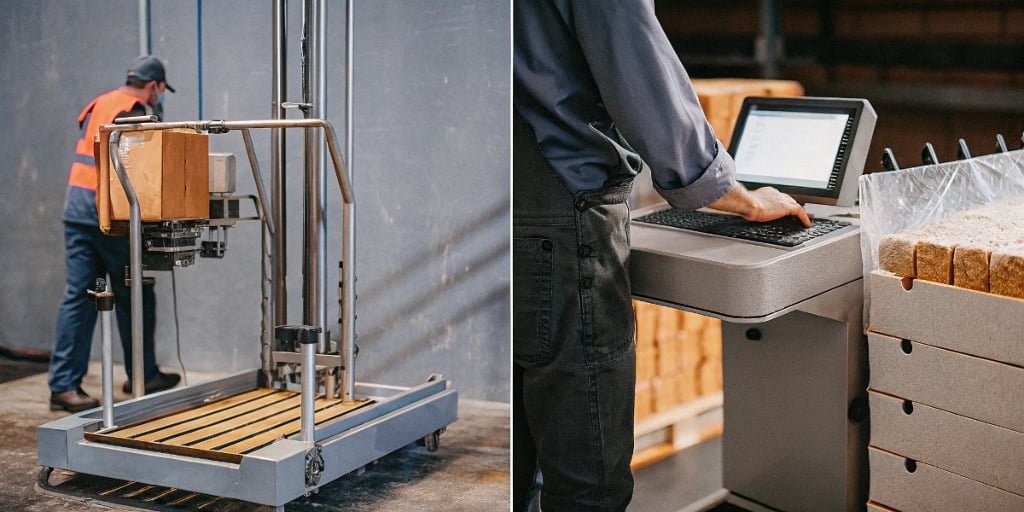
Are you losing money from inconsistent product weights? This can lead to giving away free product or facing angry customers and legal fines. A checkweigher solves this by automating weight verification.
A checkweigher automatically verifies a product's weight on a production line against a pre-set target. Unlike a regular scale for manual tasks, a checkweigher works at high speed, offers superior accuracy, and can automatically reject items that are over or under the correct weight.

For over 18 years, we've helped countless businesses move from slow, error-prone manual weighing to automated precision1. I've seen firsthand how a simple change can revolutionize a production floor. A regular scale is a useful tool, but on a busy production line, it’s like using a rowboat in a shipping lane. You need a system designed for the job. A checkweigher2 is that system. It doesn’t just weigh; it inspects, decides, and acts, all in the blink of an eye. This guide will walk you through exactly how it works and why it's a game-changer for quality control.
How does a dynamic checkweigher work on a production line?
Is your production line moving too fast for accurate manual weighing? You might worry about inconsistent products slipping past and reaching customers. A dynamic checkweigher integrates directly into your line to solve this.
A dynamic checkweigher uses a three-conveyor system. The infeed belt spaces products correctly, the weigh belt measures their weight while in motion using a precise load cell, and the outfeed belt sorts them. A reject mechanism automatically removes any product outside the target weight.
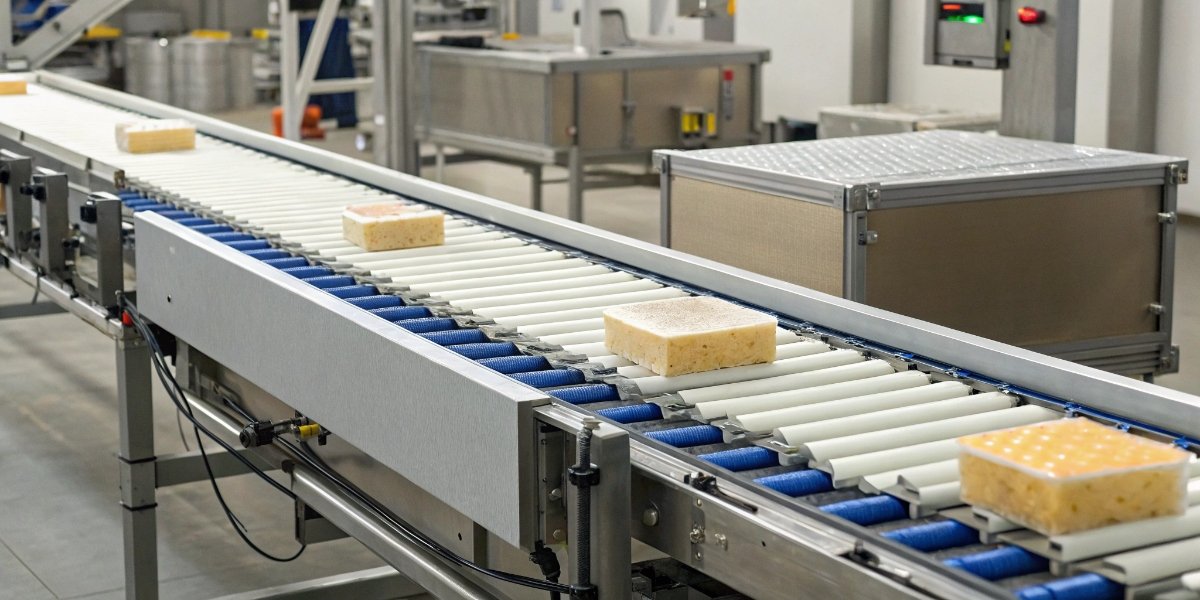
Let's break that process down. When I visit a client's facility, I often explain it as a three-step traffic control system for their products. Each step is crucial for getting a fast and accurate result.
- The Infeed Zone: Think of this as the on-ramp. This conveyor takes products from your main production line and ensures there is a proper, consistent gap between each one. If products are too close or touching, the scale can't get an accurate weight for a single item. Our systems are designed to manage this spacing perfectly.
- The Weighing Zone: This is where the magic happens. The product moves onto a special conveyor belt that sits on a highly sensitive load cell3. For a fraction of a second, as the product passes over, the system captures its dynamic weight. This requires sophisticated software and a high-quality load cell to filter out vibrations and get a true reading.
- The Outfeed and Reject Zone: After weighing, the system makes a decision. If the product weight is within the accepted range (e.g., Target Weight +/- 5 grams), it continues down the line. If it's too light or too heavy, a signal is sent to a reject device. This could be a puff of air that blows the item into a bin, a mechanical arm that pushes it aside, or a drop-flap conveyor. The goal is to remove non-conforming products without ever stopping the line.
What is the difference between static weighing and dynamic weighing?
Are you confused by all the weighing terminology? Using the wrong type of weighing for your process can waste a lot of time and money. It is important to know the difference.
Static weighing measures an object when it is completely still, like placing a box on a floor scale. Dynamic weighing measures an object while it is in motion, like on a conveyor belt. Static is for manual tasks or labs, while dynamic is for automated, high-speed production.
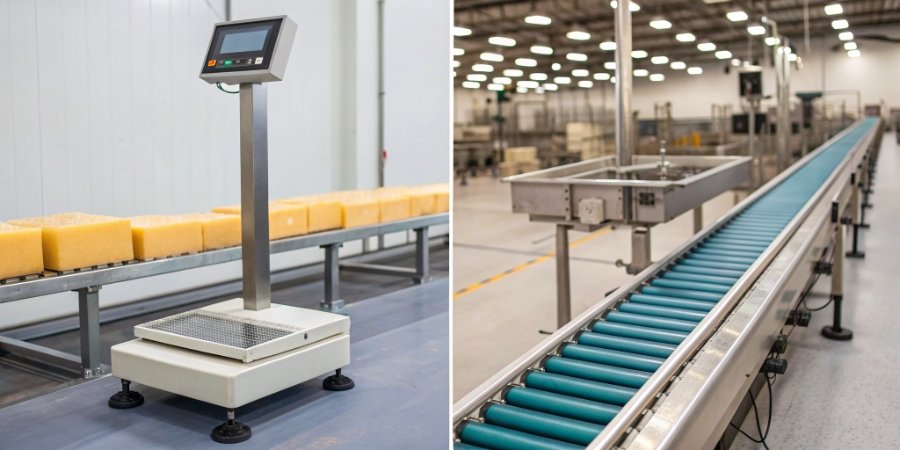
I once had a client who was trying to use a high-precision static scale for quality checks on their packaging line4. They had an operator who would pull a package off the line every few minutes, place it on the scale, record the weight, and then put it back. It was a huge bottleneck. Production had to slow down, and they were only checking maybe 1 out of every 100 packages. This is a classic example of using the wrong tool for the job.
We replaced their manual process with one of our dynamic checkweigher5s. The difference was immediate. They could now check 100% of their products without any slowdowns.
To make it clearer, here is a simple table comparing the two methods:
| Feature | Static Weighing | Dynamic Weighing |
|---|---|---|
| Object State | Must be completely still | In motion |
| Speed | Slow, manual process | Very fast, automated |
| Application | Labs, shipping desks, spot checks | Production lines, packaging |
| Throughput | Low (items per minute) | High (up to 400+ items per minute) |
| Main Goal | High precision in a controlled setting | Speed and 100% inspection |
For a purchasing manager or technical director, the choice depends entirely on the application. Static weighing is perfect for tasks where an operator has time to handle an item individually. But for any automated manufacturing or packaging process, dynamic weighing6 is the only way to achieve both speed and total quality coverage.
How can a checkweigher improve product quality control and compliance?
Are you worried about customer complaints from underweight packages or legal fines for not meeting regulations? Manual checks are not reliable enough. A checkweigher is the best way to protect your brand and profits.
A checkweigher guarantees every product meets its stated weight, improving consistency and customer trust. It also provides essential data to prove compliance with net content laws, which helps you avoid fines and creates a verifiable quality record for your company.
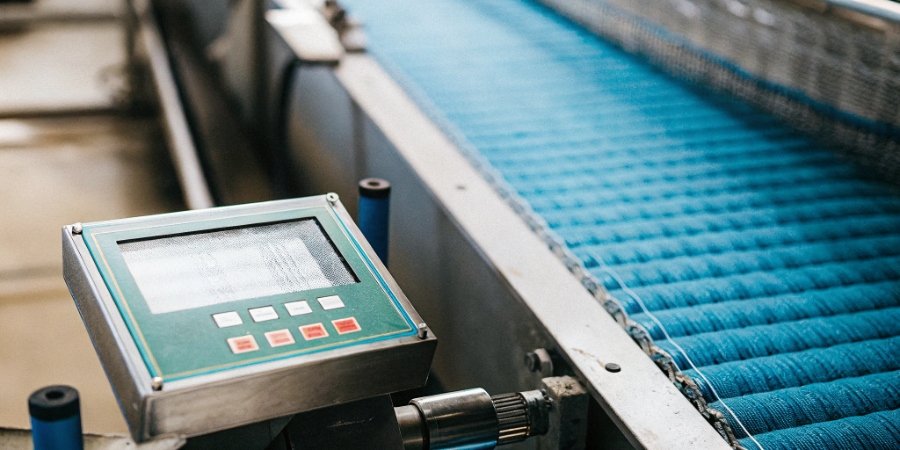
Improving your process with a checkweigher brings two major benefits. We see this with every customer we work with.
First, it tightens your Product Quality Control. Every business wants happy customers. If a customer buys a bag of coffee that is supposed to be 500g but feels light, they lose trust in your brand. A checkweigher stops this from happening by ensuring no underweight packages leave your factory. But it also helps your bottom line. If that 500g coffee bag actually contains 510g, you are giving away 2% of your product for free. Over millions of packages, that lost profit adds up fast. A checkweigher flags these overweight packages so you can fix the problem upstream at the filler.
Second, it ensures Regulatory Compliance. Many countries have strict laws about package contents, often called "average weight" or "net content control" laws. You are legally responsible for ensuring the weight printed on your label is accurate. Failing an audit can lead to massive fines, forced recalls, and damage to your public reputation. A checkweigher is your best defense. It not only ensures compliance but also provides data to prove it. Our systems can log the weight of every single product, creating reports that you can show to inspectors during an audit. This documentation is critical for any company in the food, pharmaceutical, or consumer goods industries.
What are the key features to consider when choosing a checkweigher?
Are you ready to buy a checkweigher but feel overwhelmed by all the options? Choosing the wrong machine is a very expensive mistake. You need to know the essential features to look for.
Focus on accuracy, speed (products per minute), and the weight range it can handle. The reject system is also vital. You should also consider the user interface, data connectivity for your software, and the machine's construction material for your specific environment.
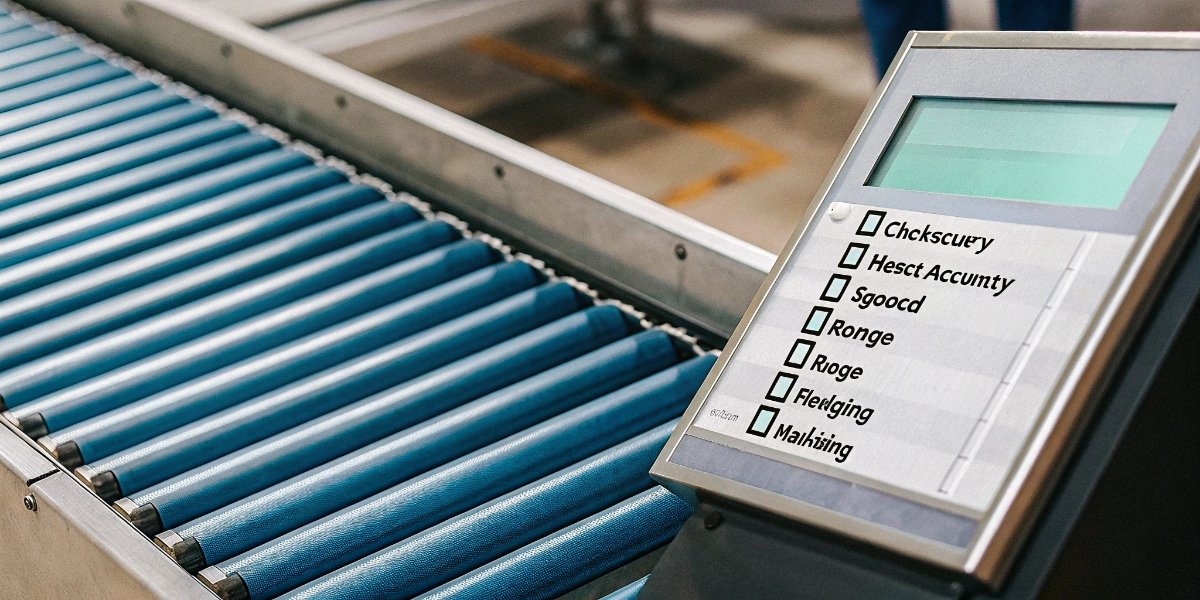
As a manufacturer, we build custom solutions because no two production lines are exactly the same. When a client like a software vendor or a purchasing manager comes to us, we help them think through a checklist of needs. This ensures they get the right machine. Here are the main things we discuss:
Core Performance
- Accuracy: How precise does it need to be? This is often defined in grams (e.g., +/- 1g). Tighter accuracy is needed for high-value products.
- Speed: How many products per minute (PPM) does your line run? The checkweigher must be able to keep up.
- Weight Range: What are the minimum and maximum weights of the products you will be weighing?
Physical Build and Environment
- Construction: Do you need stainless steel for food-grade clean-downs? An IP65 rating means it is protected from water jets, which is essential in some industries.
- Size: The machine must physically fit into your existing production line. We consider conveyor length, width, and height.
System and Rejection
- Reject Mechanism: How should underweight or overweight products be removed? A gentle pusher is good for boxes, while an air-blast is better for light items like bags of chips.
- Software and Connectivity: The machine must be easy for your team to use. It also needs to connect to your factory management software (like an ERP or SCADA system) to send weight data for analysis. This is a critical point for our technically-minded clients, and we ensure our systems offer flexible integration.
Thinking through these points ensures you invest in a solution that will serve you well for years.
Conclusion
In short, a checkweigher is an essential tool for modern production. It automates quality control with speed and precision, protecting your profits, your customers, and your brand's reputation.
-
Learn how automation can lead to higher precision and lower operational costs. ↩
-
Explore this link to understand how checkweighers enhance production efficiency and accuracy. ↩
-
Gain insights into load cells and their critical role in accurate weight measurement. ↩
-
Learn effective strategies to improve efficiency and accuracy in packaging lines. ↩
-
Learn about the advantages of dynamic checkweighers in automating weight verification. ↩
-
Learn how dynamic weighing can streamline your production process and improve accuracy. ↩


[…] parts, perform checkweighing1, control […]