

Your generic scales create data silos and errors. This manual work costs you time and money, hurting your bottom line. We integrate scales with your software for seamless automation.
Customized weighing system integration is the process of tailoring weighing hardware and software to connect directly with your existing business systems, like an ERP or POS. This creates a unified network that automates data capture and streamlines operations, from production to logistics, for maximum efficiency.

In my 19 years in the industrial scale business, I've seen firsthand how powerful integration can be. It’s not just about connecting a scale to a computer. It's about creating a single, intelligent system that makes a whole business run smoother. Many of our partners are software vendors who need their platforms to communicate perfectly with weighing hardware. We help them build that bridge. But how does this process actually work? Let's break it down so you can see how it could work for you and your clients.
How Does Customized Weighing System Integration Work?
Thinking about system integration feels complicated and risky. This fear holds you back from major efficiency gains. But the process is a clear, step-by-step journey we can manage together.
It works by using APIs or custom software to bridge communication between the weighing scale and your business systems. The scale captures weight data, which is then instantly sent to your ERP or inventory software. This eliminates manual entry and ensures your clients have real-time, accurate data.

From our experience as a manufacturer, the process is a collaborative effort between us, you (the software vendor), and the end client. It's about understanding the unique needs of a business and building a solution that fits perfectly. We don't believe in one-size-fits-all.
The Integration Blueprint
First, we perform a thorough assessment. We look at the client's current scales, even if they are from other brands, and your software's architecture. We need to understand the communication capabilities of each piece of the puzzle. Next is the development phase. This is where our R&D team shines. If a standard API exists, great. If not, our engineers develop custom firmware for the scale or middleware1 that acts as a translator between the scale's output and your software's input. Finally, we map the data and automate the workflow. We define exactly where the weight data should go and what actions it should trigger in your system. This is where the true value is unlocked.
What Are the Benefits of Integrating a Customized Weighing System?
Manual data entry is slow and full of costly errors. This constant fire-fighting hurts your clients' efficiency and their budgets. Integrating scales automates data flow, saving money and boosting accuracy.
The main benefits are increased efficiency and accuracy. You eliminate manual data entry errors, speed up workflows, and get real-time inventory and production data. This leads to better decisions, reduced labor costs, and improved operational control, making your software solution indispensable.
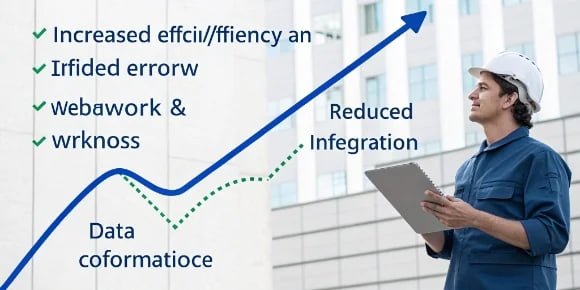
The advantages go far beyond just saving a little time. When we integrate weighing systems, our clients see transformative results across their entire operation. For a software provider, offering a solution that delivers these concrete benefits is a huge selling point. It makes your software stickier and more valuable to the end user. Your platform becomes the central nervous system for their physical operations, not just a digital tool. We've seen this happen time and again. The key is to show clients how this a small change in process can lead to huge gains in profit and control. Here are the key benefits we consistently observe:
| Benefit Category | Specific Advantage | Impact on Your Business |
|---|---|---|
| Operational Efficiency | Automates data capture2 from scales | Reduces labor costs and dramatically speeds up processes. |
| Data Accuracy | Eliminates transcription and human error | Provides reliable data for inventory, billing, & compliance. |
| Real-Time Insights | Instantly syncs weight data with ERP3/WMS | Enables smarter, faster decision-making on the factory floor. |
| Improved Traceability | Links precise weight data to batches or products | Enhances quality control and simplifies potential recalls. |
| Enhanced Scalability | A unified system is easier to expand | The client's business can grow without process breakdowns. |
How Can You Achieve Successful Custom Weighing System Integration?
Integration projects can be risky and go over budget. A failed project can harm your business and waste money. Success depends on a clear roadmap and a hardware partner who gets it.
Success starts with a detailed needs analysis to define clear goals. Then, choose an experienced integration partner who understands both weighing hardware and software APIs. A phased rollout, starting with a pilot project, helps manage risk and ensures a smooth transition to full implementation.

As a software vendor, your role is crucial. A successful integration makes your product indispensable to your client. Over the years, we've developed a blueprint for success that minimizes risk and maximizes return. It’s all about planning and partnership. You can't just ship a scale and hope for the best.
1. Define Clear Objectives
What exact problem is the client trying to solve? Is it reducing shipping errors? Automating inventory counts in a warehouse? Getting precise measurements for a food production recipe? Before a single line of code is written, everyone—the client, your team, and our engineers—must agree on the project's specific, measurable goals. This prevents scope creep and ensures the final product delivers real value.
2. Choose the Right Partner
You need a partner, not just a supplier. Look for a manufacturer like us with a dedicated technical department for integration. Our team includes experts in industrial weighing, automation, and IoT. We can speak the same language as your developers, which makes the collaboration much smoother.
3. Start with a Pilot Program
Don't try to change everything at once. We always recommend picking one production line or workstation for a pilot test. This allows us to work out any bugs in a controlled environment. A successful pilot proves the concept, builds confidence within the client's team, and provides a clear case study for a company-wide rollout.
What Are Common Challenges in Customizing Weighing System Integration?
You know integration isn't always easy. Unexpected issues can cause frustrating delays and budget overruns. But by knowing the common pitfalls, you can plan ahead to avoid them entirely.
Common challenges include hardware incompatibility, especially with older scales, and a lack of standardized communication protocols. Others are poor data mapping, leading to incorrect information in the ERP, and insufficient user training, which results in low adoption rates. Proper planning mitigates these risks.
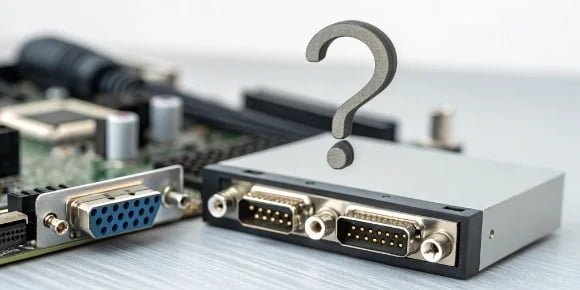
In our 19 years, we've navigated almost every challenge imaginable. The good news is that most are preventable when you have the right expertise on your side. These are not just technical problems; they are business problems. As a software vendor, helping your clients overcome these hurdles makes you a hero. Here are the issues we see most often and how we tackle them for our partners.
Hardware and Legacy Systems
A client’s factory might have scales from ten different brands, some of them decades old. These often lack modern communication ports like RS232 or Ethernet. Our solution is to assess this equipment early. We can sometimes retrofit old equipment with new communication modules. Or, we can propose a cost-effective replacement plan, focusing on the most critical weighing points first to maximize ROI.
Software Compatibility
Your software is modern, but the scale's firmware is not. This is a classic "they don't speak the same language" problem. As a manufacturer with our own R&D team, we can develop custom firmware or middleware that acts as a universal translator. This bridges the gap and is a huge advantage we offer over simple resellers who are stuck with off-the-shelf solutions.
Lack of a Clear Scope
The project starts with a vague goal like "make it better." This is a recipe for failure. We insist on a detailed discovery phase to create a project scope document that defines exactly what a successful integration looks like. This document becomes our shared guide.
Conclusion
Customized integration connects scales to business software, boosting efficiency and accuracy. With the right plan and an experienced partner, you can overcome common challenges and achieve seamless, profitable automation.
-
Discover the role of middleware in integrating different software systems for seamless communication. ↩
-
Learn about effective data capture techniques that can streamline your operations and improve accuracy. ↩
-
Gain insights into ERP systems and how they can integrate with weighing systems for better data management. ↩



[…] who designed the system. We can quickly explain how to get the data you need or even create a custom firmware5 adjustment if necessary. This eliminates weeks of guesswork and troubleshooting6. I remember a […]