

Are you struggling with inaccurate data from manual weighing? This tiresome process slows down your production and creates costly errors. Integrated and automated weighing software is the key to solving these problems, and as a core part of modern production, it's something I've helped many clients implement.
Integrated automated weighing software is a system that connects industrial scales directly to your business management software, like an ERP or MES. It automates the collection of weight data, removing the need for manual entry. This ensures data is accurate, speeds up production, and improves traceability.
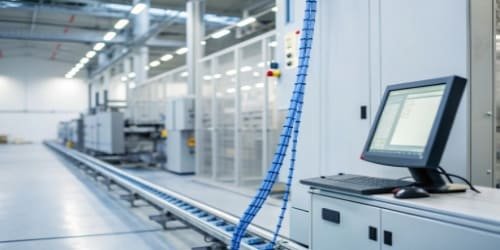
As someone who has been in the industrial scale manufacturing business for 19 years, I've seen firsthand how vital this technology is. It’s the heart of any automated or standardized production line. This software is more than just a tool; it is the central nervous system for your weighing operations, and adopting it can truly revolutionize your workflow. Let's explore how.
How Does Integrated Automated Weighing Software Improve Data Accuracy?
Are you tired of costly mistakes caused by someone writing down the wrong weight? A simple human error can affect your inventory, billing, and quality control. Automation completely removes the chance of these manual errors ever happening.
This software improves accuracy by capturing weight data directly from the scale and sending it to your database in real time. This process eliminates human errors like typos or misplaced decimal points that happen with manual data entry, ensuring your records are always precise.

In my experience, the biggest source of bad data is manual entry. I once visited a client in the food processing industry who was losing thousands each month because of small, repeated errors in ingredient measurements. An employee would jot down "1.5 kg" instead of "1.05 kg," and these mistakes would compound down the line. By integrating our weighing systems with their software, the data was sent directly to their system. This completely removed the possibility of human error. This direct link is critical. The software can also be set up with validation rules to flag any unusual readings instantly, giving you another layer of quality control1. This means every measurement is not just recorded, but also verified.
| Data Entry Method | Potential for Error | Data Consistency |
|---|---|---|
| Manual Entry | High (typos, transposition) | Low |
| Automated Software | Minimal to None | High |
What Are the Key Features of Integrated Automated Weighing Software?
Is your current weighing process a mix of separate, disconnected steps? This lack of connection slows you down and makes it hard to see the big picture. The right software features can connect everything for a smooth, efficient operation.
Key features include real-time data collection, seamless integration with ERP and business systems, customizable reporting and analytics, and secure user access controls. It also offers detailed audit trails for traceability and the ability to monitor weighing operations remotely.
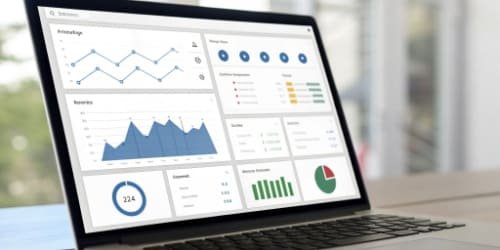
When we develop weighing solutions for our clients, we focus on the features that will make the biggest impact. Real-time data acquisition is fundamental because it allows managers to make instant decisions based on live information. Seamless integration is just as important. The software needs to talk to your existing Enterprise Resource Planning (ERP2) or Manufacturing Execution System (MES3); otherwise, you’re just creating another data silo. Good software will pull order information from your ERP and send back precise weight data, creating a closed loop. Customizable reporting is another feature I always emphasize. A purchasing manager needs different reports than a quality control director. The ability to generate detailed reports helps you analyze trends and make better business decisions. Finally, strong user management is crucial for security and accountability. You can control who has access to the system and track every action, which is essential for compliance.
How Can Integrated Automated Weighing Software Enhance Production Efficiency?
Are production slowdowns costing your company time and money? A clunky, manual weighing process is often the culprit. Automating this single step can have a massive positive effect on your entire workflow and increase your output.
This software boosts efficiency by dramatically speeding up the weighing process. It eliminates manual data logging, allowing for faster material throughput. This automation frees up your employees from repetitive tasks so they can focus on more complex, value-added work, increasing overall productivity.

I remember working with a logistics4 company that was struggling with long lines of trucks at their weighbridge. The manual process of recording truck details and weights was creating a serious bottleneck. After we implemented an automated system with our scales, the weighing time per truck was cut by more than half. The software automatically identified each truck, captured the weight, and printed the ticket without needing an operator to key in the data. This didn't just speed up the line; it also meant they could reassign two employees to other critical tasks in the yard. This kind of improvement is typical. By streamlining workflows and removing unnecessary manual steps, the software makes your entire operation more agile. Real-time data also means supervisors can spot and address any issues immediately, preventing small delays from turning into major problems.
What Industries Benefit Most from Integrated Automated Weighing Software?
Are you wondering if this kind of advanced technology is a good fit for your business? Many different industries face the same fundamental challenges with weighing. Highly regulated fields or those that handle bulk materials see the biggest improvements.
Industries like manufacturing, logistics, agriculture, and waste management benefit the most. Any business that depends on precise weight data for production, batching, shipping, billing, or regulatory compliance will see a significant return on investment.
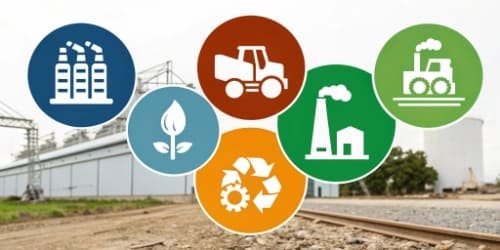
Over the years, I've seen the transformative power of this software across many sectors. In manufacturing, it's essential for recipe formulation and quality control, ensuring every batch is consistent. In logistics and shipping, automated systems5 prevent overloaded trucks and ensure accurate shipping costs. I've worked with agricultural clients who use it to track harvests and manage livestock feed with incredible precision. For waste management6 companies, it's crucial for billing and compliance, as revenue is directly tied to the weight of materials collected. The common thread is the need for accurate, reliable, and traceable weight data. If your business handles physical goods, this software is not just a nice-to-have; it's a core component of a modern, efficient operation.
| Industry | Primary Use Case | Key Benefit |
|---|---|---|
| Manufacturing | Ingredient Batching, Quality Control | Product Consistency |
| Logistics | Shipping & Receiving, Load Compliance | Cost Accuracy, Safety |
| Agriculture | Harvest Tracking, Feed Management | Inventory Control, Efficiency |
| Waste Management | Billing, Regulatory Reporting | Revenue Accuracy, Compliance |
Conclusion
In short, integrated automated weighing software is the core of modern industrial operations. It delivers accuracy, boosts efficiency, and provides the critical data you need to grow your business effectively.
-
Discover best practices for quality control to ensure product consistency and reliability. ↩
-
Understand the role of ERP in manufacturing and how it can enhance operational efficiency. ↩
-
Explore how MES can streamline production processes and improve data accuracy. ↩
-
Find out how automation can revolutionize logistics operations and improve efficiency. ↩
-
Explore the benefits of automated systems in enhancing production efficiency and reducing errors. ↩
-
Explore how technology can address challenges in waste management and improve operations. ↩

Comments (0)