
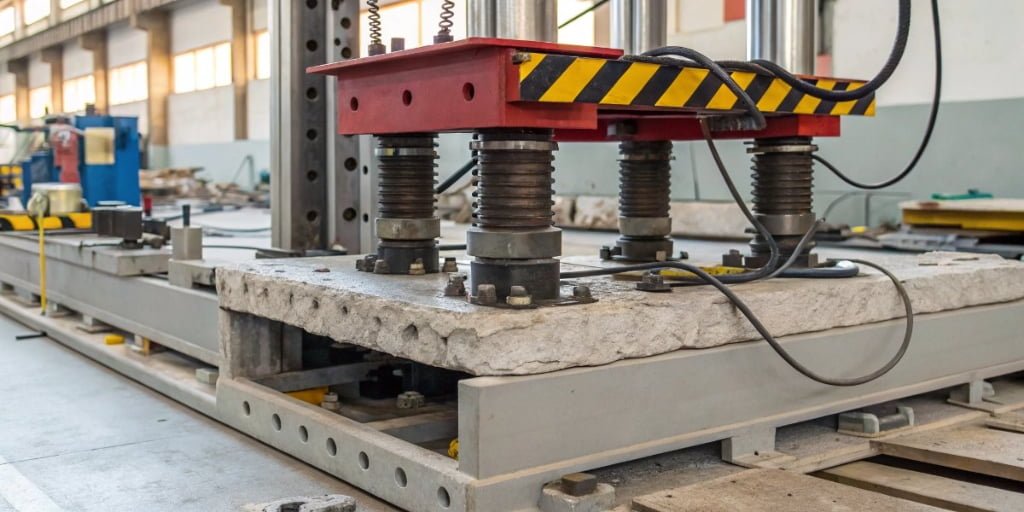
Your industrial scales keep losing accuracy or failing unexpectedly. This downtime costs you money and harms production, forcing expensive repairs and replacements that hurt your bottom line.
Scale shock loading is when a heavy object suddenly drops onto a scale with great force. This impact can cause immediate or long-term damage, ruining accuracy and often requiring expensive repairs or a full replacement of the scale or its load cells.
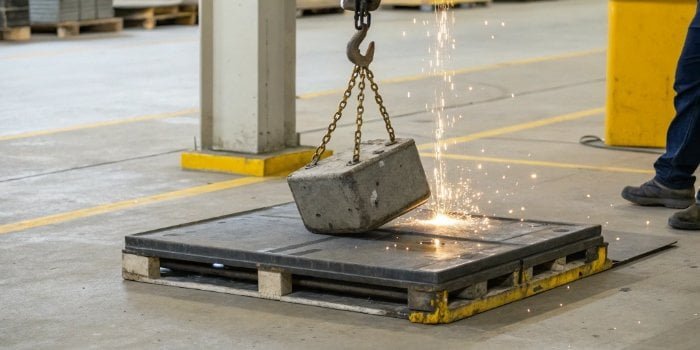
I've seen it happen countless times over my 19 years in this industry. A perfectly good scale, suddenly useless. The client is frustrated, and production is halted because a forklift operator accidentally dropped a full pallet onto the platform instead of placing it down gently. It’s a common but costly mistake. But shock load1ing is just one piece of the puzzle when it comes to scale accuracy2. To truly protect your investment and ensure your operations run smoothly, you need to understand all the factors at play. Let’s look closer at what affects a scale’s performance before it gets to that critical breaking point.
What Really Affects the Accuracy of a Scale?
You invest in a high-quality scale, but the readings still seem off over time. Inaccurate measurements can lead to material waste, compliance issues, and lost profits for your business.
Scale accuracy is affected by environmental factors like temperature and vibration, the quality of its components like the load cell, and how it's used, including proper calibration and avoiding overload or shock loading. Each element plays a crucial role in delivering precise measurements.

Let's break this down further. It's not just one thing; it's a combination of factors. As a manufacturer, we design our scales at Weigherps to be robust, but understanding these points is key for you, the user, to maintain that performance.
Environmental Influences
Temperature shifts can cause the metal components in a scale to expand or contract, which can slightly alter readings. Strong air drafts, like those from an open bay door or a large fan, can also push on the weighing platform and create instability. Most importantly, vibrations3 from nearby machinery or heavy traffic can create "noise" in the readings, making them jump around and difficult to trust.
Component Quality and Usage
The load cell4 is the heart of the scale. Its quality determines the foundation of your accuracy and repeatability. However, the digital indicator that displays the weight and the structural integrity of the scale's frame are just as important. All our products undergo comprehensive testing for these very reasons. Finally, operational practices like regular calibration5 are non-negotiable.
| Factor Category | Specific Examples | Impact on Accuracy |
|---|---|---|
| Environment | Temperature, Air Drafts, Vibration | Can cause drift or signal instability. |
| Components | Load Cell, Indicator, Frame | Determines base precision and durability. |
| Usage | Calibration, Loading Method | Ensures continued accuracy and longevity. |
What Factors Directly Affect Load Cell Accuracy?
You know the load cell is important, but its failures can seem mysterious and sudden. A failing load cell means a useless scale, causing an immediate halt to your operations.
Load cell accuracy is primarily impacted by physical stress like overloading and shock loading, environmental conditions such as temperature changes and moisture, and electrical interference. Creep, which is a slow deformation under a constant load, also affects long-term precision.
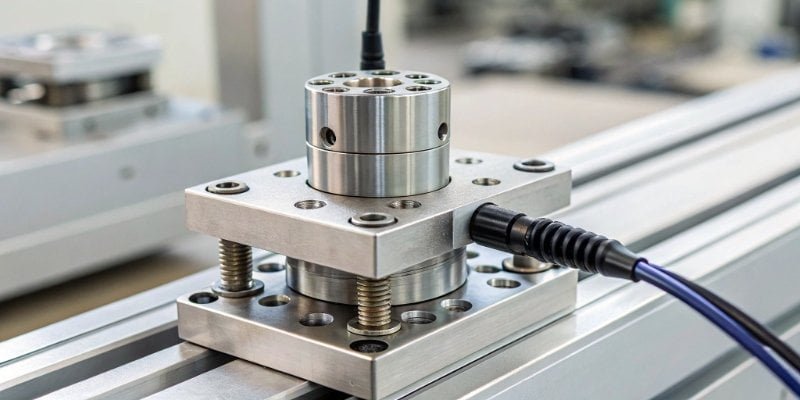
As the core component, the load cell deserves special attention. At Weigherps, we spend a huge amount of our R&D time perfecting them, because we know they are the key to reliability. But even the best load cell has its limits.
Physical Stresses
Overload: Consistently loading a scale beyond its maximum capacity will permanently stretch and damage the delicate strain gauges inside the load cell.
Shock Load: As we discussed, a sudden impact is even worse. It can create a dynamic force many times the static weight of the object, leading to immediate and catastrophic failure.
Off-center Loading: Always placing weight on the far corners of the scale platform puts uneven stress on the underlying load cells, which can cause inaccurate readings and premature wear.
Environmental and Electrical Issues
Moisture is a huge enemy. It can penetrate the load cell housing, causing corrosion and short circuits. This is why paying attention to IP ratings6 (like IP67 or IP68 for washdown capability) is so important. A client of ours in the food processing industry had constant failures until we provided them with our fully sealed, IP68-rated scales. The problem vanished instantly, proving that matching the equipment to the environment is crucial.
How Can You Minimize Weighing Errors in Daily Operations?
Even with the best equipment in the world, small weighing errors can add up. These cumulative errors can result in significant financial loss through product giveaway or incorrect formulations.
Minimize errors by ensuring the scale is on a level, stable surface away from vibrations and drafts. Use correct loading procedures, calibrate regularly with certified weights, and train operators properly. Also, always allow the scale to warm up before use for stable readings.
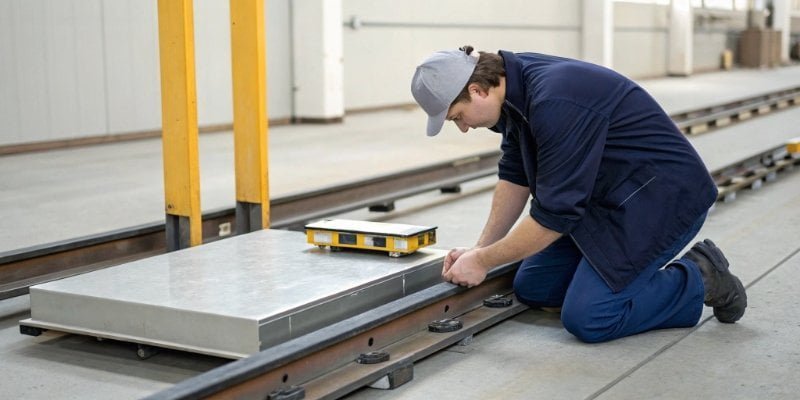
Minimizing errors is about creating good processes and maintaining discipline. It's something we work on closely with our clients to create a complete solution, not just sell a product. Here are the most critical steps you can implement today to see immediate improvements.
1. Proper Installation and Environment
The foundation matters. Your scale must be on a solid, level floor. I once visited a customer whose new scale was giving wild readings. The problem? It was placed on a checkered plate platform that vibrated every time a nearby conveyor belt started. We moved the scale to a solid concrete floor a few meters away, and the issue vanished completely. It’s that simple sometimes.
2. Standard Operating Procedures (SOPs)
Create and enforce clear SOPs for weighing. This includes training all operators on how to place items on the scale—gently and in the center—and reinforcing the importance of taring the scale to zero before each new measurement. Consistency here is key.
3. A Strict Calibration Schedule
Calibration is not optional; it’s a verification of accuracy. The required frequency depends on your usage and environment. For critical applications, it might be daily. For others, weekly or monthly might suffice. The most important thing is to use certified test weights for this process to ensure your standard is correct.
What Happens to the Scale's Reading After a Shock Load?
A scale was just hit by a heavy drop, but it still turns on and shows numbers. You might think it's fine, but hidden damage is now causing wildly inaccurate readings.
After a shock load, the reading may become unstable, fail to return to zero, or show a consistent, incorrect weight. The damage may not be visible, but the scale's accuracy is compromised, making it totally unreliable for any professional measurement.
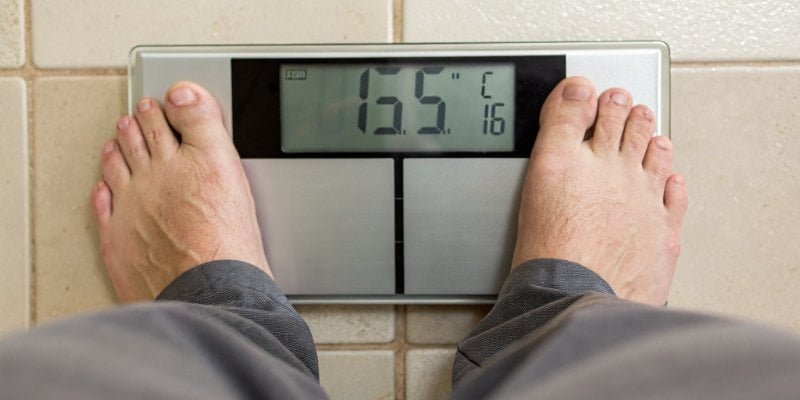
The aftermath of a shock load event can be deceptive. The scale might look perfectly fine on the outside. But internally, the delicate strain gauges within the load cell have likely been stretched beyond their elastic limit, causing permanent damage.
Here's what you'll typically see on the display:
Zero Return Failure
This is the most common sign. After you remove all weight from the platform, the display does not go back to 0.00. It might show a lingering positive or negative number. This means the load cell is permanently deformed and can no longer find its true zero point. It needs to be replaced.
Unstable Readings
The numbers on the display will constantly fluctuate, even with nothing on the scale. This jitteriness indicates damage to the internal electronics or the strain gauge's connection, which can no longer send a steady, reliable signal.
Inaccurate Measurements (Bias)
The scale might seem stable but is now consistently wrong. For example, a 100 kg certified weight might always read as 102.5 kg. This is a critical failure, as it introduces a systematic error into all your processes, leading to waste or compliance problems. We always advise clients to immediately take a scale out of service if they suspect a shock load event and test it with a known, certified weight.
Conclusion
Shock loading is a preventable disaster. Understanding its causes, implementing proper operator training, and performing regular maintenance protects your investment and ensures long-term accuracy for your operations.
-
Learn about the dangers of shock loading and how to protect your scales from damage. ↩
-
Explore how various factors influence scale accuracy to optimize your weighing processes. ↩
-
Learn how vibrations can disrupt scale readings and how to mitigate their impact. ↩
-
Discover the critical role of load cells in ensuring precise measurements in industrial scales. ↩
-
Find out the best practices for calibrating scales to maintain their accuracy and reliability. ↩
-
Understanding IP ratings can help you choose the right scales for your specific environment. ↩



Comments (0)