
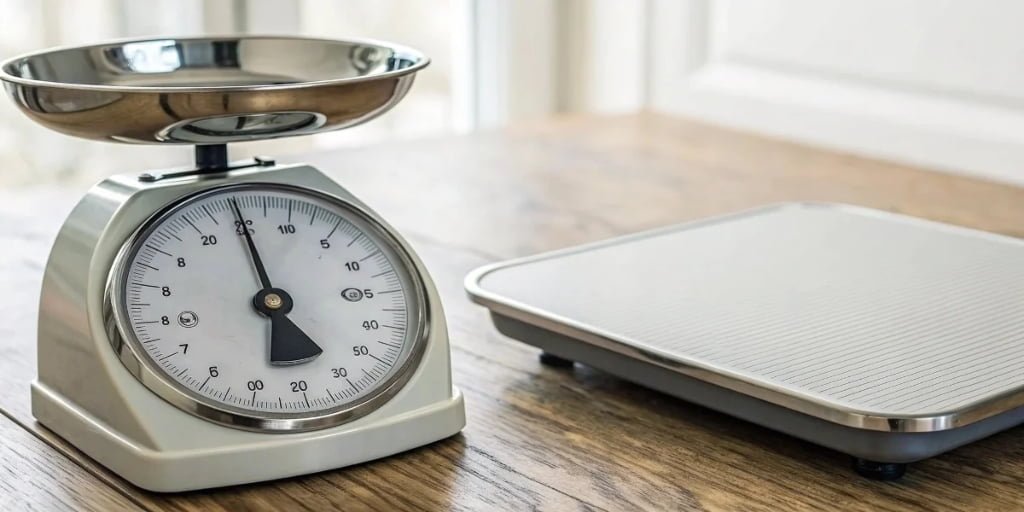
Choosing the right scale can feel confusing. You need accurate measurements, but the options are overwhelming. An incorrect choice can lead to costly errors in shipping or production.
Digital scales are better because they offer superior accuracy, reliability, and advanced features. Their electronic sensors provide precise readings consistently. Analog scales use springs that wear out over time, leading to inaccurate measurements and requiring frequent replacement.
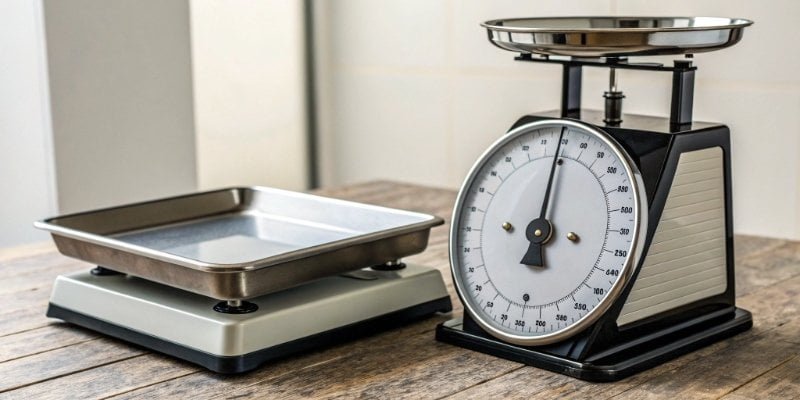
It's clear that technology has changed how we weigh things. I've been in this industry for 19 years, and the shift from mechanical to digital is one of the biggest changes I've seen. But to really understand why digital scales have become the standard, we need to look closer at what sets them apart. Let's break down the key questions people ask when choosing between them. This will help you see why one type of scale is built for the future and the other is becoming a thing of the past.
Which is better, a digital or an analog weighing scale?
You need a reliable scale for your business. But picking the wrong one means wasting money on a tool that gives you incorrect data and slows down your work.
For almost any professional use, a digital scale is better. It provides higher precision, consistent results, and can connect to other systems. An analog scale is simpler but lacks the accuracy and features needed for modern industry.
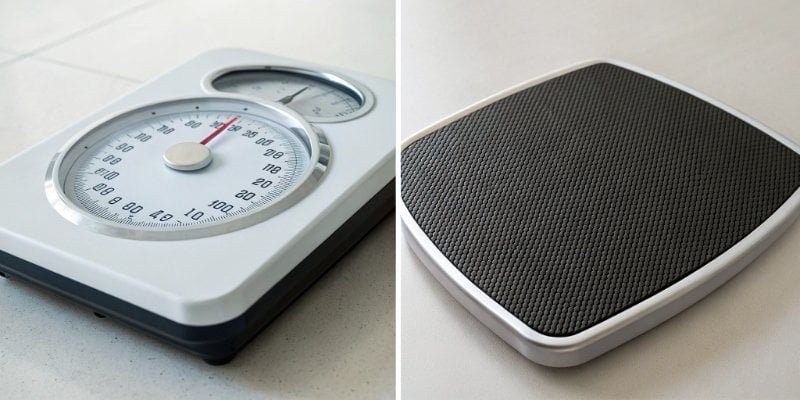
When we talk about "better," we have to think about what a scale needs to do. In my experience building scales, clients need accuracy1 they can count on every single day. Analog scales work with a spring. The weight pushes down on the spring, and a dial moves to show the weight. This is a simple idea, but springs get tired. They stretch over time, and the scale stops being accurate.
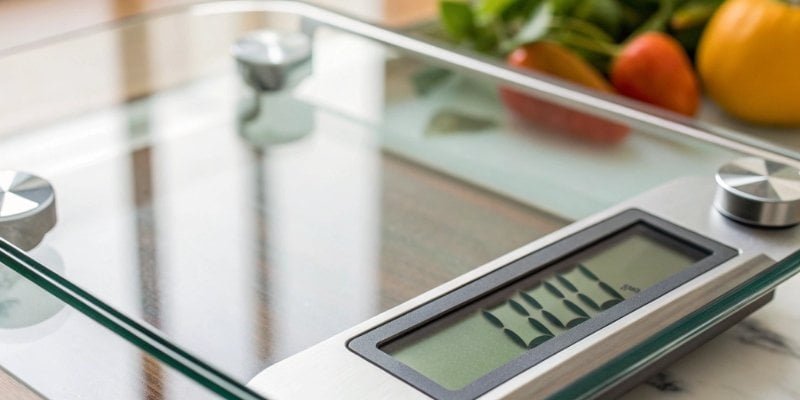
Digital scales2 are completely different. They use something called a load cell3. This is an electronic sensor that measures force and turns it into an electrical signal. A computer inside the scale reads this signal and shows a precise number on the screen. Because there are fewer moving parts to wear out, a digital scale stays accurate for much, much longer. It's the difference between an old-fashioned clock with gears and a modern digital watch.
| Feature | Digital Scale | Analog Scale |
|---|---|---|
| Accuracy | High and consistent | Decreases over time |
| Readability | Clear digital display | Pointer on a dial |
| Features | Data output, unit conversion, tare | Basic weighing only |
| Durability | High, less prone to wear | Springs wear out |
| Cost | Higher initial cost4, better value | Lower initial cost |
Why am I heavier on digital scales?
You step on a scale and the number is higher than you thought. It can be frustrating and make you doubt if the new scale is even working right.
You are not actually heavier. Digital scales are simply more sensitive and precise. They measure in smaller increments, providing a more exact weight. An analog scale might round down or not register small changes.
Let's talk about precision5. Imagine you are measuring a table with a ruler that only has inch marks. You might say the table is "about 30 inches." Now, imagine using a ruler with millimeter marks. You can now say the table is "30.25 inches." The table didn't get longer; your measurement just got better. This is what happens with digital scales.
An analog scale's dial might have lines for every pound or kilogram. It's hard to tell the exact weight between those lines. A digital scale can show you weight down to a fraction of an ounce or gram. So, the "extra" weight you see is just the detail that the analog scale was missing. At Weigherps, we test our scales to make sure they capture these tiny details. This level of precision is critical for our clients, especially software vendors who need to integrate our hardware with their systems. They depend on getting exact data every single time.
Are analog scales less accurate?
You have an old analog scale that seems to work fine. But you worry that its old technology could be giving you bad data, which could affect your entire operation.
Yes, analog scales are less accurate, and their accuracy gets worse over time. The internal spring mechanism stretches and wears out from use. This causes the readings to become unreliable and inconsistent.
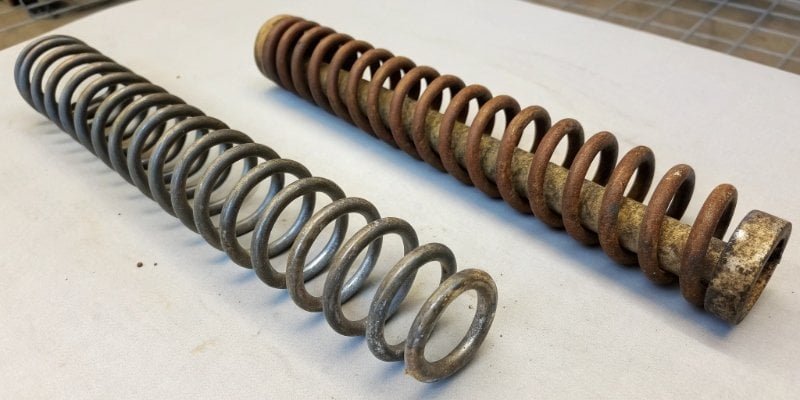
The heart of an analog scale is a spring. And springs have a fatal flaw: metal fatigue. Every time you put a weight on the scale, the spring stretches. When you take the weight off, it's supposed to return to its exact starting position. But after thousands of uses, it doesn't. It stays a little bit stretched. This is a permanent change. As a result, the "zero" point on your scale begins to drift, and every measurement becomes incorrect.
I once visited a client who ran a shipping business. They were proud of using the same mechanical floor scales for 20 years. They thought they were saving money. But we found out their scales were off by almost 5%. They were consistently overestimating shipping weights6 and losing thousands of dollars a year without even realizing it. We replaced their old scales with our digital ones. Their billing became accurate overnight. This is a perfect example of why relying on outdated technology is a hidden cost.
What is more accurate, analog or digital?
When weighing valuable products or materials, accuracy is everything. You cannot afford to guess. You need to know for sure which technology provides the most trustworthy results for your business needs.
Digital scales are fundamentally more accurate and reliable than analog scales. They use precise electronic sensors called load cells that provide repeatable results. Analog scales depend on mechanical springs that degrade with use.
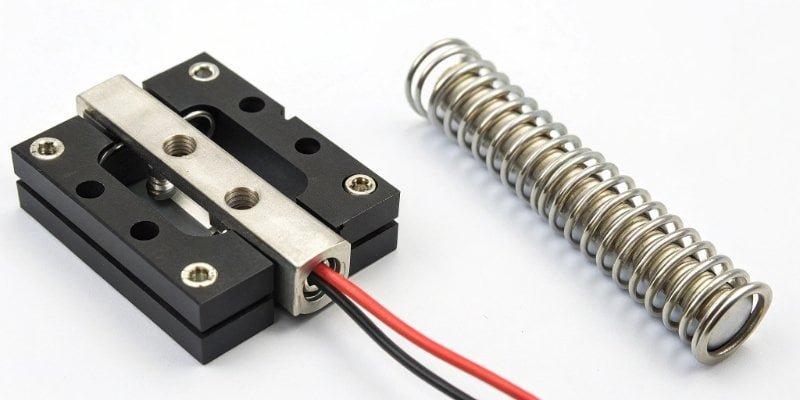
The reason for the difference in accuracy comes down to technology. An analog scale measures how much a spring physically stretches. This is a purely mechanical action. A digital scale uses a load cell to convert the force of weight into a tiny electrical signal. This signal is then measured by a precise instrument inside the scale. Because this process is electronic, it is incredibly consistent and not affected by the wear and tear that kills a spring.
At our factory, every single digital scale we produce goes through a strict quality control process. We test the load cells and calibrate the software to ensure they are perfect before they leave. This is why our clients trust us. For a software company that needs to integrate weighing data into their system, this accuracy is non-negotiable. With a digital scale, they can pull exact weight data directly into their inventory or shipping software. This is something an analog scale could never do. The future is connected and data-driven, and analog technology simply cannot keep up.
Conclusion
Digital scales provide far greater accuracy, features, and long-term value. For any modern industrial application, they are the clear winner and will eventually replace outdated analog technology completely.
-
Understanding accuracy differences can help you make informed decisions for your weighing needs. ↩
-
Explore the benefits of digital scales, including accuracy and advanced features that can enhance your weighing processes. ↩
-
Gain insights into the technology behind digital scales and why it ensures precise measurements. ↩
-
Understand the long-term value of investing in digital scales compared to cheaper analog options. ↩
-
Learn why precision is crucial for accurate measurements in various industries. ↩
-
Discover the financial implications of relying on inaccurate scales for shipping. ↩


Comments (0)