
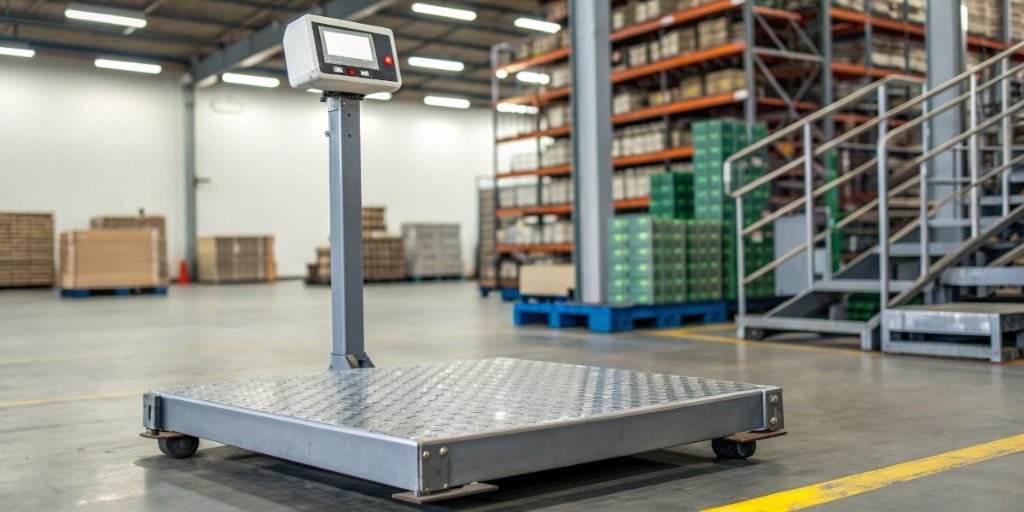
Your production line relies on accurate scales. But what happens when they fail without warning? It disrupts everything. Let's talk about how to predict and extend their lifespan.
A well-maintained industrial weighing scale, designed for its specific environment, should last at least 5 to 10 years. Some, like our robust truck scales, can even exceed a decade with proper care. The key is quality manufacturing and consistent maintenance.
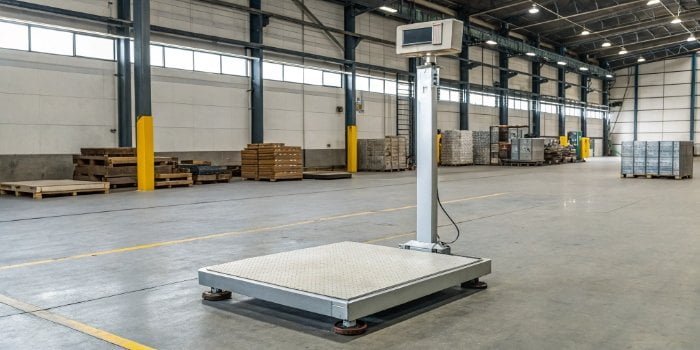
A 5-to-10-year range is a good starting point, but it's not the full story. The real lifespan depends on several factors you might not have considered. Let's break down what truly affects how long your scales will last and when you should think about replacing them. This knowledge can save you a lot of time and money down the road.
How long do weighing scales last?
Investing in a new scale is a big decision. You don't want to buy a product that fails in a year. Let's look at what really makes a scale last.
The lifespan of a weighing scale depends heavily on its build quality, usage environment, and maintenance schedule. A high-quality scale used properly in a suitable environment and regularly calibrated can last well over a decade, while a cheaper one in a harsh setting might fail much sooner.

The "average" lifespan can be misleading because not all scales are created equal. As a manufacturer with 18 years of experience, I know the most important factors are the ones we focus on every day.
Build Quality and Materials
The materials used are critical. For example, a stainless steel platform is essential for wet or corrosive environments, while a simple painted steel one might rust and fail quickly. The quality of the load cells1—the core sensors—also plays a huge role. We use high-precision, sealed load cells to protect against dust and moisture, which is a common point of failure.
Operating Environment
A scale designed for a clean, dry office will not survive long in a dusty factory or a cold, wet food processing plant. Each environment has unique challenges, from temperature swings to chemical exposure. That's why we always ask our clients about their specific workplace before recommending a product.
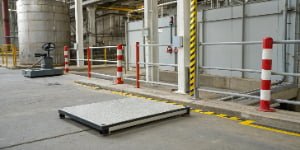
I remember one client who used one of our truck scales for over ten years in a busy logistics yard. It handled heavy loads daily. It only needed a factory repair after a decade of hard work, and they came right back to us because they trusted the initial quality. This shows the value of matching the scale to the job.
| Feature | Short Lifespan (1-3 Years) | Long Lifespan (5-10+ Years) |
|---|---|---|
| Material | Standard painted steel | Stainless steel or heavy-duty alloy |
| Load Cell | Unsealed, low IP rating | Hermetically sealed, IP67/68 rating |
| Environment | Mismatched to usage | Specifically designed for the job |
| Maintenance | None or inconsistent | Regular, professional calibration2 |
How often should you buy new scales?
Your scale might seem fine, but is it really? An aging scale can cause hidden costs from inaccuracies and downtime. Knowing when to upgrade is key to staying efficient.
You should consider buying a new scale when repair costs exceed 50% of a new one's price, it fails calibration repeatedly, or it lacks modern features like IoT connectivity that could improve your workflow. It's less about age and more about performance and business needs.
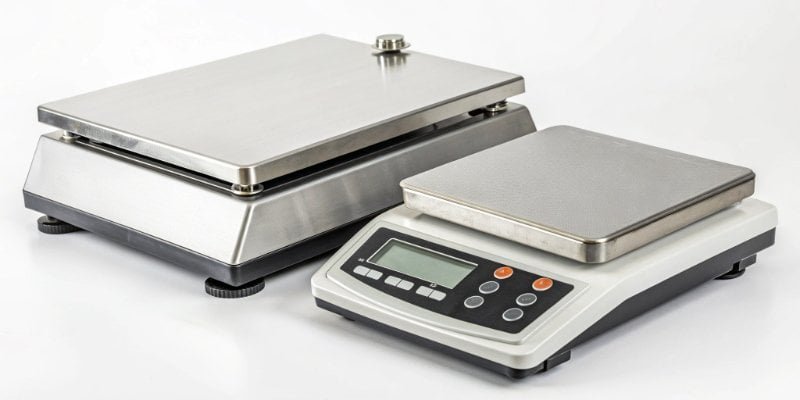
Deciding when to replace a scale isn't just about waiting for it to break down completely. It’s a strategic decision that impacts your entire operation. A proactive approach is always better than a reactive one.
The Cost-Benefit Analysis
Look at the numbers. Are you constantly calling for service? If your annual repair costs3 are adding up to more than half the price of a new, more reliable scale, it’s time to switch. A new scale comes with a warranty—like our 12-month guarantee—and the peace of mind that it will just work.
Performance and Accuracy Decline
This is a major red flag. If your scale can no longer hold its calibration or gives inconsistent readings, it's a liability. For you as a software provider, inaccurate data input from a faulty scale can undermine the value of your entire system. Consistent accuracy4 is non-negotiable.
The Technology Gap
This is especially important for companies like yours. Ten years ago, a scale was just a scale. Today, our IoT electronic scales can integrate directly with your software, sending real-time weight data to the cloud. If your current scale can't provide this data, you're missing out on huge efficiency gains. Upgrading isn't just fixing a problem; it's unlocking new potential for your business and your clients.
Can scales lose accuracy over time?
You rely on your scale for accurate data every single day. But even the best scales can drift, leading to costly errors. Let’s explore why this happens and how to prevent it.
Yes, all scales can lose accuracy over time due to wear and tear, environmental changes, or accidental damage. This process is called "drift." Regular calibration and proper maintenance are essential to counteract this and ensure your scale remains accurate throughout its service life.

The loss of accuracy, or "drift5," is a natural process for any precision instrument. It's not a sign of a bad product, but it is something you must manage actively. Ignoring it is where the real problems start.
Mechanical Wear and Tear
Think about the physical stress on a scale. Parts like pivots and flexures in the load cell can wear down from constant loading and unloading. Even shocks from dropping heavy items can cause slight deformations that affect readings. This is why we focus on robust mechanical designs and conduct extensive testing before any product leaves our factory.
Electronic Component Drift
The electronic components inside a scale, like resistors and amplifiers, can also change their properties over time. This can be due to temperature fluctuations or simply age. A well-designed circuit board will minimize these effects, but they can't be eliminated entirely. This is where our R&D team's expertise in industrial weighing electronics makes a difference.
The Importance of Regular Calibration
Calibration is the solution to drift. It's the process of re-adjusting the scale against a known, certified weight to bring it back to perfect accuracy. How often you need to calibrate depends on your usage and quality standards. It’s the single most important thing you can do to ensure reliable measurements.
| Cause of Inaccuracy | How We Address It (Design) | How You Address It (Operation) |
|---|---|---|
| Mechanical Wear | Using durable materials and overload protection. | Proper use; avoid shock loading. |
| Electronic Drift | High-quality, stable components. | Regular professional calibration. |
| Environment | Sealed enclosures (IP rating). | Using the scale in its intended environment. |
What is the average lifespan of an electronic device?
We're used to our personal gadgets lasting only a few years. This makes us worry about investing in any electronic device. But industrial electronics are a totally different category.
While a consumer electronic device like a smartphone might last 2-4 years, an industrial electronic device like a weighing scale is designed for a much longer life of 5-15 years. This is because they use more robust components and are built for reliability, not rapid replacement.
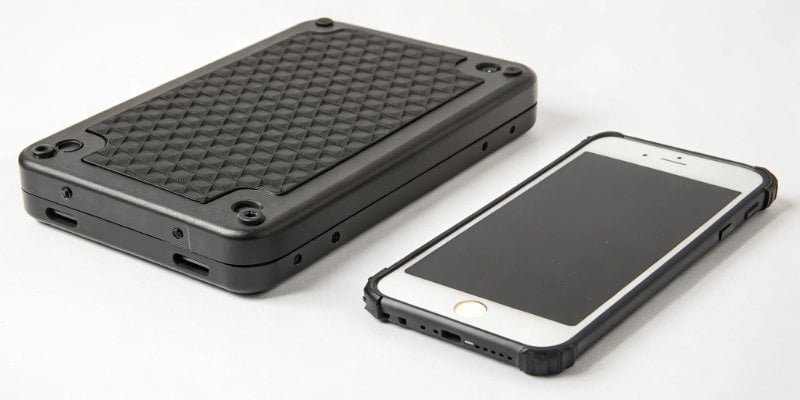
It's a common mistake to compare industrial electronics to the consumer gadgets in our pockets. The design goals, materials, and expectations are worlds apart. An industrial scale is an investment in infrastructure, not a disposable item.
Design Philosophy: Reliability vs. Features
Consumer electronics are often designed with "planned obsolescence" in mind. The priority is adding the latest features to encourage upgrades. In contrast, our industrial design philosophy is "built to last." The number one priority is reliability. The electronics are simpler, more robust, and protected inside heavy-duty enclosures6. We focus on core functions that must work, day in and day out, for years.
Component Quality and Testing
The components inside our scales are industrial-grade. They are rated for wider temperature ranges7 and have longer expected lifespans than their consumer-grade counterparts. Every single product we ship goes through comprehensive tests in our quality inspection8 department. We test weight accuracy, battery life, and software stability under stress. A product only ships after it passes everything.
Serviceability and Long-Term Support
When your phone breaks, you usually replace it. When an industrial scale has an issue, it's designed to be repaired. We provide a 12-month after-sales service guarantee and technical support from our team of experts. We ensure that our systems are serviceable for the long haul, protecting your investment for many years.
Conclusion
A quality industrial scale lasts 5-10+ years. Its lifespan depends on matching the right scale to your job, proper use, and consistent maintenance for long-term accuracy and value.
-
Learn about load cells and their critical role in ensuring accurate measurements in scales. ↩
-
Regular calibration is key to accuracy; find out how often you should do it. ↩
-
Learn how to evaluate repair costs to make informed decisions about scale replacement. ↩
-
This resource provides tips on maintaining scale accuracy for reliable measurements. ↩
-
Understanding drift is crucial for maintaining accuracy; find out how to manage it. ↩
-
Explore how heavy-duty enclosures protect scales and enhance their longevity. ↩
-
Find out the ideal temperature ranges for operating industrial scales effectively. ↩
-
Learn about the importance of quality inspection in ensuring scale reliability. ↩

Comments (0)