

Are you confused about which scale to buy for your business? Choosing the wrong one can be a costly mistake. Let's clear up the difference right now.
The main difference is their design purpose. A platform scale is a flat, open surface for weighing large, static items like pallets. A crate scale is a platform with an integrated cage, specifically designed to safely contain and accurately weigh moving animals like sheep or pigs.
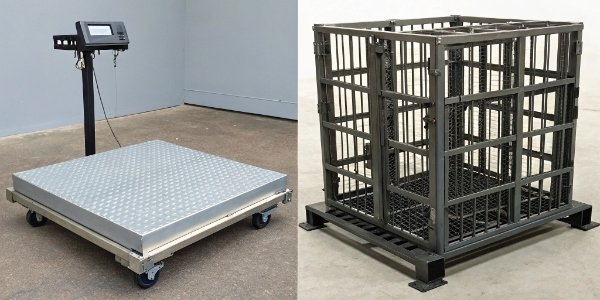
Now that you understand the basic difference, you can see why one might be better than the other for certain jobs. Over my 18 years in the industrial scale business, I've seen customers try to make one type of scale do a job it wasn't built for, and it rarely ends well. It’s not just about getting a number; it’s about getting the right number, safely and efficiently. Let's dive deeper into a very specific application where this choice is critical: weighing sheep.
How much does a good sheep scale cost?
You need to budget for a new sheep scale but the prices seem to be all over the place. A cheap scale might fail you when you need it most.
A good, reliable sheep scale can cost anywhere from $500 for a basic set of load bars to over $3,000 for a complete system with advanced features. The price depends on the build quality, brand, and electronic features like animal weighing mode and data connectivity.
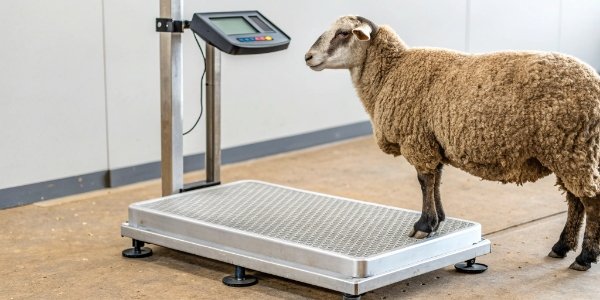
When we talk to new clients, especially those in the agri-tech space, the first question is often about price. But I always encourage them to think about value and return on investment instead of just the upfront cost. A cheap scale that gives inaccurate readings is worse than no scale at all because it leads to bad decisions. A good scale is an investment in data. Here's a general breakdown of what you can expect at different price points.
What Drives the Cost?
| Scale Type | Typical Price Range | Best For |
|---|---|---|
| Basic Load Bars | $500 - $1,200 | DIY setups where you build your own platform and crate. Requires more work. |
| Portable Crate Scale | $1,200 - $2,500 | Most common choice for farms. A complete, ready-to-use system with a cage. |
| Advanced System | $2,500+ | Systems with EID tag readers1, automated drafting gates2, and data integration. |
The higher price gets you more than just metal. It buys you durability from quality steel, accuracy from high-end load cells, and efficiency from smart electronics. At Weigherps, all our scales come with a 12-month warranty and are rigorously tested by our quality control department before they ever leave our factory. That peace of mind is part of the cost.
Can I weigh a lamb with a regular scale?
You have a lamb you need to weigh, and a regular flat platform scale is right there. Using it seems simple, but it could lead to frustration and bad data.
Technically, yes, but it is not recommended. A regular, flat scale won't contain the lamb, causing it to move constantly. This makes it almost impossible to get a stable, accurate weight and can stress or injure the animal if it jumps off.
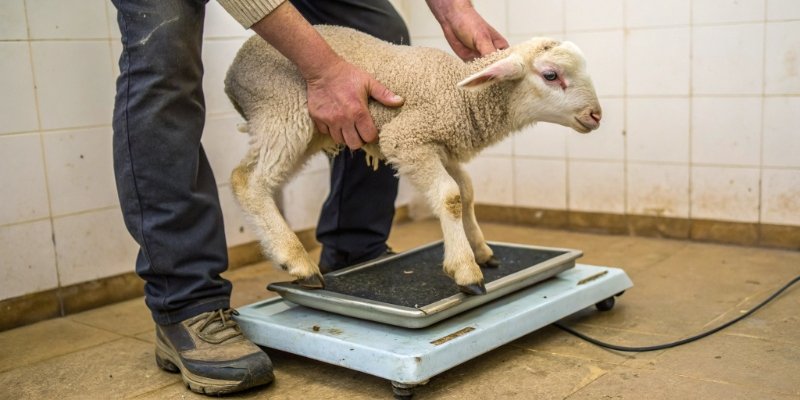
I remember talking to a farmer who was getting started. He bought one of our general-purpose platform scale3s for weighing feed bags. He thought he could save money by using the same scale to weigh his lambs. A month later, he called us to order a proper crate scale4. He told me he spent more time trying to calm his lambs and guessing the weight than actually managing his flock. It’s a classic case of using the wrong tool for the job.
The Problems with Using a Standard Scale
Using a regular scale for livestock introduces several issues that a specialized scale solves.
- Accuracy: Lambs and sheep don't stand still. Their movement makes the numbers on a standard scale jump all over the place. A proper sheep scale5 has an "animal weighing" or "hold" function. Our electronic indicators use a special algorithm that takes multiple readings in seconds and calculates a stable, average weight, ignoring the fluctuations from movement.
- Animal Safety and Stress: An open platform is scary for a prey animal. The lamb will be more likely to panic and try to jump off, risking injury. The enclosed space of a crate scale makes the animal feel more secure, keeping it calm.
- Efficiency: Trying to weigh a wiggling animal on a flat surface is often a two-person job—one to hold the animal, and one to try and read the unstable weight. A crate scale is a fast, one-person operation. You guide the sheep in, close the gate, and get an accurate weight in seconds.
What features to look for when buying a sheep scale?
You're ready to invest in a sheep scale, but all the options and technical terms are overwhelming. Picking the wrong features is like buying a car with no engine.
The most crucial feature is a stable animal weighing mode (or "hold" function). Also, look for a durable, non-slip floor, lightweight but strong gates, portability, and a clear digital indicator. Connectivity for data transfer is also a key feature for modern farm management.
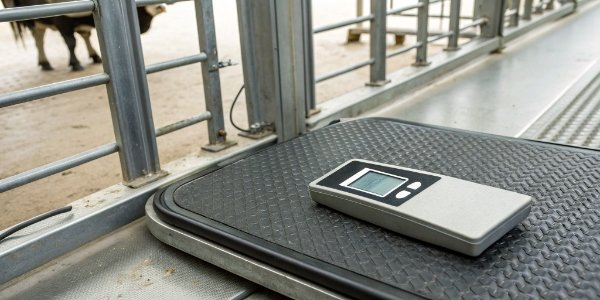
As a manufacturer working with clients globally, we've learned that the best scale is one that fits seamlessly into your workflow. For software vendors and tech-focused farm managers, a scale is a data collection device. The features are what turn a piece of hardware into a powerful tool. Based on our experience building custom solutions, here are the non-negotiables.
Essential Features Breakdown
| Feature | Why It's Important |
|---|---|
| Animal Hold Function | This is the most critical feature. It averages the weight of a moving animal to give you a single, accurate number. Without it, you're just guessing. |
| Durable Construction | It needs to withstand the farm environment. Look for powder-coated or galvanized steel and a non-slip floor6 to prevent accidents. |
| Easy-to-Use Gates | You'll be opening and closing them hundreds of times. They should be lightweight, quiet (to avoid spooking animals), and have a secure latch. |
| Portability | Many farms need to weigh sheep in different locations. Wheels and a lightweight aluminum-body design make the scale much easier to move around. |
| Data Connectivity | For modern farming, data is everything. Look for scales with Bluetooth or USB ports to export weights to your computer or farm management software. We often provide SDKs to help clients integrate our scales with their systems. |
These features work together to save you time, improve your accuracy, and ultimately help you make better decisions about feed, health, and breeding.
How to build a DIY sheep scale?
Professional scales can seem expensive, and building one yourself looks like a way to save money. But this project is full of hidden challenges that can cost you more in the long run.
Building a DIY sheep scale involves mounting a pen on four load cells connected to a digital indicator. While it sounds simple, achieving the accuracy, durability, and safety of a professional scale is extremely difficult without specialized engineering and calibration equipment.
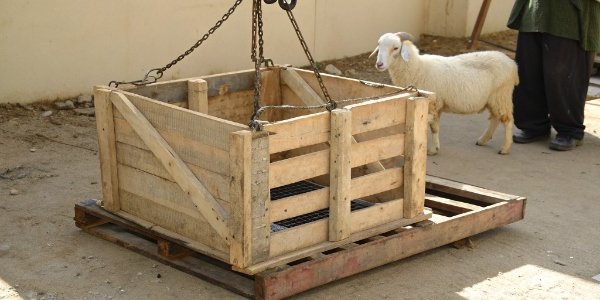
We've seen many attempts at DIY scales. While I admire the ingenuity, the results are rarely satisfactory. The biggest issue we see is a fundamental misunderstanding of how precision weighing systems work. It's not just about attaching load cells to a platform; it's about making them work together as a calibrated, reliable instrument.
The Reality of a DIY Scale Project
Before you start buying parts, consider these professional challenges that we've spent years perfecting:
- Load Cell Placement & Summing: The four load cells must be placed perfectly and wired to a summing box. If one cell takes more or less weight than the others, your readings will be inaccurate depending on where the sheep stands. This is a common failure point.
- Calibration: Professional scales are calibrated using certified test weights. Without proper calibration, your scale is just a random number generator. A scale that is off by just 5% can lead to significant financial losses in feed or sales.
- Durability and Safety: Will your homemade crate withstand a panicked 200-pound ram? We use specific grades of steel and welding techniques to ensure our scales are safe for both the operator and the animal. A failed weld or a sharp edge on a DIY project can cause serious injury.
- Electronics: The indicator is the brain. A cheap indicator won't have the sophisticated animal weighing algorithm needed for accurate readings. It also won't be sealed against moisture and dust, which are guaranteed on a farm.
Building a scale might seem cheaper upfront, but when you factor in the unreliable data, the safety risks, and the time spent tinkering, a professionally manufactured and certified scale is a much smarter investment.
Conclusion
Choosing between a crate and platform scale comes down to the job. For weighing sheep, a specialized crate scale provides the accuracy, safety, and efficiency you need for smart management.
-
Learn about EID tag readers and their role in livestock tracking and management. ↩
-
Discover how automated drafting gates improve efficiency and safety in handling livestock. ↩
-
Explore the various applications of platform scales and understand their importance in different industries. ↩
-
Learn about crate scales and their specific design for safely weighing animals, enhancing your understanding of livestock management. ↩
-
Discover the price range and features of sheep scales to make an informed purchasing decision. ↩
-
Learn about the safety benefits of non-slip floors in preventing accidents during weighing. ↩


Comments (0)