
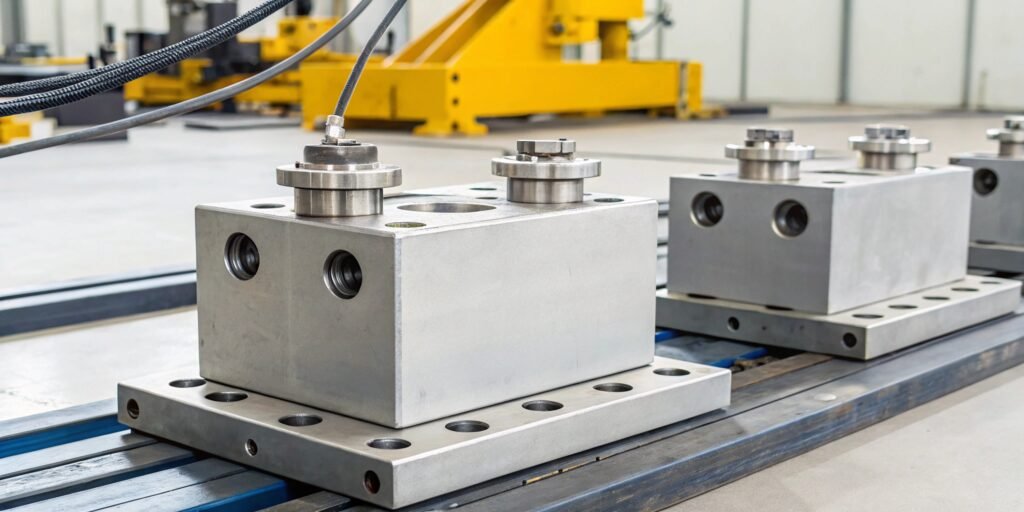
Struggling with scales that can't handle your heaviest loads? You need a solution that won't fail under pressure. We offer robust load cells for every industrial need.
The maximum capacity of load cells varies greatly, from a few kilograms to over 470 tons. High-capacity types like column and ring torsion load cells are designed for massive applications like truck scales and large industrial silos, ensuring you can weigh almost anything.
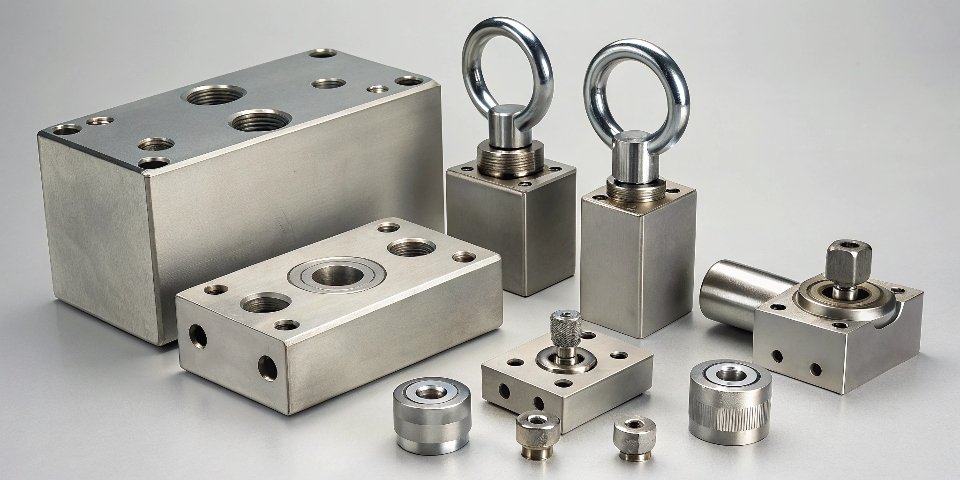
Choosing the right capacity is crucial. It is not just about the maximum weight you expect to measure. Many factors come into play to ensure accuracy, safety, and a long life for your weighing system. Let's explore how to get this right.
How do you determine the correct load cell capacity for an industrial application?
Worried about picking the wrong load cell and getting inaccurate data or damaging your equipment? Choosing incorrectly can be a costly mistake. Let's make sure you get it right.
To determine the correct capacity, first calculate your maximum load, including the weight of the scale structure (dead load). Then, add a safety factor of 25-50%. You must also consider the number of load cells used and how the load is distributed among them.

At Weigherps, we help clients with this calculation every day. It's the most critical step. Getting it wrong leads to inaccurate readings or, worse, system failure. To choose the right capacity, you need to think about a few key things.
Calculating Your Total Load
First, you need to know your "live load." This is the weight of the material you actually want to measure. Next, you need the "dead load." This is the weight of the weighing structure itself, like the platform, tank, or hopper that rests on the load cells1. Your total load is the live load plus the dead load. For software integrators, ensuring your client understands this distinction is vital, as the total load determines the raw data your system will process.
Applying a Safety Factor
Never choose a load cell capacity that exactly matches your total load. You need a safety margin. We recommend a safety factor2 of at least 25% to 50%. This buffer protects against unexpected shock loads, vibrations, or uneven loading that can momentarily spike the force on a cell.
Considering Load Distribution
Finally, think about how many load cells you're using and how the load is shared. The formula is:
*Required Cell Capacity = (Total Load / Number of Load Cells) Safety Factor**
| Component | Example Value | Notes |
|---|---|---|
| Live Load | 8,000 kg | The material being weighed. |
| Dead Load | 2,000 kg | The weight of the tank itself. |
| Total Load | 10,000 kg | Live Load + Dead Load. |
| Number of Cells | 4 | A common setup for a tank. |
| Capacity per Cell | 2,500 kg | Total Load / Number of Cells. |
| Recommended Capacity | ~3,750 kg | Based on a 50% safety factor. A 5t cell would be a good choice. |
This systematic approach ensures the hardware foundation is solid, allowing your software to deliver reliable and accurate results.
What are the typical capacity ranges for different types of load cells?
Confused by the different load cell types and what they can handle? This uncertainty can delay your projects. We can help you understand the options clearly.
Load cell capacities are specific to their design. For example, single-point cells handle from 0.2kg to 2,000kg. Shear beams range from 50kg to 10 tons. For the heaviest loads, column cells go up to 200 tons, and ring torsion cells can reach 470 tons.

Over my 18 years in this industry, I've seen every type of load cell imaginable. Each one is engineered for a specific job. As a software provider, knowing these common types helps you specify the right hardware for your integration projects, whether it's for a small retail scale or a massive industrial silo.
For Light to Medium Loads
Single-point and shear beam load cells3 are the most common in this category.
- Single-Point Load Cells: These are the heart of most small to medium platform scales. They are great because they can handle off-center loads, which is perfect for bench scales and conveyor scales. Their capacity range is quite broad, from a few hundred grams up to around 2,000 kg.
- Shear Beam Load Cells: You will find these in floor scales and medium-sized tank weighing systems. They are robust and offer a good balance of performance and cost.
For Heavy-Duty Applications
When the weight starts getting serious, you move into column and ring torsion cells.
- Column (Compression) Load Cells: These are workhorses. They are built to withstand immense compressive force, making them the standard choice for truck scales and large weighbridges4.
- Ring Torsion (RTN) Load Cells: These are a more advanced option for very high-capacity weighing. They offer excellent precision and are very resistant to side forces, which is a major advantage in large silo and tank weighing where wind or agitation can be a factor.
Here’s a simple breakdown:
| Load Cell Type | Typical Capacity Range | Common Applications |
|---|---|---|
| Single-Point | 0.2 kg – 2,000 kg | Bench scales, retail scales, conveyors |
| Shear Beam | 50 kg – 10 ton | Floor scales, pallet scales, process control |
| Column (Compression) | 10 ton – 200 ton | Truck scales, weighbridges4, railway scales |
| Ring Torsion (RTN) | 1 ton – 470 ton | Large silos, container weighing, high-capacity truck scales |
What industries require the highest capacity load cells available?
Does your industry deal with massive materials and products? Standard weighing solutions might not be enough. You need systems built for extreme weights to operate efficiently and safely.
Industries requiring the highest capacity load cells include transportation (truck and rail scales), heavy manufacturing (steel processing), civil engineering (silo and hopper weighing), and aerospace. These sectors routinely handle hundreds of tons, demanding robust and reliable weighing technology.
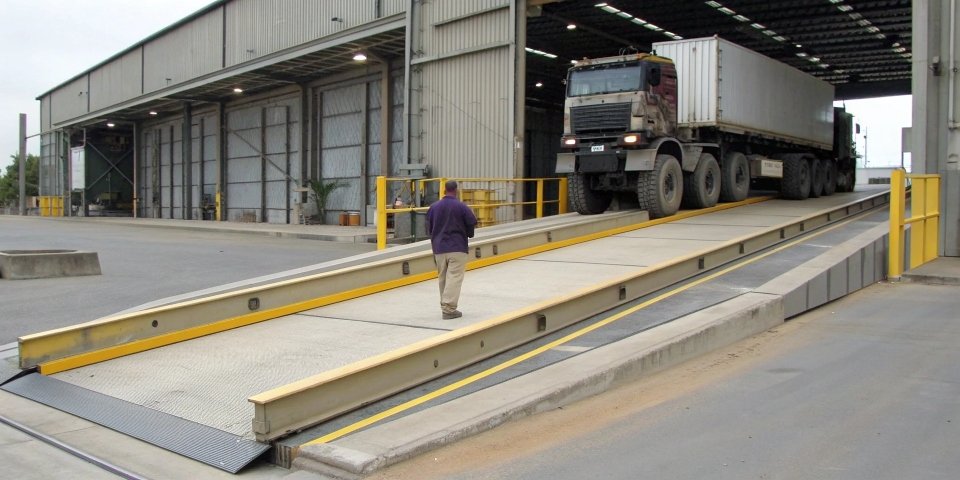
We've supplied high-capacity weighing solutions to some of the most demanding environments on earth. These are not your average warehouse scales. These systems form the backbone of entire operations where even a small error can have huge financial or safety consequences.
Transportation and Logistics
This is the most obvious user of high-capacity cells. Truck scales, or weighbridges4, are essential for managing logistics, ensuring compliance with road weight limits, and for commercial transactions. A single weighbridge can use multiple column load cells, each with a capacity of 30 to 50 tons, to weigh trucks grossing over 100 tons. We also see this in ports for weighing shipping containers to comply with SOLAS (Safety of Life at Sea) regulations.
Heavy Manufacturing and Metals
Think about a steel mill. They need to weigh ladles filled with molten metal, massive coils of steel, and piles of scrap metal. I remember a project with a steel plant where their previous system failed. The intense heat and shock loads were too much. We provided a solution using high-capacity RTN load cells that could handle the extreme environment and provide accurate data for their process control.
Agriculture and Bulk Materials
Large-scale farming and food production rely on weighing massive silos to manage inventory. A single silo can hold thousands of tons of grain. By placing high-capacity load cells under the silo's legs, a company can get real-time weight data. This data is invaluable for software systems that manage inventory, automate reordering, and control batching processes.
How does a load cell's rated capacity differ from its safe overload limit?
Ever worried about a sudden shock load destroying your expensive load cell? This fear can lead to overspending on unnecessarily high-capacity cells. Let's clarify these important specs.
Rated capacity is the maximum load a cell can measure accurately and repeatedly. The safe overload limit5, usually 150% of rated capacity, is the maximum load it can withstand without permanent damage. Exceeding this limit compromises the cell's integrity.
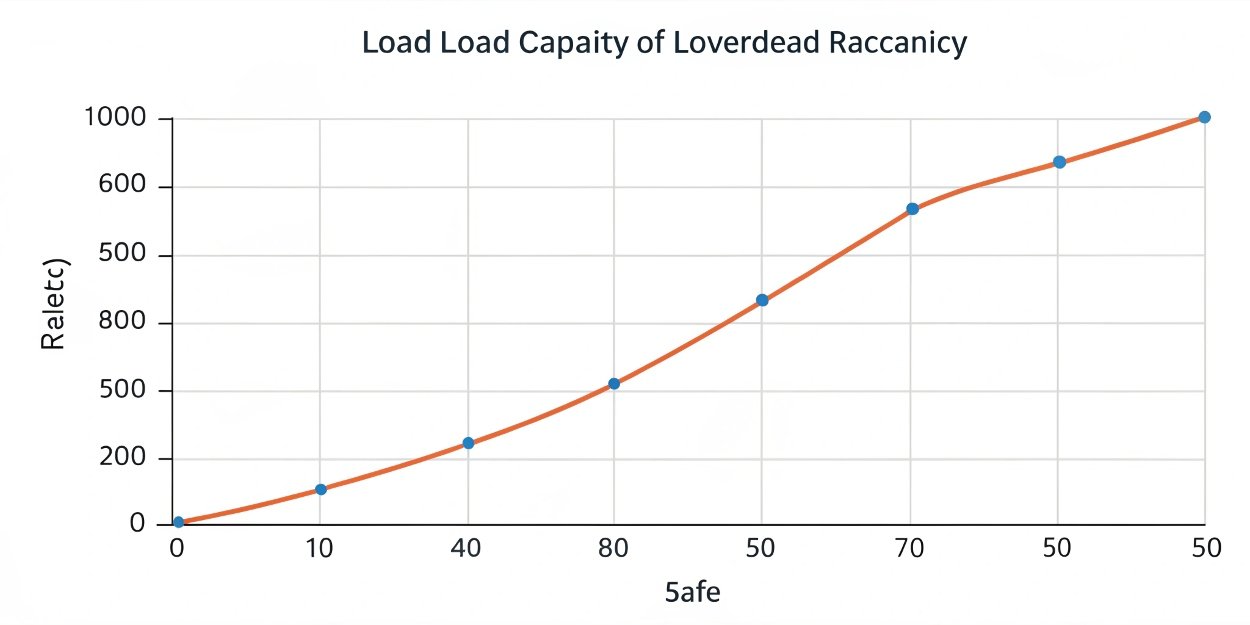
Understanding these specifications is non-negotiable for anyone designing a weighing system. It is how we ensure safety, longevity, and data integrity. For you as a software provider, this is critical information. Your software can be programmed to send alerts when loads approach these limits, protecting your client's hardware investment.
Understanding Rated Capacity
Also known as nominal capacity, this is the working range. It’s the maximum weight the load cell is designed to measure while meeting its accuracy specifications. If a load cell has a 10-ton rated capacity6, its performance characteristics like linearity and repeatability are only guaranteed for loads up to 10 tons. Operating within this range ensures you get the reliable data you expect.
The Importance of the Safe Overload Limit
The safe overload limit is a crucial safety buffer. It is typically expressed as a percentage of the rated capacity, often 150%. This means our 10-ton load cell can withstand a one-time load of up to 15 tons without suffering permanent damage. It might not read accurately at that weight, but once the overload is removed, it will return to normal operation. This protects against accidental drops or shock loads.
What is the Ultimate Overload Limit?
There is a third spec: the ultimate overload limit7. This is often 200% to 300% of the rated capacity. Pushing a load cell to this limit means you have reached the point of mechanical failure. The cell will be physically and permanently damaged. For our 10-ton cell, a 30-ton load would likely destroy it.
| Specification | Percentage of Rated Capacity | Description |
|---|---|---|
| Rated Capacity | 100% | The intended maximum measuring range with guaranteed accuracy. |
| Safe Overload Limit | ~150% | The cell survives this load but may not be accurate. It returns to normal function. |
| Ultimate Overload Limit | ~300% | The point of physical failure. The cell is permanently destroyed. |
Conclusion
Load cell capacities range from grams to hundreds of tons. Proper selection based on total load and safety factors is vital for accuracy, while understanding overload limits protects your investment.
-
Understanding load cells is essential for accurate weight measurement in various industries. ↩
-
Understanding safety factors helps ensure the reliability and accuracy of your weighing systems. ↩
-
Shear beam load cells are common in many settings; find out where they excel. ↩
-
Weighbridges are crucial for logistics; learn how they operate and their benefits. ↩ ↩ ↩
-
Learn about safe overload limits to protect your load cells from damage. ↩
-
Understanding rated capacity is crucial for selecting the right load cell for your needs. ↩
-
Understanding ultimate overload limits helps prevent permanent damage to load cells. ↩



[…] equipment. Think of the massive platform scales used for weighing pallets in a warehouse, the weighbridges3 for trucks, or the dynamic checkweighers4 on a conveyor belt. These are not just measuring weight; […]
Thank you for your insightful comment! You’re absolutely right—equipment like platform scales, weighbridges, and dynamic checkweighers do a lot more than just measure weight. They can improve process efficiency, ensure compliance, and even help maintain safety standards in various industries. If you have any specific experiences or use cases to share, I’d love to hear more!
[…] is used for billing or tight process control, you need the accuracy of a load cell. Think about weighbridges8 that weigh trucks full of grain, or platform scales that price produce at a warehouse. In these […]
[…] and weight history are in good standing, the driver gets a signal to bypass the station. Our IoT-enabled scales2 can integrate seamlessly with these systems. For software vendors, this integration is a massive […]