
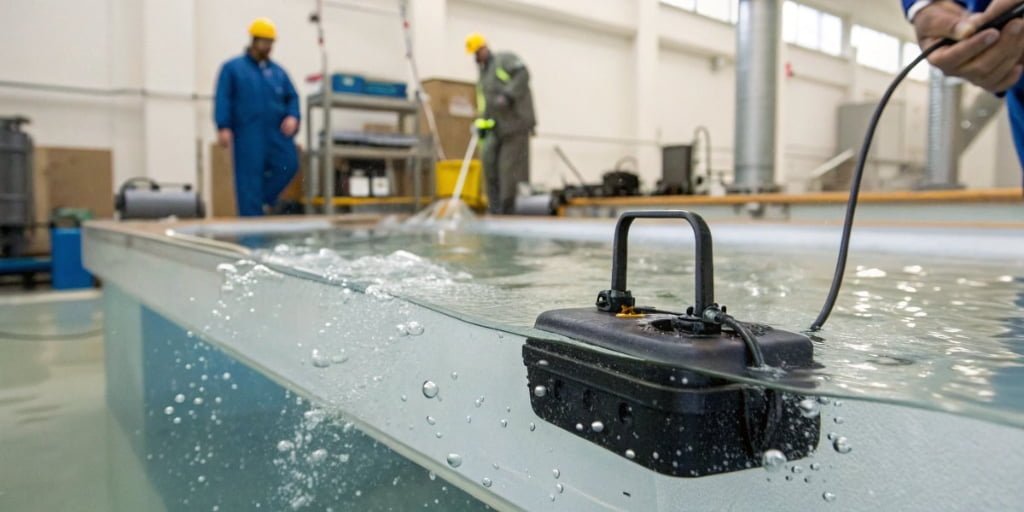
Worried about equipment failing in wet or dusty areas? Damage means downtime and high costs. The IP67 rating provides a clear standard for guaranteed protection.
An IP67 rating means a device is completely dust-tight (the '6') and can withstand immersion in water up to 1 meter deep for 30 minutes (the '7'). This level of protection is verified through rigorous, standardized testing to ensure reliability in harsh conditions.
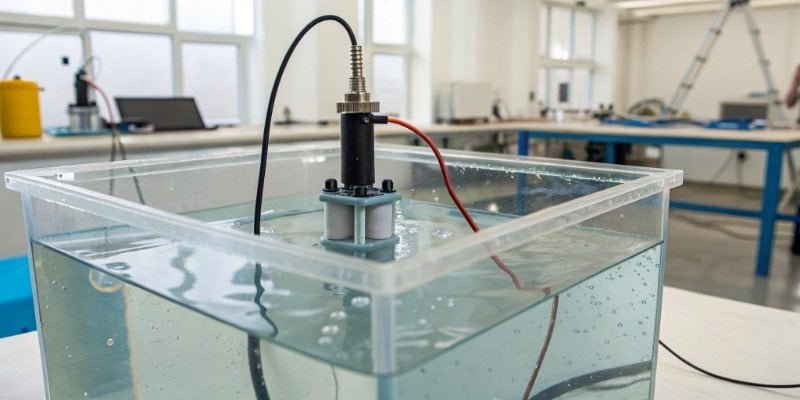
The IP67 rating1 is more than just a label; it's a promise of durability. As a manufacturer of industrial scales2 for nearly 20 years, I've seen firsthand how crucial this is. The right protection saves money and prevents headaches. But what does the "IP" actually stand for, and what do those numbers really mean in a practical sense? Let's break it down further so you can make informed decisions for your own operations.
What is an IP67 waterproof rating?
Do technical ratings like IP67 confuse you? Misunderstanding them can lead to costly equipment failures. Let's clarify exactly what IP67 promises for protection and performance.
IP67 is a standard from the International Electrotechnical Commission. The 'IP' stands for Ingress Protection. The '6' means it's fully protected from dust. The '7' means it can be submerged in water up to 1 meter for 30 minutes without damage.
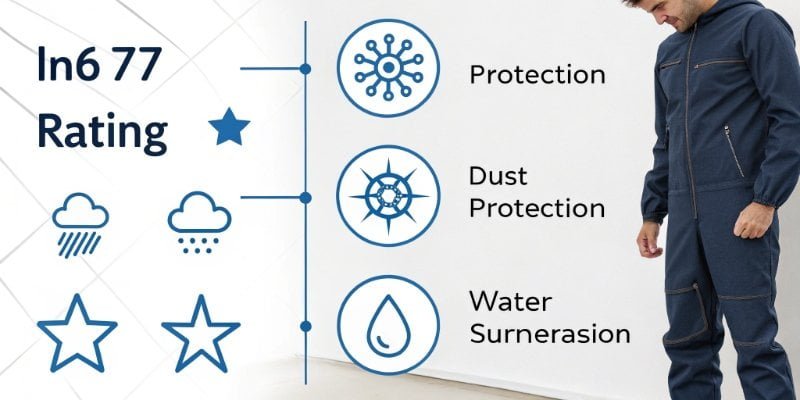
The IP rating system gives you a clear and standardized way to understand how protected a device is. The letters "IP" simply mean Ingress Protection3. It’s a measure of how well a device's enclosure keeps out foreign objects, from tiny dust particles to water. After the IP, you see two numbers. The first number tells you about protection against solid objects, like dust and dirt. The second number tells you about protection against liquids, specifically water.
Decoding the Numbers
To truly get it, you need to know what each number represents. A higher number means better protection. For IP67, the '6' is the highest level for dust protection, and '7' is a high level for water protection. This clear system removes guesswork.
| Rating Digit | First Digit (Solid Particle Protection) | Second Digit (Liquid Ingress Protection) |
|---|---|---|
| 0 | No protection against contact and ingress of objects. | No protection against water. |
| 5 | Dust protected. Ingress of dust is not entirely prevented. | Protected against water jets from a nozzle from any direction. |
| 6 | Dust tight. No ingress of dust at all. Complete protection. | Protected against powerful water jets from any direction. |
| 7 | N/A (Solid rating stops at 6) | Protected against temporary immersion (1m depth for 30 mins). |
| 8 | N/A (Solid rating stops at 6) | Protected against long periods of immersion under pressure. |
As you can see, the '6' in IP67 assures you that the device is completely sealed against dust. The '7' confirms it can survive being dropped in water. This is why we use it for our industrial scales, which often work in dusty warehouses or damp food processing plants. It ensures reliability where it matters most.
Is IP67 ok for heavy rain?
Do you need equipment that can work reliably outdoors? Heavy rain can destroy electronics, causing frustrating and expensive work stoppages. An IP67 rating provides real-world all-weather assurance.
Yes, IP67 is more than sufficient for heavy rain. The rating's '7' signifies protection against powerful water immersion for 30 minutes. Since rain is less intense than full submersion, an IP67-rated device will remain perfectly safe and functional during even the heaviest downpours.
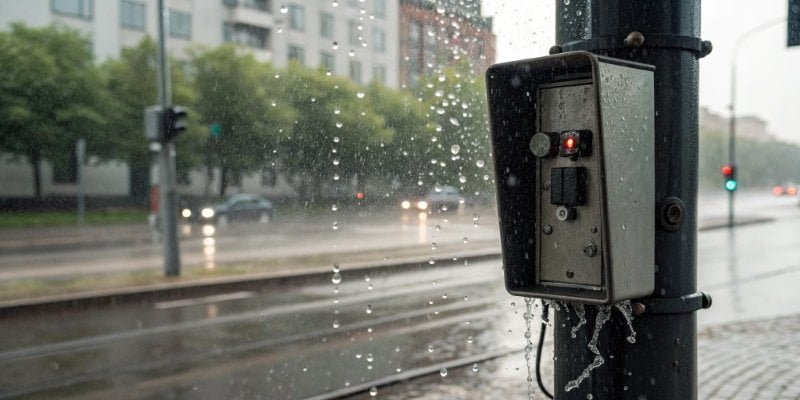
It's a common question we get from clients who need scales for outdoor yards or shipping docks. They see the "immersion" part of the IP67 definition and wonder how that translates to rain. The good news is, an IP67 rating easily handles heavy rain. To understand why, let's look at the different water protection levels and their corresponding tests.
Understanding Water Ingress Tests
The second digit in an IP rating corresponds to a specific test, with increasing intensity.
- IPX5: This level protects against water jets from any direction. The test involves spraying the device with a water nozzle. Think of a powerful garden hose.
- IPX6: This test is even tougher. It uses more powerful water jets, simulating conditions like being on a ship deck in a storm.
- IPX7: This requires the device to survive being fully submerged in 1 meter of water for 30 minutes.
Rain vs. Immersion
Heavy rain is much less forceful than the powerful jets of an IPX6 test. It is certainly not the same as being fully submerged in a meter of water under static pressure4. The IP67 test for water ingress is significantly more demanding than any natural rainfall. Therefore, if a product passes the IP67 test, it will have absolutely no problem withstanding heavy rain, storms, or direct exposure to sprinklers. This is why devices like outdoor security cameras and our own outdoor-rated truck scales often carry this rating. It ensures continuous operation, rain or shine.
What are the requirements for IP67?
How can you trust that a product is truly IP67 rated? Some claims are just marketing, leaving you with failed equipment. Real IP67 certification requires passing strict, standardized tests.
To earn an IP67 rating, a device must pass two specific tests. First, it must prove to be completely dust-tight in a dust chamber. Second, it must function perfectly after being fully submerged in 1 meter of water for a continuous 30-minute period.
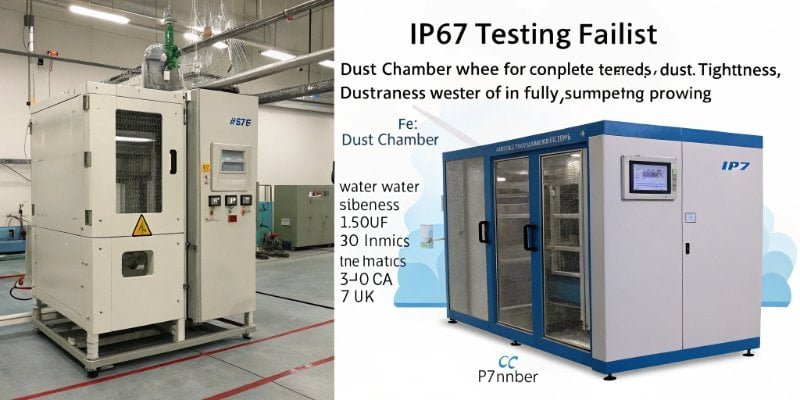
The IP67 rating isn't something a manufacturer can just claim. It has to be earned through a rigorous and controlled testing process5 defined by international standards. At our company, every product claiming a specific IP rating goes through this process in our quality control6 department before it ever ships. As a technical director or purchasing manager, you should understand what goes into this certification. Here’s a look at the process.
The Dust Ingress Test (IP6X)
For the first digit, the '6', the device is placed inside a sealed dust chamber. Very fine talcum powder is then blown around the device using a vacuum system for an extended period, often up to 8 hours. This procedure simulates years of exposure to a very dusty industrial environment. After the test, the device is carefully opened and inspected by our quality team. To pass and earn the '6' rating, there must be absolutely no dust deposit found inside the enclosure.
The Water Immersion Test (IPX7)
For the second digit, the '7', the test is straightforward but just as demanding. The device is completely submerged in a tank of water. The bottom of the device is placed exactly 1 meter below the surface, and the top is at least 15 cm below. It remains there for 30 minutes. After being removed and dried, it must be fully operational with no signs of water having entered the enclosure. Passing these two tests is the only way to certify a product as IP67.
Can you swim with an IP67 waterproof device?
Want to take your IP67-rated watch or speaker for a swim? Misunderstanding the limits of its "waterproof" rating can lead to permanent damage and a costly replacement.
No, swimming with an IP67 device is not recommended. The rating only guarantees protection against temporary, static immersion up to 1 meter for 30 minutes. The pressure from movement, diving, and extended time in water can exceed the device's protective limits and cause it to fail.
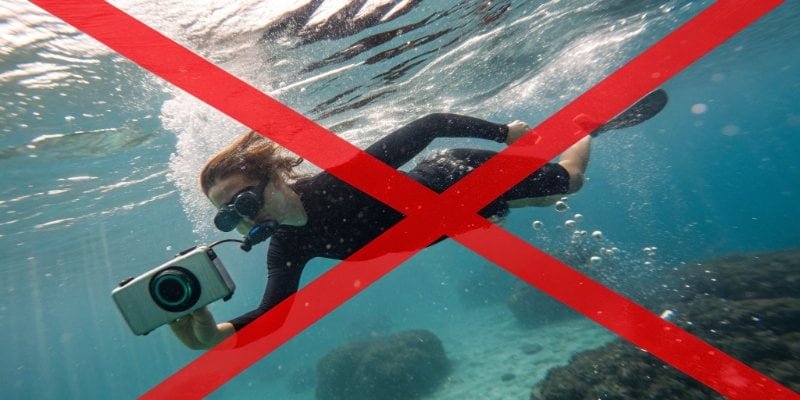
This is a very important distinction, especially with consumer electronics7 like smartwatches and phones. While an IP67 rating means the device can survive being accidentally dropped in a sink or a puddle, it is not designed for swimming. The reason comes down to the difference between static and dynamic pressure8. This is a critical detail that prevents costly mistakes.
Static Immersion vs. Dynamic Pressure
The IP67 test is performed in static, still water. The device is simply placed in the tank and left there. When you swim, however, your arm movements through the water create dynamic pressure. This rapidly changing pressure is much higher than the constant, static pressure at 1 meter deep. Water can be forced past seals that were only designed to withstand a static test. Furthermore, chemicals in pool water, like chlorine, or salt in the ocean can degrade the rubber seals over time, compromising the device's water resistance even further.
The Next Level: IP68
For activities like swimming, you should look for a device with an IP68 rating. The '8' in IP68 signifies protection against continuous immersion in water. The exact depth and duration for an IP68 rating are specified by the manufacturer but are always greater than the IP67 standard. So, if your team needs a device to use while in the water, IP67 is not enough. You must look for a product specifically rated IP68 for your intended use case.
Conclusion
In short, an IP67 rating guarantees complete dust protection and temporary water immersion safety. This makes it ideal for harsh industrial environments but not for activities like swimming.
- Understanding the IP67 rating is crucial for selecting durable equipment that can withstand harsh conditions. ↩
- Discover how IP67-rated industrial scales enhance reliability in challenging environments. ↩
- Learn about Ingress Protection to better understand how devices are rated for dust and water resistance. ↩
- Understanding static pressure is key to knowing the limits of waterproof devices. ↩
- Understanding the testing process ensures you choose genuinely certified products. ↩
- Learn how quality control measures guarantee that products meet IP67 standards. ↩
- Discover popular consumer electronics with IP67 ratings for reliable water resistance. ↩
- Learn how dynamic pressure can impact the performance of waterproof devices during use. ↩


Comments (0)