

Are you struggling with inaccurate measurements and inefficient processes on your farm? wondering how to improve your overall productivity and profitability? Industrial weighing software can help you to solve these problems.
Industrial weighing software is essential for modern agriculture, automating and streamlining weighing processes. It's used with scales to record, manage, and analyze weight data, which improves efficiency, ensures accurate records, reduces labor costs, enhances security, and provides real-time monitoring for better decision-making.
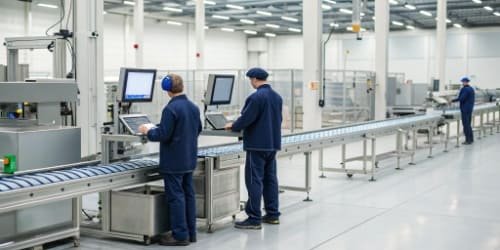
I remember talking to a farm owner who was constantly frustrated with inconsistencies in his harvest records. He relied on manual logs, and at the end of the season, the numbers never quite added up. This led to disputes with buyers and a constant feeling of uncertainty about his actual yield. After integrating industrial weighing1 software, he could track everything digitally and accurately, which eliminated the guesswork and gave him peace of mind. This is just one example of how this technology can transform farming operations.
What is the function of weighing scale in agriculture?
Feeling like you're losing profit somewhere between the field and the market? Accurate weighing is the first step to taking control of your agricultural business and ensuring you get fair value.
Weighing scales are vital in agriculture for monitoring crop yields, managing livestock weights, and measuring feed ingredients. Accurate measurements help with inventory management, ensure fair trade, and support cost management by providing precise data for selling products and purchasing supplies.
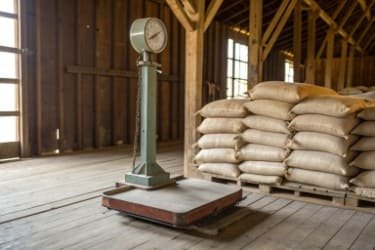
I once visited a farm where the owner showed me how they use different scales for various tasks. They had large platform scales for weighing sacks of harvested corn and smaller, more precise scales for measuring feed supplements for their livestock. He explained that before they invested in a proper weighing system, they often overfed their animals, which was not only costly but also affected their health. By accurately measuring feed, they optimized their feeding strategy, which led to healthier livestock and significant cost savings. This experience highlighted for me just how fundamental accurate weighing is to efficient and profitable farming. Precise measurement is not just about selling; it's about managing every aspect of the farm's resources effectively.
Key Functions of Weighing Scales in Agriculture
| Function | Description | Impact on Farming Operations |
|---|---|---|
| Crop Yield Monitoring | Accurately weighing harvested crops to track yield throughout the season. | Provides precise data for inventory management2, sales forecasting, and evaluating the effectiveness of farming techniques. |
| Livestock Management | Regularly monitoring the weight of livestock. | Helps in optimizing feeding strategies, ensuring animal health, and determining the market value of animals. |
| Feed Management | Precisely measuring feed ingredients3 for livestock. | Prevents overfeeding or underfeeding, which leads to better animal health and reduces feed costs. |
| Inventory Control | Keeping an accurate record of harvested crops, seeds, and fertilizers. | Enables better planning for sales, storage, and future planting seasons, preventing shortages or wastage. |
| Fair Trade and Sales | Ensuring accurate weight measurements for commercial transactions. | Builds trust with buyers and ensures that farmers receive fair payment for their products based on the exact quantity sold. |
| Resource Optimization | Accurately measuring inputs like seeds, fertilizers, and pesticides. | Minimizes waste, reduces operational costs, and enhances overall crop performance and yield. |
Which software is used in agriculture?
Are you overwhelmed by the amount of data your farm generates daily? Modern agricultural software can help you organize and analyze this information to make smarter, data-driven decisions for your farm.
A wide range of software is used in agriculture, including farm management software for planning and analysis, precision agriculture software that uses data from sensors and satellites, and livestock management software for tracking animal health and productivity. These tools help optimize resource use and improve overall efficiency.
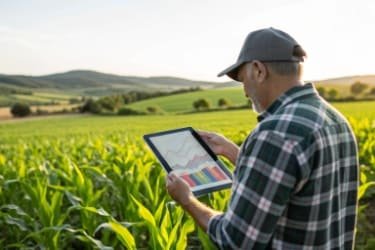
I met a young farmer who had taken over his family's business and was keen to modernize their operations. He showed me the farm management software4 he was using on his tablet. With a few taps, he could view detailed maps of his fields, track the growth stages of his crops, and even monitor soil moisture levels remotely. He explained that this technology allowed him to be proactive rather than reactive, addressing potential issues before they became major problems. For him, the software was like having an extra set of eyes on every corner of his farm, all the time.
Common Types of Agricultural Software
| Software Type | Primary Function | Examples |
|---|---|---|
| Farm Management Software | Centralizes and streamlines all farm operations, from crop planning and record-keeping to financial management. | Agrivi, Farmbrite, Tend |
| Precision Agriculture Software | Utilizes data from GPS, sensors, and drones to enable precise application of water, fertilizers, and pesticides. | Trimble Ag Software, EOSDA Crop Monitoring |
| Livestock Management Software | Tracks animal health, breeding cycles, feeding schedules, and overall herd productivity. | AgriWebb, DairyComp, Pro Feeder |
| Weighbridge Software | Automates the process of weighing vehicles and their cargo, integrating with scales to record and manage weight data5 accurately. | mScales |
| Inventory Management Software | Monitors the stock levels of seeds, fertilizers, feed, and harvested produce. | CropTracker, Farm At Hand |
| Agricultural Accounting Software | Manages farm financials, including invoicing, payroll, and tracking profits and losses. | EasyFarm, QuickBooks Online |
What is weighbridge in agriculture?
Do you find it challenging to get accurate weight measurements for large vehicles and bulk goods on your farm? A weighbridge can provide the precision you need for fair trade and efficient logistics.
A weighbridge is a large set of scales, typically mounted on a concrete foundation, used to weigh entire vehicles and their contents. In agriculture, they are crucial for measuring bulk goods like grains and produce, ensuring accurate weights for commercial transactions and preventing vehicle overloading.
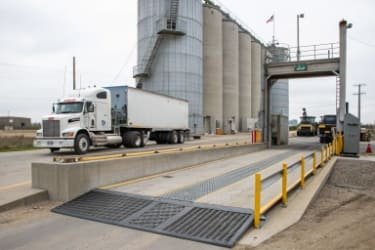
During a visit to a large grain cooperative, I saw a weighbridge6 in action. Trucks loaded with freshly harvested wheat would drive onto the large platform before and after unloading their cargo. The operator explained that this system was essential for ensuring that farmers were paid correctly for the exact amount of grain they delivered. It also helped them manage their inventory with incredible accuracy and prevent their own transport vehicles from being overloaded, which could lead to fines and road safety issues. Seeing the seamless integration of the weighbridge into their operations made it clear how vital this technology is for large-scale agricultural businesses.
Applications of Weighbridges in Agriculture
| Application | Description | Benefits |
|---|---|---|
| Commercial Transactions | Determines the exact weight of agricultural products being bought or sold in bulk. | Ensures fair and transparent pricing for both farmers and buyers, building trust and long-term relationships. |
| Inventory Management | Provides accurate data on the amount of produce harvested and stored. | Helps in efficient stock control, logistics planning, and forecasting future yields. |
| Preventing Overloading | Ensures that trucks and trailers are not loaded beyond their legal weight limits. | Enhances road safety, prevents premature wear and tear on vehicles, and avoids costly fines. |
| Harvest Monitoring | Tracks the total yield from different fields or sections of the farm. | Allows farmers to analyze the effectiveness of different farming practices and make informed decisions for future seasons. |
| Input Cost Calculation | Accurately weighs incoming raw materials like fertilizers and animal feed. | Helps in precise cost calculation per unit of weight, leading to better budgeting and financial management. |
| Data Automation | When paired with software, it automates the recording and management of weight data. | Reduces manual errors, increases efficiency, and provides real-time data for better decision-making. |
What is industrial weighing?
Are you wondering how professional-grade weighing equipment can benefit your agricultural operations? Industrial weighing is all about providing the accuracy and durability needed for demanding environments like a farm.
Industrial weighing refers to the use of scales designed for high accuracy and durability in harsh commercial environments, including agriculture. These scales are used for a variety of purposes, from measuring raw materials to ensuring the final product meets quality standards.
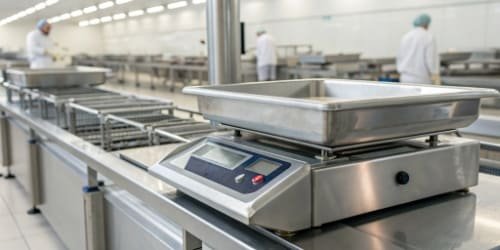
I've had the opportunity to see our industrial scales being used in various settings, from busy shipping docks to food processing plants. One thing that always stands out is their robust construction. They are built to withstand heavy use and challenging conditions, which is crucial in an agricultural setting where equipment is exposed to dust, moisture, and heavy loads. A farmer once told me, "I need a scale that I can rely on every single day, no matter what. My old scale couldn't handle the workload, but this industrial one is a workhorse." This is the essence of industrial weighing – providing reliable and precise measurements in any situation.
Key Aspects of Industrial Weighing in Agriculture
| Aspect | Description | Importance in Agriculture |
|---|---|---|
| High Accuracy | Industrial scales are engineered for precision to provide exact weight measurements. | Crucial for fair trade7, quality control, and adherence to industry regulations. |
| Durability | Constructed with robust materials like stainless steel to withstand harsh environments. | Essential for longevity in demanding agricultural settings with exposure to dust, moisture, and heavy loads. |
| Variety of Scales | Includes a wide range of types, such as platform scales, bench scales, and crane scales, to suit different needs. | Allows farms to choose the right equipment for specific tasks, from weighing small bags of seeds to large containers of produce. |
| Data Integration | Many industrial scales can be connected to software systems for automated data logging and analysis. | Streamlines record-keeping, reduces human error, and provides valuable data for operational insights. |
| Compliance | Legal-for-trade certified scales ensure compliance with government and industry standards for commercial transactions. | Protects both the farmer and the buyer by guaranteeing accurate and legally recognized weight measurements. |
| Process Automation | Can be integrated into production lines for automated tasks like sorting and packaging. | As I've seen in modern harvesting machinery, weight information is used to automatically sort produce into different categories, streamlining the process for packaging and sale. |
Conclusion
Industrial weighing software and scales are indispensable tools in modern agriculture, enhancing efficiency, ensuring fairness, and providing the data needed for smart, profitable farming.
-
Learn about the benefits of industrial weighing equipment in agricultural operations. ↩
-
Explore effective inventory management strategies to prevent shortages and wastage. ↩
-
Discover the advantages of accurately measuring feed for better livestock management. ↩
-
Discover essential features of farm management software that can streamline agricultural operations. ↩
-
Discover how managing weight data can lead to better decision-making and resource optimization. ↩
-
Understand the significance of weighbridges in ensuring accurate weight measurements for bulk goods. ↩
-
Understand the importance of accurate measurements in building trust between farmers and buyers. ↩



Comments (0)