
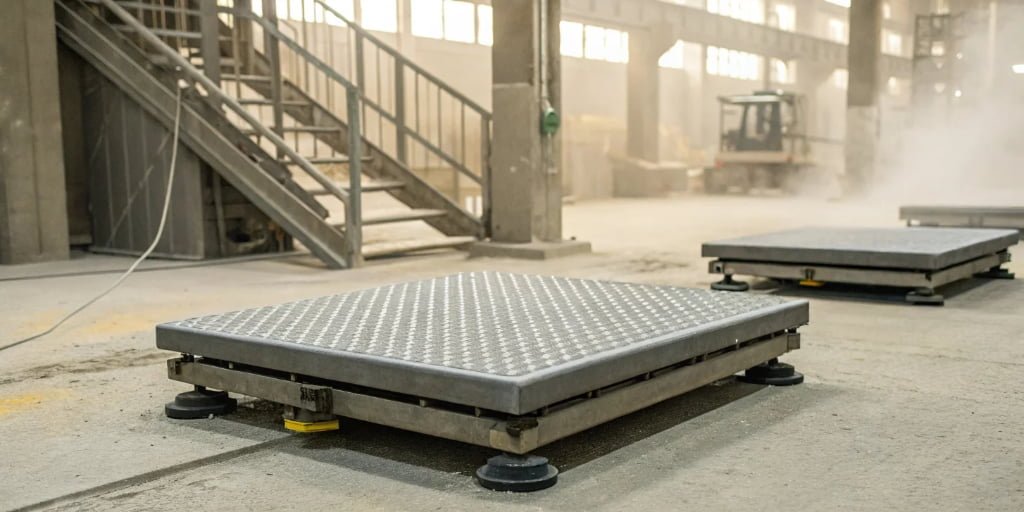
Using a standard scale in a harsh setting can cause damage and failure. This leads to costly downtime and serious safety risks. Specialized scales are the solution for protection and reliability.
Scales for specific environments have special designs to ensure they last and stay accurate. For wet conditions, they feature high waterproof ratings like IP68. In explosive atmospheres, they use intrinsically safe components and have certifications like ATEX. For corrosive areas, they are made from materials like 316 stainless steel.
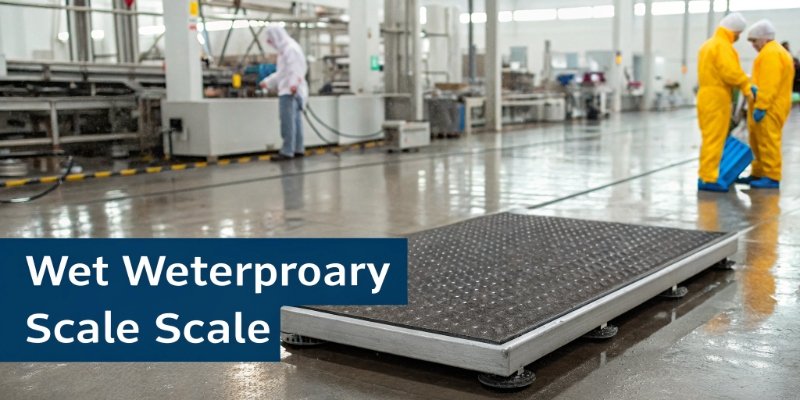
Choosing the right scale for your work environment is more than just a good idea; it is necessary for safety, accuracy, and long-term value. A scale that isn't built for its surroundings will fail quickly. This means you will spend more on replacements and lose money from inaccurate measurements. Over my 18 years in this industry, I have seen firsthand how investing in the right equipment from the start saves businesses from major headaches down the road. Let's look at what makes these specialized scales different.
What are industrial scales used for?
Inaccurate measurements in your production line can be very expensive. These small errors add up, leading to wasted materials and quality control failures. Industrial scales provide the precision you need.
Industrial scales are used across many industries for essential tasks. This includes weighing raw materials, checking package weights, batching ingredients, and counting parts. They are critical for ensuring consistency, controlling quality, and meeting legal regulations.
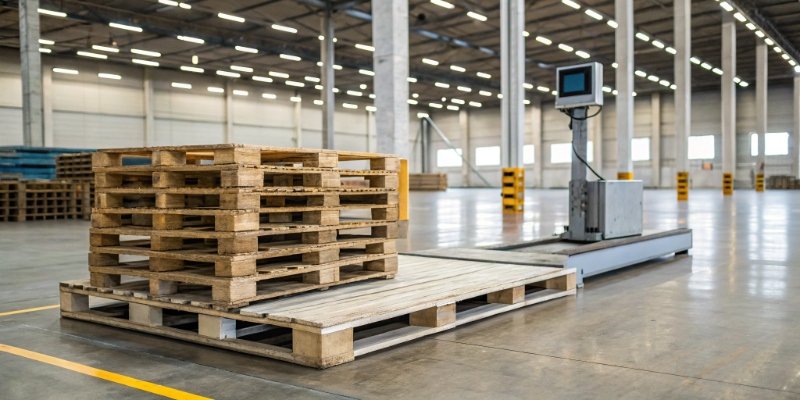
Industrial scales are the foundation of process control in many sectors. Their use goes far beyond simply finding the weight of an object. They are integrated systems that help businesses run more efficiently. As a manufacturer, we see our products used in countless ways to improve operations and profitability. For a software vendor looking to integrate weighing data, understanding these applications is key to developing a valuable product.
Quality Control and Compliance
For many companies, especially in food, pharmaceutical, and chemical industries, weight is a critical quality parameter. Scales ensure that every product leaving the factory meets specifications. Checkweighers automatically weigh every item on a production line and reject any that are over or under the target weight. This process is not just about consistency; it is often a legal requirement. Our scales provide the reliable data needed to generate compliance reports and maintain auditable records.
Inventory Management
Accurate inventory counts are vital for managing your supply chain1. Industrial scales, from small counting scales2 to large floor scales, make this process fast and precise. A counting scale can determine the quantity of thousands of small parts in seconds. A platform scale connected to an inventory system can automatically update stock levels when new materials arrive. This helps prevent stockouts and reduces the cost of holding excess inventory.
Production and Batching
In manufacturing3, ingredients are often mixed based on precise weight-based recipes. This is called batching. Our weighing systems can be programmed with recipes to control the mixing process automatically. The system ensures that the exact amount of each ingredient is added, leading to a consistent final product every time. This automation reduces human error and improves overall product quality.
| Industry | Primary Use Case | Scale Type Commonly Used |
|---|---|---|
| Logistics & Shipping | Verifying Freight Weight | Floor Scales, Truck Scales |
| Food & Beverage | Ingredient Batching, Portioning | Bench Scales, Checkweighers |
| Chemical | Hazardous Material Weighing | Explosion-Proof Scales |
| Manufacturing | Parts Counting, Quality Checks | Counting Scales, Platform Scales |
| Agriculture | Weighing Harvests, Livestock | Axle Scales, Livestock Scales |
How are hazardous areas classified based on the occurrence of an explosive atmosphere?
Having a potential explosion risk in your facility is a huge danger. Using the wrong equipment in these areas can have disastrous consequences. Understanding area classifications helps you choose compliant, safe scales.
Hazardous areas are classified into Zones based on how often an explosive atmosphere is present. Zone 0 (for gas) or 20 (for dust) means a constant risk. Zone 1 or 21 is a likely risk, and Zone 2 or 22 is an unlikely but possible risk. This system determines the necessary equipment protection level.
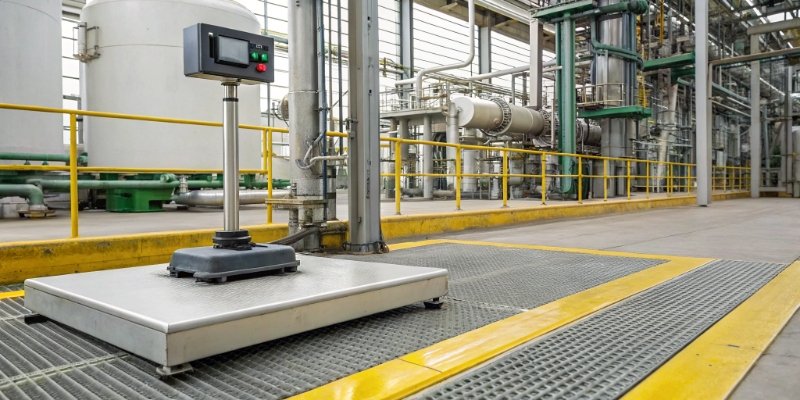
When a client comes to us with a need for a scale in a hazardous environment, the first question we ask is about their Zone classification. This is not a detail we can guess. It is a strict safety standard that dictates the kind of equipment we can provide. Our engineering team specializes in designing scales that meet these international standards, such as ATEX and IECEx. It is our responsibility to ensure the solutions we provide keep your people and your facility safe. The protection is not just in the electronics; it involves the entire construction of the scale, from the load cell4 to the junction box and cabling.
Gas/Vapor Zones (Class I)
These zones are classified based on the potential presence of flammable gases or vapors.
- Zone 0: An area where an explosive gas atmosphere is present continuously or for long periods. Think of the inside of a closed fuel tank. Equipment here needs the absolute highest level of protection.
- Zone 1: An area where an explosive gas atmosphere is likely to occur in normal operation. For example, the area around a filling nozzle.
- Zone 2: An area where an explosive gas atmosphere is not likely to occur, and if it does, it will only exist for a short time.
Dust Zones (Class II)
These zones are classified based on the potential presence of combustible dust.
- Zone 20: An area where a combustible dust cloud is present continuously or for long periods. This might be inside a silo or conveyor.
- Zone 21: An area where a combustible dust cloud is likely to form in normal operation.
- Zone 22: An area where a combustible dust cloud is not likely to occur, but could if there is a malfunction.
| Zone | Environment | Risk Level |
|---|---|---|
| 0 / 20 | Gas / Dust | Constant: Explosive atmosphere present continuously or for long periods. |
| 1 / 21 | Gas / Dust | Likely: Explosive atmosphere is likely to occur during normal operation. |
| 2 / 22 | Gas / Dust | Unlikely: Explosive atmosphere is not likely and only for short periods. |
What is an industrial weighing instrument used for objects of heavy weight?
Weighing very heavy or bulky items presents a significant challenge. Standard scales simply cannot handle the load and will break easily. Heavy-duty scales like platform or vehicle scales are built specifically for this job.
For very heavy objects, you use instruments like platform scales, floor scales, or truck scales, also known as weighbridges. These are designed with high capacities and extremely tough construction to handle multiple tons of weight accurately and safely.

When projects involve heavy objects, the scale stops being a simple benchtop device and becomes a piece of industrial infrastructure. At Weigherps, we have extensive experience in fabricating these large-scale systems. The design must account for not only the massive weight but also the dynamic forces5 of vehicles driving onto them or materials being dropped from above. A robust design, high-quality steel, and properly specified load cells are critical. These scales are the cash registers for many businesses, like scrap yards and shipping ports, so their accuracy and durability directly impact the bottom line.
Floor and Platform Scales
These are the workhorses of many warehouses and factories. A floor scale is a large, flat platform that sits on the ground, allowing for easy loading with a forklift or pallet jack. They typically have capacities ranging from 1,000 kg to 10,000 kg. They are used for weighing pallets, large containers, and bulk materials. We build our platform scales6 with a thick, checkered steel top plate for grip and a reinforced frame underneath to prevent flexing under load, which is key for consistent accuracy.
Truck Scales (Weighbridges)
A truck scale, or weighbridge, is designed to weigh entire vehicles. They can be installed in a pit to be flush with the ground or above ground with ramps. Their capacities are massive, often reaching 100 tons or more. They are essential for industries that deal in bulk goods, such as agriculture, mining, and logistics. Accurate truck scales ensure that companies are not paying for or shipping the wrong amount of material, and they help vehicles comply with legal road weight limits.
Crane Scales
For objects that are difficult to place on a floor scale, a crane scale is the perfect solution. It is a heavy-duty scale that hangs from the hook of a crane or hoist. The object is then lifted, and the scale measures the weight in suspension. This is common in metal fabrication shops for weighing large steel beams or in shipping yards for weighing containers as they are loaded onto ships. Modern crane scales are remote-controlled and have large, bright displays that are easy to read from a safe distance.
How does an industrial scale work?
You depend on your scales every day, but you might not know how they work. This lack of knowledge can make it hard to troubleshoot problems or specify a new scale. Understanding the core components is actually quite simple.
An industrial scale works using a component called a load cell. When you place weight on the scale’s platform, it physically deforms the load cell slightly. This deformation changes an electrical signal, which a digital indicator then translates into a precise weight reading on the screen.

The magic of modern digital weighing happens inside a small metal component: the load cell. As a manufacturer, we spend a great deal of our R&D effort perfecting the interaction between the load cell and the software in the indicator. It's a partnership between hardware and software. High-quality manufacturing of the load cell ensures a consistent, repeatable signal. Our rigorous software testing ensures that the indicator interprets that signal accurately and reliably, every single time. This is especially important for our software vendor clients, who need a stable data source for their applications.
The Load Cell: The Heart of the Scale
The load cell is a transducer. It converts force into a measurable electrical output. Most industrial scales use a strain gauge7-based load cell. It is a solid piece of metal, usually aluminum or steel, that is designed to bend ever so slightly in a predictable way when a load is applied. The quality of this metal and the precision of its machining are the first steps toward an accurate scale.
The Strain Gauge: Measuring Deformation
Attached to the load cell is a strain gauge. This is a small grid of wires that acts as a resistor. When the load cell bends, the wires in the strain gauge are stretched, which increases their electrical resistance. This change in resistance is very small, but it is directly proportional to the amount of force (weight) applied. A typical scale uses a setup of four strain gauges called a Wheatstone bridge to amplify this tiny change and make it easier to measure accurately.
The Indicator: Translating a Signal to Weight
The change in resistance is sent as a weak electrical signal to the weighing indicator. The indicator contains analog-to-digital (A/D) conversion hardware and a microprocessor.
- The A/D converter turns the analog signal from the load cell into a digital value.
- The microprocessor, running specialized software, takes this digital value.
- It then performs a calculation based on the scale's calibration data to convert the value into a standard unit of weight, like kilograms or pounds.
- Finally, this weight is displayed on the screen for the user.
Our quality control department tests every single product, including comprehensive software checks, to ensure this process is flawless before any scale leaves our factory.
Conclusion
Specialized industrial scales are essential for safety, compliance, and accuracy in challenging environments. Understanding the basics helps you choose the right tool for the job, protecting your investment and operations.
-
Explore the impact of accurate weighing on supply chain efficiency and cost reduction. ↩
-
Explore the functionality of counting scales and how they enhance efficiency in inventory management. ↩
-
Discover the various applications of industrial scales in manufacturing and their impact on productivity. ↩
-
Explore the function of load cells in industrial scales and their significance in accurate weight measurement. ↩
-
Understand how dynamic forces influence the design and durability of industrial scales. ↩
-
Learn about platform scales and their versatility in various industrial applications. ↩
-
Learn about strain gauges and their role in measuring weight through deformation in load cells. ↩



[…] need for speed with the non-negotiable requirement for accuracy. In my 19 years of manufacturing industrial scales1, I've helped countless businesses navigate this exact challenge. The truth is, in-motion weighing […]
[…] For a scale to earn its rating, it undergoes a series of controlled procedures in our dedicated testing facility1. These tests simulate real-world conditions, from fine dust exposure to high-pressure water jets2 […]