
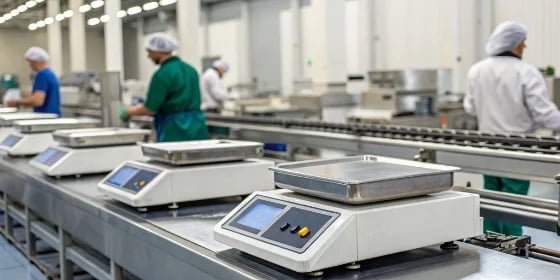
Your production line is held back by slow, manual weight logging. This outdated process creates costly errors and inaccurate inventory data. Specialized weighing software automates this, boosting accuracy and efficiency.
There are various weighing software options, from basic data collection tools to advanced systems. These integrate scales with ERP or MES platforms for real-time management of inventory, quality control, and recipes. The best solutions are tailored to specific industrial workflows, offering a complete data management solution.

So, you see that software is the key. But how does this actually work on your factory floor? The benefits go far beyond just digital readouts. Let's explore how these systems can truly transform your production efficiency1 and what to look for. The right choice can make all the difference, and understanding the details will help you make a decision that powers your growth for years to come.
How Can Weighing Software Improve Production Efficiency?
Inaccurate weights and manual data entry are hurting your output. This causes production delays, material waste, and compliance headaches. Software automates weighing tasks, which dramatically increases speed and accuracy.
Weighing software improves efficiency by automating data capture, which eliminates manual entry errors. It provides real-time data for faster decisions, ensures consistent quality, optimizes material usage, and integrates with your management systems for a smoother workflow.

I remember visiting a client’s factory in the food processing industry. Their team was writing weights on a clipboard, then someone would enter that data into a spreadsheet at the end of the day. It was slow and they constantly battled typos. After we helped them integrate software, the change was immediate. Weight data was captured instantly and sent right to their management system. Here is how it breaks down.
Eliminating Manual Errors
The biggest and most immediate impact is the removal of human error. A simple typo can throw off an entire batch, leading to waste or a subpar product. Software records the exact weight from the scale every time, with no chance of a mistake. This means your data is 100% accurate and reliable.
Accelerating Data Flow
Waiting for end-of-shift reports is a thing of the past. Modern weighing software2 provides real-time data3 visibility. A production manager can see yields, waste, and throughput from their desk as it happens. This allows for instant adjustments on the factory floor, preventing small issues from becoming big problems.
| Process Step | Before Software (Manual) | After Software (Integrated) |
|---|---|---|
| Data Capture | Operator writes weight on paper. | Scale sends weight automatically. |
| Data Entry | Clerk types data into a computer. | Data is sent directly to the database. |
| Reporting | Manager waits for daily summary. | Manager views a live dashboard. |
| Error Rate | High (typos, lost papers) | Near zero. |
What Are the Top Weighing Software Solutions for Optimizing Manufacturing?
Choosing from so many software options is overwhelming. A wrong choice can mean a wasted investment and major integration headaches. We can help you understand the main categories of solutions.
Top solutions range from standalone data logging applications to fully integrated weighing modules for ERP systems like SAP or Oracle. Custom-developed software and IoT weighing platforms are also leading options, offering tailored functionality for specific industries.

As a manufacturer of weighing equipment4 for nearly 20 years, we've seen all types of software setups. The "best" solution really depends on the size of your operation and the complexity of your needs. There isn't a one-size-fits-all answer. Instead, it's about finding the right category of solution and then tailoring it to your workflow. Here are the main types we see our clients successfully use.
Standalone Weighing Software
This is a basic software that connects to one or more scales and logs weight data. It's great for smaller operations or specific quality control5 stations where you just need to record weights, timestamps, and product IDs. It's simple to set up but doesn't usually connect to other business systems.
ERP/MES Integrated Modules
For larger manufacturing facilities, this is the gold standard. The weighing software acts as a module within your existing Enterprise Resource Planning (ERP) or Manufacturing Execution System (MES). All data flows seamlessly into your central system, providing a single source of truth for inventory, production orders, and quality control.
Custom-Developed Solutions
Sometimes, a company's process is so unique that an off-the-shelf product won't work. In these cases, we work with clients to develop custom software. This is perfect for complex formulation, specialized compliance reporting, or integration with proprietary machinery. It offers maximum flexibility.
| Solution Type | Best For | Integration Complexity |
|---|---|---|
| Standalone | Small teams, simple data logging | Low |
| ERP/MES Module | Medium to large enterprises | High |
| Custom | Unique, complex workflows | High, but tailored |
How Do You Select the Right Weighing Software for Your Production Needs?
You know you need new weighing software, but you don't know where to start. Choosing without a clear plan often leads to buying the wrong product. A structured evaluation process ensures you find the perfect fit.
Select the right software by first clearly defining your production goals and pain points. Then, evaluate compatibility with your existing scales and IT infrastructure. Finally, prioritize solutions with strong technical support, scalability, and a user-friendly interface.
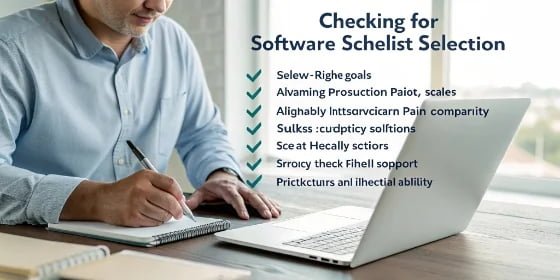
I once worked with a purchasing manager who was focused solely on getting the lowest price. He chose a cheap software package without testing it. His team found it so difficult to use that they went back to their old paper methods within a month. The investment was a total loss. This taught me that the selection process is just as important as the software itself. Here’s the four-step process we recommend to all our clients.
Step 1: Audit Your Current Process
Before you look at any software, map out your current weighing workflow. Where are the bottlenecks6? Where do errors happen most often? Talk to the operators on the floor. Their insights are invaluable. You need to know exactly what problems you are trying to solve.
Step 2: Define Your Goals
What does success look like? Be specific. Your goals might be "reduce material waste by 5%," "eliminate all manual data entry errors7," or "increase throughput at the packaging station by 15%." These clear goals will be your guide when comparing different software options.
Step 3: Assess Technical Requirements
Make a list of your technical needs. Will the software work with your existing scales? Does it meet your company's IT security policies? Can it be deployed on your preferred environment, like a local server or the cloud? Answering these questions early prevents major headaches later.
Step 4: Request a Demo or Trial
Never buy weighing software without seeing it in action. Ask for a live demo that shows how it would work with your specific process. Even better, run a pilot or trial on one of your production lines. This allows your team to test the user interface and confirm it solves your defined problems.
What Features Should You Look for in Weighing Software to Enhance Workflow?
All software providers claim their product is the best. It's difficult to know which features actually matter for your daily operations. Focusing on the wrong bells and whistles won't solve your core workflow problems.
Look for features like real-time data dashboards, robust reporting, recipe management, and user access controls. Seamless integration with ERP/MES systems and support for barcode or RFID scanners are also critical for automating workflows and reducing errors.
The most valuable software features are the ones that save your team time and prevent mistakes. A fancy interface is useless if it doesn't make the job on the factory floor easier and more accurate. Over the years, we've identified the core features that provide the biggest return on investment for our clients. When you evaluate software, make sure it has these capabilities. They are the building blocks of a truly optimized workflow.
Connectivity and Integration
This is the most important feature. The software must be able to connect your scales to your core business systems (ERP, MES, WMS). Look for solutions with flexible APIs (Application Programming Interfaces) that make this integration smooth. Without this, you are just creating another isolated island of data.
Real-Time Dashboards and Reporting
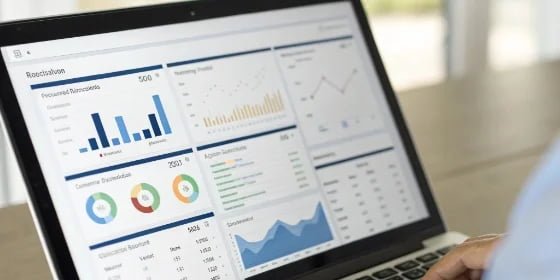
Your managers need to see what's happening right now, not yesterday. A good dashboard visualizes key metrics like units per hour, average weight, and giveaway. The reporting function should also be flexible, allowing you to create custom reports for quality, production, and inventory audits.
Formulation and Recipe Management
For industries like chemicals, food, and pharmaceuticals, this is non-negotiable. The software should guide operators through complex recipes step-by-step, ensuring each ingredient is weighed to the exact tolerance. It should lock out progress if a weight is out of spec, guaranteeing batch consistency.
| Feature | Workflow Benefit |
|---|---|
| Barcode/RFID Integration | Instantly identifies products, operators, and orders, eliminating manual selection and errors. |
| User Access Controls | Ensures only trained operators can perform certain tasks and provides a clear audit trail. |
| Centralized Device Mgmt. | Allows you to monitor and configure all connected scales from one central location. |
| Audit Trails | Logs every action (who, what, when), which is crucial for quality control and compliance. |
Conclusion
Integrating the right weighing software is no longer a luxury but a necessity. It connects your scales to your business systems, turning raw data into profit and sustainable growth.
- Explore various strategies that can significantly enhance production efficiency. ↩
- Explore how weighing software can enhance accuracy and efficiency in your production line. ↩
- Discover how real-time data can transform decision-making and operational efficiency. ↩
- Explore the different types of weighing equipment that can optimize your production. ↩
- Understand how weighing software ensures consistent quality and compliance in production. ↩
- Identify common bottlenecks and how to address them for smoother operations. ↩
- Learn effective solutions to reduce errors and improve data accuracy. ↩



Comments (0)