
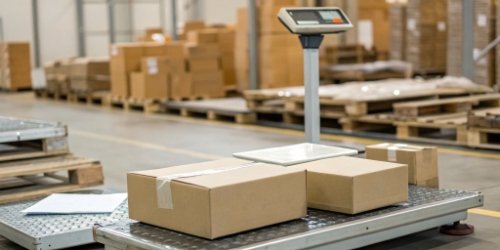
Using pre-printed labels for items with different weights is a headache. This can lead to costly errors and compliance issues. But there is a much better way to work.
The main risk is inaccuracy. Pre-printed labels cannot show the exact weight of each unique item. This causes problems with pricing, inventory records, and meeting rules. It is a system full of human error and potential financial loss, especially in food production environments.

Over my 19 years in the industrial weighing business, I have seen many companies struggle with this exact problem. They try to fit a fixed solution onto a variable problem, and it never ends well. The process seems simple on the surface, but the hidden costs and risks can really hurt a business. It slows everything down and opens the door to mistakes that are hard to catch until it's too late. It is time to look closer at these challenges and find a better way. This is not just about efficiency; it is about protecting your business and helping it grow. Let's explore why this old method is holding you back.
What Challenges Arise from Using Pre-Printed Labels with Variable Weights?
Juggling different labels for different weights is slow and confusing. This old process hurts your team's productivity and your bottom line. Imagine a smooth, error-free workflow instead.
The biggest challenges are low operational speed and a high chance of mistakes. Workers must manually match products to the right labels. This slows down the packing line, increases labor costs, and often leads to incorrect labeling. This causes shipping errors and unhappy customers.

When I visit production floors, especially for meat, fruit, or vegetable packing, I often see the same bottleneck. An operator weighs a package, then has to turn away to search for a label that more or less matches the weight. This manual "weigh-and-search" process is a major source of inefficiency. Every second spent searching for a label is a second lost from production.
The Bottleneck Effect on Your Production Line
Think about a typical workflow. An operator has to weigh an item, remember the weight, find the correct pre-printed label from a stack, and then apply it. Each one of these steps is a potential point of failure and delay. If the operator gets distracted or can't find the exact label, the entire line can slow down.
Human Error: The Unseen Cost
This process relies completely on the operator's focus and accuracy. But people make mistakes, especially during long, repetitive shifts. Grabbing the wrong label might seem like a small error, but it has big consequences. It can lead to a customer being overcharged or undercharged, which hurts both trust and profit. An integrated solution, where the scale prints the exact weight on a label instantly, removes this risk entirely.
| Process Step | Pre-Printed Label Method | Integrated Scale Printer Method |
|---|---|---|
| Weighing | Operator weighs item. | Scale weighs item. |
| Data Handling | Operator remembers or writes down weight. | Weight data is captured automatically. |
| Labeling | Operator searches for and applies a label. | Scale prints and dispenses a label with the exact weight. |
| Result | Slow, high chance of error. | Fast, accurate, and efficient. |
How Can Pre-Printed Labels Lead to Inaccuracies in a Variable-Weight Setting?
Are you sure your labels are accurate? Mismatched weights and prices can be very costly. This can break customer trust and even lead to government fines. There is a simple fix.
Inaccuracies happen when an operator grabs the wrong pre-printed label. Or they happen when the real weight is between two pre-printed weight options. This leads to wrong pricing, bad inventory data, and not following industry rules. It is a direct path to financial and data problems.
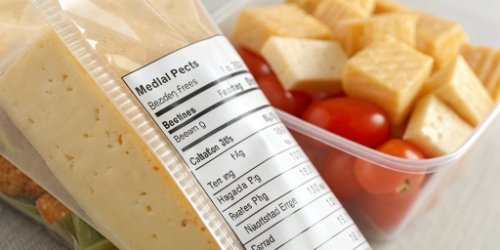
The core of your business often relies on data. For our clients who are software vendors, they know that their systems are only as good as the data they receive. If the data coming from the factory floor is wrong, then the best software in the world cannot fix it. This is the biggest danger of using pre-printed labels1. They introduce bad data right at the source.
The Domino Effect of a Single Mismatch
A single wrong label can cause a chain reaction of problems. Let's follow an example. A package of meat that weighs 1.25 kg is accidentally labeled with a pre-printed sticker for 1.20 kg.
- Pricing: The customer is undercharged. The business loses money.
- Inventory: Your system now thinks 1.20 kg of product has been sold, not 1.25 kg. Your inventory count is now wrong.
- Data Analysis: All your sales reports and forecasts will be based on this incorrect data, making them less reliable.
For our software partners, this is a nightmare. Their inventory management or point-of-sale software depends on correct 'catch weight' information. Our integrated IoT scales2 solve this by sending precise, real-time weight data directly to your system with every single package.
Compliance and Regulatory Headaches
Many countries have strict laws about labeling products sold by weight. These laws are there to protect consumers. If you are found to be labeling products inaccurately, you could face large fines and damage to your brand. Our products are built to meet international standards like CE, giving you and your customers peace of mind.
What Are the Potential Drawbacks of Relying on Pre-Printed Labels for Variable Weights?
Are you worried about waste and low efficiency? Pre-printed labels often lead to both. Unused labels get thrown away, and the process is slow. Let's talk about a smarter way.
Key drawbacks are material waste from unused labels, less flexibility to change product information quickly, and lower overall efficiency. You are stuck with the information you printed. This makes it hard to adapt to sales, new rules, or ingredient changes without expensive reprints.
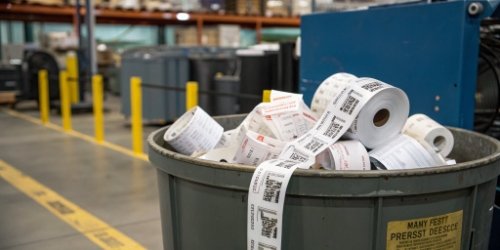
In my experience running a manufacturing business, controlling costs is always a top priority. When I see a company using pre-printed labels, I also see a lot of waste. They have to guess how many labels of each weight to order. Often, they guess wrong. This results in stacks of useless labels that have to be thrown away. It’s like throwing money directly into the trash. It also hurts your ability to react to the market.
Inflexibility in a Fast-Moving Market
What happens if you want to run a surprise weekend promotion? Or what if a new food regulation requires you to add more information to your label? With a stock of pre-printed labels, you are stuck. You either have to order new labels and wait, or you miss the opportunity. A print-on-demand solution from an integrated scale gives you total flexibility3. You can change the label content from a central computer in seconds and have it print out on the very next package.
This table shows a clear comparison of the drawbacks.
| Drawback | Pre-Printed Labels | Integrated Scale Printer Solution |
|---|---|---|
| Material Waste | High waste from unused and obsolete labels. | Near-zero waste. Print only what you need. |
| Flexibility | Very low. Hard to change price or data. | Very high. Change data instantly. |
| Labor Cost | High. Manual matching process is slow. | Low. Automated process is fast. |
| Brand Image | Can look unprofessional or inconsistent. | Professional, clear, and accurate labels every time. |
Why Might Pre-Printed Labels Pose a Risk in Environments with Fluctuating Weights?
Are you risking your business with old labels? In dynamic environments, pre-printed labels are a big problem. This can lead to rule breaking and lost profits. You can protect your operations.
The risk is from a basic mismatch. A static label system cannot correctly show a dynamic product feature like changing weight. This creates big business risks. These include legal problems, money loss from wrong pricing, and damage to your brand's reputation with customers.

At the end of the day, business is about managing risk. The choice of equipment on your production line can either increase your risk or reduce it. Using pre-printed labels for variable-weight items is a choice that adds unnecessary risk to every part of your operation. It affects your finances, your legal standing, and your relationship with your customers.
Financial and Legal Risks
As we have discussed, inaccurate labels directly lead to money loss through incorrect pricing. But the financial risk goes deeper. Think about a product recall4. If your labels and inventory data are wrong, it is much harder to trace and recall specific batches, which can increase the cost of a recall a lot. Legally, you are responsible for the information on your labels. Consistent errors can be seen as an intentional effort to mislead consumers, leading to serious legal trouble.
Mitigating Risk with Modern Technology
This is where we, as a technology partner5, can help. Our goal is to empower our clients to use technology to reduce risk and grow their business. An integrated weighing and printing system is a perfect example. It is a risk management6 tool.
- It ensures accurate data, which protects you from financial loss7.
- It ensures compliance, which protects you from legal trouble.
- It ensures a professional, reliable product, which protects your brand.
As a partner to software vendors, we provide hardware that you can trust. Our scales undergo full testing before they ship, and they come with a 12-month warranty. This is how you build a reliable, risk-free solution for your end customers.
Conclusion
Ditch risky pre-printed labels. Instead, use integrated printing scales for accuracy, efficiency, and compliance. This move helps your business grow and creates a win-win for everyone involved.
-
Understanding the drawbacks of pre-printed labels can help you make informed decisions for your business. ↩
-
Discover how IoT scales can revolutionize your production process with real-time data. ↩
-
Flexibility in production can lead to better responsiveness to market changes; learn why it matters. ↩
-
Knowing the recall process can save your business from significant losses and legal troubles. ↩
-
A reliable technology partner can provide solutions that enhance your operational efficiency. ↩
-
Implementing effective risk management strategies can safeguard your business from potential losses. ↩
-
Understanding the financial risks can motivate you to adopt better labeling solutions. ↩



Comments (0)