
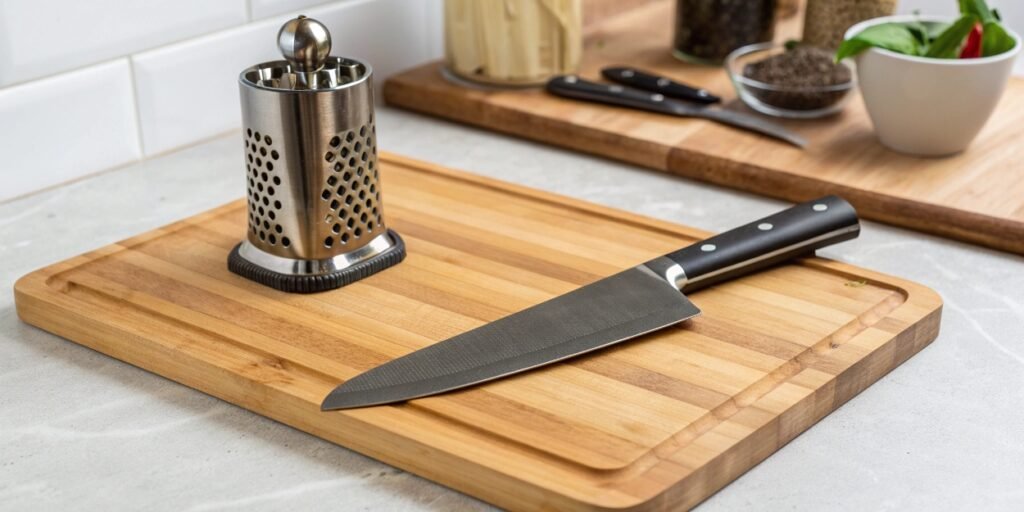
Tired of recipes failing for no reason? This inconsistency is frustrating, especially when you've followed every step. The secret to perfect results every time lies in precision measurement.
For me, the one indispensable kitchen gadget is a high-precision digital kitchen scale. It eliminates guesswork, ensuring consistent and repeatable results in everything from baking to meal prep. It's the foundation of culinary success, much like accurate data is for any technical project.
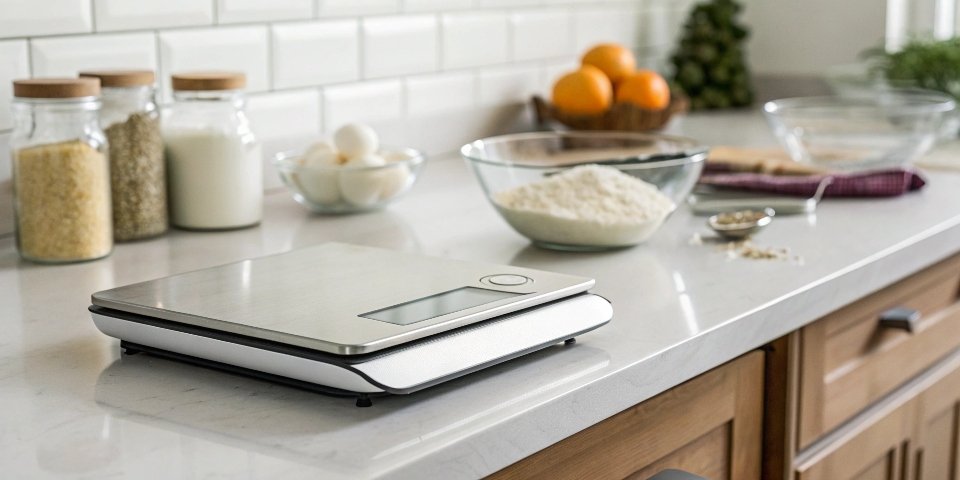
You might think a scale is just for serious bakers, but its value goes far beyond that. Let's look closer. The real power of a kitchen scale isn't just about weight; it's about control, consistency, and unlocking a new level of culinary expertise. It changes how you approach cooking.
Why does precision matter more than you think in the kitchen?
Relying on measuring cups seems easy, but it's surprisingly inaccurate. This leads to unpredictable outcomes in your cooking. Using a scale guarantees your ingredient ratios are always exactly right.
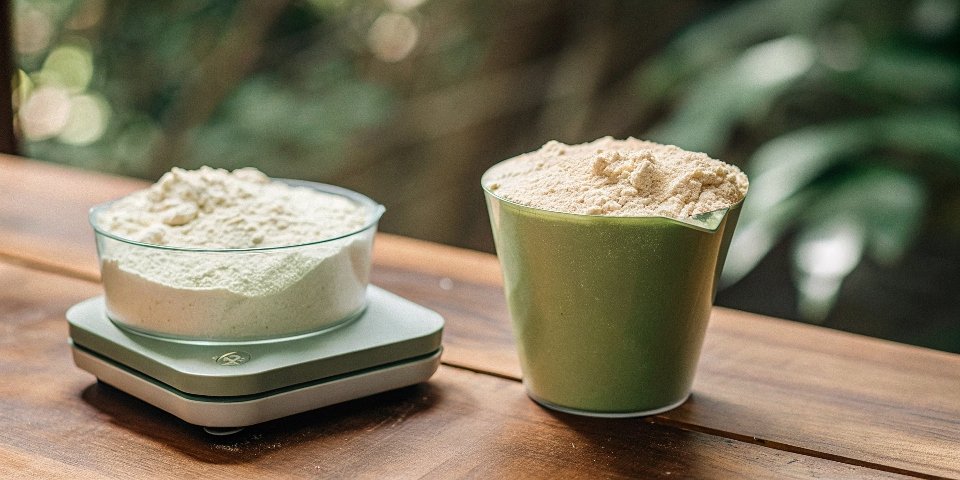
Precision matters because cooking, especially baking, is a form of chemistry. Inaccurate measurements by volume can vary by up to 20%. A scale ensures your ratios are perfect, giving you reliable, replicable results every single time, turning creative cooking into a predictable science.
In my 18 years in the industrial weighing industry, I've learned one universal truth: accuracy is not optional. This applies to a massive truck scale and to the small scale in your kitchen. Thinking in terms of weight, not volume, is a complete game-changer.
The Science of Baking
Baking is where precision is most critical. A cup of flour can weigh anywhere from 120 grams to 150 grams, depending on how you scoop it. That variance is the difference between a light, airy cake and a dense, heavy brick. When a recipe calls for specific ratios of flour, sugar, and leavening agents, it’s a chemical formula. A scale ensures you nail that formula every time. It takes the "luck" out of baking and replaces it with reliable science.
Beyond Baking
This principle extends to all cooking.
- Coffee: For the perfect cup of coffee, the ratio of coffee grounds to water is key. Weighing your beans ensures you get a consistent brew every single morning.
- Portion Control: If you are tracking nutrition, a scale is your best friend. "A handful of nuts" is subjective, but "30 grams of almonds" is an exact, trackable number.
This is no different from data integrity in software. Inaccurate input leads to faulty output. Garbage in, garbage out. A kitchen scale ensures you start with clean, accurate data.
| Measurement Method | Potential Variance | Consistency | Best For |
|---|---|---|---|
| Volume (Cups) | Up to 20% | Low | Liquids (water, milk) |
| Weight (Grams) | Less than 1% | High | Dry ingredients, baking |
Is a 'smart' kitchen scale really worth the investment?
A basic scale gets the job done, but it lacks advanced features. You are left manually tracking data, which is inefficient. A smart scale can integrate with apps, streamlining your entire process.
A smart scale is worth it if you value data integration and efficiency. By connecting to apps, it can automatically track nutritional information, adjust recipes, and log your intake. For tech-savvy users, it transforms a simple measurement tool into a powerful part of a connected kitchen ecosystem.
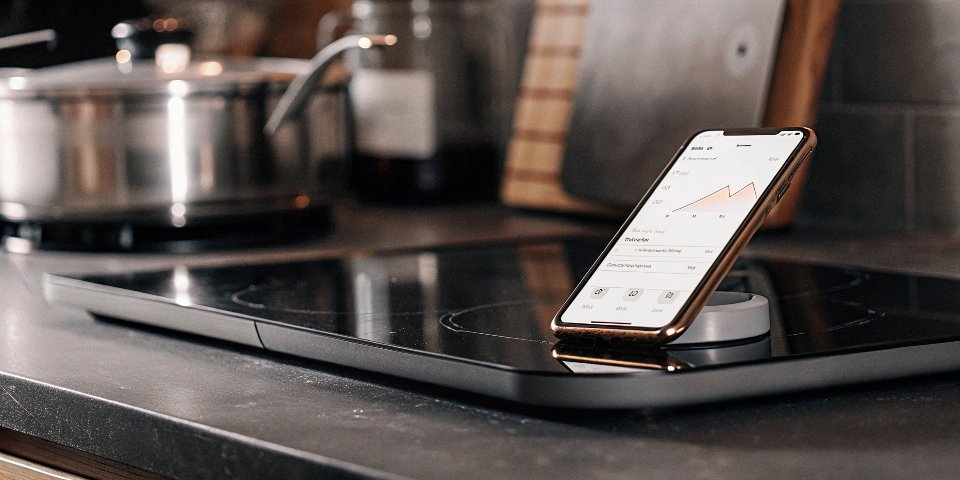
As someone who works with IoT weighing systems daily, I see the power of connected devices. We help businesses automate weighing processes, and the same logic applies in the kitchen. A smart scale isn't just a gadget; it's the hub for your kitchen data. It moves you from just measuring to managing.
What Defines a 'Smart' Scale?
A smart scale typically uses Bluetooth to connect to an application on your smartphone or tablet. This connection unlocks a new level of functionality. Instead of just displaying a number, it sends that data to an app that can process it in useful ways. It can pull up a recipe, and as you add each ingredient, it automatically tares to zero and prompts you for the next one. This reduces errors and speeds up your workflow significantly.
The Power of Integration
For a technical professional like a purchasing manager or CTO, think of the scale as a data input device with an open API. This is where it gets interesting. A smart scale can:
- Track pantry inventory for automated grocery lists1.
- Provide precise data for health and fitness apps.
- Help manage complex dietary needs2 with accurate nutritional logging.
Our R&D team works on these kinds of integrations for industrial clients. We build custom systems that feed weight data directly into a company's ERP. A smart kitchen scale3 does the same on a smaller scale, feeding data into your personal "life ERP."
| Feature | Basic Scale | Smart Scale |
|---|---|---|
| Measures Weight | Yes | Yes |
| Tare Function | Yes | Yes, often automatic |
| Unit Conversion | Manual | Manual & Automatic |
| Data Logging | No | Yes, via app |
| Nutritional Info | No | Yes, via database |
| Recipe Integration | No | Yes |
How can you tell if a kitchen scale is built to last?
Cheap scales often break or lose accuracy quickly. This not only wastes your money but also ruins your cooking. Knowing what to look for ensures you buy a reliable, long-lasting device.
Look for signs of quality: a sturdy build like stainless steel, a high weight capacity, good user reviews, and a solid warranty. A reliable scale uses high-quality sensors and undergoes rigorous testing, ensuring it remains accurate and functional for years, providing excellent long-term value.
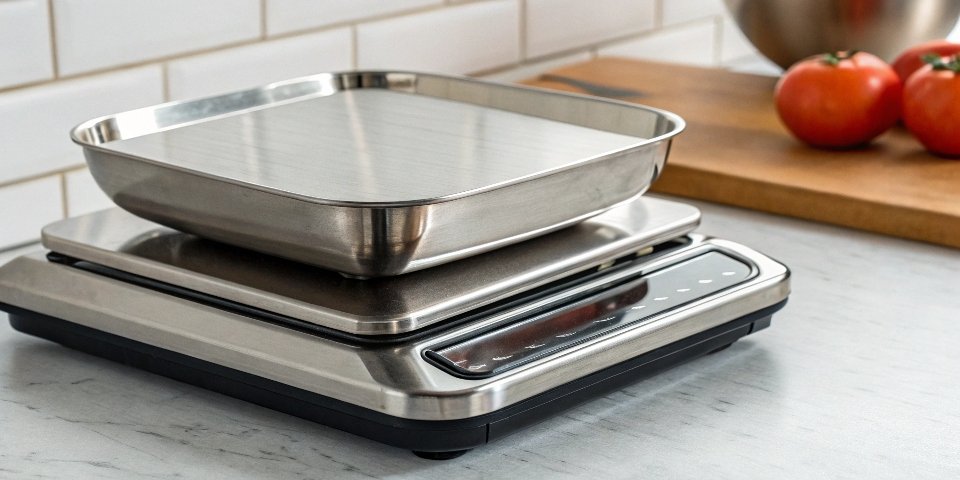
Quality assurance is at the heart of my work. Before any product leaves our facility, it undergoes a battery of tests for weight accuracy4, software stability, and durability. A scale that isn't reliable is useless, whether it's weighing a 50-ton truck or 5 grams of yeast. When you're choosing a scale, you should have the same high standards.
Material and Construction
The first thing you can judge is the physical build. A scale with a stainless steel platform5 is not just for looks. It's more durable, easier to clean, and less likely to stain or hold odors compared to plastic. Check the buttons and the display. Do they feel solid, or cheap and flimsy? A well-built scale should feel like a professional instrument, not a toy. Water resistance is also a huge plus in a kitchen environment.
Internal Components: The Core of Accuracy
What truly separates a great scale from a poor one is the quality of its internal load cell, or sensor. This is the component that actually measures the weight. High-quality sensors provide accurate readings quickly and maintain their calibration over time. Cheaper sensors can drift, giving you inconsistent readings from one day to the next. That's why certifications like CE matter—they indicate the product meets certain standards of quality and safety. We stand by our products with a 12-month warranty6 because we are confident in the quality we build.
| Indicator | What to Look For | Why It Matters |
|---|---|---|
| Platform Material | Stainless Steel | Durability, hygiene, and longevity. |
| Sensor Quality | Fast, repeatable readings | The heart of accuracy and reliability. |
| Warranty | At least 12 months | Shows the manufacturer's confidence. |
| User Reviews | Consistent positive feedback | Real-world proof of performance. |
Conclusion
A quality kitchen scale is more than a gadget; it’s a cornerstone for precision and reliability. It brings consistency to your kitchen and empowers your creativity with trusted data.
-
Explore how smart kitchen scales can simplify your grocery shopping with automation. ↩
-
Learn how a kitchen scale can help you accurately manage your dietary requirements. ↩
-
Uncover the essential features of smart kitchen scales that enhance your cooking experience. ↩
-
Understand the factors that influence weight accuracy and how to choose a reliable scale. ↩
-
Discover the advantages of a stainless steel platform for durability and hygiene in kitchen scales. ↩
-
Discover the significance of a warranty in ensuring the quality and reliability of kitchen scales. ↩



Comments (0)