
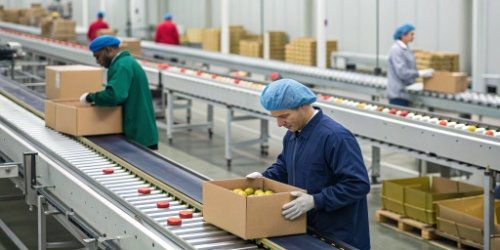
Manual labeling errors sneak into your budget and cause big problems. These small mistakes lead to expensive rework, shipping delays, and unhappy customers. Understanding the real cost is the first step.
The true cost of manual labeling errors goes far beyond reprinting a label. It includes wasted materials, labor hours for rework, shipping incorrect orders, potential fines from clients, and serious damage to your brand's reputation. It is a significant and often underestimated financial drain.

It's easy to look at a single misprinted label and think it's a minor issue. You just print a new one and move on, right? But I’ve learned from 19 years in this business that these "minor issues" add up quickly. When you start to follow the ripple effect of one small mistake, you uncover costs hiding in every corner of your operation. Let's break down exactly where your money is going when a label is wrong.
How Do Manual Labeling Errors Impact Production Costs?
Wrong labels bring your production line to a sudden stop. Your team has to halt their work, find the mistake, and fix it, wasting valuable time and momentum.
Manual labeling errors directly increase production costs through material waste, lost labor hours, and production line downtime. Each mistake forces you to stop the workflow, use more resources, and pay employees for non-productive tasks. This directly inflates the cost of every unit you produce.
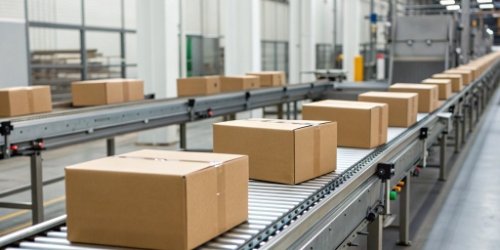
When we talk about production costs1, we're looking at the direct expenses needed to make your product. A simple labeling mistake attacks these costs from multiple angles. I once visited a small food packaging client who was manually weighing and labeling bags of coffee. They thought they were running a tight ship, but small errors were costing them hours every day. Let's look at the breakdown.
The Costs You See Immediately
The most obvious costs are the ones that happen right on the factory floor. They seem small individually, but they become a major expense when they happen repeatedly.
| Cost Type | Direct Impact | Real-World Example |
|---|---|---|
| Material Waste | Increased spending on consumables | You have to throw away labels, and sometimes the packaging too. |
| Labor Inefficiency | Higher wages for non-productive work | An employee spends an hour per day fixing errors instead of packing new orders. |
| Production Downtime | Lower overall daily output | Your main packaging line stops for 15 minutes to sort out a batch labeling issue. |
These costs are death by a thousand cuts. An extra label here, ten minutes of a worker's time there—it all ends up on your balance sheet, reducing your profit margin.
What Financial Losses Are Associated with Errors in Manual Labeling?
A wrong label sent to a customer can create a financial disaster. Think about penalties from retailers, the high cost of returns, and shipping replacement orders on your own dime.
Financial losses from labeling errors extend far beyond your factory walls. They include expensive reverse logistics for returned goods, major fines from retailers for non-compliance, lost sales from being out of stock, and the full cost of expediting correct orders to unhappy customers.
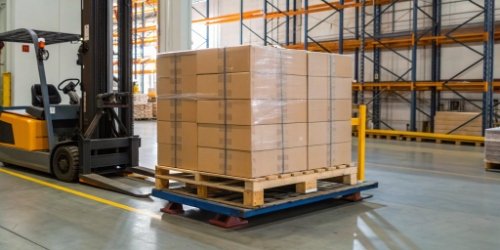
The costs don't stop once the product leaves your facility. In fact, that's often when the most significant financial damage occurs. We worked with an auto parts supplier who learned this the hard way. They shipped a pallet of parts with a single digit wrong on the label. Their automotive client, who relies on automated receiving, rejected the entire shipment and hit them with a massive non-compliance fine. It was a painful but valuable lesson about the importance of 100% accuracy.
The Post-Production Financial Hit
These are the costs that show up after the fact, and they can erase the profit from an entire job.
-
Returns and Reverse Logistics: When a customer receives the wrong item, you have to pay to get it back. This involves shipping costs, labor to inspect and restock the item, and sometimes, the complete loss of the product if it's disposed of. This process can cost double the initial shipping fee.
-
Retailer Compliance Fines: Large retailers have incredibly strict rules for their suppliers' labeling. A mistake on a barcode, expiration date, or lot number can trigger automatic chargebacks. These aren't small penalties; they can be hundreds or even thousands of dollars per incident.
-
Lost Revenue and Replacement Costs: If you ship the wrong product, the customer still needs the right one. Now you have to pay to ship a second order, often with expedited shipping to fix your mistake. Meanwhile, the incorrect shipment might have caused a stockout for another customer, leading to lost sales2.
How Can Manual Labeling Mistakes Affect Overall Efficiency in Production?
Labeling errors don't just cost you money; they slow everything down. Constant interruptions to fix mistakes break your workflow and ruin your team's momentum and focus.
Labeling mistakes destroy efficiency by breaking the production rhythm. They cause frequent stops, create bottlenecks that slow down other departments, and force managers to spend all their time firefighting instead of improving processes. This constant stop-and-start workflow prevents your operation from ever reaching its potential.
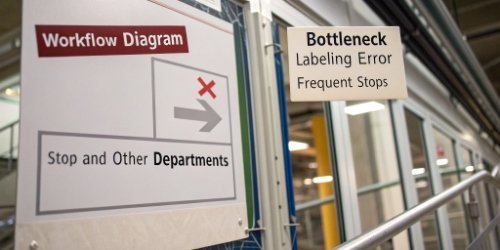
A truly efficient production line works like a well-rehearsed orchestra. Every section knows its part and the timing is perfect. A manual labeling error is like a musician playing the wrong note loudly, forcing everyone to stop and figure out what went wrong. It kills the rhythm and makes it hard to get back on track. This disruption is a massive drain on efficiency.
The Drag on Your Operations
Efficiency is about getting more done with the same resources. Errors do the exact opposite.
-
Disrupted Workflow and Bottlenecks: A production line is a chain of dependent steps. When the labeling station stops to fix an error, the packaging team downstream runs out of products to pack. The palletizing team has nothing to stack. One small stop creates a ripple effect of inactivity and inefficiency down the entire line.
-
Wasted Managerial Time: Your managers are your most expensive operational resource. Their time should be spent on strategic tasks like training, process improvement, and planning for growth. When they have to constantly intervene to solve basic labeling mistakes, their valuable expertise is wasted on low-level problem-solving.
-
Negative Impact on Employee Morale: Nobody enjoys doing rework. It's frustrating and feels like a waste of time. When employees have to constantly fix mistakes, it can lead to burnout and a feeling that their effort isn't valued. A frustrated team is never an efficient team.
What Are the Hidden Costs of Labeling Mistakes in Manufacturing Processes?
Some of the worst costs of bad labels never appear on a balance sheet. Lost customer trust and a damaged brand reputation can silently destroy your business from the outside in.
The most dangerous hidden costs are the intangible ones. They include damage to your brand's reputation when you ship the wrong items, the loss of customer trust and future business, and lower employee morale. These costs don't have a clear price tag but can cripple your company's growth.

Over my years in this industry, I have seen that the most successful companies are obsessed with protecting their reputation. They know that trust is their most valuable asset. A labeling error might seem like a simple operational mistake, but to your customer, it feels like carelessness and a lack of respect for their business. This is where the real, long-term damage happens.
Finding a Practical Solution
Many of our partners are small and medium-sized businesses. They know full automation3 is the dream, but the cost is just too high. They feel stuck, forced to accept manual errors as a cost of doing business. We saw this problem again and again.
This is why we developed our line of printing label scales4. We wanted to create a solution that gives businesses a huge leap in accuracy without the massive investment of a fully automated system. By integrating the weighing and label printing process into a single, simple step, we eliminate the chance for an employee to manually enter the wrong weight or product information. We've seen our partners reduce these critical manual errors by over 70%. It offers them the reliability they need to protect their brand and grow their business.
Conclusion
Manual labeling errors are more than a small hassle. They create direct financial losses, kill operational efficiency, and damage your brand. Reducing them is essential to protecting your bottom line.
-
Learn about the hidden ways labeling mistakes inflate production costs and affect profitability. ↩
-
Discover how mistakes in labeling can result in lost sales opportunities and revenue. ↩
-
Learn how automation can help minimize labeling errors and improve operational efficiency. ↩
-
Explore the benefits of using printing label scales to enhance accuracy in labeling processes. ↩



Comments (0)