
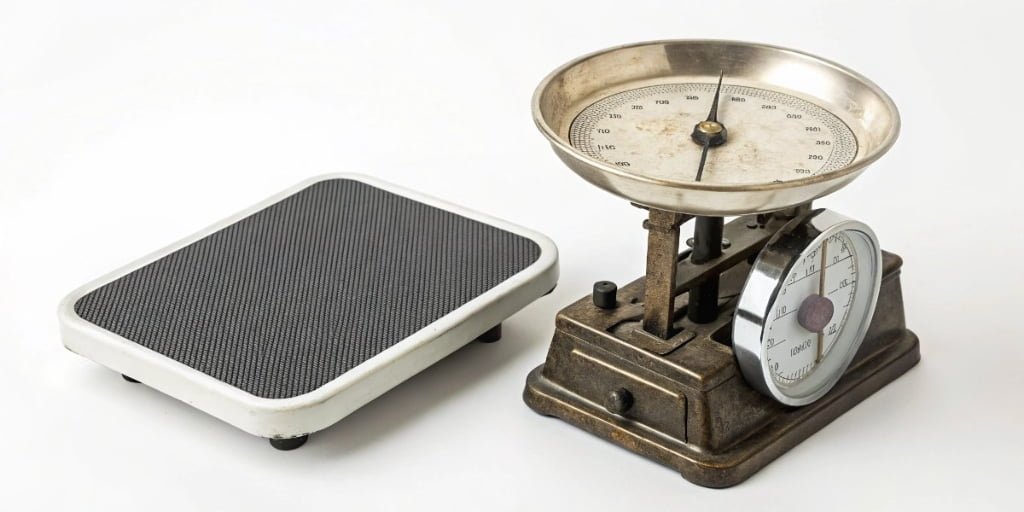
Choosing the right scale feels overwhelming. Picking the wrong one means constant repairs and inaccurate weights, hurting your business. Let's end the confusion for good.
Modern industrial digital scales are more durable than traditional mechanical scales. Designed with robust materials and advanced electronics, they withstand harsh industrial environments, providing greater accuracy and a longer operational life. They are built for today's tough jobs.
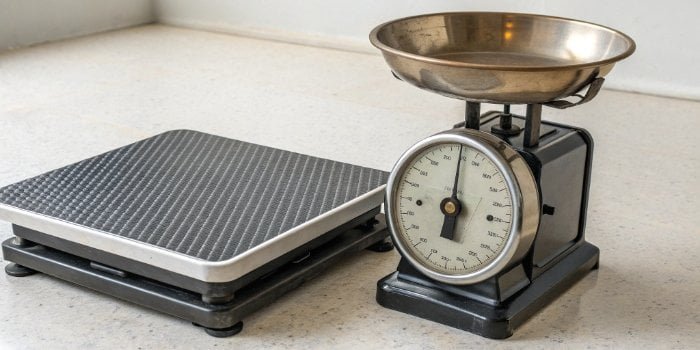
You might remember the old, heavy mechanical scales1 and think they are unbreakable. But technology has changed a lot. Let’s dive deeper and see how modern digital scales have not only caught up but surpassed them in almost every way.
Is a mechanical scale better than a digital one?
Sticking with old mechanical scales feels safe. But this loyalty to the past could be costing you accuracy and efficiency, holding your operations back.
For most modern industrial applications, digital scales are significantly better. They offer superior precision, data connectivity for smart systems, and customized durability for specific harsh conditions, far outperforming their mechanical counterparts in functionality and resilience.
The idea that "simpler is better" often favors mechanical scales in people's minds. But when we look closely, the story is different. The performance of a scale is not just about moving parts. It's about getting the right weight, every time, under your specific working conditions. Let's compare them directly.
Key Performance Comparison
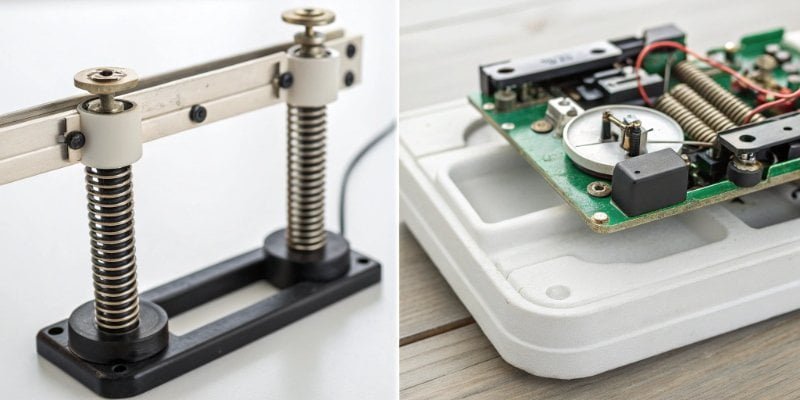
The real difference becomes clear when you see them side-by-side. As a manufacturer with 18 years of experience, we've seen countless businesses make the switch. They find that the protected load cells2 and sealed indicators on our digital scales handle dust, moisture, and vibrations far better than the exposed gears and springs of a mechanical scale ever could.
| Feature | Mechanical Scale | Modern Industrial Digital Scale |
|---|---|---|
| Accuracy | Degrades over time as springs wear out. | High precision, consistent over time. |
| Features | Weighing only. | Tare, parts counting, data output, IoT integration. |
| Durability | Prone to dust/moisture damaging internal levers/springs. | Sealed components, often with high IP ratings3 for dust and water resistance. |
| Readability | Subject to human error (parallax effect). | Clear, exact digital display. |
A mechanical scale looks tough, but its accuracy is fragile. A modern digital scale may look sleek, but it’s built like a tank from the inside out.
How long do digital scales last?
You worry a new digital scale will be a short-term investment. This fear of electronic failure can keep you stuck with outdated, less efficient equipment.
A high-quality industrial digital scale can easily last 10 to 15 years, or even longer with proper care. The lifespan is directly tied to its build quality, usage environment, and regular maintenance, not some predetermined electronic expiration date.
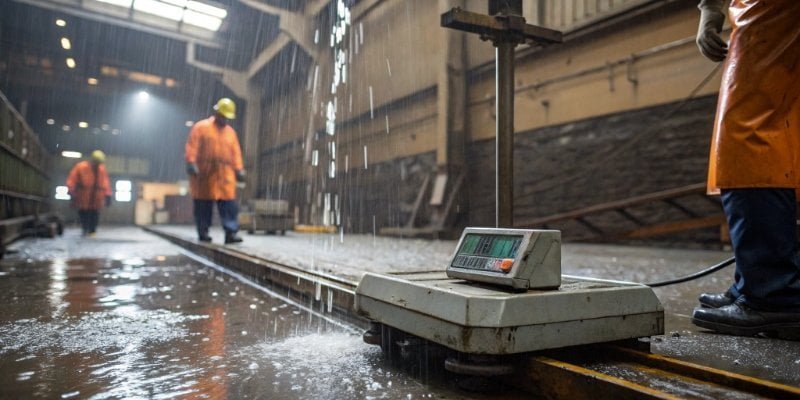
The lifespan of a digital scale isn't a mystery; it's a result of engineering and usage. An industrial scale is a piece of precision equipment built for endurance. Several key factors determine how long it will serve your business. I remember a client in the seafood industry whose first digital scale from a cheap brand failed in six months due to water damage. The stainless steel, IP68-rated scale we provided them is still working perfectly five years later.
Factors Affecting Digital Scale Lifespan
- Build Quality: The materials are critical. A scale with a stainless steel platform and a high-quality, environmentally sealed load cell will always outlast a plastic one with unprotected components.
- Operating Environment: A scale used in a clean, dry warehouse will last far longer than one on a dusty factory floor or in a wet processing plant. This is where IP (Ingress Protection) ratings become crucial.
- Maintenance: Just like any professional tool, regular calibration and cleaning prevent small issues from becoming big, expensive problems.
| Quality & Environment | Estimated Lifespan |
|---|---|
| High-Quality Build / Mild Environment | 15+ years |
| High-Quality Build / Harsh Environment | 8-12 years |
| Low-Quality Build / Mild Environment | 3-5 years |
| Low-Quality Build / Harsh Environment | 1-2 years |
Are manual or digital scales more reliable?
You need a scale you can trust every single day. Inconsistent weights from an unreliable scale can disrupt your entire production line and lead to costly errors.
Digital scales are fundamentally more reliable for consistent, repeatable measurements in a professional setting. They remove the human error of reading a dial, and their electronic components are less susceptible to the gradual wear and tear that affects the accuracy of manual scales.

Reliability in weighing means getting the same result for the same weight, over and over. While mechanical (manual) scales seem reliable due to their simplicity, their design has inherent flaws that digital scales have solved. The biggest issue with a manual scale is that its core components—springs and levers—physically wear out. A spring stretches over time, so 10 kg today might read as 10.1 kg next year. This is a silent error that can cost you dearly. Digital scales use load cells, which are electronic components that measure resistance. They don't stretch or wear in the same way, providing stable readings for years.
Reliability Breakdown: Manual vs. Digital
| Aspect of Reliability | Manual (Mechanical) Scale | Digital Scale |
|---|---|---|
| Reading Consistency | Varies by user due to parallax error (viewing the dial from an angle). | Provides an exact, unambiguous number every time. |
| Long-Term Accuracy | Degrades as springs and levers wear. Requires frequent recalibration. | Highly stable. Maintains accuracy with less frequent calibration. |
| Error Detection | No built-in checks. Overloads can cause permanent damage without warning. | Often includes self-diagnostic functions4 for overload, low battery, or sensor errors. |
This means a digital scale is not just reliable on day one, but it is engineered to remain reliable throughout its entire service life.
What are the disadvantages of digital weighing scales?
Thinking digital scales are flawless is a mistake. Overlooking their potential weaknesses can lead to downtime and unexpected costs when you least expect them.
The primary disadvantages of digital scales are their need for a power source and their potential sensitivity to electrical interference. However, quality industrial models are engineered with battery backups and shielded electronics to overcome these exact issues.
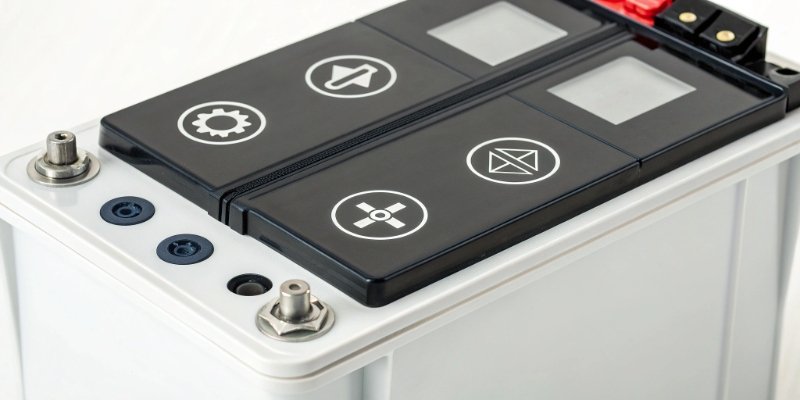
As a manufacturer, it’s important for us to be honest about the potential downsides. While we believe digital is superior, you need to know what to watch for. The most obvious disadvantage is their reliance on power. Also, some people fear that complex electronics are fragile. A power surge or extreme static discharge could potentially damage a poorly made scale. But these are problems we've worked on for years.
Common Disadvantages and Modern Solutions
We have spent years engineering solutions for these very problems. It's why choosing an experienced manufacturer is so important.
| Disadvantage | Common Concern | Our Engineering Solution |
|---|---|---|
| Power Dependence | "What if the power goes out?" | We build our scales with long-life rechargeable batteries, ensuring hours or even days of continuous operation. |
| Electronic Failure | "Are the electronics fragile?" | We use high-quality, shielded components and robust power management to protect against electrical noise and surges. |
| Initial Cost | "They seem to cost more upfront." | The Total Cost of Ownership5 (TCO) is lower. Higher accuracy, reduced product giveaway, and data integration lead to savings that far outweigh the initial investment. |
So while these disadvantages are real, they are problems that good engineering has already solved. Choosing a well-designed product from a reliable manufacturer helps you avoid these issues entirely.
Conclusion
In today's industry, modern digital scales are more durable, reliable, and accurate. They are the clear choice for businesses looking for performance and long-term value.
-
Discover the relevance of mechanical scales in today's industry and how they compare to digital alternatives. ↩
-
Learn about load cells, their function in digital scales, and why they are crucial for accurate measurements. ↩
-
Explore the significance of high IP ratings in ensuring the durability of industrial equipment against environmental factors. ↩
-
Learn about self-diagnostic functions in digital scales and how they enhance reliability and performance. ↩
-
Understand the concept of Total Cost of Ownership and how it applies to industrial equipment investments. ↩


Comments (0)