
Struggling with the digital versus manual scale debate? An inaccurate reading can cause major production headaches. Understanding the core technology will help you make the most reliable choice.
For most applications, digital scales are significantly more accurate than manual scales. They use advanced electronic sensors for precise measurements, a stark contrast to manual scales' mechanical parts which are more prone to errors and wear over time, affecting reliability.
That simple answer might be enough for some, but if you're a purchasing manager or technical director like many of my clients, you know the devil is in the details. The "why" behind the accuracy difference1 is critical for making a smart investment. It's not just about the number on the screen; it's about consistency, durability, and how the scale performs in your specific industrial environment2. Over my 18 years in this industry, I've seen firsthand how choosing the right technology can revolutionize an operation. Let's dive deeper into the mechanics to see which one truly meets your needs.
Are digital scales more accurate than manual scales?
Making a big purchase decision on a scale? Sticking with older manual models might be quietly costing you in precision and efficiency. Let’s look at the hard facts.
Yes, digital scales consistently deliver higher accuracy. Their electronic load cells provide precise, repeatable measurements, free from the mechanical friction and user-reading errors common with manual scales. This ensures your data is reliable every single time.

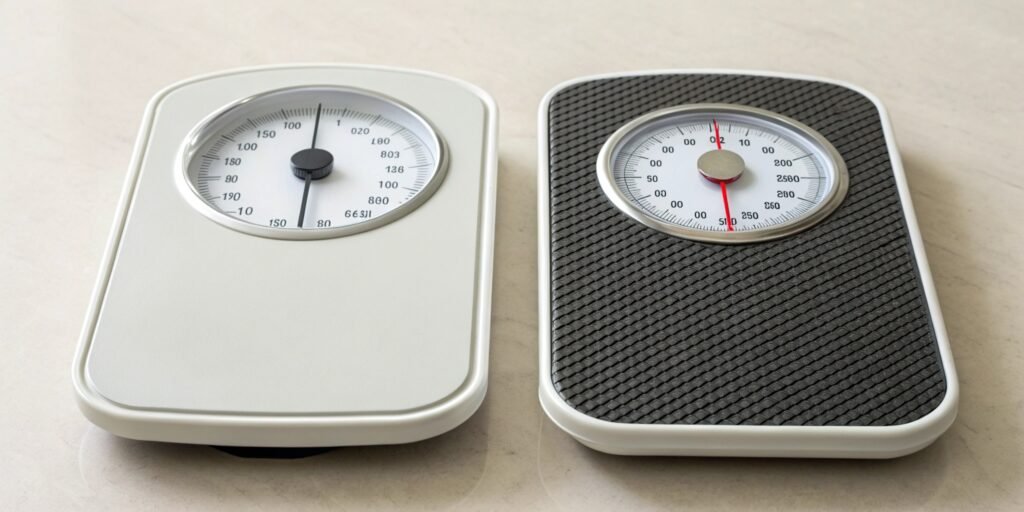
At our company, Weigherps, we focus on the core technology that drives this accuracy. The difference boils down to the working principle. A manual scale is a classic machine, relying on springs and levers. As force is applied, these components move, and a pointer indicates the weight. It's a durable system, but over time, those moving parts can wear out, stretch, or get misaligned, leading to inaccurate readings.
Digital scales, on the other hand, operate on a different level.
How They Work
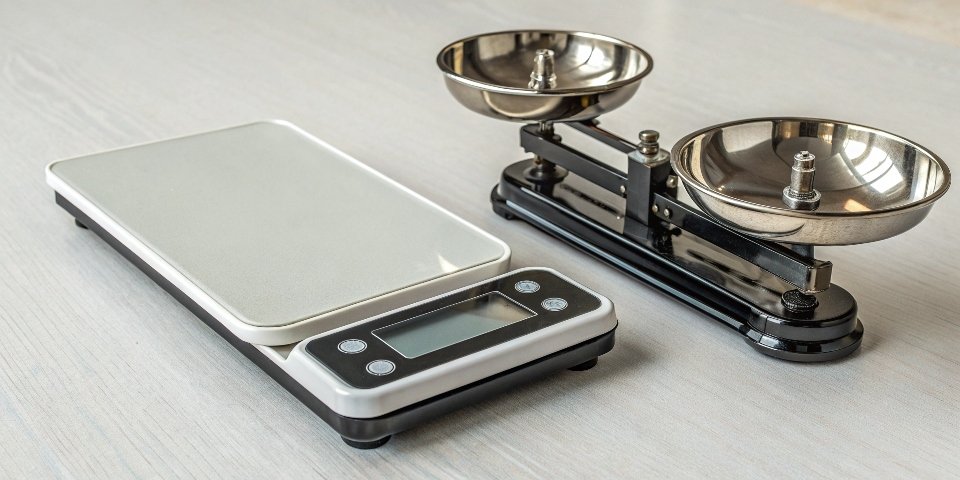
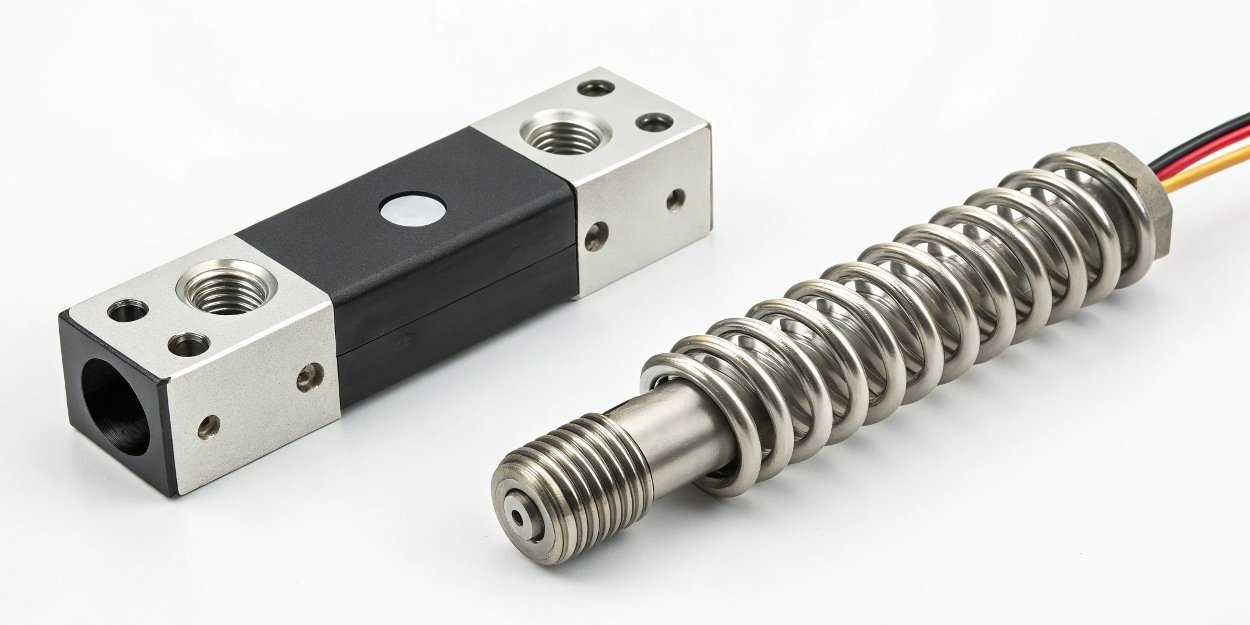
- Digital Scales: Use a component called a load cell3. This is a transducer that converts the force of the weight into an electrical signal. This signal is then processed and displayed as a clear, exact number. Because there are fewer moving parts and the conversion is electronic, the potential for error is dramatically reduced.
- Manual Scales: Rely on the principle of a spring deforming under load (spring scales) or balancing a known mass against an unknown one (balance scales). The accuracy is limited by the quality of the mechanics and the operator's ability to read the dial or balance the beam perfectly.
This fundamental difference is why sectors requiring high precision, like pharmaceuticals or chemical processing, exclusively use digital technology.
Why am I heavier on digital scales?
Ever stepped on a digital scale after using a manual one and been surprised by the number? This can feel confusing and make you question the new technology's reliability.
You might seem heavier on a digital scale because it's providing a more accurate, precise measurement. An older manual scale may have worn springs or slight inaccuracies that show a lower weight, while the digital scale gives you the true, unvarnished number.

This phenomenon isn't about the digital scale adding weight; it's about the manual scale losing accuracy. Over my years of manufacturing, I've seen countless old scales that have drifted from their original calibration.
Factors Causing the Discrepancy
There are a few key reasons why a trusted old manual scale might be showing a lower number:
- Mechanical Wear: The springs in a manual scale lose their elasticity over time. This is a natural process. As the spring weakens, it requires less force to stretch or compress, which translates to a lower weight reading on the dial.
- Zero Point Drift: Manual scales need to be "zeroed out" before each use. If the starting point isn't precisely at zero, every measurement will be off by that much. It's easy for this to be slightly off, leading to consistently lower (or higher) readings.
- Parallax Error: This is an issue of perspective. On a dial scale, reading the needle from a slight angle can make it appear to point to a different number. A digital display eliminates this ambiguity entirely.
A new, properly calibrated digital scale simply removes these variables. It gives you the precise data, which might be a change from what you're used to, but it's a more trustworthy number for making important decisions.
Which type of scale is most accurate?
When your business processes depend on exact figures, there's no room for "good enough." You need to know which technology offers the ultimate in accuracy for your investment.
The most accurate type of scale is an analytical or microbalance digital scale, which can measure to an extremely high resolution. For general industrial use, high-precision digital platform scales using advanced load cells offer the best accuracy and reliability.
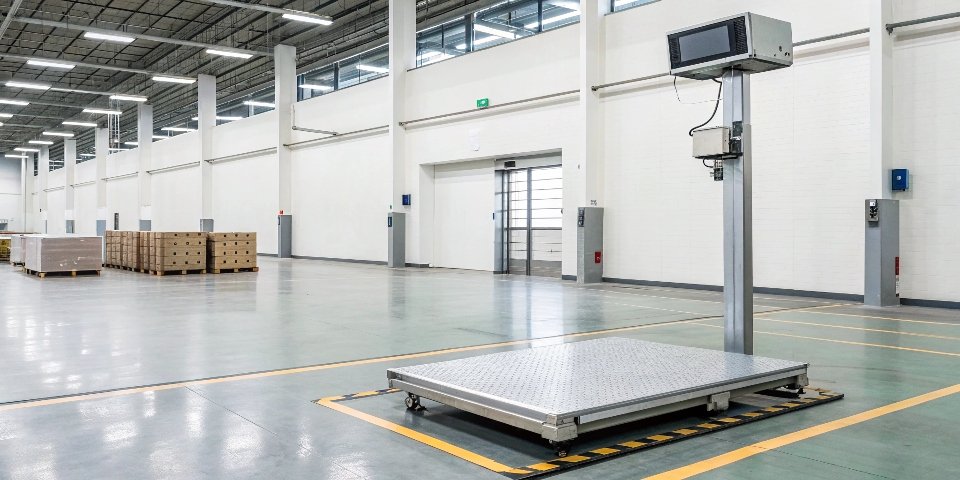
When clients come to us for a weighing solution, their first question is often about accuracy. While digital is the general answer, not all digital scales are created equal. The accuracy is determined by the quality of its internal components and its intended application. For example, the scales we build for a laboratory have a much higher resolution than those designed for weighing pallets in a warehouse.
The key is matching the scale's capability to the job's requirements. Here’s a breakdown of different types, ranked by precision:
| Scale Type | Typical Application | Accuracy / Resolution |
|---|---|---|
| Analytical Balance | Scientific Laboratories, Pharmaceutical R&D | 0.0001g or better |
| Precision Balance | Quality Control, Jewelry, Compounding | 0.01g to 0.001g |
| Industrial Bench Scale | Parts Counting, Food Processing, Shipping | 1g to 10g |
| Platform / Floor Scale | Warehousing, Logistics, Bulk Material | 0.1kg to 0.5kg |
| Mechanical Scale | General Home Use, Basic Field Weighing | 0.5kg to 1kg |
As you can see, the term "digital scale" covers a wide range of devices. As a manufacturer, our job at Weigherps is to provide targeted and cost-effective solutions. We work with clients to understand their exact needs—whether it's for IoT integration4, high-volume production, or custom automation—and supply a scale with the perfect level of accuracy, ensuring they don't overpay for precision they don't need or under-equip their team for the task at hand.
Which is more accurate, a mechanical or a digital weighing scale?
You're ready to make a purchase, but the final choice between classic mechanical durability and modern digital precision still lingers. How do you weigh the pros and cons directly?
A digital weighing scale is definitively more accurate than a mechanical one. It minimizes environmental interference and eliminates user error, providing consistent and trustworthy data for any professional application.
The final decision often comes down to a clear, head-to-head comparison. Having spent nearly two decades in the manufacturing side of this business, I always advise clients to look at the total picture: initial accuracy, long-term reliability, and maintenance needs5. A mechanical scale might seem robust, but its accuracy is fragile. The precision-engineered electronics in a digital scale are built for stability.
Let's break it down into the core factors a purchasing manager needs to consider:
A Direct Comparison
| Feature | Digital Weighing Scale | Mechanical Weighing Scale |
|---|---|---|
| Accuracy | High (often < 0.1% error) | Lower (0.25% - 0.5% error) |
| Principle | Electronic Load Cell Sensor | Levers, Springs, Balance Beams |
| Durability | Excellent with quality components | Robust mechanical frame, but springs wear out |
| Environmental Impact | Less affected by temperature/humidity | Prone to inaccuracies from environmental shifts |
| Maintenance | Low; often features auto-calibration | High; requires regular manual calibration & service |
| Best For | Labs, industry, commercial use | Budget-limited or low-precision needs |
At Weigherps, all our products undergo comprehensive testing for weight, battery, and software performance before they ever leave our facility. We provide this quality assurance because we know that for our clients—brands, wholesalers, and software vendors—accuracy isn’t just a feature; it’s the foundation of their business. Choosing digital is choosing reliability.
Conclusion
In the contest between digital and manual scales, digital technology is the clear winner for accuracy, reliability, and long-term performance, making it the superior choice for any serious application.
-
Understanding the factors affecting accuracy can guide your scale selection process. ↩
-
Explore the suitability of digital scales for various industrial applications. ↩
-
Gain insights into the technology behind digital scales and how load cells improve accuracy. ↩
-
Explore the impact of IoT on weighing technology and its benefits for businesses. ↩
-
Understanding maintenance requirements can help you choose a scale that fits your operational needs. ↩



Comments (0)