
Choosing the wrong industrial scale is a costly mistake. It leads to inaccurate measurements and production delays. This guide will help you select the perfect scale for your business needs.
To buy the right industrial scale, first assess your specific needs. Consider the type of material, required accuracy, work environment, and necessary features like data connectivity. This initial analysis ensures you invest in a tool that boosts efficiency rather than hindering it.
Making the right choice for an industrial scale1 can feel overwhelming. With so many options available, it’s easy to get lost in technical specifications. I’ve been in the weighing industry for over 18 years, and I've helped countless businesses, from small workshops to large factories, find the right equipment. The key is to break down the decision into manageable steps. This article will walk you through exactly how to do that, ensuring you find a scale that not only works but also provides a great return on investment. Let's get started.
What are the key factors to consider before buying an industrial weighing scale?
You worry that a new scale won't perform in your tough environment. A bad choice could break down, causing expensive downtime. Focus on build quality, environment protection, and support.
Key factors include capacity, accuracy, the operational environment (wet, dusty, hazardous), and necessary features like data output. Also, consider long-term reliability and after-sales support. This ensures you get a good return on your investment and avoid future headaches.
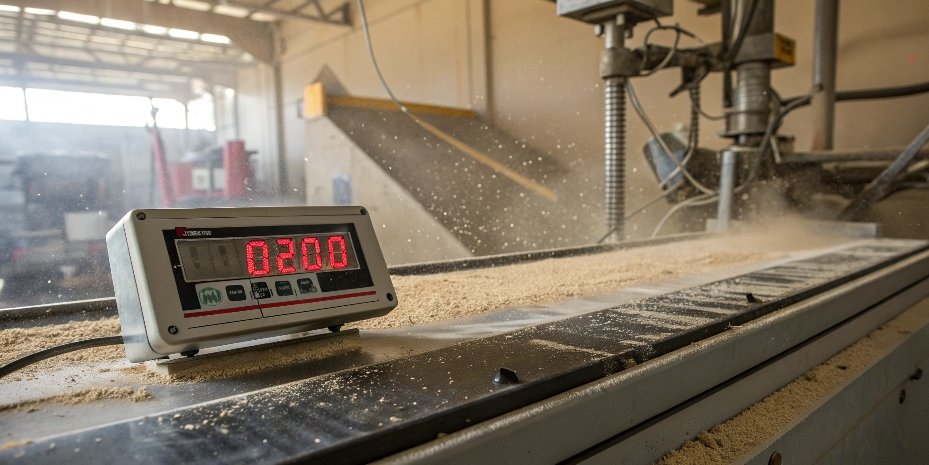
When you're looking for a new industrial scale, it's about more than just how much weight it can handle. You need to think about the complete picture. I remember a client in the food processing industry who bought a standard scale to save money. Within a few months, it started giving inconsistent readings. The problem wasn't the scale's quality; it was that it wasn't designed for daily high-pressure washdowns. The moisture got into the electronics. They had to buy a new, stainless steel, IP67-rated scale, which is what we recommended in the first place. This experience taught them a valuable lesson: the environment is just as important as the specifications.
Your Operating Environment
Where will the scale be used? Is it a clean laboratory or a dusty warehouse? Will it be exposed to water or corrosive chemicals? The environment dictates the material and protection level you need.
- Dry and Clean: Standard carbon steel scales are often sufficient.
- Wet or Humid: Look for stainless steel construction and a high IP rating (like IP65 or IP67) to protect against water damage.
- Hazardous Areas: If you work with flammable materials, you must use an explosion-proof (EX) scale to prevent sparks.
Required Features and Connectivity
Modern production lines need data. Does your scale need to connect to a printer, a computer, or your company's management system?
- Data Output: Interfaces like RS-232, USB, or Ethernet are essential for data logging and process automation.
- Special Functions: Do you need part counting, checkweighing (to check if a package is within a weight range), or dynamic weighing (for moving objects)?
Thinking about these factors beforehand will save you time and money.
| Factor | What to Ask Yourself | Why It Matters |
|---|---|---|
| Environment | Is the area wet, dusty, or hazardous? | Affects the scale's lifespan and safety. Wrong choice leads to damage. |
| Connectivity | Do I need to send weight data to other devices? | Crucial for quality control, inventory management, and automation. |
| Special Functions | Do I need to count parts or check package weights? | Specialized functions improve efficiency for specific tasks. |
| After-Sales Support | What happens if the scale needs calibration or repair? | Good support minimizes downtime and protects your investment. |
What are the different types of industrial scales and their main applications?
You need a scale but don't know where to start. There are so many types: bench, platform, counting. Choosing the wrong one can slow down your entire workflow completely.
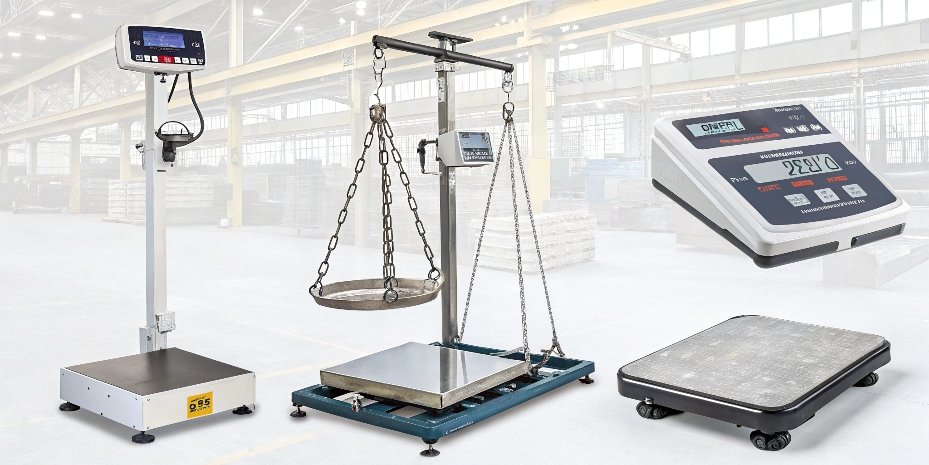
Industrial scales include bench scales for small items, platform scales for pallets, and counting scales for parts. Others, like floor scales and explosion-proof scales, serve heavy-duty or specialized hazardous environments. Each is designed for a specific task in your business.

The type of scale you need depends entirely on what you are weighing. It's like choosing a vehicle; you wouldn't use a sports car to haul construction materials. The same logic applies here. The main distinction between scales is their size, capacity2, and intended use. As a manufacturer, we produce a wide range of scales because we know that a one-size-fits-all approach doesn't work in the industrial world. Let's break down the most common types to help you identify which one fits your operation.
Based on How They Work
Scales can be categorized by their internal technology. The vast majority of modern scales are electronic because they offer superior accuracy3 and features.
- Electronic Scales: These use a load cell to measure weight and display it digitally. They are highly accurate and can offer features like counting, data storage, and connectivity. They are perfect for labs, food processing, and logistics.
- Mechanical Scales: These are less common now. They use a system of levers and springs. They don't require power, which makes them useful in remote locations or where electricity is unreliable. However, their accuracy is lower.
- Hydraulic Scales: These are built for extremely heavy loads, like trucks or large containers. They use a hydraulic fluid system to measure weight. They are incredibly durable but less precise than electronic scales4.
Based on Their Use Case
This is the most practical way to choose a scale.
- Bench Scales: Small, compact scales that sit on a workbench. They are ideal for weighing small parts, ingredients in food production, or packages for shipping. Capacities typically range up to around 300 kg.
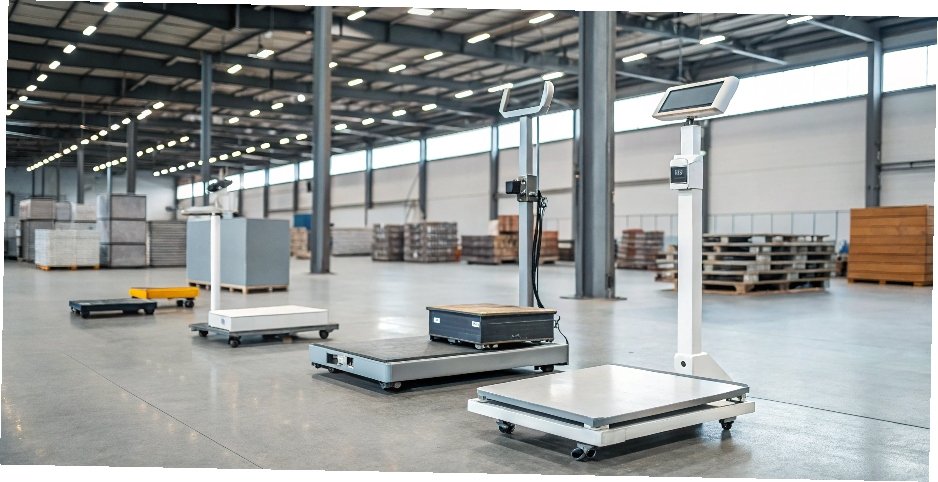
- Platform and Floor Scales: These are larger scales with a flat platform on the floor. They are used for weighing pallets, drums, carts, and other heavy items. They are a workhorse in warehouses and manufacturing plants. We often build these with ramps for easy access.
- Counting Scales: These specialized scales can determine the quantity of identical items based on a sample weight. They are a huge time-saver for inventory management, especially for businesses dealing with small parts like screws, bolts, or electronic components.
How do you determine the required capacity and accuracy for an industrial scale?
You're unsure what capacity or accuracy you need. Buying a scale that's too small is useless, but one that's too big and precise is a waste of money. Finding the balance is key.
Determine capacity by finding the heaviest item you'll weigh and adding a 20% safety margin. For accuracy, identify the smallest weight increment you need to reliably measure. This ensures your scale is both capable and cost-effective for your specific tasks.
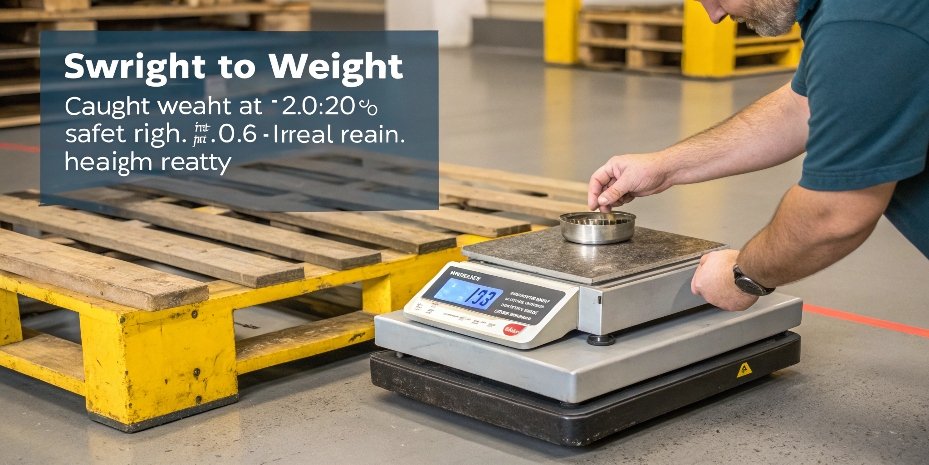
Capacity and accuracy are the two most fundamental specifications of any scale. They often work in opposition; scales with very high capacity tend to have lower accuracy, and vice versa. The secret is to find the sweet spot for your application. Don’t pay for a level of precision you don’t need. A client once insisted on a scale with 0.1g accuracy for weighing 50 kg bags of sand. I explained that a scale with 10g accuracy was more than sufficient and much more affordable and durable for that task. They were grateful for the advice. Let’s look at how you can determine your exact needs.
Calculating Your Required Capacity
Capacity is the maximum weight the scale can measure.
- Identify the Heaviest Load: What is the absolute heaviest item or batch you will ever need to weigh? Don't guess. If you weigh pallets, find the weight of your heaviest possible pallet.
- Add a Safety Margin: Once you have that number, add about 20-25% to it. This safety margin5 accounts for any unexpected heavier loads and ensures you are not constantly pushing the scale to its limit, which can reduce its lifespan. For example, if your heaviest pallet is 800 kg, you should look for a scale with at least a 1000 kg (1 ton) capacity.
Understanding and Choosing Accuracy
Accuracy, often called readability or division, is the smallest increment of weight the scale can display.
- Identify the Lightest Load: What is the lightest item you need to measure accurately?
- Determine Required Precision: What is the smallest weight change you need to detect? For example, in a chemical lab, you might need to measure in increments of 0.01g. In a warehouse shipping large boxes, increments of 0.1 kg (100g) might be perfectly fine.
Here’s a simple table to guide you:
| Industry | Example Task | Typical Required Accuracy |
|---|---|---|
| Pharmaceutical/Lab | Measuring chemical compounds | 0.001g - 0.1g |
| Food Processing | Portioning ingredients | 1g - 10g |
| Manufacturing | Counting small parts | 0.1g - 5g |
| Logistics/Warehouse | Weighing pallets for shipping | 0.1kg - 0.5kg |
| Heavy Industry | Weighing raw materials like steel | 1kg - 10kg |
By carefully defining your capacity and accuracy needs, you can narrow down your options significantly and make a much more informed decision.
Conclusion
Choosing the right industrial scale means matching its capacity, accuracy, and features to your specific work environment and tasks. This ensures efficiency, reliability, and a great return on your investment.
-
Explore this link to find expert recommendations tailored to your specific industrial needs. ↩
-
Get insights on calculating the right capacity to meet your operational needs. ↩
-
Explore the key elements that influence scale accuracy and how to choose wisely. ↩
-
Learn why electronic scales are preferred for their accuracy and features. ↩
-
Get practical tips on ensuring your scale can handle unexpected loads. ↩



Comments (0)