
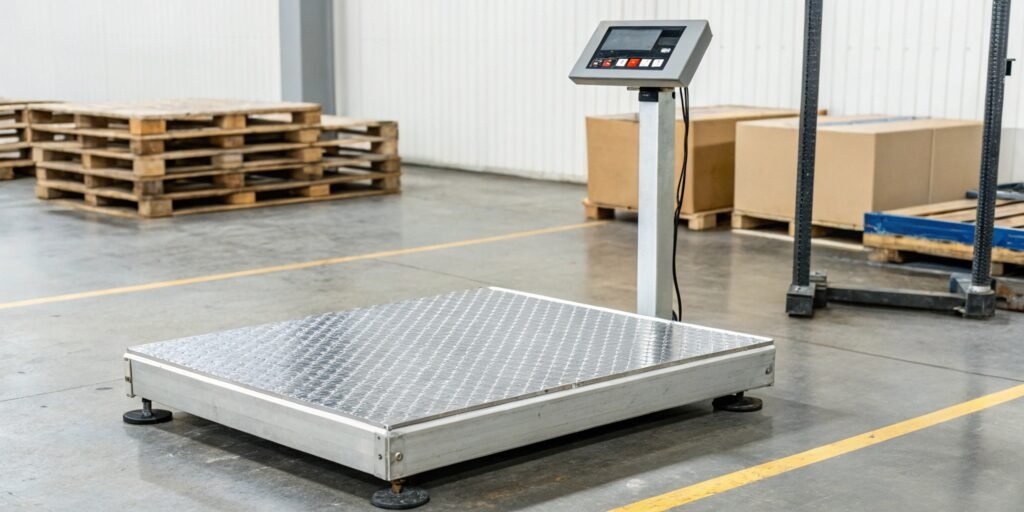
Losing money on overfilled packages or facing penalties for underweight products? This erodes profits and trust. The right scale technology is your solution for perfect package weights every time.
The packaging industry primarily uses checkweighers for quality control, multihead weighers for high-precision small items, linear weighers for sticky materials, and quantitative packaging scales for bulk filling. Each type addresses a specific need in the production line, ensuring both accuracy and efficiency.

You now know the main types of scales we use in packaging. But just knowing the names isn't enough to make a smart purchasing decision. To truly optimize your production line, you need to understand how each one works and where it fits best. Let's dig into the specifics of these essential tools, so you can see exactly how they can transform your packaging process from a cost center into a profit driver.
What are the different types of scales used for industrial packaging?
Feeling overwhelmed by the various industrial scales available for packaging? Choosing the wrong one can be a costly mistake, leading to production bottlenecks and inaccurate fills. Let's break down the main types.
Industrial packaging relies on four main scales: checkweighers for final weight verification, multihead weighers for precise combination weighing of small goods, linear weighers for challenging materials, and quantitative packaging scales for high-speed bulk bagging. Each one has a distinct role in the process.
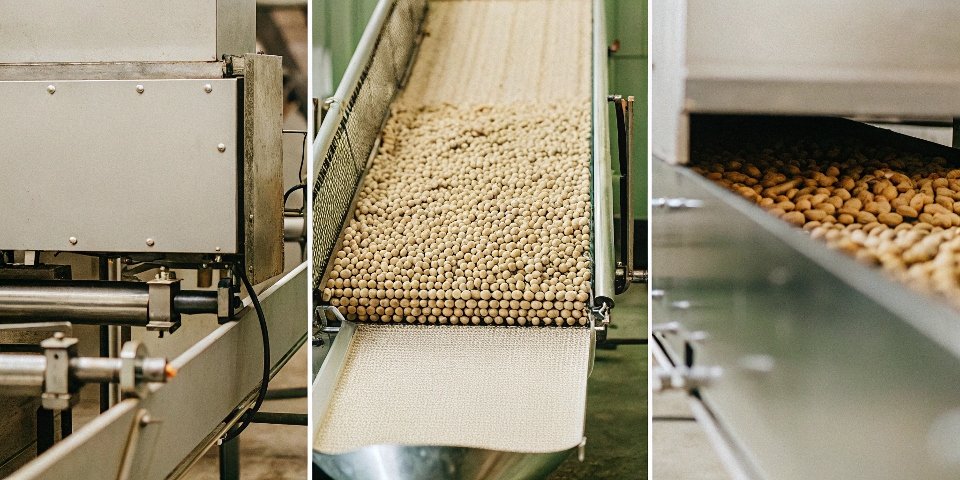
At Weigherps, we've spent 18 years helping clients match the right technology to their product. The "best" scale is always the one that fits your specific application. Let's look closer at the four primary systems you'll encounter.
The Gatekeeper: Checkweighers
Think of a checkweigher as your final quality control1 checkpoint. It sits at the end of the packaging line2 and weighs 100% of your finished products as they pass by on a conveyor. Its job is simple: confirm that the package weight is within your specified tolerance. If it's too heavy or too light, the checkweigher automatically removes it from the line. This prevents underweight products from reaching consumers and stops product giveaway from overweight packages. For example, our systems can handle speeds up to 500 products per minute with an accuracy of ±0.125g, making them suitable for everything from canned goods to flexible foil pouches.
The Precision Master: Multihead Weighers
When accuracy is paramount for small, granular products, the multihead weigher is king. Imagine packaging expensive coffee beans, vitamins, or gourmet snacks. Giving away even a few extra grams in every bag adds up to significant losses. A multihead weigher uses multiple small weighing buckets. The system's computer calculates the ideal combination of buckets to empty to get as close as possible to the target weight without going under. A 14-head combination weigher can easily achieve an accuracy of ±0.2-1g for fills between 10g and 1500g.
The Problem Solver: Linear Weighers
What about products that don't flow easily, like brown sugar, industrial salt, or certain lumpy powders? These sticky or bulky materials can jam a multihead weigher. This is where linear weighers3 shine. They use vibrating channels to feed the product into a weigh bucket in a more controlled, linear fashion. While generally not as fast as multihead weighers4, a modern dual-layer linear weigher can still achieve speeds of 20 bags per minute with excellent accuracy of around ±1g, handling a wide range of weights from 50g to 1000g.
The Workhorse: Quantitative Packaging Scales
For high-volume, bulk packaging, you need a workhorse. Quantitative packaging scales are built for speed and durability. They are designed to fill large bags or sacks with products like rice, sugar, plastic pellets, or animal feed. Our cylinder version packaging scale unit, for instance, is designed for free-flowing materials in the 10-50kg range. It can achieve speeds of over 1100 bags per hour, providing the stable, high-speed performance required in heavy industrial environments.
| Scale Type | Best For | Typical Weight Range | Key Feature |
|---|---|---|---|
| Checkweigher | Final quality control of packaged goods | 10g - 6kg | 100% weight verification |
| Multihead Weigher | Small, granular, high-value items | 10g - 1500g | Highest accuracy, minimal giveaway |
| Linear Weigher | Sticky, lumpy, or non-free-flowing items | 50g - 1000g | Handles difficult materials |
| Quantitative Scale | Bulk, free-flowing granular materials | 10kg - 50kg | High speed and high volume |
How does a checkweigher work in a packaging production line?
Are you worried about underweight or overweight packages slipping through your quality control? This uncertainty can lead to compliance failures and profit loss. Let’s see how a checkweigher automates this process.
A checkweigher works by weighing every single package as it moves along a conveyor belt. It compares the package's weight to a preset target range. Any package that is over or under the limit is automatically rejected from the line, ensuring 100% weight compliance.
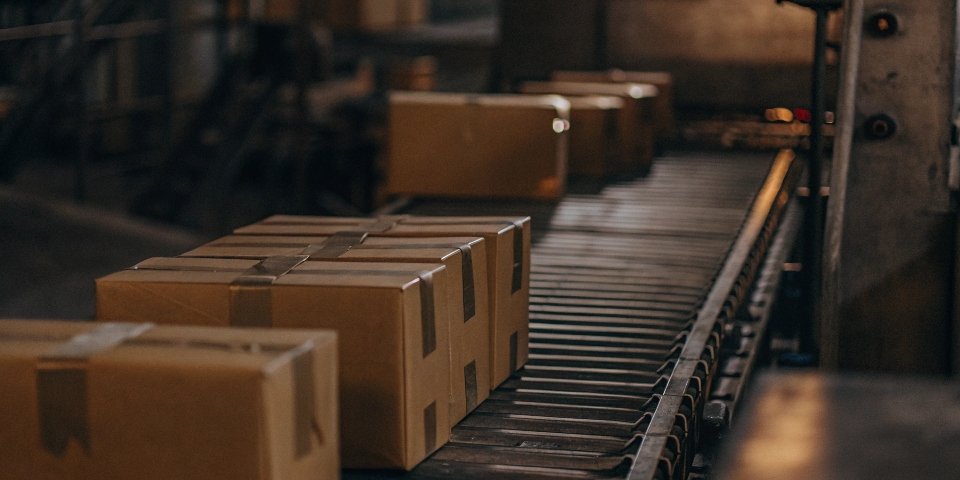
A checkweigher seems simple, but its operation is a finely-tuned process that happens in a split second. As a manufacturer, we pay close attention to every detail to ensure reliability. Breaking it down reveals four key stages that guarantee no bad package gets through.
Step 1: Infeed and Spacing
First, the packages travel from your main production line onto the checkweigher's infeed conveyor. This belt's job is to properly space the products. You cannot weigh two packages at once, so this stage ensures there is a clean gap between each one before it reaches the most critical section.
Step 2: The Weighing Process
Next, the package moves onto the weighing conveyor. This section is mounted on a highly sensitive load cell. As the package travels across it, the load cell captures its dynamic weight in milliseconds. The precision of this load cell and the stability of the conveyor are what determine the checkweigher's accuracy. I once worked with a client whose previous system vibrated too much, giving false readings. We solved this by installing a robust, isolated weighing platform, which immediately stabilized their results.
Step 3: Decision and Rejection
The weight data is instantly sent to the checkweigher's controller. This brain compares the measured weight against the upper and lower weight limits you've programmed. If the package is within the accepted range, it passes straight through to the outfeed conveyor. If it's out of tolerance, the controller triggers a rejection device. This could be a blast of air for light packages, a mechanical pusher arm for boxes, or a drop-flap for other items. The rejected product is diverted into a separate bin or conveyor.
Step 4: Beyond Weighing: Data and Feedback
This is where modern checkweighers really add value for clients like software providers. Our systems don't just reject bad packages; they collect data. You get reports on average weights, standard deviation, and reject counts. More importantly, this data can create a feedback loop. The checkweigher can automatically signal upstream to the filler, telling it to increase or decrease the fill amount. This proactive adjustment minimizes waste and keeps your process centered on the target weight, which is a key goal for achieving a quantum leap in efficiency.
What is the best weighing system for ensuring accurate package fill weights?
Tired of catching filling errors only after the product is already wasted? This reactive approach costs money. The key is to get the fill weight right from the start.
The "best" system depends on your product. For small, granular items like snacks or candy, a multihead weigher is unmatched for accuracy. For powders or grains, a quantitative packaging scale provides the most consistent and precise results for bulk fills.
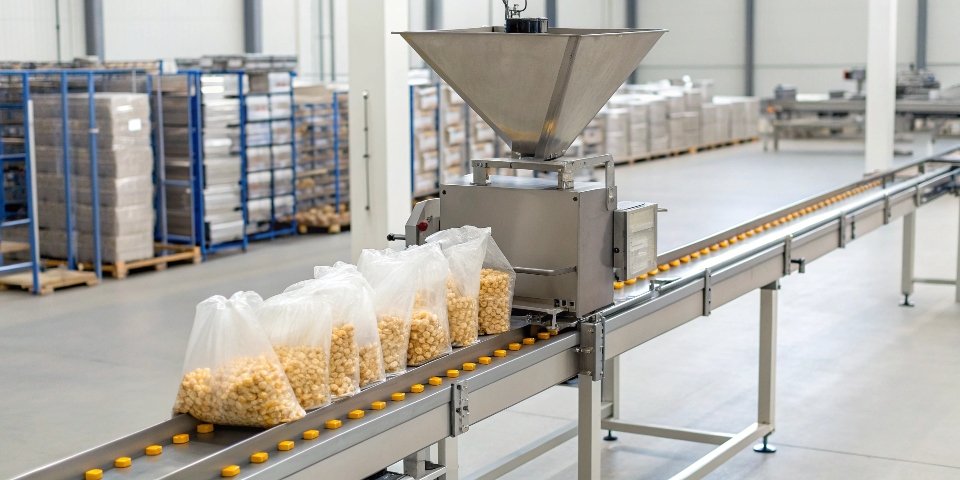
The secret to accurate fill weights isn't just one machine; it's the right filling and weighing technology for your specific product. A checkweigher is your safety net, but the goal is to not need the net. Let’s compare the top systems for getting the weight right during the filling stage.
For High-Value Granular Products: Multihead Weighers
When you are packaging a product where every gram counts, like saffron, craft coffee, or pharmaceuticals, product giveaway is a direct hit to your profit. The multihead weigher is the solution. It uses a series of small "weighing heads," each holding a fraction of the target weight. A powerful processor instantly finds the combination of heads that adds up to the exact target weight. For example, to get a 100g bag, it may combine 25g, 30g, and 45g from three different heads. This method is incredibly accurate, often getting within a fraction of a gram. This minimizes giveaway and ensures you are selling precisely what you advertised.
For Consistent Powders and Grains: Quantitative Scales
For larger bags of free-flowing products like rice, plastic granules, or sugar, speed is just as important as accuracy. This is the domain of quantitative packaging scales5. These robust systems are designed for high-throughput environments. Our Weigherps cylinder version, for example, is built for this. It can accurately dose material into 10kg to 50kg bags at speeds over 1,100 bags per hour. It provides a stable, reliable filling process that keeps a large-scale production line moving without interruption, ensuring consistent bulk packages hour after hour.
For Challenging or Sticky Products: Linear Weighers
Some products just refuse to cooperate. Sticky items like gummy candies or moist brown sugar, and irregular shapes like jerky or croutons, can easily clog a multihead weigher. A linear weigher solves this problem. It uses controlled vibrations to gently guide the product along a channel into a weigh bucket. This method provides better flow control for these difficult materials. While not as fast as a multihead weigher, a dual-layer linear weigher delivers the accuracy you need (around ±1g) without the constant downtime from jams, making it the most efficient choice for these problem products.
| Weighing System | Product Type | Primary Benefit |
|---|---|---|
| Multihead Weigher | Small, granular, high-value (candy, nuts) | Unmatched Accuracy to minimize giveaway |
| Quantitative Scale | Bulk, free-flowing (rice, sugar, pellets) | Maximum Speed for high-volume production |
| Linear Weigher | Sticky, lumpy, irregular (brown sugar, jerky) | Superior Handling of difficult materials |
How do you choose the right scale for a food packaging application?
Selecting a scale for food packaging is more than just about weight. Get it wrong, and you risk contamination and costly downtime. Let's cover the critical factors for food-safe weighing.
To choose the right scale for a food packaging application, you must consider the product's characteristics (e.g., sticky, fragile, frozen), required accuracy and speed, hygiene requirements (e.g., stainless steel, IP rating for washdown), and how easily the scale integrates with your existing packaging line.
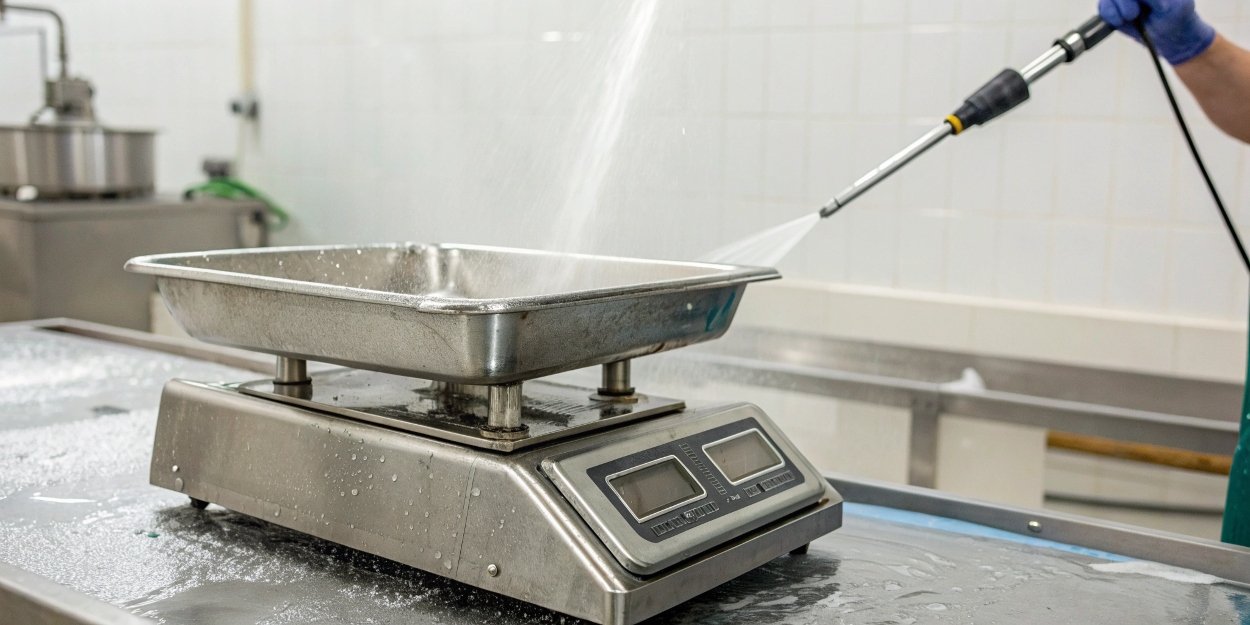
Choosing a scale for a food application requires extra care. As a manufacturer, we always guide our clients through a detailed checklist. Food safety, cleanability, and product integrity are non-negotiable. Overlooking any of these factors can have serious consequences for your business and customers. Here is the process I use with every food industry client to ensure they get the perfect, safe, and efficient solution.
Analyze Your Product
The first question is always about the product itself. Is it a powder like flour, a fragile solid like a cookie, or frozen like peas? A fragile product might need a gentler conveying system to prevent breakage before weighing. A dusty powder may require special enclosures to prevent airborne contamination. I remember a client with delicate biscuits who needed a weighing system that minimized drops and impacts. We designed a solution with shorter drops and cushioned transitions, which drastically reduced product damage and waste.
Define Your Performance Needs
Next, we define the operational goals. How many packages per minute do you need to produce? This determines the required speed of the scale. What is the acceptable weight variation? A high-value spice needs much tighter accuracy than a bulk bag of potatoes to control costs. Balancing speed and accuracy is key; often, pushing for extreme speed can slightly reduce accuracy, so we work to find the sweet spot that meets your production and financial goals.
Consider the Environment and Hygiene
This is a critical step for food safety. Will the scale operate in a wet, washdown environment? If so, you need a machine with a high Ingress Protection (IP) rating, like IP65 or higher. This ensures that high-pressure water jets used for cleaning won't damage the electronics. The material of construction is also vital. Food-grade stainless steel (like SUS304) is standard because it's non-porous and resists corrosion. All surfaces that touch the food must be easy to access and clean to prevent bacterial growth.
Plan for Integration and Support
Finally, the scale must work seamlessly with your other equipment. For software vendors and system integrators, this is the most important part. Can the scale communicate with your Vertical Form Fill Seal (VFFS) machine or bagger? Does it support standard communication protocols for data exchange? At Weigherps, we ensure our systems are easy to integrate and provide comprehensive R&D team support, documentation,
-
Delve into the role of quality control in ensuring product compliance and reducing waste. ↩
-
Gain insights into the components and functions of an efficient packaging line. ↩
-
Discover how linear weighers handle challenging materials effectively in packaging. ↩
-
Learn how multihead weighers optimize accuracy for small, high-value products. ↩
-
Find out how quantitative scales enhance speed and efficiency in bulk packaging. ↩



[…] and I’ve seen firsthand how this equipment transforms production lines. The real power of a multihead weigher1 is in its features and how they bring real benefits to many industries. Let’s look closer at […]
[…] and that employee could get distracted, leading to overfills or underfills. We introduced a simple checkweigher1. Now, the machine handles that task perfectly every time, freeing up that worker for a more […]